PREGNANCY
36 Weeks Pregnant: Hormones Gone Wild!
You're probably starting to notice your body changing in lots of different ways...because it's preparing for labor!

Written by
Dr. Harvey Karp
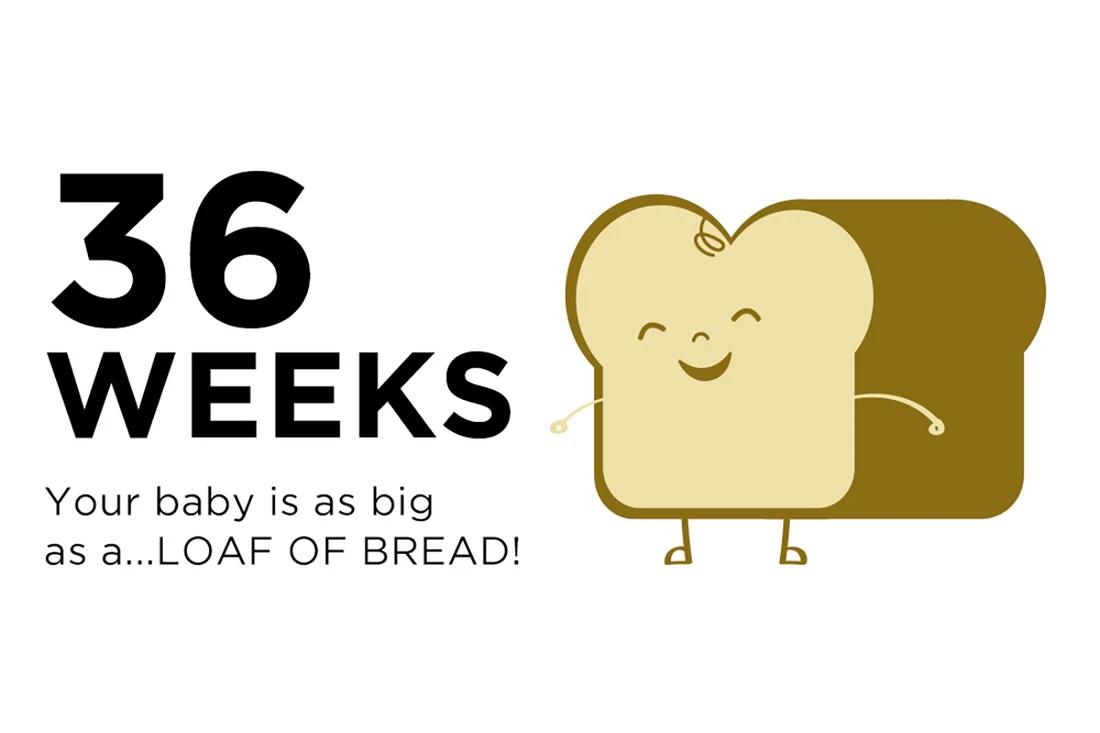
36 Weeks Pregnant: Baby Update
Your active little kick-boxer is now around 6 pounds, and you're probably feeling every single ounce of that weight in your pelvis. The layer of lanugo that covers her body is shedding, and she's also losing some vernix (though don't be surprised if she's still covered in plenty of it when she's born!)
How Many Months is 36 Weeks
If you’re 36 weeks pregnant, then that means you’re approximately 9 months pregnant.
Is 36 Weeks Pregnant Full Term?
Any pregnancy over 39 weeks is considered to be full-term. Babies born 36-38 weeks are considered to be early-term.
36 Weeks Pregnant: Baby Update
Her brain growth is speeding up. It's about 1/4 the size of an adult's, and over the first year, it will triple in weight! Her lungs are ready to breathe air, but her digestive system is still slightly immature. Don't worry; your milk will be the perfect food. The thick yellow colostrum—the rich fluid that breasts produce during the first days, before the milk comes in—will literally coat her intestines with illness-fighting antibodies.
And colostrum contains lots of powerful white blood cells. They come from your body and protect your baby from dangerous viruses and bacteria. No wonder its nickname is “liquid gold.”
Colostrum also has a laxative effect, helping her to “clean out” the sticky, black/green meconium (aka the first poop) that's built up over the past few months. (Robin Williams once said meconium was like a cross between Velcro…and toxic waste!)
36 Weeks Pregnant:What to Expect
Is this a sign of labor? Whoa. As your due date approaches, the anxiety—and excitement—ratchets up. There are so many signs your body's preparing for birth! You probably already know the big ones: contractions, your water breaking, effacement and dilation, which your care provider may check as you near your due date. But, every woman's body and experience are different, so you may also have a few less-blatant signs. One of these is frequent (like all day) pooping. Diarrhea is a way for your body to clean itself out before the birth. This can go on for a few days. It's not fun, but think about it this way: less poop in the delivery room!
Signs of Labor at 36 Weeks Pregnant
Scientists still don't know exactly how labor begins, but they know for sure that plenty of hormones are involved! You may break out along your chin or jawline or feel overly emotional, possibly with random bouts of crying. And, it's not just your body that decides it's "go time"; the baby plays a part, too. She'll secrete a hormone called CRH (cortico-releasing hormone), which sends a message to your placenta. Your placenta then secretes its own hormones, estrogen and cortisol, which tell your uterus to release oxytocin. Oxytocin is what kicks off contractions. The message from your placenta also tells your amniotic membranes to secrete prostaglandins, which lead to cervix effacement. Your hormones are in full effect!
Some women describe the very early stages of labor, before contractions really kick in, as period pain-like. A lower back ache is common (try a hot water bottle for relief). This pain is caused by—you guessed it—hormones. Your placenta has released something called connexin which works along with oxytocin to cause contractions. The cascade of hormones that starts labor can take a long time or can happen relatively rapidly. If you have fast labors in your family history (or this is not your first baby, and your others were speed demons), give your caregiver a heads up!
36 Weeks Pregnant Symptoms
Common symptoms of pregnancy at 36 weeks include:
- Changes in fetal movement
- Heartburn or indigestion
- Bloating and gas
- Constipation
- Frequent urination (peeing)
- Vaginal discharge streaked with blood
- Itchy belly
- Edema (swelling of the feet and ankles)
- Insomnia
- Nesting instinct
A To-Do List for Your 36th Week of Pregnancy
- Start perineal stretching: If you plan to birth vaginally, perineal stretching and massage may help. Most care providers recommend waiting until around 36 weeks to begin. Use extremely clean hands with trimmed nails and a bit of oil (you can try olive, coconut or another vegetable-based oil—Weleda actually makes one for this exact purpose). Click here for explicit instructions and a visual aid. It may be easier if your partner assists you. Of course, check with your doctor or midwife before you begin.
- Discuss guest visiting hours: As soon as you have a baby, the drop-ins begin. Decide with your partner who can drop in and when. Perhaps that means limiting visitors during the first week or two so you can rest and recover…or having your parents come help immediately. Just remember, make your decision based on how you feel, not on your worries of hurt feelings.
- Create a safe sleep environment: Read up on the AAP's safe sleeping guidelines, which suggest your baby sleep in the same bedroom for at least 6 months, in a separate sleeping space and always on the back. SNOO Smart Sleeper is the only sleep solution that keeps your baby safely on the back—all naps/nights—as recommended by the AAP. Plus, SNOO also helps calm fussing and aid sleep!
- Babyproof: Since you've got safety on the brain, it's a great time to babyproof. Starting with smoke alarms, fire extinguishers, carbon monoxide detectors and emergency supplies (in case of earthquake, tornado, flood, or fire).
- Ask your insurance about a free breast pump: By law, all insurance plans must give you a free breast pump. Simply call the number on your insurance card and ask. Also, ask if your homeowners insurance will give you a refund for getting smoke alarms and fire extinguishers.
Pregnancy Lingo Lesson
Vernix: A waxy white substance that also covers a fetus’s skin to protects it in the womb and during birth.
Lanugo: Another layer to protect your baby’s delicate skin. This fine layer of hair is usually shed in the 3rd trimester, though a few babies are born covered in it.
Effacement: a process in which your cervix prepares for birth, by softening, thinning and becoming shorter.
Pregnancy Quote of the Week
Fathering is not something perfect men do, but something that perfects the man.— Frank Pittman
Disclaimer: The information on our site is NOT medical advice for any specific person or condition. It is only meant as general information. If you have any medical questions and concerns about your child or yourself, please contact your health provider. Breastmilk is the best source of nutrition for babies. It is important that, in preparation for and during breastfeeding, mothers eat a healthy, balanced diet. Combined breast- and bottle-feeding in the first weeks of life may reduce the supply of a mother's breastmilk and reversing the decision not to breastfeed is difficult. If you do decide to use infant formula, you should follow instructions carefully.






SHARE THIS ARTICLE
PARENT PICKS
Bestsellers