BABY
How to Sleep Train Your Baby
The most popular baby sleep training methods are not created equal! Find out which is best for your baby—and how to do it!

Skriven av
Happiest Baby Staff

While it is true that sleep training is way tougher on you than your baby, that does not mean you need to suffer while you navigate this big baby milestone. In fact, sleep training does not have to mean buckets of tears for you or your baby! Here is everything you need to know about sleep training basics, from when to start sleep training to how.
Sleep Training Basics
What is sleep training?
This may surprise you, but sleep training and 'cry it out' are not synonymous! Instead, crying it out is only one type of sleep training method. There are many ways you can sleep train your baby...and they certainly do not all require tears! In a nutshell, sleep training is the process of teaching your baby to fall asleep—and fall back to sleep—by themselves. Think of it like this: Sleep training offers your baby the tools they need to self-soothe...a must-have skill!
What is the right age to sleep train a baby?
While all babies are different, little ones are usually developmentally ready for sleep training between 4 and 6 months old. This is the sleep training sweet spot since it is usually before your small one has had time to get too used to rocking or nursing to sleep. And it is about when the 4-month sleep regression kicks in... making this window an excellent time to consider sleep training. But before you dive into any sleep training, it is important for parents to have a good grasp of what they can realistically expect from their teeny sleeper. For instance, by 6 months old, 'sleeping through the night' often means snoozing for five to six hours without needing to be fed.
Can you sleep train a newborn?
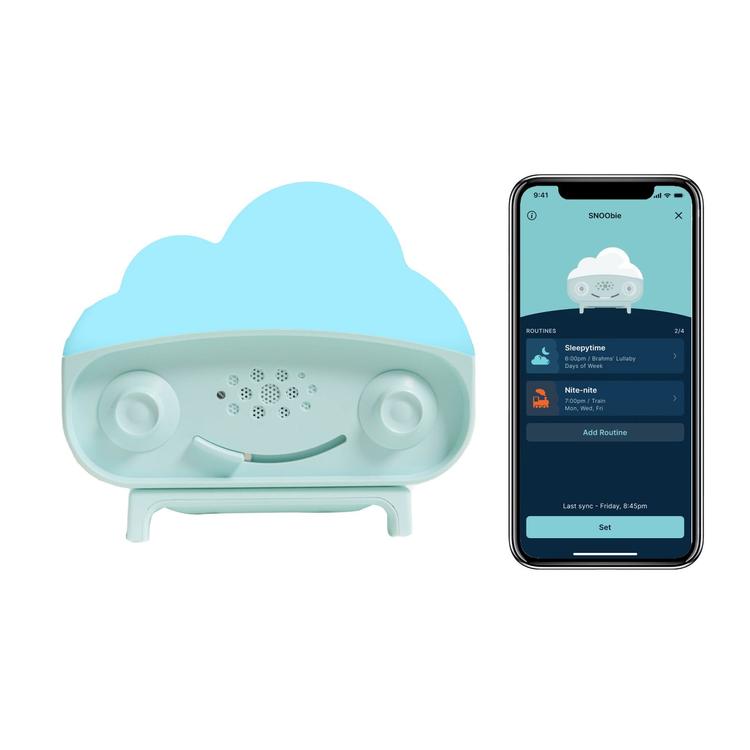
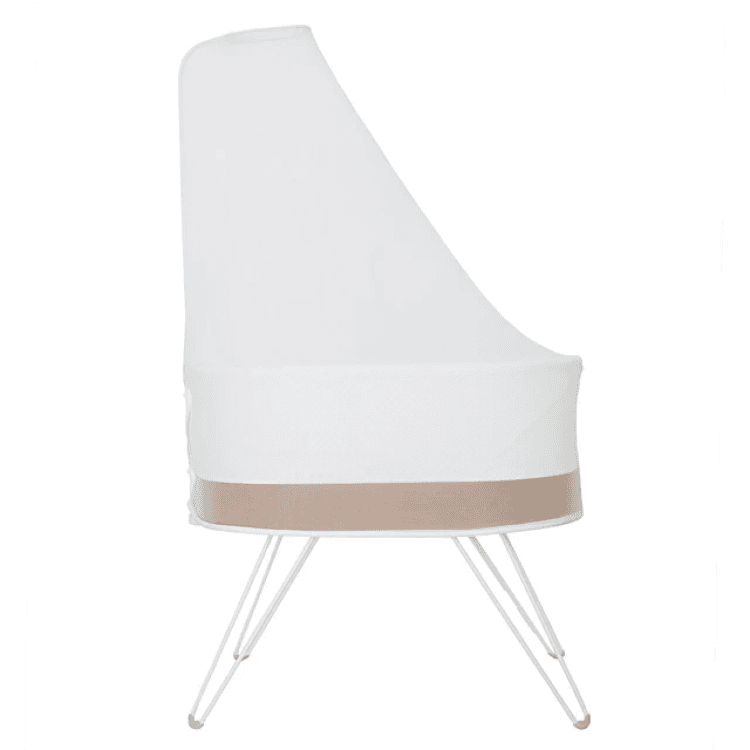
No...at least not in the way you are likely thinking! Young infants need to wake every two to four hours to feed. Plus, they are not yet wired for super-long stretches of nighttime sleep. (Talk to your kid’s paediatrician about when is the appropriate time to night-wean your baby.) However, you can set your newborn up for sleep success by offering them a womb-like environment that cues their sleep response. For instance, swaddling mimics the hug of being in the womb and white noise replicates the constant whooshing of blood moving through the uterine arteries. Tapping those sensations, essentially, sleep trains babies naturally...and early. (SNOO, the award-winning smart sleeper, utilises those sleep cues, plus rocking—which stands in for the jiggling sensation of being inside the womb—to effortlessly sleep train babies.)
How long does sleep training take?
No matter which sleep training technique you decide on, know that the time it takes differs for every caregiver...and every baby! Generally speaking, most sleep training strategies will take about a week to implement, but sometimes it will take longer depending on your method…and your consistency. If you have been trying to sleep train your precious bundle for two weeks with no luck, consider checking in with your baby’s paediatrician for advice.
Is sleep training safe?
While it is 100% accurate that sleep training can be very stressful for parents, rest assured, if your baby is developmentally ready and in a safe sleep environment, sleep training—no matter the method—is perfectly safe. In fact, research in the journal Paediatrics notes that no long-term differences have been found between children who have been sleep trained as babies and those who were not. In addition, another study found that successful infant sleep training significantly improves mum’s mood. (Not surprising!)
How to Sleep Train a Baby
There are lots of sleep training techniques to choose from...sometimes they are used on their own, others overlap, and still sometimes they get combined. So, whatever works for you and your baby is the right sleep training method to choose.
'Cry It Out' (CIO) Sleep Training Method
'Cry it out' is the most widely known sleep training method and it requires you to not intervene if your baby is fussy or crying when you put them down at bedtime. This is sometimes called the 'extinction' sleep training method. Since some babies have specific health or feeding needs, it s not a bad idea to speak to your baby’s paediatrician before starting CIO.
How to do it: Here, there is no rocking or nursing your baby to sleep. Instead, with the 'cry it out' sleep training method, you feed, burp, and change your baby and put them in their cot drowsy, but still awake. You say goodnight and then...leave. You exit if your baby is softly cooing and about to drift off...or if they are fussing or crying. And once you leave, you are not to come back until your baby’s next scheduled feeding or they wake in the morning. This, of course, means you need to try your hardest to tune out your baby’s tears. And, well, it can be rough.
Wake-and-Sleep Sleep Training Method
The idea behind the wake-and-sleep method is to gently wean your little one off of being held or rocked to fall asleep for all naps and night-nights. This is, quite possibly, the gentlest way to teach your baby to self-soothe and sleep through the night.
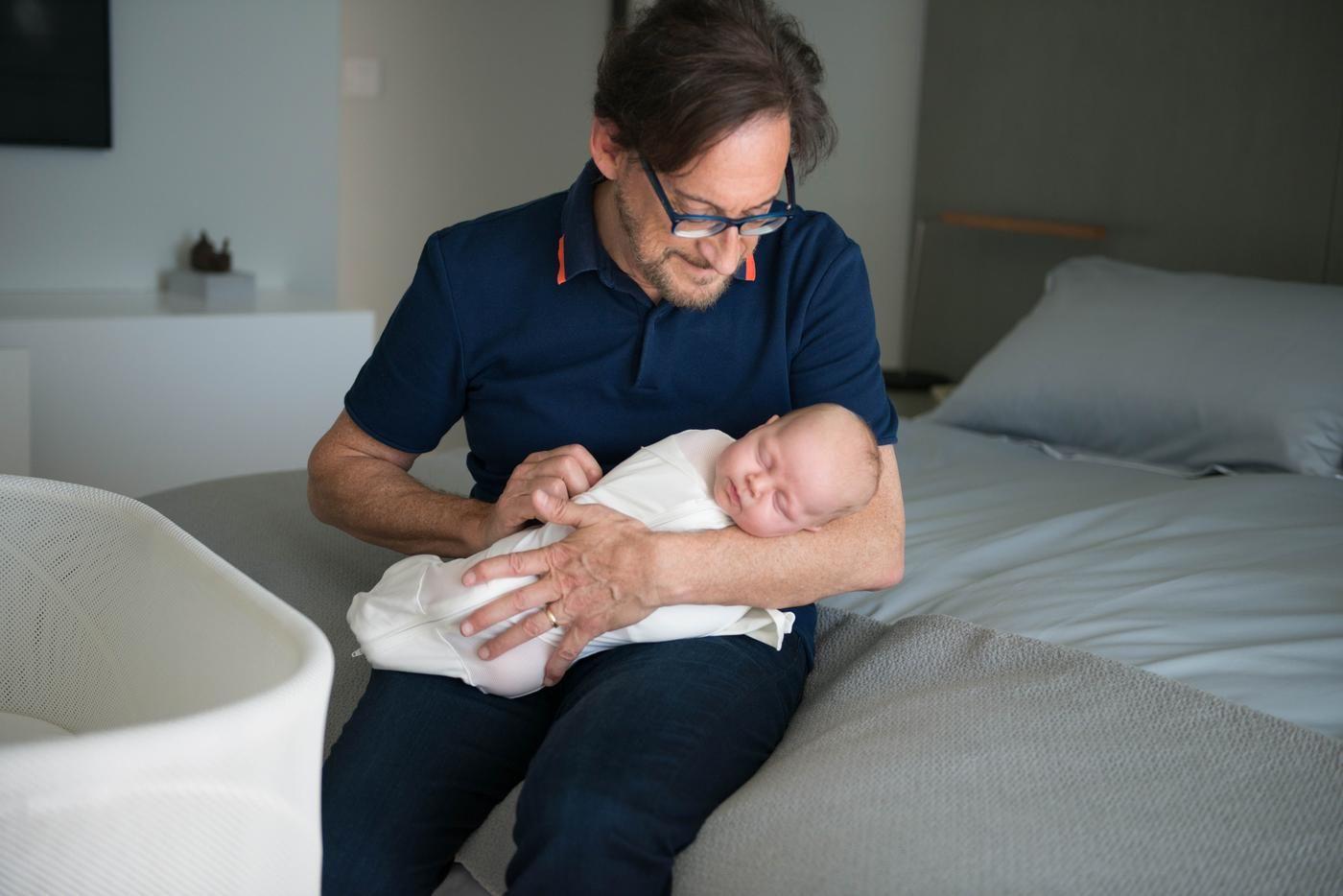
How to do it: Every bedtime, swaddle your baby and turn on some white noise, making it as loud as a shower. Next: Feed and burp your sweet pea and allow them to fall asleep in your arms before you lay them down in their cot (safely on their back, of course). BUT right after you put your munchkin down, gently rouse them with a light tickle on the neck or feet until they open their eyes. After a few seconds, your baby will close their eyes again and slide back into dreamland. If your little one fusses, go ahead, and pick them up for a feed or some comfort, but then be sure to wake your newborn again when you put them back down. Sounds crazy, right? Who wakes a sleeping baby?! But those few seconds of drowsy waking are the first steps to helping your infant learn how to self-soothe and sleep through the night.
The Ferber Sleep Training Method
This is sometimes dubbed the check-and-console sleep training method or 'graduated extinction.' The Ferber method is very much like 'cry it out,' except you take baby steps toward the end goal. Since the Ferber method is another form of CIO, it is smart to consult your paediatrician before starting.
How to do it: After you do the whole feed-burp-change routine and place your awake baby down, leave the room a la 'cry it out.' However, with the Ferber sleep training method, if your baby cries, you return to their room and check on your baby at specific, graduated intervals. For instance, you come back 5 minutes later to shush or gently speak to your baby, then promptly leave again. If your toddler is still crying, return after, say, 10 minutes. (The time between each check-in should get longer.) Much like 'cry it out,' the Ferber method stresses that you do not pick up your baby when you return to the room.
'The Chair' Sleep Training Method
This sleep training strategy involves a chair, a lot of time, and a lot of patience, too. (This is also referred to as the camping-out sleep training method.) Like the Ferber method, you work to sleep train your baby in gradual intervals. Again, it is a good idea to consult your baby’s healthcare provider before starting.
How to do it: You know the drill: Place your drowsy, well-fed, freshly burped and just-changed baby into their cot. But instead of leaving the room after saying goodnight, you sit next to your baby’s bed...only leaving after your baby has dozed off. If your baby cries, you return to the room and sit down again. No picking up allowed, but you can offer gentle verbal reassurances. Every few nights, you gradually move your chair closer and closer to the door, until you finally leave the room.
The 'Pick-Up, Put Down' Sleep Training Method
This sleep training technique is like the Ferber method, but when you return to check on your baby at specific, graduated intervals you can go ahead and provide some direct physical comfort. This is sometimes called the 'shush, pat' sleep training method.
How to do it: Feed, burp, and change your baby, putting them down while still awake. If your toddler fusses or cries when you place them in their cot, you do not have to plug your ears and leave the room. Instead, feel free to pat their little tummy or place your hand on them, offering soft shushes or sweet words. You can even pick your baby up, as the 'pick up, put down' name states. The key, however, is to be brief. Pick your baby up, soothe them enough so that they settle, then put them back in their cot, and leave. You repeat this loving-but-brief routine whenever they cry.
Sleep Training Tips
- Create a bedtime routine. Most babies are very receptive—and able—to establish a bedtime routine when they are around 6 to 8 weeks old. Reliable routines help your little one begin to recognise getting-ready-for-sleep cues...and then respond with sleep. A routine that encompasses a relaxing bath, followed by a swaddle, some white noise, a feed—and a consistent bedtime—are often ideal.
- Start smart. It is best to avoid sleep training during a chaotic period at home, like when your baby is teething, there is a time change, a new caregiver starts or a parent heads back to work, or when you are transitioning your baby to their own room. (PS: Starting on a Friday gives you the weekend to ride out the biggest bumps.)
- Look for sleepy clues. It is always best to start your baby’s sleep routine when they are tired, but not asleep. So, look for signs of sleepiness in your baby, including them rubbing their eyes, fluttering or droopy eyelids, yawning, and/or pulling at their ears.
- Put your baby down awake. All sleep training methods revolve around your small baby being able to fall asleep on their own. To do that, your baby needs to be awake when you put them in their cot.
- Do not rush to respond. If you are following one of the gentler sleep training methods, that does not mean that you should go to your baby at their first whimper. Responding too quickly to every sound can derail your child’s self-soothing efforts.
In the end, remember this: Some sleep training techniques simply will not work for you. Do not beat yourself up about it! Like so many things in life, sleep training your infant might take some trial and error. So, if the sleep training method you decided on is not working, do not be afraid to try a new one—or combine two techniques. But once you land on one that is working—be consistent! Give your baby at least a week to figure it all out.
For more advice on how to set your baby up for sleep success, check out The Happiest Baby Guide to Great Sleep.
Ansvarsfriskrivning: Informationen på vår webbplats är INTE medicinsk rådgivning för någon specifik person eller tillstånd. Den är endast avsedd som allmän information. Om du har några medicinska frågor och funderingar om ditt barn eller dig själv, vänligen kontakta din vårdgivare. Bröstmjölk är den bästa källan till näring för spädbarn. Det är viktigt att mödrar äter en hälsosam, balanserad kost i förberedelse för och under amning. Kombinerad amning och flaskmatning under de första veckorna i livet kan minska tillgången på en mammas bröstmjölk och det kan vara svårt att ångra beslutet att inte amma. Om du bestämmer dig för att använda modersmjölksersättning bör du noggrant följa instruktionerna.

DELA DENNA ARTIKEL
FÖRÄLDRARS VAL
Bästsäljare