BABY
How to Survive the 3-Month Sleep Regression
Set your 3-month-old up for sleep success with our sleep regression guide.

Skriven av
Holly Pevzner

Your baby’s first year is jam-packed with milestones, but one that’s often overlooked might be occurring right now! Between 3 and 4 months old, infants begin to emerge from the fourth trimester, where babies gradually learn to adjust to life outside the womb. Essentially, that means “your baby is actually ready to be born now!” says paediatrician Dr. Harvey Karp, bestselling author of The Happiest Baby on the Block. Exciting! Unfortunately, this big step forward can sometimes be marred by an unexpected step back…the harrowing 3-month sleep regression! Here, what you need to know to handle this possible sleep setback.
What is a sleep regression?
“A sleep regression is when a baby’s sleep patterns switch from good to crummy…seemingly overnight,” says Dr. Karp. “While sleep regressions are frustrating, they’re a normal part of development.” Sleep regression may even be thought of as positive! That’s because your baby may simply be waking more because they’re growing and developing—not because there are any “problems.” (Sleep regressions often go together with cognitive leaps.) While a sleep regression can strike at any time, the most common ages for sleep regression are 3 to 4 months, 8 to 9 months, 12 months—and sometimes 6 months and/or between 18 and 24 months. Sleep regressions often coincide with growth spurts. (Learn more about growth spurts.)
Why won’t my 3-month-old baby sleep?
The good news? As your baby nears 4 months old, they start to adjust to the natural 24-hour day-night cycle and their little bodies start consistently producing the sleep hormone melatonin. Around the same time, the incidence of sleep-sapping colic plummets, affecting just 17% of babies, according to research in the Journal of Clinical Sleep Medicine. In theory, this should mean your 3-month-old is sleeping like a dream! But between 3 and 4 months, babies’ naps tend to get shorter, and they often experience a slight uptick in night waking. A 2020 study found that 3-month-olds wake up and need resettling an average of 2.2 times a night—though the range was anywhere between 0 and 15 times!
What is the cause of 3-month sleep regression?
There are several possible reasons your baby may be face sleep setbacks at 3 months. Some of the most common reasons for the 3-month sleep regression include:
- Sleep Cycle Shifts: Once your baby nears 4 months old, their two-stage sleep cycle morphs into four stages, which can lead to more frequent night wakings.
- Developmental Leap: Starting around 3 to 4 months old, your baby may begin to explore their more social side. That means, when they rouse in the middle of the night, instead of quietly drifting back to sleep, they may realize they’re bored! Cue the crying so you’ll come hang out.
- Hunger: If your 3-month-old is waking up every three to four hours, there’s a good chance they’re hungry.
- Overtired: When sleepytime cues are missed, babies can become overtired. That means their strong desire to sleep is at odds with their struggle to calm themselves.
- Increased Sensitivity to Surroundings: As babies get older, they become more sensitive to stimuli, such as noise, light, and activity, which can disrupt their ability to calm down and sleep.
Sleep Habits of a 3-Month-Old Baby
Did you know that the American Academy of Paediatrics doesn’t have sleep guidelines for 3-month-olds? That’s because 3-month-olds are still getting their sleepytime bearings. Infants don’t sort out their days and nights until the tail end of their third month or the start of their fourth month.
Here’s what sleep often looks like for 3-month-olds:
- Babies this age are still sleeping a ton, usually around 12 to 16 hours a day.
- Most 3-month-olds often start their day around 6am.
- Your 3-month-old’s wake windows range from 75 minutes to 2.5 hours.
- Many 3-month-olds take two to three naps a day, totaling 4 to 6 hours of sleep.
- Your baby likely goes down to sleep around 9pm.
- Your 3 month old will likely wake for a feeding or two during the night.
- The longest unbroken span of sleep can range from around five hours to up to eight hours.
- At 3 months old, womb-like white noise, gentle rocking, and swaddling continue to help turn on your baby’s calming reflex, which is their inborn “off switch” for crying and “on switch” for sleep.
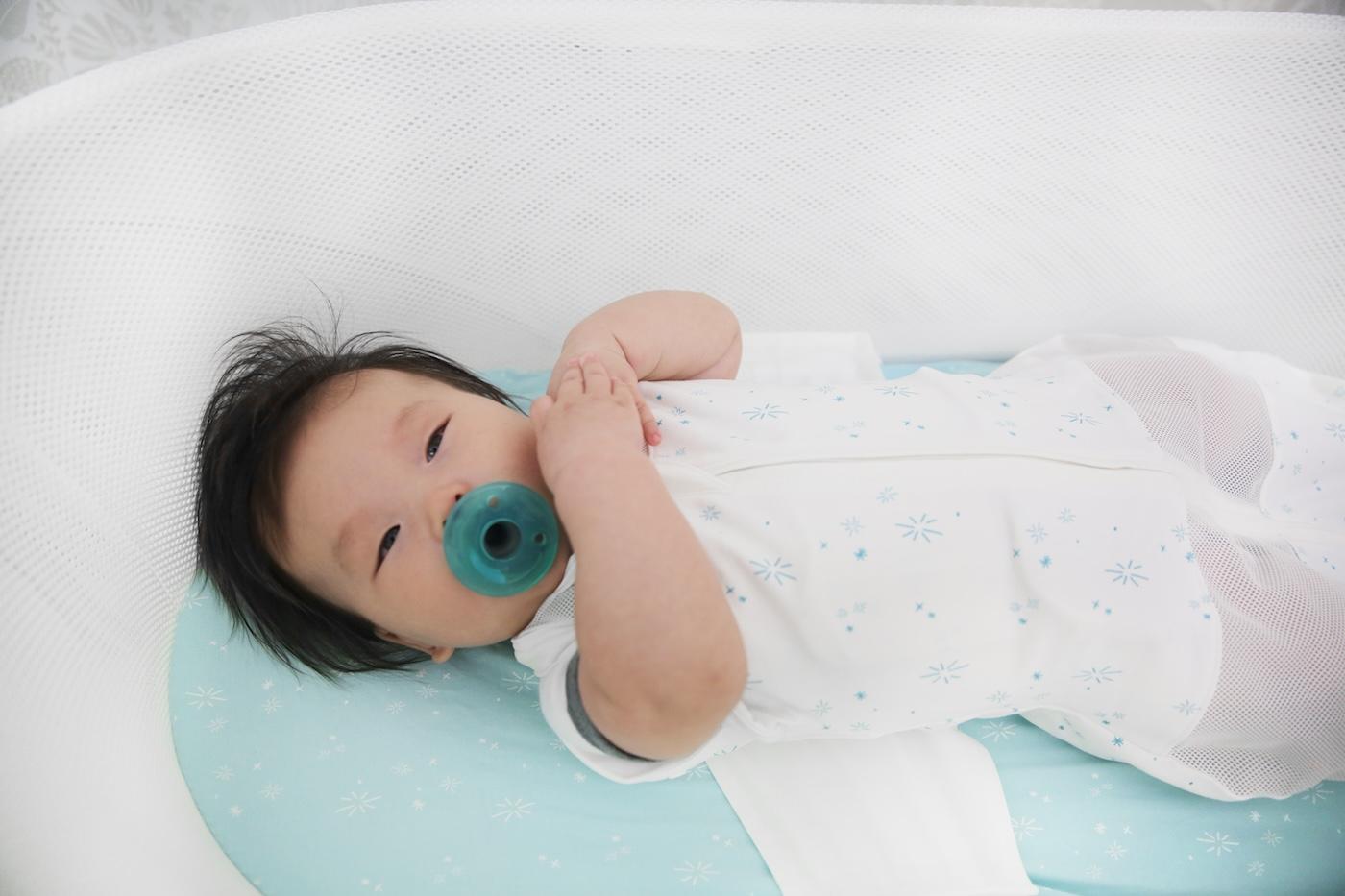
- Most babies won’t begin rolling from their stomach to their back until at least 4 months. If your 3 month old is rolling, it’s no longer safe to put them to sleep in a swaddle in a traditional cot. (SNOO babies can stay safely swaddled since SNOO’s special clip-in sleep sack prevents babies from rolling.)
- At 3 months old, your baby should still be sleeping in a cot or SNOO, free of all loose bedding and soft objects.
Do all babies have a 3-month sleep regression?
No, not all babies will go through a 3-month sleep regression. The most common sleep regression is the 4-month sleep regression…but it may happen up to a month early, making it a 3-month sleep regression!
3-Month Sleep Regression Symptoms
If your 3-month-old’s sleep suddenly takes a nosedive, they might be going through sleep regression. Sleep regression signs can include:
- Appetite changes
- Difficulty falling asleep
- Frequent night wakings
- Increased fussiness and crying
- Less napping
- Worsening sleep
How long does the 3-month sleep regression last?
Most of the time, the 3-month sleep regression is short lived, lasting only a few days. However, without consistent and healthy sleep habits, a sleep regression can last for a few weeks…or even months!
Coping Strategies for Parents During the 3-Month Sleep Regression
“When your 3-month-old suddenly starts waking up three to four times a night, it’s like you’ve got a newborn in the house all over again. It can be so frustrating!” says Dr. Karp. “It’s a bear…really, really hard to get through. By then, you’re tired. Your kind of finished. You’re ready to go into that next phase when your child is sleeping better.”
To get through this difficult sleep stage, you need to prioritise your rest. When you feel more rested, you’re better able to care for your baby. (Sleep is your brain’s biggest mood booster!) Consider reaching out to your support network, trading off bedtime or nighttime baby-soothing duty with your partner, allowing yourself to take catnaps during the day, or even hiring some help if you can swing it.
Remember, sleep regressions are temporary, and no two babies are alike…so try your darndest to stop comparing your 3-month-old’s sleep to others! If you’re concerned about your baby’s sleep regression, don’t hesitate to reach out to your child’s paediatrician.
How to Handle Sleep Regressions in Your 3-Month-Old
There are many proven strategies to help you speed through—and even avoid—a sleep regression. Here are some expert-tested go-to tips for the 3-month-old sleep regression:
Establish a predictable bedtime routine.
Dr. Karp recommends starting a regular bedtime routine for your baby at around 8 weeks, so if you haven’t established one yet, now’s the time! Having a newborn bedtime routine eases your baby into a good night’s rest. As your little one gets better at remembering patterns, their bedtime routine signals to them that it’s time to sleep! “They think, ‘ahh, my books, swaddle, shushing, and darkness…I feel tired already.’”
Swaddle your baby.
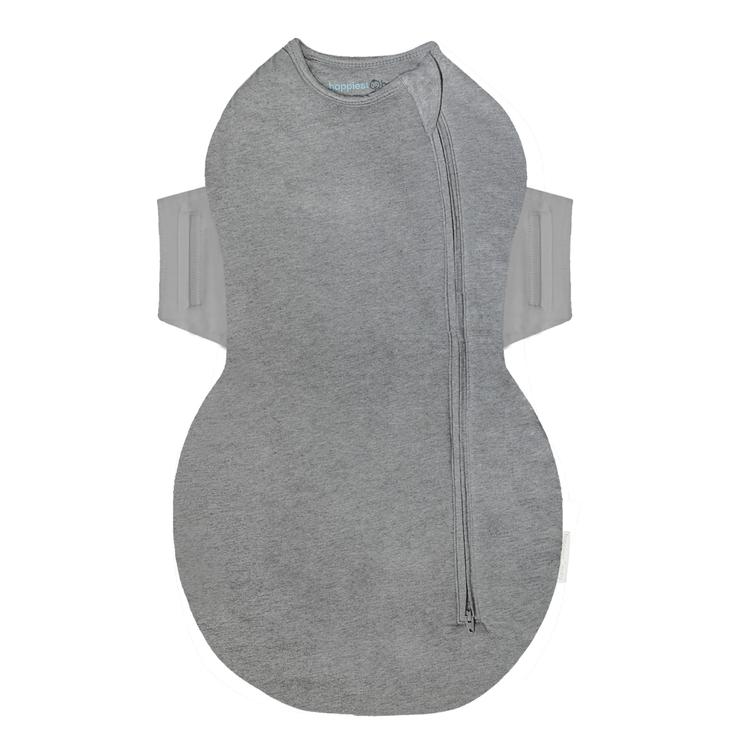
Swaddling—an integral part of the 5 S’s— mimics the calm and comforting sensation of being in the womb, which can keep them calm for hours. Just one catch: If your 3-month-old is rolling, you need to stop swaddling—unless your baby is sleeping in SNOO. SNOO babies can remain safely swaddled up to 6 months in SNOO. That’s important because babies do best when swaddling lasts until they’re 4 to 5 months old, says Dr. Karp. (Find out what to look for when buying a swaddle.)
Play white noise.
White noise is another staple of the 5 S’s for soothing babies. “White noise is one of the best ways to help prevent sleep regressions in the first place,” says Dr. Karp. Not only does a rumbly, low pitched sound promote sleep, a rough, slightly harsh noise that’s nearly as loud as your little one’s crying is the best white noise to calm the fussing that often goes hand-in-hand with a sleep regression. “Continuous, multifrequency white noise can obscure the distracting sounds that often cause an infant to slide from light-waking into full arousal,” says Dr. Karp. Learn more about why white noise helps 3-month-olds sleep—and what to look for in a white noise machine.
Rock your baby.
Three-month-olds are still very receptive to rocking. (They don’t outgrow that desire to rock until they are about 5 or 6 months old.) A 2019 report on babies up to 3 months old shows that rocking reduces crying, hastens sleep onset, and improves overall sleep quality. Dr. Karp notes that slow rocking is perfect for keeping quiet calm babies, but faster, tiny motions are key for soothing a crying infant mid-squawk and for getting babies back to sleep after a middle of the night wake up during a sleep regression. Since your baby should never sleep in a swing, the only safe alternative is rocking your baby all night long in your arms (not really doable!) or using SNOO.
Pay attention to wake windows.
Get a sense of how long your baby can be comfortably awake between sleeps. Once you miss that time-to-take-a-nap “window,” your baby can easily become overtired, which makes getting to sleep nearly impossible. Being overtired triggers babies’ fight-or-flight response, which unleashes the hormone cortisol that keeps babies alert. Learn how to recognise your baby’s sleepytime cues—and how to pinpoint their wake windows with our wake windows guide.
Wake your sleeping baby.
Keep your 3-month-old’s naps to two hours or less. You should consider waking your baby if they’re still snoozing at the two-hour mark! While it’s painful to wake a sleeping baby, doing so may maintain longer stretches of sleep at night, which is helpful when your 3-month-old is going through a sleep regression.
Consider a dream feed.
Since hungry babies wake more, smart to try to eliminate that possible cause of the 3-month sleep regression with a dream feed. Here, you “top off” your baby with one more breast or bottle feed before you turn in for the night, usually between 10pm and 12am. Keep the lights dim and very gently rouse your baby without fully waking them to feed them.
Does SNOO help with sleep regression?
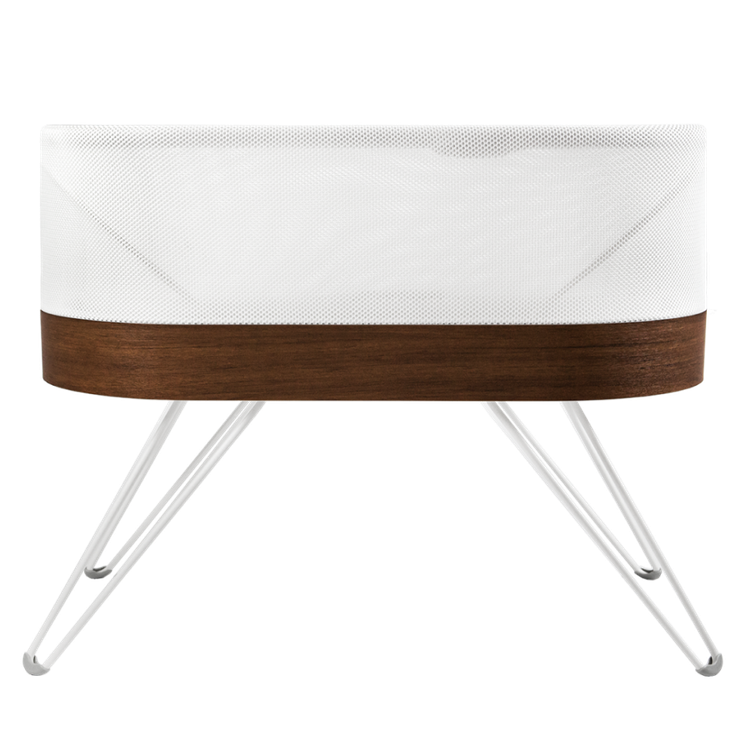
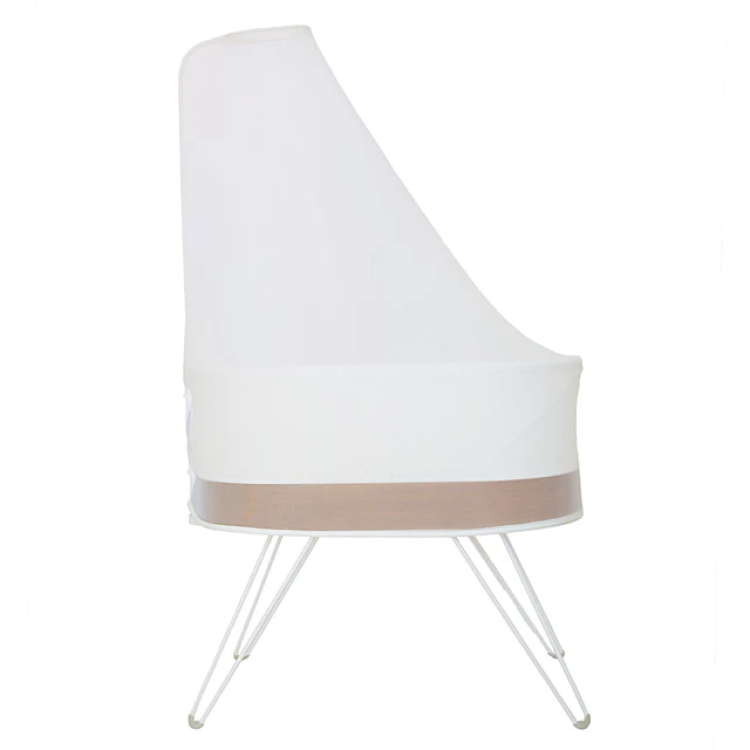
Yes! SNOO not only can guide your baby through the 3-month sleep regression, SNOO may prevent the 3-month sleep regression. SNOO improves your baby’s day/night sleep pattern. Its sound, motion, and swaddle work to flip on your baby’s internal “on switch” for sleep. Plus, SNOO quickly responds to your baby’s uptick in fussing before they fully wake up, which helps everyone sleep better. Even if your SNOO baby does go through the 3-month sleep regression, you can easily get them back on track by “locking” SNOO at a higher sound and motion level. Just like you would rock your baby more vigorously when they’re going through a hard time, leveling SNOO up similarly “ups the ante.” Simply go to the Happiest Baby App, and increase SNOO’s baseline to Level 1 (Purple) or Level 2 (Green) for a few weeks to get your baby back into a better sleep pattern. (Go to Setting, find Preferences, then tick on Motion Start Level and tick off whichever level you’d like SNOO to begin on.)
3-Month Sleep Regression: Final Thoughts
Just because sleep regressions are a natural part of your baby’s development, doesn’t mean sleep regressions are easy! So, don’t forget to 1) go easy on yourself and 2) offer your baby strong sleep cues. Lean into the dummy, which “ can greatly help kids get through sleep regressions,” says Dr. Karp. Make sure your baby’s sleep space is dark and at the just-right comfy-sleep temperature of 20 to 22.2 degrees Celsius. Crank the low, rumbly white noise starting about 30 to 60 minutes before bedtime—and keep it on all night.
Ansvarsfriskrivning: Informationen på vår webbplats är INTE medicinsk rådgivning för någon specifik person eller tillstånd. Den är endast avsedd som allmän information. Om du har några medicinska frågor och funderingar om ditt barn eller dig själv, vänligen kontakta din vårdgivare. Bröstmjölk är den bästa källan till näring för spädbarn. Det är viktigt att mödrar äter en hälsosam, balanserad kost i förberedelse för och under amning. Kombinerad amning och flaskmatning under de första veckorna i livet kan minska tillgången på en mammas bröstmjölk och det kan vara svårt att ångra beslutet att inte amma. Om du bestämmer dig för att använda modersmjölksersättning bör du noggrant följa instruktionerna.

DELA DENNA ARTIKEL
FÖRÄLDRARS VAL
Bästsäljare







Mer om Baby
About Holly Pevzner
Holly Pevzner is Happiest Baby’s Staff Writer. She specializes in creating parenting, pregnancy, health, nutrition, and family travel content. Her work—including essays, columns, reported features, and more—has appeared in outlets such as EatingWell, Family Circle, Parents, Real Simple, and The Bump. Before becoming a full-time writer, Holly held senior staff positions at Prevention, Fitness, and Self magazines, covering medical health and psychology. She was also a contributing editor at Scholastic Parent & Child magazine and a regular kids-health columnist for Prevention and First For Women magazines. Holly lives in Los Angeles with her husband, two boys, and terrier mix.