BABY
What Are Wake Windows?
Timing is everything…especially when it comes to sleep! Here is how to use wake windows to pinpoint your baby’s ideal sleep schedule.

Written by
Happiest Baby Staff

If you have ever Googled anything about Baby sleep—from 'When should my baby sleep?' to 'How do I get Baby on a sleep schedule?'—you have likely encountered the buzzy term 'wake windows.' But what the heck is a wake window? And can understanding wake windows really improve your baby’s sleep? Here, we cut through the noise and deliver all you need to know about baby wake windows.
What are wake windows?
While the term 'wake window' is a modern term, it simply refers to the period of time Baby is awake between sleeps. That is it! A wake window spans from when your baby wakes up to the next time they fall asleep. These days, parents are often advised to keep a keen eye on age-appropriate wake windows, so that perfectly timed nap nirvana can be achieved. The idea being: You do not need to wait for Baby’s sleep cues (like yawning or eye-rubbing) to anticipate a nap. Instead, you learn how long your baby should be awake between sleeps and put them to bed before that wake window slams shut, and you have an overtired baby on your hands.
Baby Wake Windows by Age
So many parents wait for lidded eyes, yawns, or for their little one’s head to slump onto their shoulder to know that Baby is ready for sleepytime…but that may be too late! (Being overtired triggers babies’ fight-or-flight response, which unleashes the hormone cortisol that keeps babies alert.) Ideally, you want your baby to go to bed at—or just before—sleepytime cues emerge. While it is true that many tired babies can sleep anywhere, anytime…others can quickly move from happy alertness to exhausted misery in a blink of an eye. And that is why keeping age-appropriate wake windows in mind can help sidestep overtired sleep struggles.
Dr. Harvey Karp’s Wake Window Guide
- Newborn: 45 to 60 Minutes
- 1 to 2 Months: 1 to 2 Hours
- 3 to 4 Months: 75 Minutes to 2.5 Hours
- 5 to 7 Months: 2 to 4 Hours
- 8 to 10 Months: 2.5 to 4.5 Hours
- 11 to 14 Months: 3 to 5 Hours
- 15 to 24 Months: 4 to 6 Hours
![[object Object]](https://cdn.sanity.io/images/301lhh0a/production/ba927d2c2e2548d50414d79d5c7b2e97edf96b9b-350x350.jpg?w=750&auto=format&q=75&fit=max)
How do wake windows help a baby sleep?
Wake windows are a great addition in your baby’s good-sleep toolbox. It can be incredibly helpful to have some sleep expectation! But know that some babies are very predictable (like they were born with a little clock inside their brains), and others have a much less predictable sleep rhythm from day-to-day. Some will barely make it to the low-end of the window, while others may happily eke out more awake time than average. With that in mind, here is how to best use wake windows:
- Watch the clock: Once your baby is awake, start the proverbial timer for their age-appropriate wake window.
- Look for sleepytime signs: The goal is to get your baby down for a nap or night-night before they get overtired. So, once the wake window is nearing an end, look out for signs Baby is sleepy, like reduced activity, yawning, staring, blinking, and/or eye-rubbing. Remember: Watch the clock and your baby!
- Put baby down: As soon as your baby exhibits signs of sleepiness, it is time for bed!
- Keep track: Write down when those telltale sleepy signs first emerged…and then put your baby down about 5 minutes earlier for their next nap. Remember: The ultimate goal is to get Baby to bed before tired signs show. (Here is how to best track your baby's sleep.)
- Adjust: If your baby takes a short nap (we are talking less than an hour), then their next wake window will shrink. On the flip side, if Baby takes an extra-long snooze, their next wake window should be longer. For instance, if your baby often goes to bed in the middle of their wake window, they should be put down early in the window after a short nap and later in the window after a long nap.
If you are still a little confused, this may help: Say you have got a 4-month-old who just woke from their late morning nap. Start counting the wake window ASAP. (Wake windows begin as soon as your lovebug wakes—not after nursing or bottle feeding.) Using the chart above, you know that your baby will likely be awake between 75 and 120 minutes before they are ready to go down again. That means, just before you hit the 75-minute mark, start paying extra attention to your little one’s 'I’m tired' cues. If your baby yawns at, say, the 90-minute mark, put your baby to bed immediately…and then make a note that your little one should be put to bed about 85 minutes after being awake the next go-round.
What are signs Baby is tired?
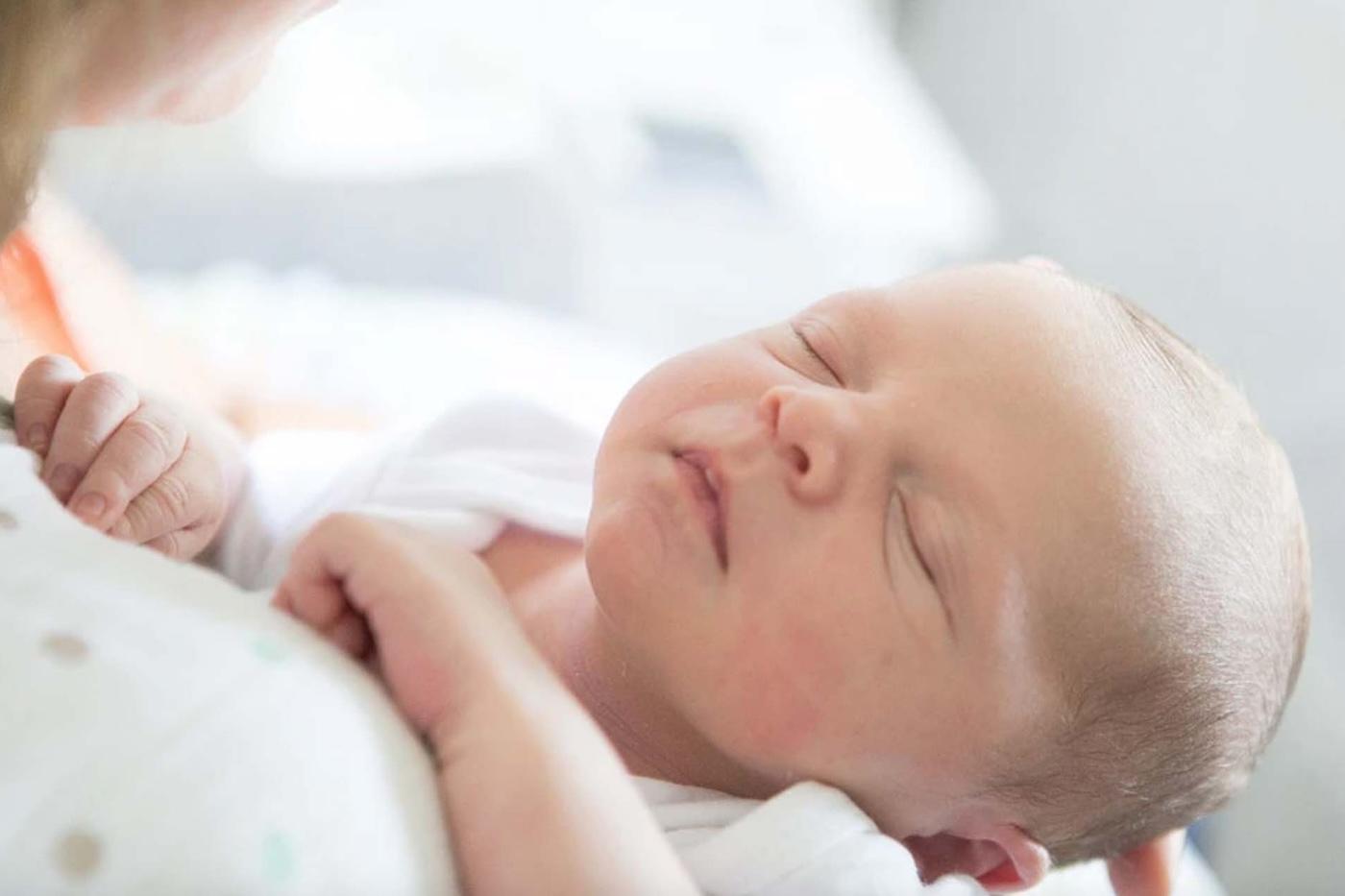
A baby’s sleep cues and wake windows work hand-in-hand. Once you start to recognise the signs that your little one is tired and nearing the close of their wake window, you are better equipped to get Baby to bed at the ideal time. Here are some early signs your baby is sleepy:
- Eye rubbing
- Looking away
- Reduced activity
- Staring
- Blinking
- Droopy eyelids
- Yawning
- Pulling at ears Pulling at ears
And here are some later signs that your baby is tired:
- Baby’s cries are not settled with a feed
- Fussing
- Arched back
- Sweating
Sweating
Will wake windows solve my baby’s sleep issues?
Paying attention to your baby’s unique rhythms in the context of wake windows is a great addition to your baby’s good-sleep tool chest…which should include the time-tested 5 S’s for soothing babies for great sleep:
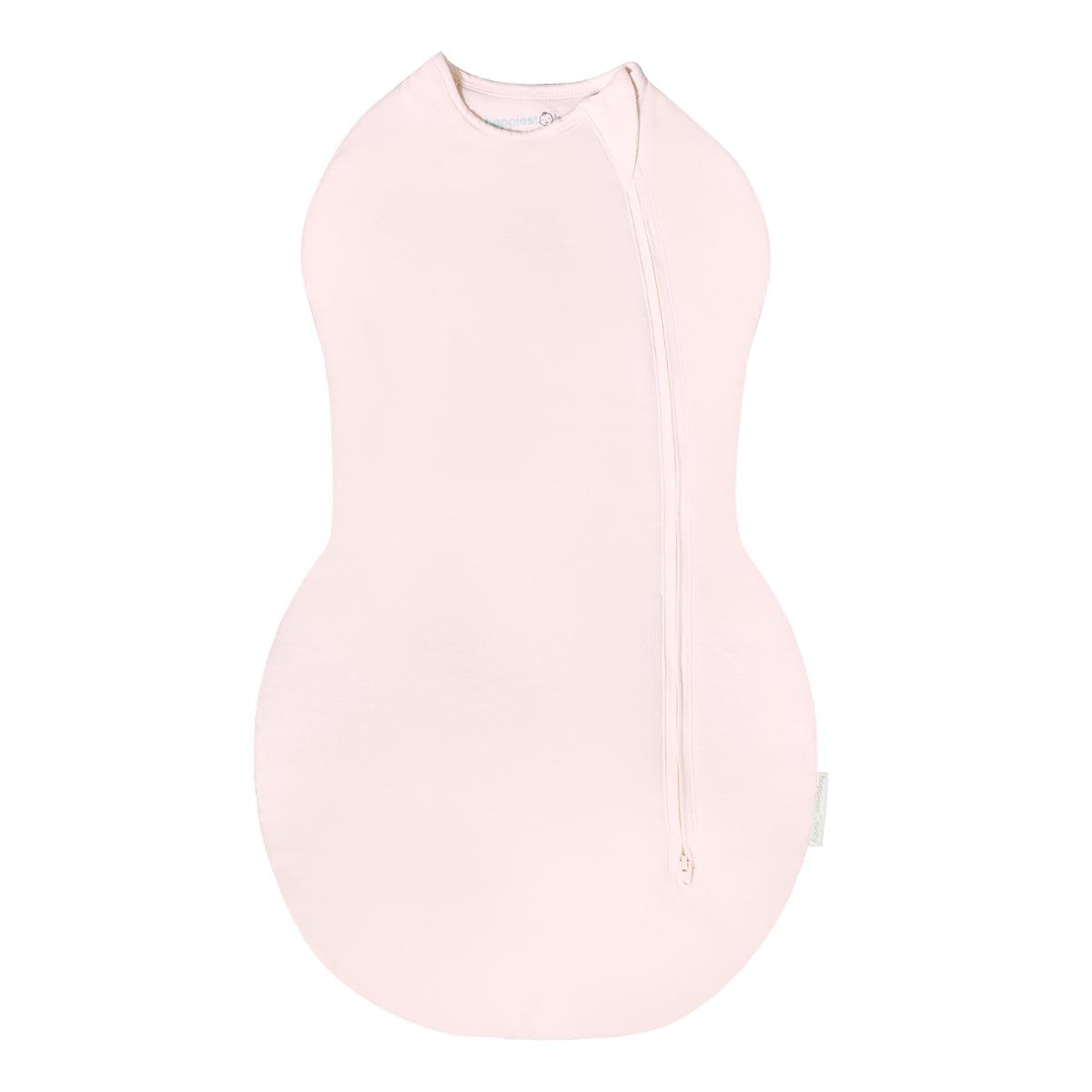
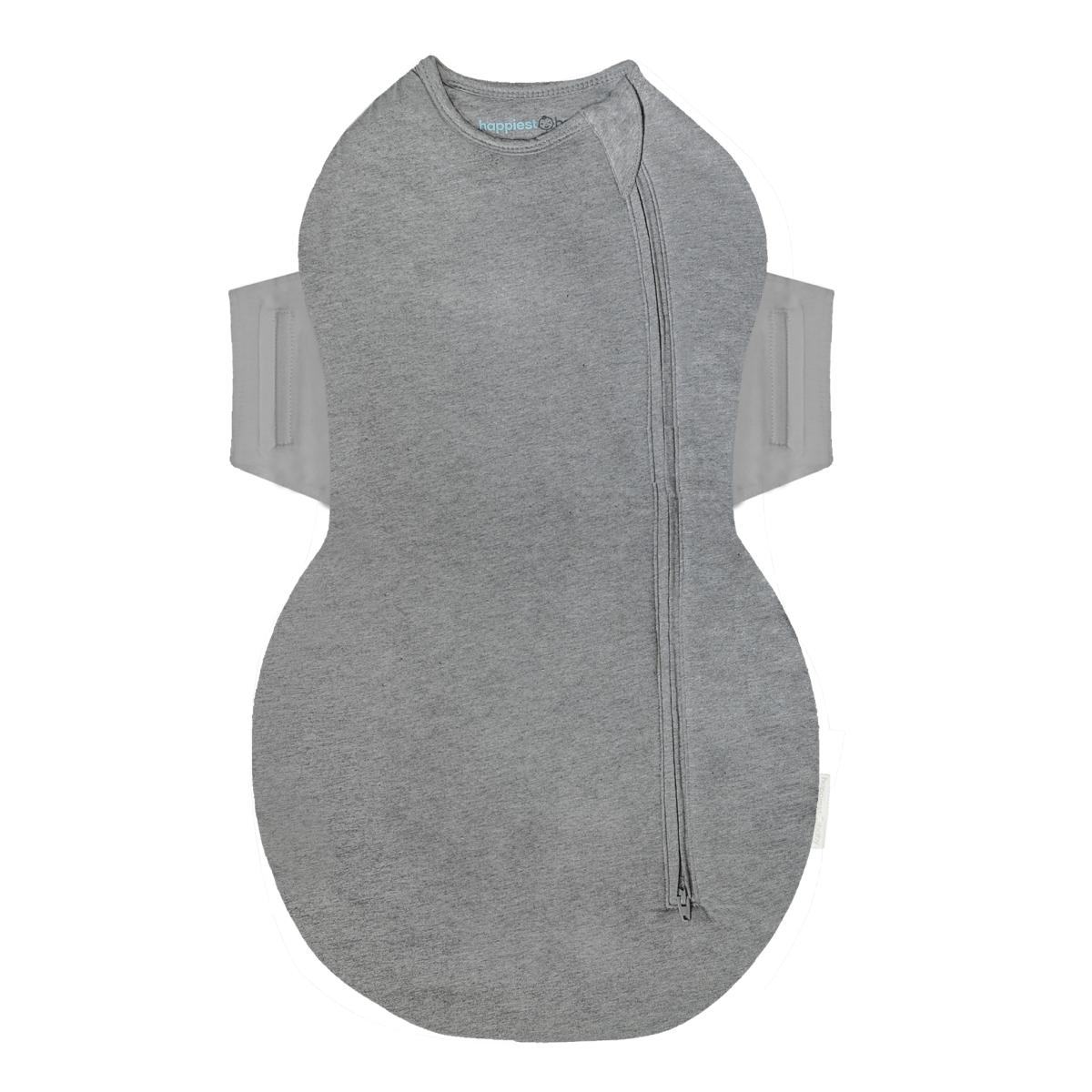
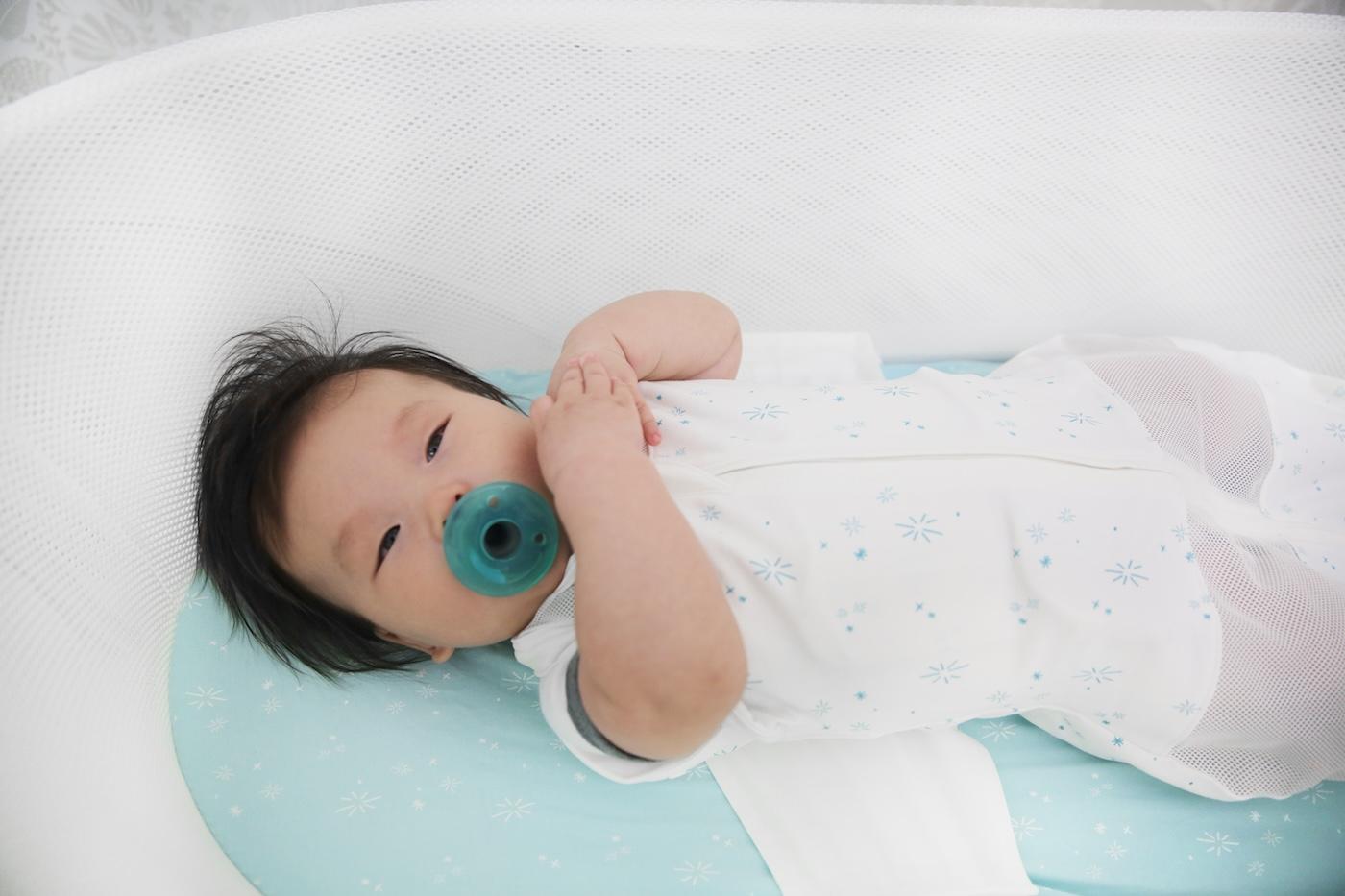
- Swaddling: Wrapping your baby like a mini burrito before bedtime recreates the snug feeling Baby adored inside the womb. Not only does swaddling decrease the startling reflex, it helps babies respond faster to other soothing techniques, which increases their sleep.
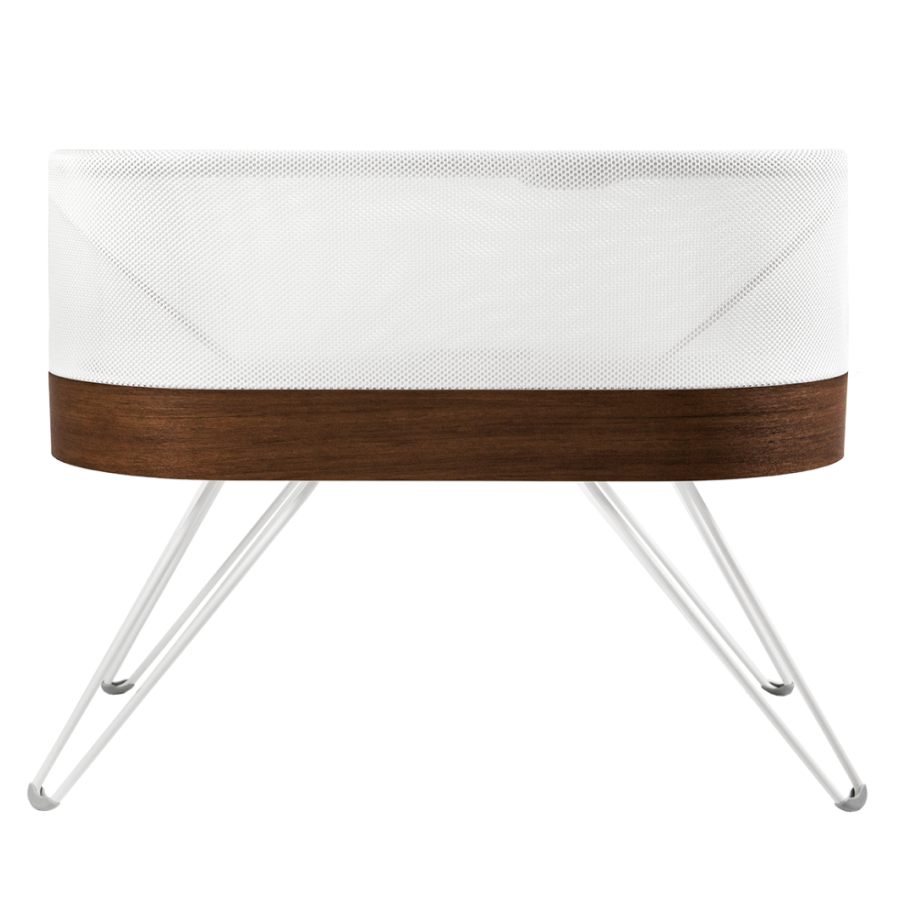
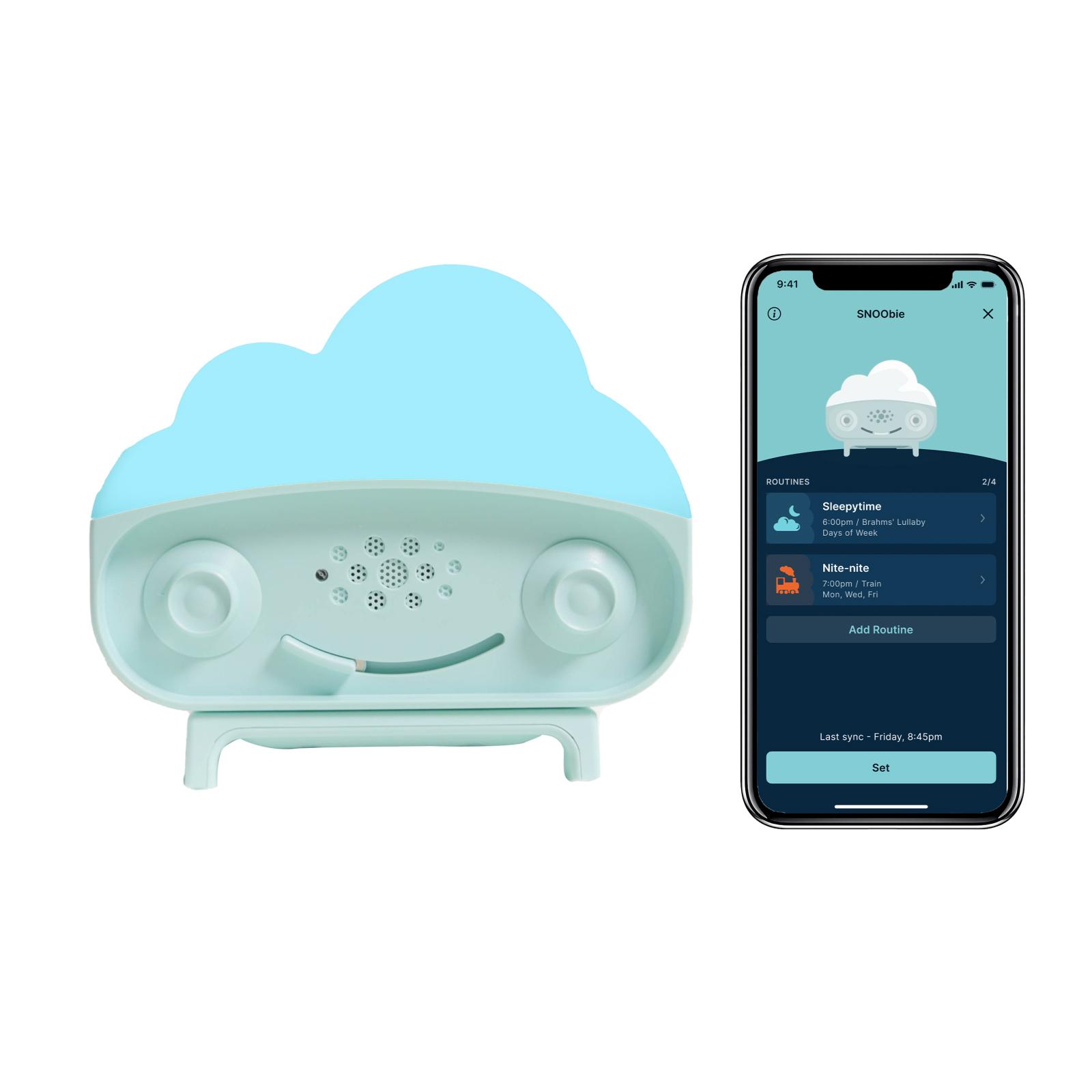
- Shushing: Before your baby was born, they were soothed by the constant muffled sounds they heard in the womb…and they still are! To recreate those calming sounds, use a low rumbly white noise. (SNOO, SNOObear, and Happiest Baby’s MP3 each contain specially-engineered white noise sounds to calm fussing and aid sleep.)
- Swinging: Life in the womb is very jiggly! And that is why slow rocking is perfect for keeping quiet babies calm and fast, tiny motions is spot-on for soothing a crying infant mid-squawk. Of course, your baby should never nap on a baby swing! Their little head can flop forward, possibly obstructing their airway, causing suffocation. If left unrestrained, they may also roll over and asphyxiate. (SNOO is the only smart rocking bassinet that keeps babies on their backs for safe all-night rocking.)
- Side or Stomach Position: Holding your little one on their side, stomach, or over your shoulder is a fantastic position to mellow your baby before you place them safely on their back for sleep.
- Sucking: Sucking works to lower a baby’s heart rate, blood pressure, and stress levels…which all leads to better sleep. If breastfeeding, feel free to introduce a bedtime pacifier once nursing is well established.
Disclaimer: The information on our site is NOT medical advice for any specific person or condition. It is only meant as general information. If you have any medical questions and concerns about your child or yourself, please contact your health provider. Breastmilk is the best source of nutrition for babies. It is important that, in preparation for and during breastfeeding, mothers eat a healthy, balanced diet. Combined breast- and bottle-feeding in the first weeks of life may reduce the supply of a mother's breastmilk and reversing the decision not to breastfeed is difficult. If you do decide to use infant formula, you should follow instructions carefully.


SHARE THIS ARTICLE
PARENT PICKS
Bestsellers