BABY
An Age-by-Age Guide to Your Baby's Naps
A guide to your baby's ideal nap schedule.

Scritto da
Dr. Harvey Karp
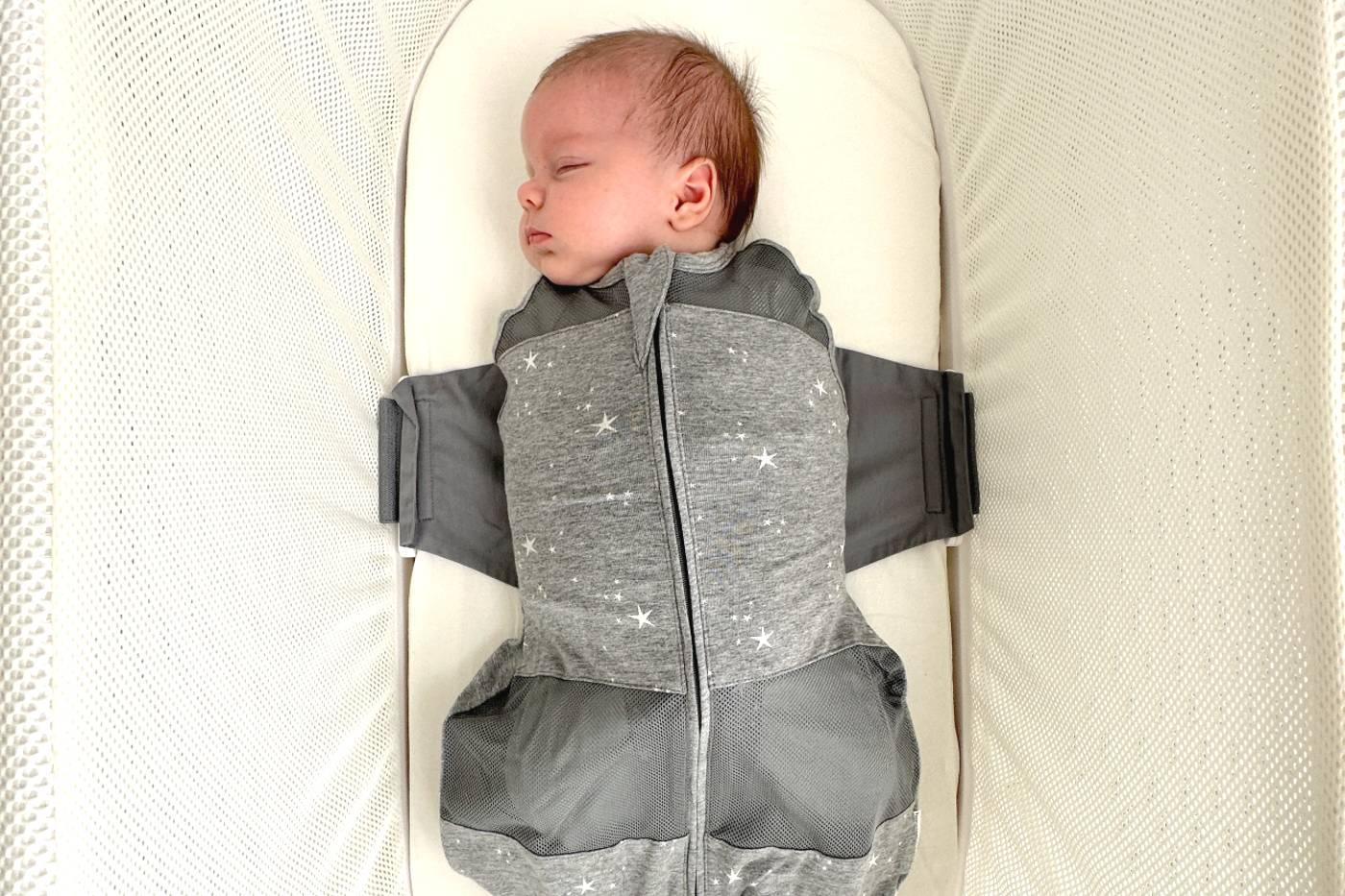
If I were to create an symbol of the early years of childhood, it would be a picture of a precious baby innocently napping. That’s because babies are designed to nap! In fact, they simply cannot tolerate being awake as long as adults—or even older children. Babies are learning and developing so much in the early days and months. Naps are needed to help their little bodies and brains need naps to bolster their immune system, process new skills and experiences, consolidate memories, and improve motor development, vocabulary, attention, and mood! Plus, when babies sleep well during the day, they sleep better at night. The key, of course, is making sure babies get the daytime ZZZs they need! Here’s what to expect from your baby’s naps—and how to help them on their journey to dreamland.
Baby Naps Schedule: 0 to 3 Months
Newborns sleep a lot! In fact, babies up to 2 months old sleep about 14 to 18 hours a day. But their sleep tends to be in fits and starts, waking throughout the day to feed. So, your little one might take 30- to 60-minute naps…or they might be in the land of ZZZs for 3 hours! Right now, babies are still too young for a solid nap schedule, but it’s still important to keep your newborn’s daytime wake/sleep cycle in mind. Newborns are generally awake for between 45 to 60 minutes before needing a nap. For babies between 1 and 2 months old, that wake window opens a bit wider, landing between one and two hours.
By 3 months old, your little one should have three regular and predictable naps: late morning, mid-afternoon, and a short one in the late afternoon/early evening. You’ll probably organise them into a flexible schedule to help you plan your day and give your child the routine they crave. (After the first months, a good nap goal is to put your baby down about every two to three hours during the day.)
Nap Tips for 0- to 3-Month-Olds
Give your newborn the 5 S’s. Your infant will nap much more soundly if you lean into swaddling and shushing (white noise), which are two of the 5 S’s for soothing babies that turn on your little one’s calming reflex, which is their “off switch” for fussing and “on switch” for sleep. The gentle embrace of a swaddle mimics the security of the womb, decreases startling, and increases sleep. Meanwhile, white noise copycats comforting womb sounds, helping 80% of babies fall asleep in just five minutes.
Consider SNOO. SNOO Smart Sleeper uses three of the 5 S’s, offering a safe swaddle, plus responsive white noise, and motion in one bassinet, which helps babies fall asleep faster and sleep longer. (Up to 2 hours longer!)
Wake your baby from too-long naps. Starting at 2 months old, if your baby’s naps inch past the two-hours mark (roughly), it may be a good idea to wake them for a feeding. While waking a sleeping baby seems like a big no-no, long naps mean less eating during the day, making babies hungrier at night!
Ignore most baby noises! Babies this age enter a light sleep about every hour, making them more prone to briefly waking and making short moans or squawks. Try your best to tune these out and let your baby nap! (Learn more about deciphering your baby’s sleep sounds.)
Baby Nap Schedule: 4 to 6 Months
By the time your baby is 4 months old, they will have finally sorted out their days and nights, which makes napping—and night sleeps—a bit easier. However, their blossoming development and shifting sleep cycle may introduce a temporary sleepytime speed bump called the 4-month sleep regression. It’s marked by an increase of fussiness, appetite changes, more night-waking…and less napping. Again, this is just a temporary blip!
Many 4-month-olds are still taking three naps a day (totaling roughly 4 to 6 hours of daytime sleep), and their wake windows are about 2 to 4 hours. As they inch closer to 6 months old, that schedule may begin to morph into two daily naps, totaling roughly 3 to 5 hours of daytime ZZZs. (The late afternoon nap is the one you’ll wave bye-bye to.)
Nap Tips for 4- to 6-Month-Olds
Encourage self-soothing. When you put your baby down for a nap, make sure their eyes are open. If they’ve already fallen asleep in your arms, just give your baby a little jostle when you deposit them in the bassinet. After a few seconds, your baby will close their eyes again and slide back to sleep. Those few seconds of drowsy wake-time are the first steps to helping your baby learn how to self-soothe and sleep longer. This is called the wake-and-sleep technique.
Keep naps from going too long. Continue to limit naps to two hours in duration (more or less)—especially when you are weaning your child off the late afternoon nap. (Many babies begin to drop this nap between 5 and 6 months old.) Naps over three hours definitely reduce nighttime sleep!
Continue with white noise. Even as a baby’s natural calming reflex begins to fade around 4 months, they still expect white noise at naptime! When they hear that telltale sound, they know it means sleepytime is here.
Keep swaddling if you can. The soft, snug caress of a swaddle can still soothe your baby for hours! Once your baby can roll, however, swaddling needs to stop. But if your little one is sleeping in SNOO, they can remain safely wrapped up to 6 months while in the bassinet.
Act before the yawn! Don’t wait for lidded eyes, yawns, or your little one’s head to slump to know they’re ready for a nap. Ideally, you want to put your baby down for a nap at—or just before—those sleepy cues start. (Track your baby’s behaviour for a few days to zero in on the ideal naptime.)
Baby Nap Schedule: 7 to 12 Months
Sometime during the second half of your baby’s first year, your little one will have shifted down to just two naps a day. Typically, the naps last one hour—two hours, max—but some kids are cat-nappers who pop back up to play after just 30 minutes! Most parents find that the two-nap schedule makes keeping to a regular schedule—the timing and duration of the naps—much easier. To help keep timing right, know that babies this age typically can comfortably stay awake between 2.5 to 4 hours. Warning: At around 9 months, some babies experience another sleep regression where they suddenly resist naps.
Nap Tips for 7- to 12-Month-Olds
Rethink bedtime. If your baby typically naps longer than 2 hours at a time, if they’re grumpy, irritable, and regularly takes unexpected naps in the car or stroller, their bedtime is likely too late. The solution? Push your baby’s bedtime routine 15 minutes earlier every two to three nights to nail the right bedtime—and resolve naptime challenges.
Don’t rush to drop a nap! Most babies drop the second nap between 12 and 24 months. Some drop the morning nap, others phase out the afternoon nap…and some tricksters go back and forth! Before plowing ahead, get familiar with signs your baby is ready to drop a nap.
Adjust nap time, if needed. If you suspect your baby resists napping because they’re overtired, try putting them down 20 minutes earlier. Many babies do better if their naptime is after two or three hours of play—even if they don’t seem sleepy.
Offer a comfort object. Once your baby is 12 months old, allow them to “co-sleep” with a lovey! Loveys are fantastic nap and nighttime sleep helpers, offering tots much-needed comfort, confidence, and security. (SNOObear does double duty as a lovey and a white noise machine!)
Avvertenza: Le informazioni presenti sul nostro sito NON sono consigli medici per alcuna persona specifica o condizione. Sono solo intese come informazioni generali. Se avete domande o preoccupazioni mediche riguardo vostro figlio o voi stessi, si prega di contattare il vostro fornitore di assistenza sanitaria. Il latte materno è la migliore fonte di nutrizione per i neonati. È importante che, in preparazione e durante l'allattamento al seno, le madri seguano una dieta sana ed equilibrata. L'allattamento misto (seno e biberon) nelle prime settimane di vita può ridurre la produzione di latte materno e la decisione di non allattare al seno può essere difficile da invertire. Se decidete di utilizzare il latte artificiale per neonati, dovreste seguire attentamente le istruzioni.
Principali notizie






CONDIVIDI QUESTO ARTICOLO
SCELTE DEI GENITORI
Bestseller