BABY
Baby Sleep Mistakes You Did Not Know You Were Making
Help—and more ZZZs—are on the way!

Scritto da
Happiest Baby Staff
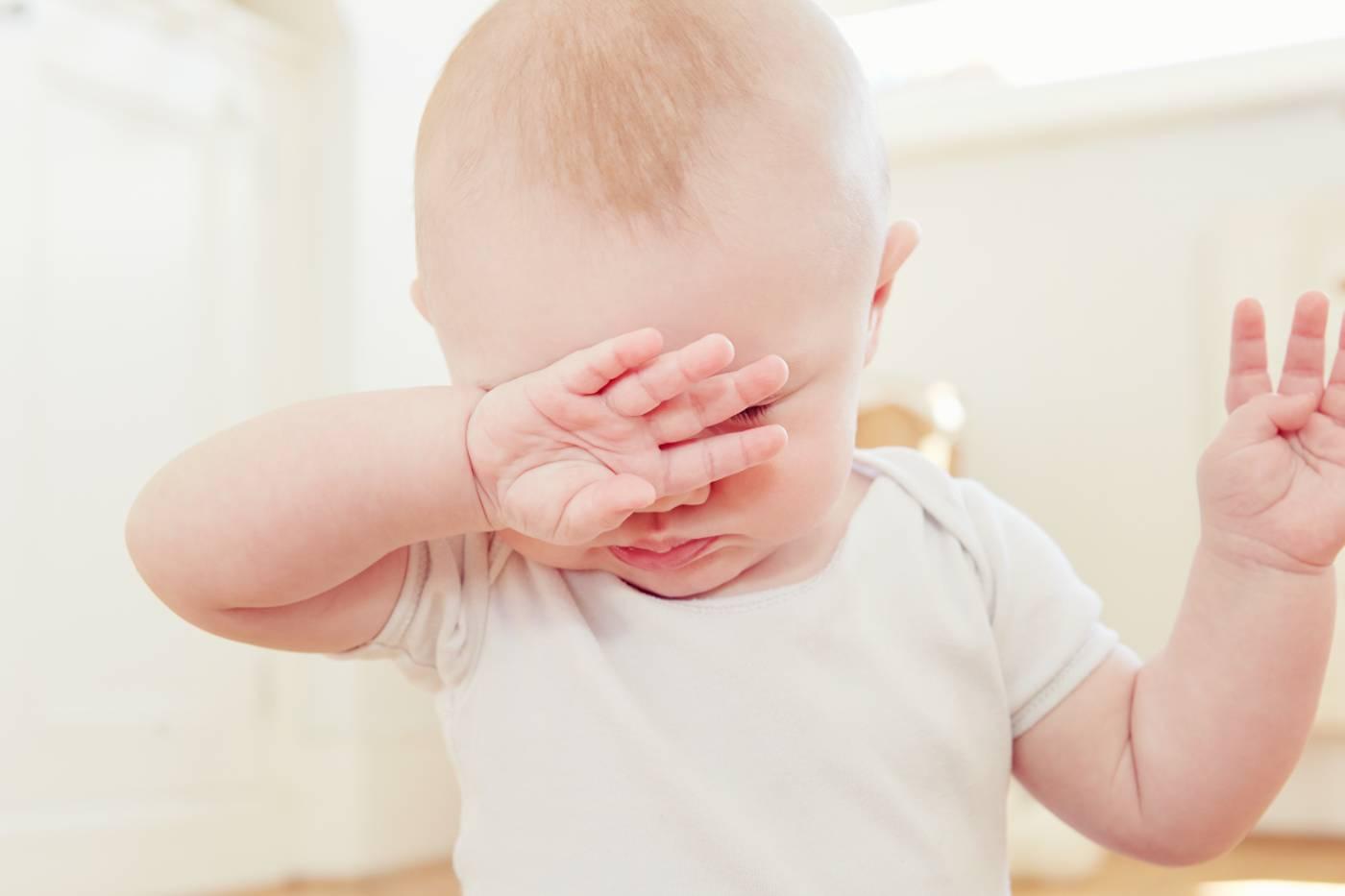
Every parent makes mistakes, right? Some, like buying the wrong size nappies, are pretty easy to spot and fix. Mistakes surrounding your baby’s sleep, however, tend to be less obvious. After all, you are new to this whole parenting thing. How are you supposed to know a sleep cue from a hunger cue or a good nap from one that will sabotage your night? For help, turn to this guide, designed to help you understand some of the most common baby sleep pitfalls—and how to avoid them.
Baby Sleep Mistake #1: Sleeping in Silence
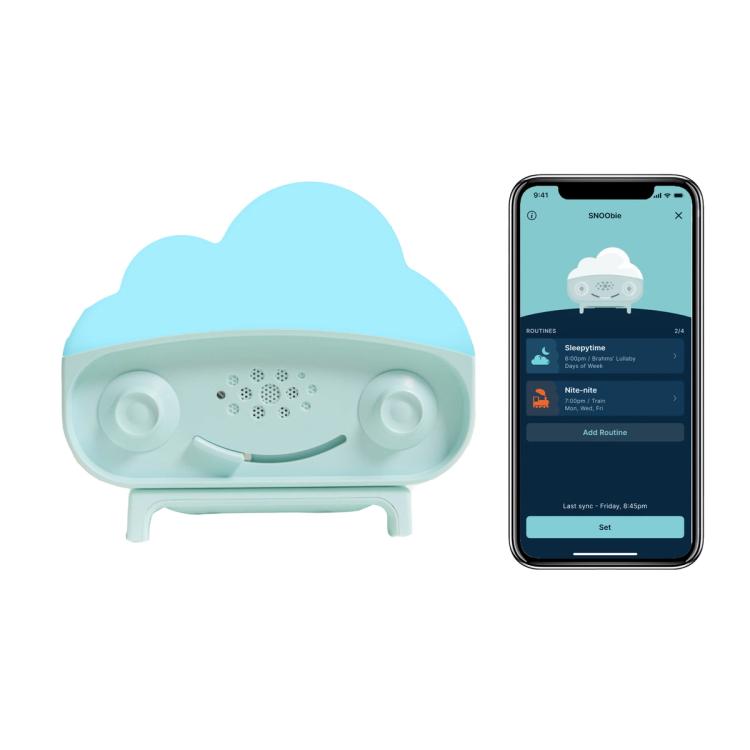
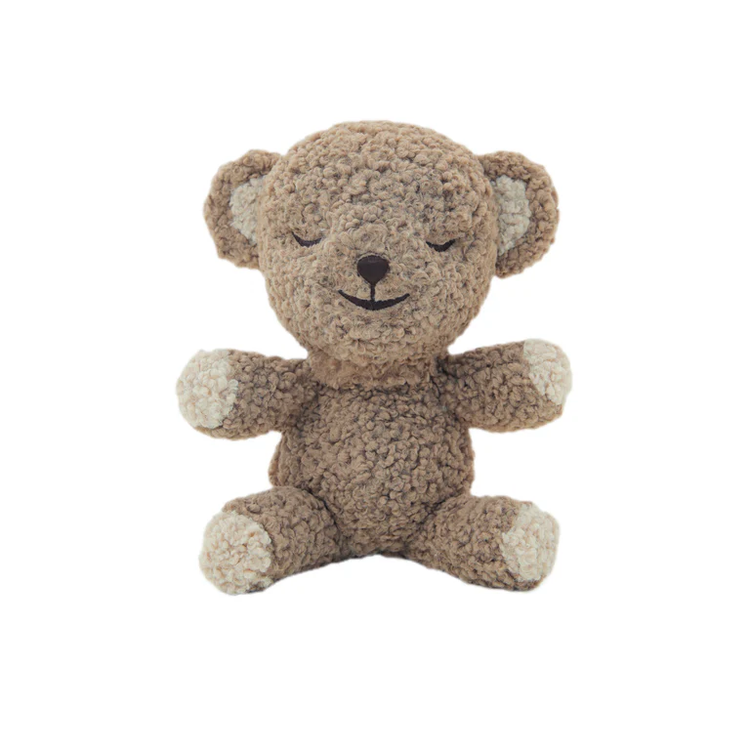
Babies do not need complete silence to sleep. In fact, they crave noise—white noise, to be exact. Low, rumbly white noise is the closest replica to the constant soothing sounds your bub heard in the womb. The familiar shower-like sound of white noise helps activate your baby’s calming reflex, which is their inborn “off switch” for fussing and “on switch” for sleep. That is also why white noise, aka Shushing, is an essential element of the renowned 5 S’s for calming babies. For the just-right sleep sounds, turn on a pediatrician-designed white noise machine, like SNOObear or SNOObie, during your baby’s wind-down time, and keep it on throughout sleep for peaceful ZZZs. (Learn more about how white noise can help your baby sleep.)
Baby Sleep Mistake #2: Ditching the Swaddle Too Soon
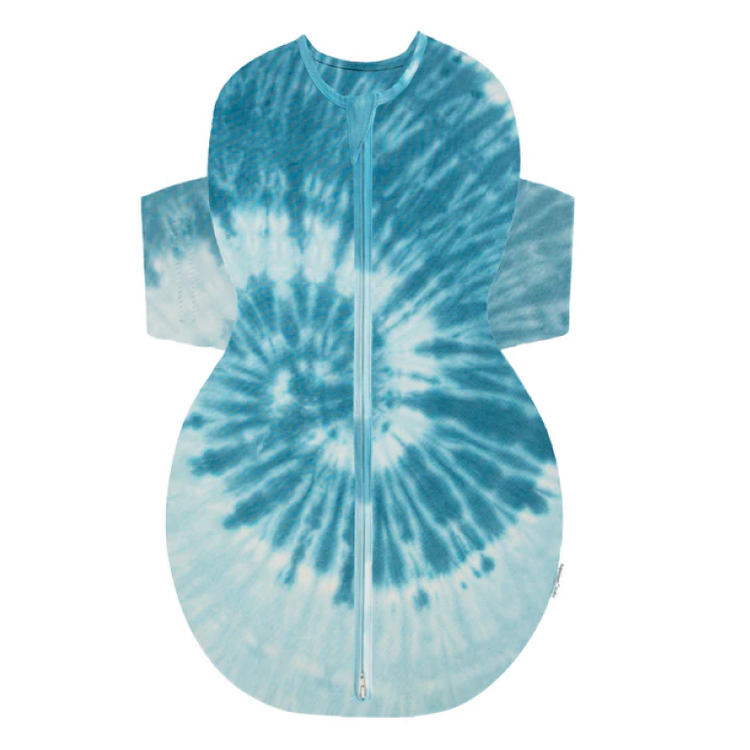
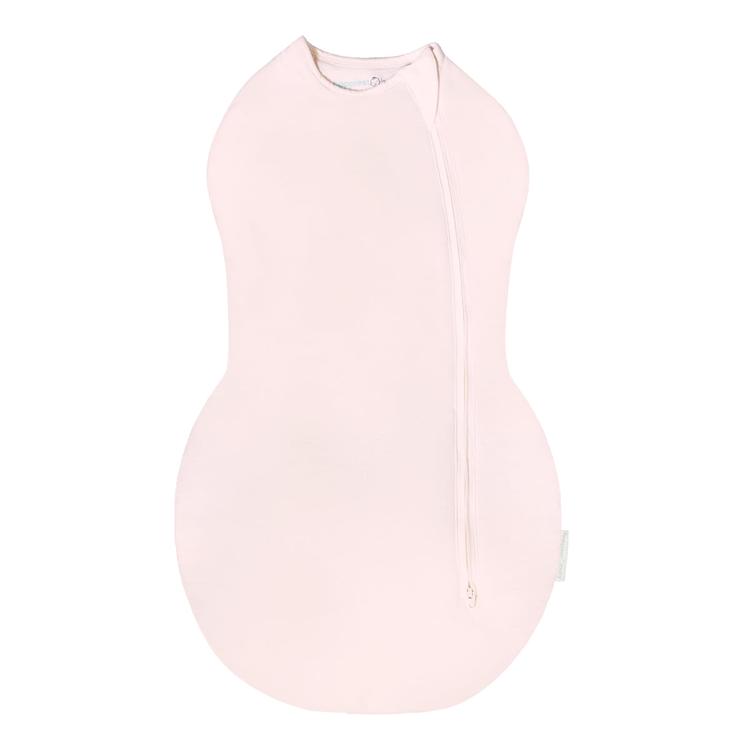
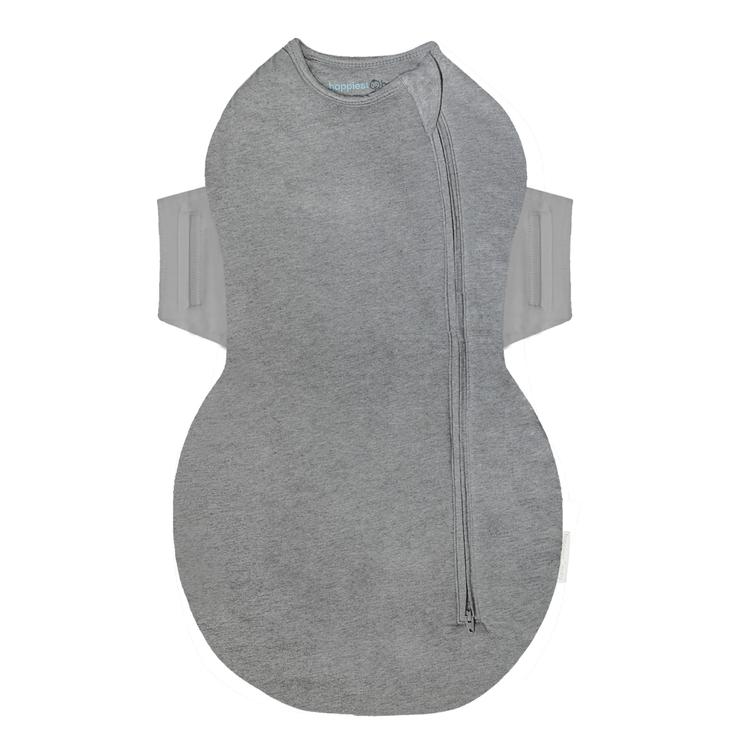
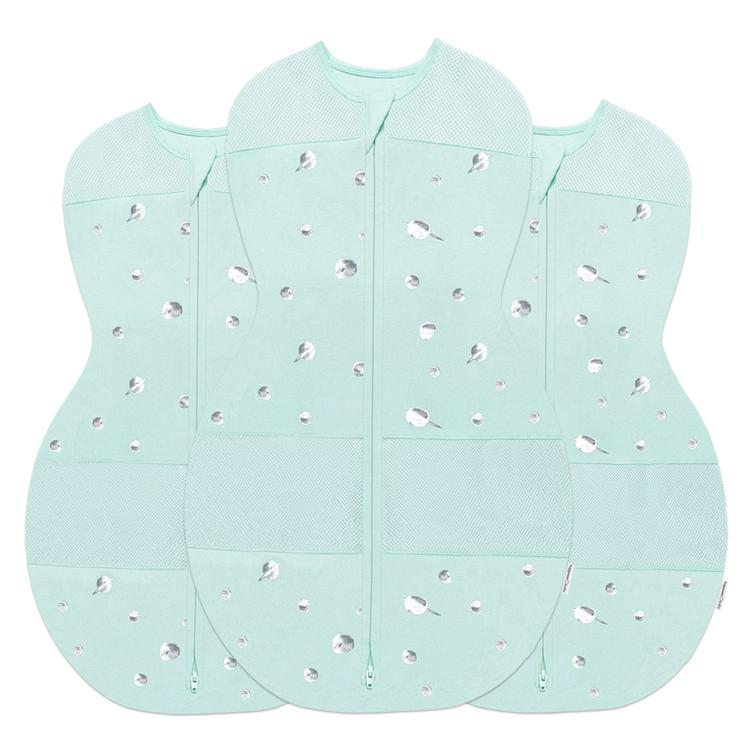
Swaddling is another key component of the 5 S’s for soothing babies. Its snug hug mimics the warm embrace your little one experienced in the womb. It also keeps your infant’s flailing arms from waking them up! If your baby breaks out of the swaddle or fusses, however, do not take that to mean they dislike it! Instead, rethink your swaddling technique. For example, the perfect arms-down swaddle leaves just enough room to sneak a couple of fingers between the blankets and your baby’s shoulders. Other musts: Your swaddle should be a lightweight cotton, about a 120 centimeter-square, and should not tickle your baby’s cheek when wrapped. To sidestep any would-be swaddling mistakes, swap the traditional swaddle blanket for the award-winning Sleepea 5-Second Swaddle, which was voted Best Swaddle by The New York Times, Best Easy Swaddle by Babylist, and Easiest Swaddle to Use by What to Expect. The best part: This 100% organic cotton swaddle featured special inner flaps that expertly keep mini escape artists securely wrapped. (Learn more about selecting the perfect swaddle.) Just keep in mind that once your baby shows signs of rolling, it’s no longer safe to swaddle them arms down (the exception is SNOO babies—SNOO’s special swaddle was designed to be used safely as long as babies are in SNOO!)
Baby Sleep Mistake #3: Over-Bundling Your Baby
“Infants are not great at regulating their core temperature,” says Dr. Harvey Karp, paediatrician and author of the bestselling The Happiest Baby on the Block. “For one, their body temperature rises much faster than yours. Plus, babies sweat less, which greatly reduces their ability to cool down.” You will know your baby is too hot if their ears are red and hot—and their neck is sweaty. To help prevent overheating, always dress your baby in breathable, natural fibres for sleep, like organic cotton—not sweaty, stuffy synthetics, like fleece. In warm weather, select a short-sleeve bodysuit and a lightweight swaddle with a TOG rating less than or equal to 1.0 TOG. In cooler weather, go for a long-sleeve bodysuit or footie pyjamas and a cotton swaddle. When it is chillier, use a lightly insulated swaddle with a TOG between 2.0 and 3.5, like the breathable cotton Comforter Sleepea or SNOO Comforter Sack. Never allow your baby sleep with a hat or with loose bedding before 12 months, either. And no matter the season, set your baby’s room temperature between 20 and 22.2 degrees Celsius. (Learn how overheating can contribute to SIDS.)
Baby Sleep Mistake #4: Skipping the Bedtime Routine
Babies are very receptive to a regular bedtime routine starting at around 2 months. “Little ones thrive with familiar and predictable bedtime routines, and often their parents do, too,” says Dr. Karp. Your infant’s bedtime routine is actually pretty simple: Dim the lights 30 to 60 minutes before night-night, turn on rough and rumbly white, swaddle, and then feed your baby. Finally, offer a dummy and rock your little one off to dreamland before laying them in their cot or bassinet. Feel free to incorporate other soothing activities, like a warm bath, a loving baby massage, and/or soft lullabies, too. As your infant gets better at remembering patterns, all these sleepytime cues signal that slumber is near. They think, Ahh, my swaddle and the shushing…I feel tired already. (Worried that rocking your baby will become a crutch? Learn Dr. Karp’s take.)
Baby Sleep Mistake #5: Napping Too Long
If your baby is a marathon napper, interrupting their daytime ZZZs might be the best thing for their (and your) evening sleep. “While it is painful to wake a sleeping baby, it is important to do so if your little one is still in dreamland at the two-hour mark,” says Dr. Karp. “Long naps mean less eating during the day...and that leads to more hunger—and more waking—at night.” If you are unsure about nap timing, Dr. Karp recommends putting your baby down after 1.5 to 2 hours of awake time. By your baby’s first birthday, naptime should roll around every three to five hours. (Learn about more naptime pitfalls to avoid.)
Baby Sleep Mistake #6: Missing Sleepytime Cues
The tricky thing about sleepytime cues, like yawning, staring, blinking, and eye-rubbing, is that they signal that your baby is dangerously close to being overtired. Being overtired triggers your baby’s fight-or-flight response, which unleashes the hormone cortisol that will keep them wired even longer! That means, the goal is to get your baby down for a nap or night-night before you spot these tired tell-tales. While this seems like an impossible task, it is not. Here is how to mindread your baby:
- Once your baby wakes for the day, note the time and then consult this wake windows chart to anticipate when they will get sleepy again.
- When your baby wake window begins to close, watch for sleepytime signs.
- Put your baby down as soon as sleepy signs appear. Yawning or rubbing, averting, or blinking the eyes are all clues.
- Write down when the sleepy signs first emerged then put your baby down about 5 minutes earlier for their next nap.
Baby Sleep Mistake #7: Delaying Bedtime So Your Baby Sleeps In
Ignoring your child’s natural rhythms in the hopes of a later start to your day tends to backfire. “Overtired children simply do not sleep as well as rested children,” says Dr. Karp. “Rather than winding down, they get wound up at bedtime, which leads to bedtime resistance and actually causes your child to wake when they enter one of their light stages of sleep in the middle of the night.” If your little one is waking up extra early in the morning, a better strategy would be to put your baby to bed earlier. Dr. Karp recommends starting the bedtime routine 15 minutes earlier every two to three nights until you settle on a bedtime that works for your little one. (Discover signs that your bub’s bedtime is either too early or too late.)
Baby Sleep Mistake #8: Soothing Too Soon
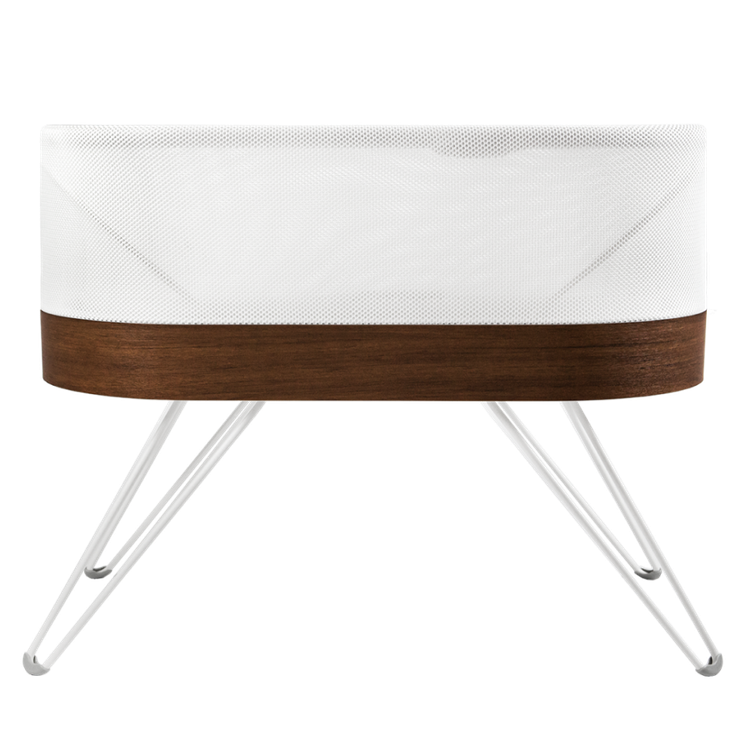
All the squeaks, groans, and whimpers you hear coming from your baby’s bassinet does not mean your baby needs you to settle them back down! Your little one’s sleep cycle lasts less than 60 minutes, which means your sweet pea enters light sleep about every hour. During this every-hour transition, your baby likely moves around, lets out a bunch of short moans or squawks, and even briefly wakes up. Even when they are not entering a new sleep stage, up to half of their sleepytime is spent in REM sleep, which is marked by lots of eye-fluttering, wiggles, squirms, and vocal outbursts. What is a parent to do? The answer: Nothing…for a bit, anyway. Allow your little one the time and space to venture through their sleep cycles on their own. If your baby is a SNOO baby, allow SNOO to do its thing. SNOO’s gentle rocking and soothing white noise will help glide your bub right back to dreamland. Do not worry, you will know when your baby truly needs you! Babies are not shy and they for-sure do not snooze through hunger. (Learn more about noisy baby sleep.)
Baby Sleep Mistake #9: Creating Sleep Crutches
If you scroll through enough parenting TikTok or Instagram, you will start to think anything that helps your baby sleep is a crutch! But there is a big difference between a sleep crutch and a positive sleep cue. “A good sleep cue helps your baby fall asleep fast—and stay asleep longer—yet they are easy to use, require little effort on your part, and are easy to wean,” says Dr. Karp. “A negative sleep crutch, on the other hand, may get your baby to sleep, but it is inconvenient, very demanding on you, and difficult to wean.” For instance, if you need to pat your little one’s tum-tum for 30 minutes each time they rouse, that is a bad sleep cue. An example of a good sleep cue is white noise. It is proven to help babies and big kids sleep, it is easy-peasy, and it is no trouble to wean from (though there is no need to stop what is working). Simply lower the sound gradually, bit by bit, over a week or two until it is finally off.
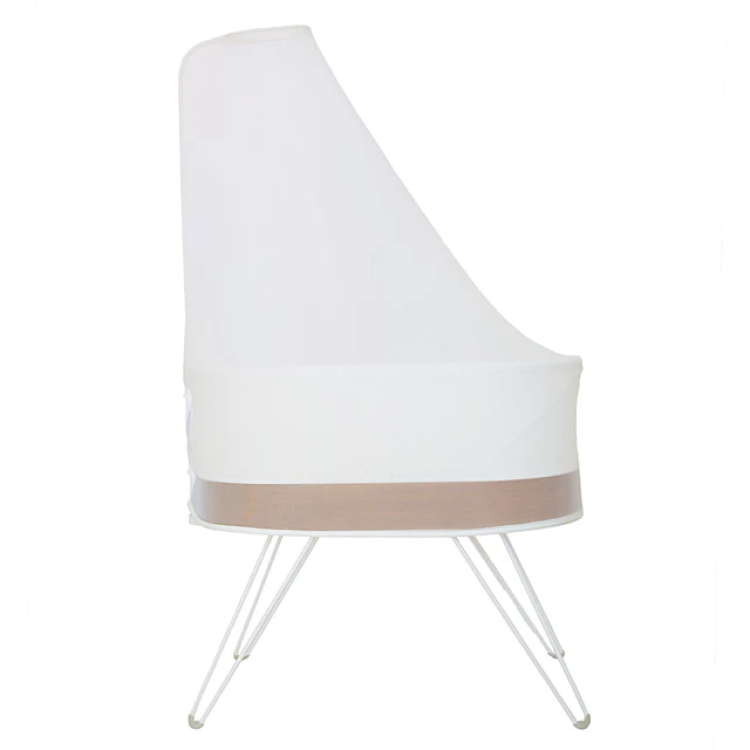
You may be asking: Is SNOO a sleep crutch? It is not! That is because SNOO is all about good sleep cues. Remember, those are cues that help your baby fall asleep quickly, allow them to sleep longer, are easy to use, require little effort on your part, and are not difficult to wean. Babies naturally outgrow their desire to rock by 6 months old, and SNOO sets your baby up for transition success with its Weaning Mode (which plays soothing sounds, but no motion, unless your baby cries) and the arms-out option on SNOO Sack.
More on Baby Sleep
- The Golden Moment to Put Your Baby to Bed
- Common Baby Sleep Myths—Debunked!
- Daytime Habits for Better Nighttime Sleep
- Best Newborn Sleep Tips From Dr. Harvey Karp
- Do Not Get Blindsided by the 3- to 4-Month Sleep Regression
Avvertenza: Le informazioni presenti sul nostro sito NON sono consigli medici per alcuna persona specifica o condizione. Sono solo intese come informazioni generali. Se avete domande o preoccupazioni mediche riguardo vostro figlio o voi stessi, si prega di contattare il vostro fornitore di assistenza sanitaria. Il latte materno è la migliore fonte di nutrizione per i neonati. È importante che, in preparazione e durante l'allattamento al seno, le madri seguano una dieta sana ed equilibrata. L'allattamento misto (seno e biberon) nelle prime settimane di vita può ridurre la produzione di latte materno e la decisione di non allattare al seno può essere difficile da invertire. Se decidete di utilizzare il latte artificiale per neonati, dovreste seguire attentamente le istruzioni.
Principali notizie






CONDIVIDI QUESTO ARTICOLO
SCELTE DEI GENITORI
Bestseller