BABY
8-Week-Old Baby Milestones
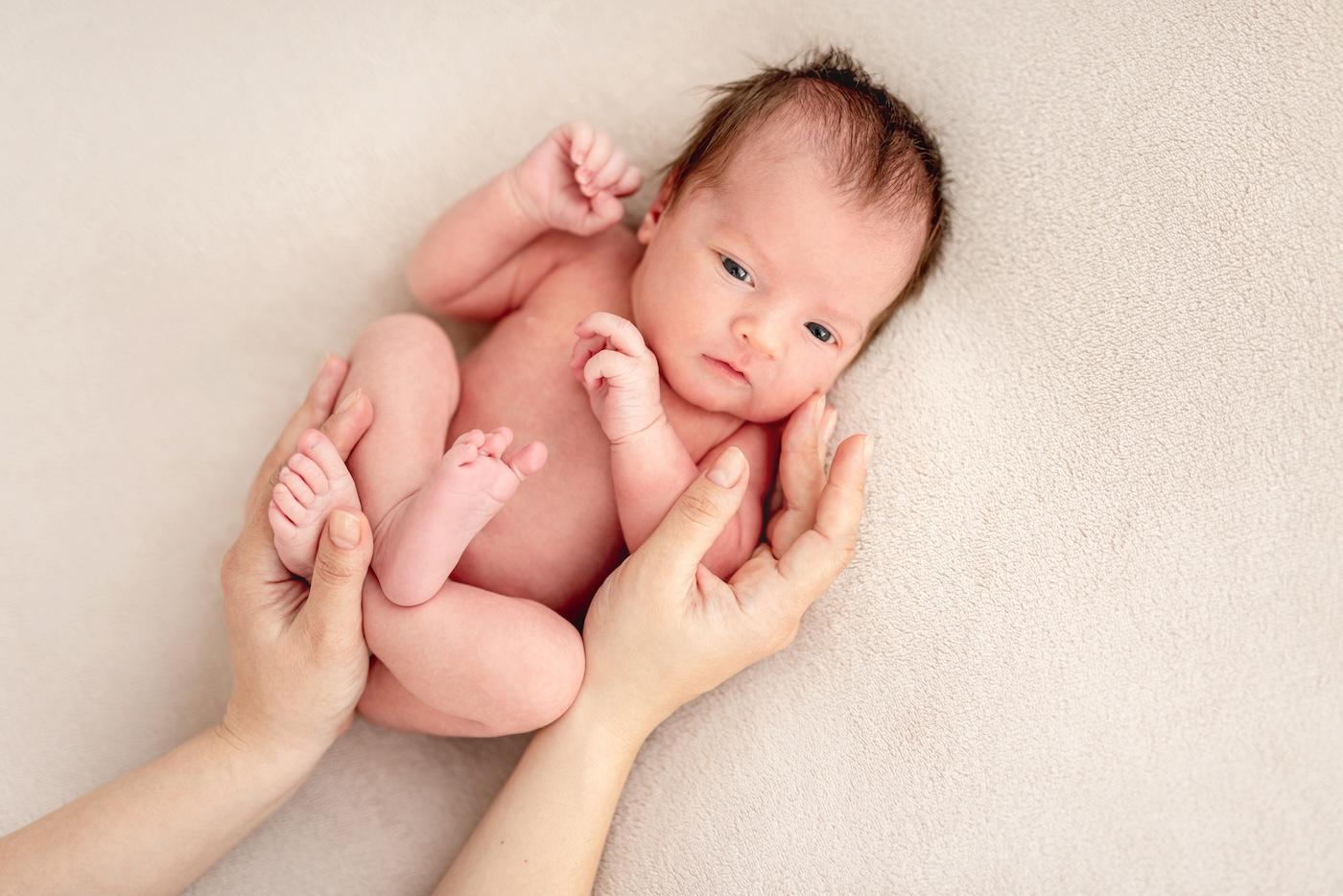
Your baby is about 2 months old! It’s too soon to break out the cake, but you should celebrate, nonetheless.

Écrit par
Happiest Baby Staff

Your baby is about 2 months old! It’s too soon to break out the cake, but you should celebrate, nonetheless. In the past eight weeks, you’ve gone from meeting for the first time to being unable to imagine life without your little love.
8-Week-Old Baby Sleep
Your 8-week-old baby probably racks up about 13 to 14 hours of sleep total these days. Your early bird likely starts their day around 6am and takes about three to five naps a day, totaling about four to eight hours of daytime sleep with wake windows of about an hour to two hours between each sleep session. At night, 8-week-olds start to sleep longer, potentially clocking five- to eight-hour stretches (though they still will wake for a feeding or two!).
8-Week-Old Sample Sleep Schedule
Every baby’s routine will be different, but here is an example of what an 8-week-old baby’s sleep schedule might look like.
6am Wake Up
6:30–7:30am Nap #1
9–11am Nap #2
12:30–2:30pm Nap #3
4–6pm Nap #4
7–8pm Nap #5
9:30pm Bedtime Routine
10pm Night-Night
11:30pm Dream Feed
2:30am Night Feed
8-week-old baby sleeping more than usual?
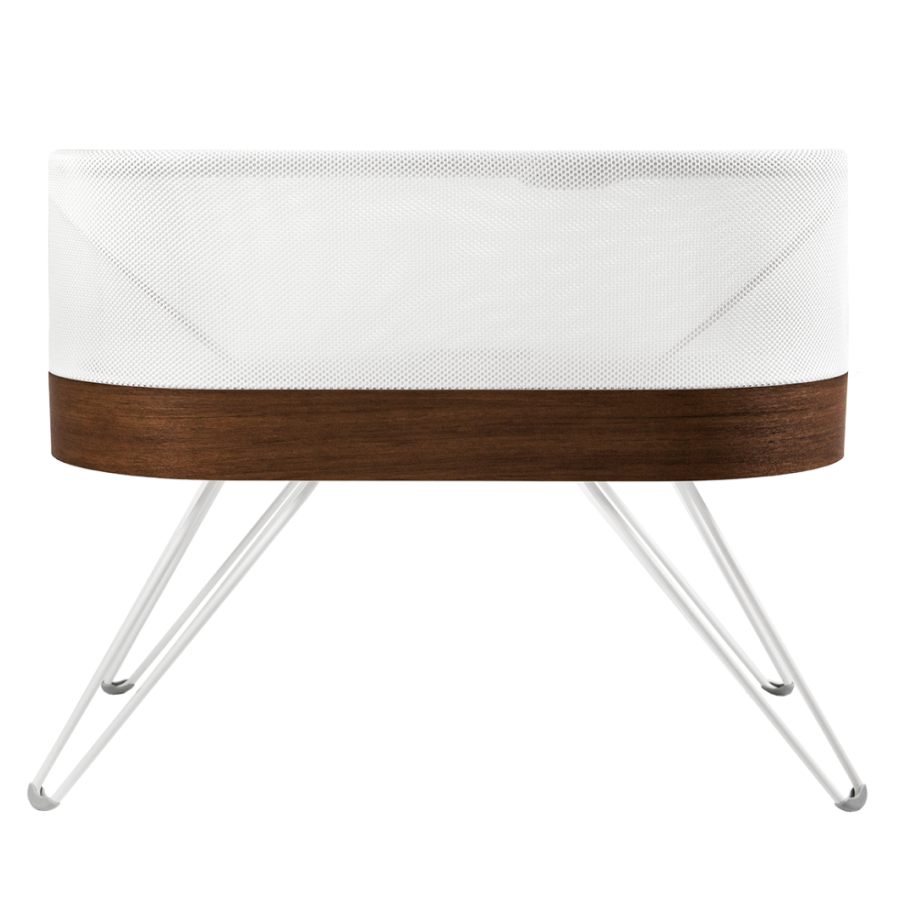
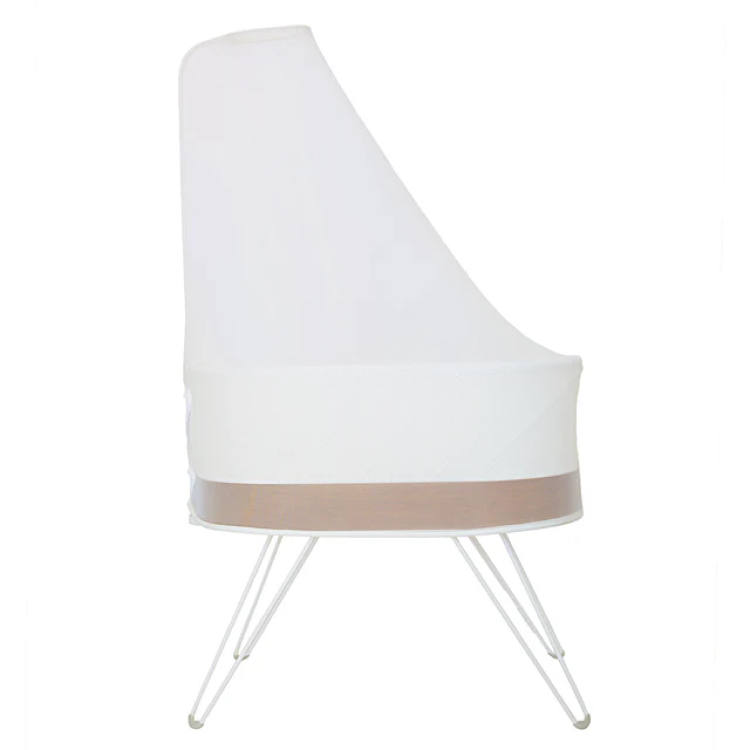
Around this age, many babies start consolidating their sleep, so you might notice longer sleep stretches at night (especially if they’re using SNOO!). At the same time, they’re feeding less frequently than they did when they were first born, which allows for extended shut-eye. This is generally a development to cheer, but if you have any concerns, of course, don’t hesitate to call your paediatrician.
Your 8-Week-Old Baby’s Development
Roll, baby, roll!
If your baby has been hitting the tummy time gym hard, they may surprise you with a 360-degree swivel—like the hands of the clock, pivoting the location of their head and feet around the belly button—or a full back-to-stomach roll over. Yay! Rocking and rolling from their tummy to back is a first step on the track to crawling, walking, and running.
But this new ability can also introduce some first accidents, like falling off the bed. Even when you thought you safely placed the baby in the middle of the bed…three rolls in a row can end with a terrible “thud”…and your baby shrieking on the floor!
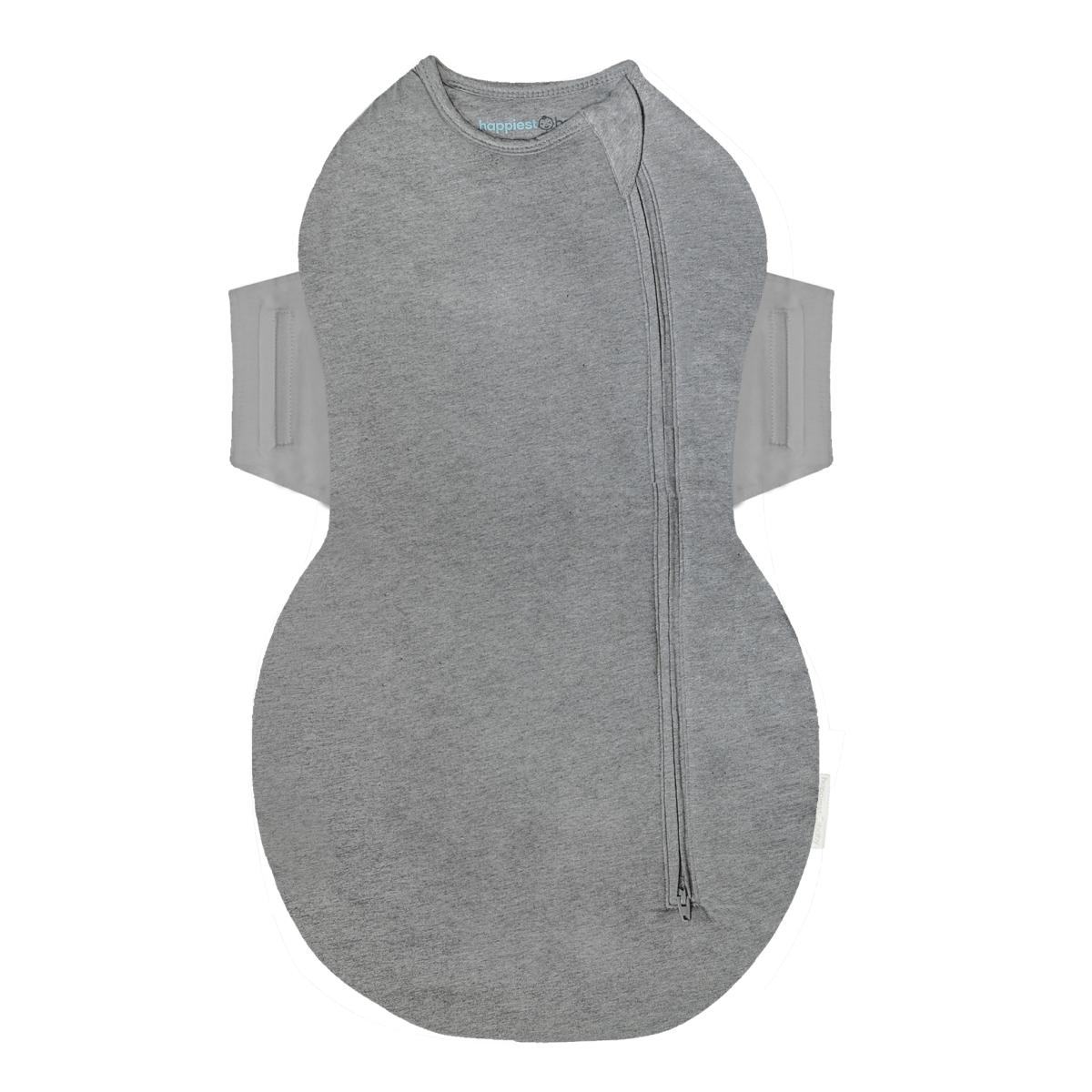
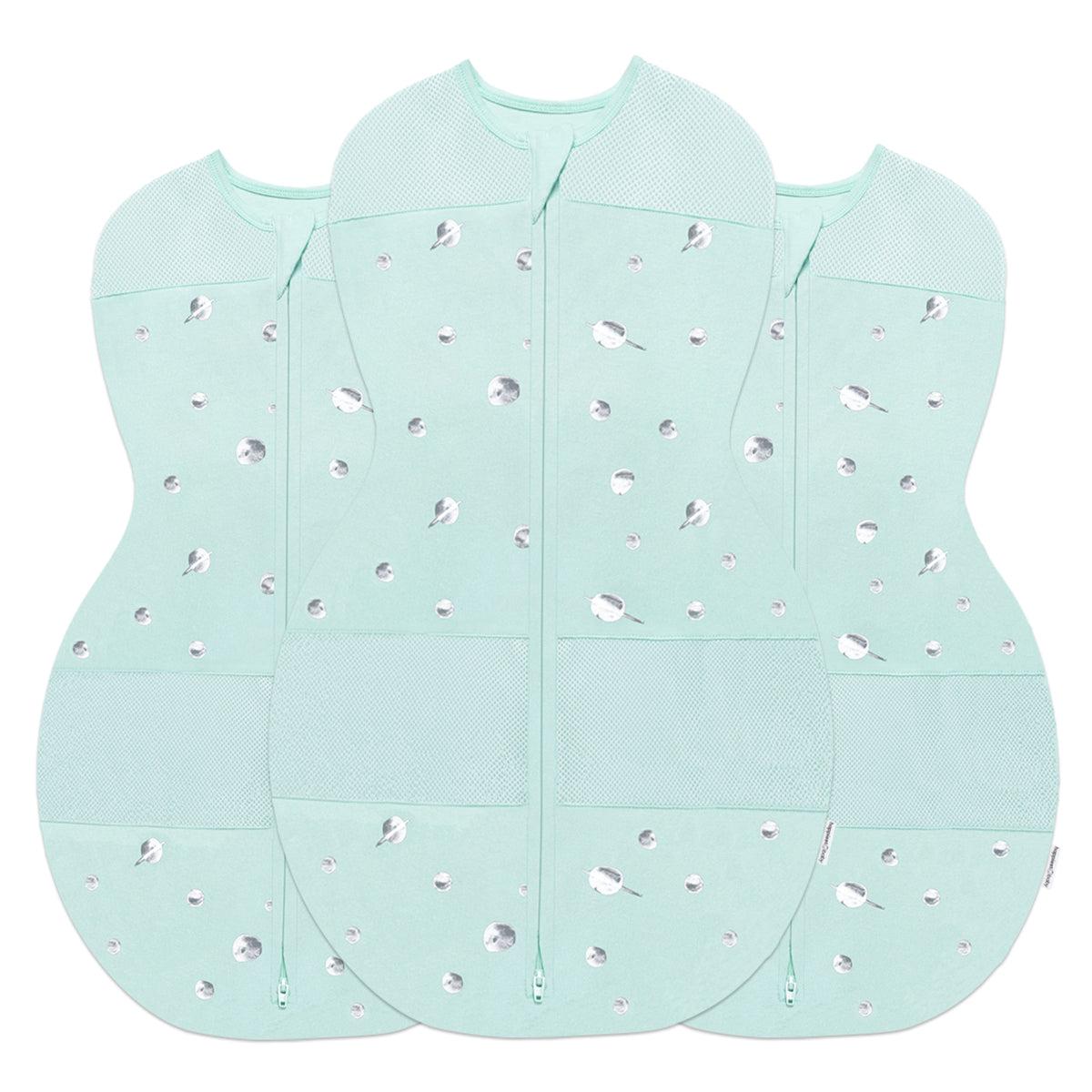
Also, rolling means you need to stop swaddling soon. Proper swaddling—arms in—can make it harder for a baby to roll over and reduce the risk of SIDS, so it can be the safest thing for your baby. And, if your baby is in SNOO, you can rest easy knowing that our special swaddle prevents risking rolling, allowing babies to sleep longer, cry less, and continue enjoying the swaddling they love. However, rolling to the stomach when swaddled can immediately raise the risk of SIDS! So, if you’re not using SNOO, once your baby can roll, it’s time to check in with your doctor to see when they recommend you stop swaddling.
8-Week-Old Baby Milestones
As you approach the 2-month mark, your doctor will likely have you keep an eye out for these baby milestones. Below are the milestones that most babies achieve by the end of their third month. But remember, every baby is different. So, if you are ever concerned about your baby’s development, don’t hesitate to bring it up with your child’s health care provider.
2-Month Social and Emotional Milestones
- Smiles when you talk or smile at them
- Calms when spoken to or picked up
- Looks at parent(s)
- Seems happy to see you when you approach
2-Month Language Milestones
- Makes sounds other than crying
- Reacts to loud noises
2-Month Cognitive Milestones
- Watches as you move
- Looks at a toy for several seconds
- Can hold head up when on belly
- Moves both arms and both legs
- Briefly opens hands
Your 8-Week-Old Baby’s Health
The 2-Month Check-Up
If you’re eager to learn just how much your baby has grown, you’ll have a chance at the 2-month checkup. Leading up to your baby’s 2-month checkup, you’ve probably been compiling a list of questions. But isn’t it funny how those questions can escape you when you’re put on the spot? It can really help to write down your concerns before the appointment.
At the visit, there will be the fun stuff—like finding out how much your lovebug has grown in length, weight, and head size. The doctor/nurse will also take a close look at your baby’s vision, muscle strength, reflexes, organs (from lungs to liver), and check out the soft spots on the head.
2-Month Vaccines
And super-important (maybe a bit less fun): It’s also time for your baby’s first vaccines. No one (adults included!) likes shots, so prepare to soothe your baby afterward with the 5 S’s, a feeding, or whatever gives comfort. You can feel free to ask your doctor about giving some acetaminophen (Tylenol) drops, but know that it's generally not recommended for babies under 12 weeks.
Tears aside, this is truly good news! You and your baby are blessed to live at a time when doctors can protect vulnerable little babies from the diseases that used to cripple or kill them by the thousand! Most doctors and public health experts recommend that 2-month-old babies get protection from:
- Whooping cough (pertussis), tetanus, and diphtheria
- Meningitis and other fatal infections (Haemophilus influenzae type B or HiB, also called H flu. This bad-news infection is not related to the viral infection, influenza.)
- Pneumonia and ear infections (Pneumococcal)
- Infant paralysis (Polio)
- Severe diarrhea (Rotovirus)
- Hepatitis B (this is the second dose, the first is given at birth)
That’s quite a few, but there are good reasons why that’s exactly the right amount…Vaccines have saved millions of lives and prevented terrible suffering of children and adults! Bottom line, your baby’s immune system is magnificent at protecting against many exposures…all at the same time.
Avertissement : Les informations présentes sur notre site ne constituent PAS des conseils médicaux pour une personne ou une condition spécifique. Elles sont uniquement destinées à titre d'information générale. Si vous avez des questions médicales et des préoccupations concernant votre enfant ou vous-même, veuillez contacter votre fournisseur de soins de santé. Le lait maternel est la meilleure source de nutrition pour les bébés. Il est important que, en préparation et pendant l'allaitement, les mères adoptent une alimentation saine et équilibrée. La combinaison de l'allaitement au sein et au biberon dans les premières semaines de vie peut réduire la production de lait maternel de la mère et il est difficile de revenir sur la décision de ne pas allaiter. Si vous décidez d'utiliser une préparation pour nourrissons, vous devez suivre les instructions avec soin.
Principales actualités






PARTAGER CET ARTICLE
CHOIX DES PARENTS
Meilleures ventes