BABY
Caring for Your Premature Baby at Home
Premature babies need lots of extra support. Here’s how to give it to them.

Geschrieben von
Happiest Baby Staff
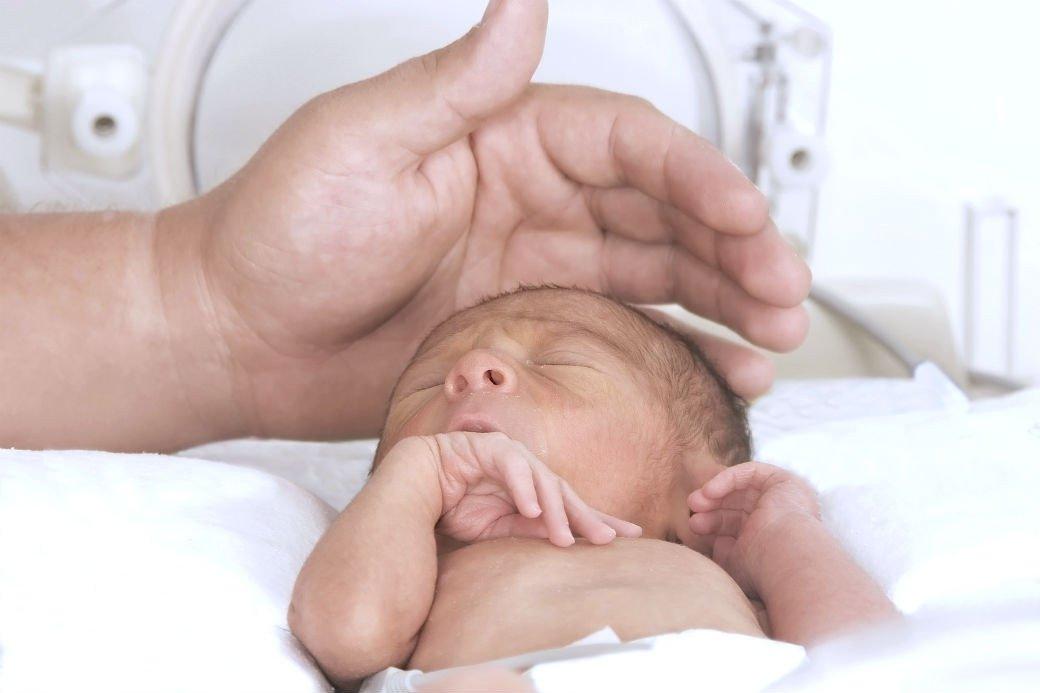
In the UK, about 8% of all babies are born too soon, with over 60% of twins, triplets, and other multiples arriving before 37 weeks of pregnancy is complete. While your premature baby may be healthy enough to go home soon after birth, research shows that over 90,000 premature or sick babies in the UK need to spend some time in the neonatal intensive care unit (NICU), the special care nursery (SCN), or the local neonatal unit (LNU) each year before being discharged. Some premature babies remain in NICU/SCN/LNU care for weeks and others stay for months. Either way, that means there are a whole lot of premature babies out there who need extra care and attention. And, more often than not, that special care continues once you take your precious little one home. Here’s how to care for your premature baby at home.
What is considered a premature baby?
If your baby is born before 37 weeks of pregnancy, they are considered premature. According to the March of Dimes, premature babies fall into the following categories:
- Late preterm: Born between 34 and 36 weeks.
- Moderately preterm: Born between 32 and 34 weeks.
- Very preterm: Baby at less than 32 weeks of pregnancy.
- Extremely preterm: Born at or before 25 weeks of pregnancy.
What are common health concerns for premature babies?
While all premature babies are different, the general rule is, the earlier in pregnancy a baby is born, the more likely they are to have health problems. With that, your premature baby may experience short-term complications within the first weeks of birth, including issues with…
- Breathing: Premature babies can have an immature respiratory system that, among other issues, can bring about apnea, which is when a baby stops breathing for a short time.
- Heart: The most common heart problems premature babies experience are low blood pressure and patent ductus arteriosus (PDA), which involves an opening between the aorta and pulmonary artery.
- Blood: Anemia and jaundice are common in premature babies.
- Brain: The earlier a baby is born, the greater the risk of bleeding in the brain. While most cases are mild, some hemorrhages can cause permanent injury.
- Temperature control: Premature babies can lose body heat quite quickly, so if their body temperature drops too low, hypothermia can result.
- Gut: An immature gastrointestinal system can result in complications like necrotizing enterocolitis (NEC), where the cells lining the bowel wall are injured.
- Metabolism: Some premature babies have a hard time converting stored glucose into something more usable and others may develop abnormally low blood sugar (hypoglycemia).
- Immune system: An underdeveloped immune system can lead to an elevated risk of infection.
Common Long-Term Health Concerns for Premature Babies
Again, the earlier a baby is born, the more likely they are to have long-term health problems. Some possible issues that may arise include: cerebral palsy, impaired learning, developmental delays, vision and/or hearing problems, dental issues, and/or chronic health issues, such as asthma and feeding problems. Premature infants are also at increased risk of Sudden Infant Death Syndrome (SIDS).
Kangaroo Care for Your Premature Baby
Snuggling your diapered-but-otherwise-naked baby to your bare chest is called kangaroo (or skin-to-skin) care and it has been used for decades in hospitals to help premature babies not only survive, but thrive. In fact, kangaroo care is considered “essential” for promoting the growth and development of premature infants. In-hospital skin-to-skin kangaroo care has been shown to stabilize Baby’s heart rate, improve breathing and oxygen saturation levels, decrease crying, increase sleep, help premature babies breastfeed and gain weight, and leave the hospital earlier. Plus, a 2020 report in the The Journal of Pediatrics shows that one hour of kangaroo care a day can significantly improve a premature infant’s neurodevelopment. And even more research found that early-and-regular kangaroo care significantly decreases Baby and Mum’s stress hormone levels and helps to mitigate postnatal depression rates. Skin-to-skin is a staple of NICU premature baby care, and it should be a staple of at-home care, too, notes to the American Academy of Pediatrics (AAP). Try to do it during bottle feeding, after a bath, or perhaps first thing in the morning to reap all the same benefits that your baby got while in the hospital.
If you are offering kangaroo care—or simply babywearing—with a baby carrier, know that premature babies should not be carried in backpacks or other carriers that hold them upright, according to the AAP. This position can potentially make it more difficult for preterm babies to breathe. If you would like to use a baby carrier with your precious premature baby, have a conversation with your paediatrician first.
Soothing Your Premature Baby With the 5 S’s
While all newborns benefit from three months of extra cuddling, sound, and rocking (aka fourth trimester care), premature babies need a bit more because they missed some of their all-important third trimester. That is why it is such a good idea to allow your premature baby to spend lots of time imitating their life in the womb with the 5 S's, which includes snug swaddling, shushy white noise, and gentle swinging motion. These womb-like sensations work to activate your little one’s in-born calming reflex, which is like their “off switch” for fussing and “on switch” for sweet slumber. Even more so, a 2018 report in the Journal of Maternal-Fetal & Neonatal Medicine found that when premature infants were exposed to Happiest Baby womb-like sounds it helped reduce complications associated with a lack of oxygen and an abnormal heart rhythm. In fact, intermittent hypoxemia and bradycardia significantly declined after sound exposure, which was played intermittently in 6-hour blocks.
Protecting Your Premature Baby From Infection
Because your premature baby’s immune system is still developing, they are at an elevated risk for infections. To help keep the germs at bay, implement these stay-safe strategies:
- Avoid crowds and visitors. Do not visit public places with your premature baby until your paediatrician gives you the go-ahead. At the same time, keep visitors to a minimum, making sure each well-wisher washes their hands for at least 20 seconds before touching your baby. (And make sure your home is smoke-free.)
- Limit outings. At least for the first several weeks home, it is important to keep trips outside the home to medical visits only, especially during extra-germy winter months.
- Schedule smart. Try to schedule your premature baby's health care provider’s appointments first thing in the morning when it should be less crowded. Alternatively, ask if you can bypass the crammed waiting room and cool your heels in an exam room instead.
- Vaccinate your baby. It is not only important to follow vaccine recommendations for your baby…but for you, too. All members of your household—and folks in close contact with your bub—should have had their annual flu shot, too.
- Ask about RSV prevention. While there is still no RSV vaccine, your child’s paediatrician may suggest a monthly injection designed to help protect premature babies from getting super sick with RSV. The drug (palivizumab) does not prevent an RSV infection, but it can help prevent serious RSV. Palivizumab is often recommended for premature babies born at less than 29 weeks and for those born under 32 weeks who needed extra oxygen for the first month of life. Premature babies with congenital heart disease are also contenders for the shot.
Feeding Your Premature Babies
When hammering out your baby’s feeding schedule, it is important to keep in mind that most premature babies eat between eight to 10 times a day and each feed should be no more than four hours apart. (This helps prevent dehydration.) Other important feeding tips for premature babies include…
- See a lactation consultant. The combo of delayed development and possible delay of breastmilk coming in means premature babies often have difficulty nursing. If your premature baby is having trouble breastfeeding, and that is something you would like to do, turn to a lactation consultant who specialises in preterm babies for help.
- Use the same feeding supplies as the NICU. If your baby did well with the nipples and bottles used in the hospital, ask to take some home—and where you can buy them.
- Inquire about infant formula. Your little one might need an infant formula with extra calories and vitamins that is designed for premature babies. Always consult your paediatrician before starting a new baby formula.
- Ask about iron. Premature babies do not have as much iron stored in their bodies as full-term babies. That means, your paediatrician may want your baby to take iron drops for a year or longer.
- Expect spit ups. It is normal and expected for premature babies to spit up after a feeding. Small feedings and paced bottle feeding may help reduce spitting up.
- Delay solids. Most paediatricians advise starting premature babies on solids 4 to 6 months after their due date, not their birth date. It often takes premature babies more time to develop the ability to swallow food.
To calculate your premature baby’s adjusted age, subtract the number of weeks your baby was born early from your baby’s actual age in weeks (number of weeks since the date of birth). For example, if your baby’s actual age is 8 weeks and they were born 3 weeks early, your baby’s adjusted age is 5 weeks.
Premature Babies and Sleep
It is true: Premature babies tend to snooze more than full-term babies. (They average about 18 hours a day in the first few weeks at home.) The catch? They sleep for short periods of time. And unlike full-term babies who might sleep up to eight hours at night by 4 months, premature babies often take 6 to 8 months before clocking eight hours. Other than actual hours slept, there are some key differences between a preterm baby’s sleep and a full-term baby’s sleep. Here are some things to consider when getting your premature baby ready for night-night:
- Turn on the white noise. While all babies benefit from white noise, premature babies crave it even more. The reason? Premature babies who have spent time in the NICU have become accustomed to the continuous background noise in the hospital. In fact, experts note that premature babies often have trouble falling asleep in a quiet house. (Try one of our expertly designed white noise machines, including SNOO.)
- Swaddle your baby. Research shows that swaddling seems to significantly increase total sleep time and quiet sleep time of premature babies in the NICU. And the AAP notes that continuing to swaddle at home can likely minimize stress of your baby’s new environment. Bonus: Swaddling helps preterm babies maintain a normal body temperature. (For no-stress swaddling try the award-winning Sleepea for babies weighing at least 5 pounds.)
- Rethink your swaddling technique. While it is recommended to swaddle your baby with their arms down, preterm infants should be wrapped with bent arms until they get close to their due date.
- Always place your baby on the back for sleep. Premature infants are two to three times more likely to succumb to SIDS or other sleep-related deaths than full-term babies. One contributing factor: Preterm infants are significantly more likely to be placed to sleep on their tummies than term infants, according to a 2021 study. (All babies should be put to sleep on their back on a firm, flat surface, free of loose bedding.)
When to Call the Paediatrician About Your Premature Baby
You should call your baby's health care provider ASAP if you notice any of the following symptoms:
- Diarrhea for more than one day
- Difficulty waking
- Fast or difficult breathing
- Fever more than 37.9 degrees Celsius
- Fewer than eight wet diapers a day
- Forcefully vomiting
- Jerking movements
- Not feeding well
- Yellow eye or skin color
Haftungsausschluss: Die Informationen auf unserer Website sind KEINE medizinischen Ratschläge für eine bestimmte Person oder einen bestimmten Zustand. Sie sind lediglich als allgemeine Informationen gedacht. Wenn Sie medizinische Fragen und Bedenken bezüglich Ihres Kindes oder Ihrer eigenen Gesundheit haben, wenden Sie sich bitte an Ihren Gesundheitsdienstleister. Muttermilch ist die beste Quelle der Ernährung für Babys. Es ist wichtig, dass Mütter in Vorbereitung auf das Stillen und währenddessen eine gesunde, ausgewogene Ernährung zu sich nehmen. Die Kombination von Stillen und Flaschenernährung in den ersten Lebenswochen kann die Muttermilchversorgung verringern und die Entscheidung, nicht zu stillen, ist schwer rückgängig zu machen. Wenn Sie sich entscheiden, Säuglingsnahrung zu verwenden, sollten Sie die Anweisungen sorgfältig befolgen.
Top-Nachrichten






DIESEN ARTIKEL TEILEN
ELTERN WAHL
Bestseller