FIND US ON SOCIAL

Facebook linkYoutube linkInstagram linkTwitter link
View post on Instagram
 
View post on Instagram
 
View post on Instagram
 
View post on Instagram
 
View post on Instagram
 
View post on Instagram
 
View post on Instagram
 
View post on Instagram
 
View post on Instagram
 
View post on Instagram
 

Join the Fam,

Stay in the Know

JOIN OUR COMMUNITY

Sign up to get helpful tips, offers, and more!

ABOUT

Mission & FoundersThe 5 S’sBlog

SUPPORT

FAQsProduct RegistrationFees, Shipping, and ReturnsReturns PortalContact Us

COMMUNITY

AffiliatesAuthorised Partners

LEGAL

Terms of SalePrivacy PolicyCookie PolicyTerms of ServiceEULASNOO Limited WarrantyLegal NoticeRight of WithdrawalCookie PreferencesAll Legal Terms

SHOP

SNOO Smart SleeperSleepea SwaddleSNOObear White Noise LoveySNOObie Smart Soother

© 2025 Happiest Baby, Inc. | All Rights Reserved

All third party trademarks (including names, logos, and icons) referenced by Happiest Baby remain the property of their respective owners. Unless specifically identified as such, Happiest Baby’s use of third party trademarks does not indicate any relationship, sponsorship, or endorsement between Happiest Baby and the owners of these trademarks. Any references by Happiest Baby to third party trademarks are to identify the corresponding third party goods and/or services and shall be considered nominative fair use under the trademark law.

    Happiest Baby
    BLOG
    FAQS

    BABY

    Don't Get Blindsided by the 3- to 4-Month Sleep Regression

    Sleep regressions confound and frustrate so many parents. But, you don't have to be one of them.

    Dr. Harvey Karp

    Written by

    Dr. Harvey Karp

    SHARE THIS ARTICLE

    Share on FacebookShare on TwitterShare on LinkedinShare on PinterestShare via EmailCopy to clipboard link
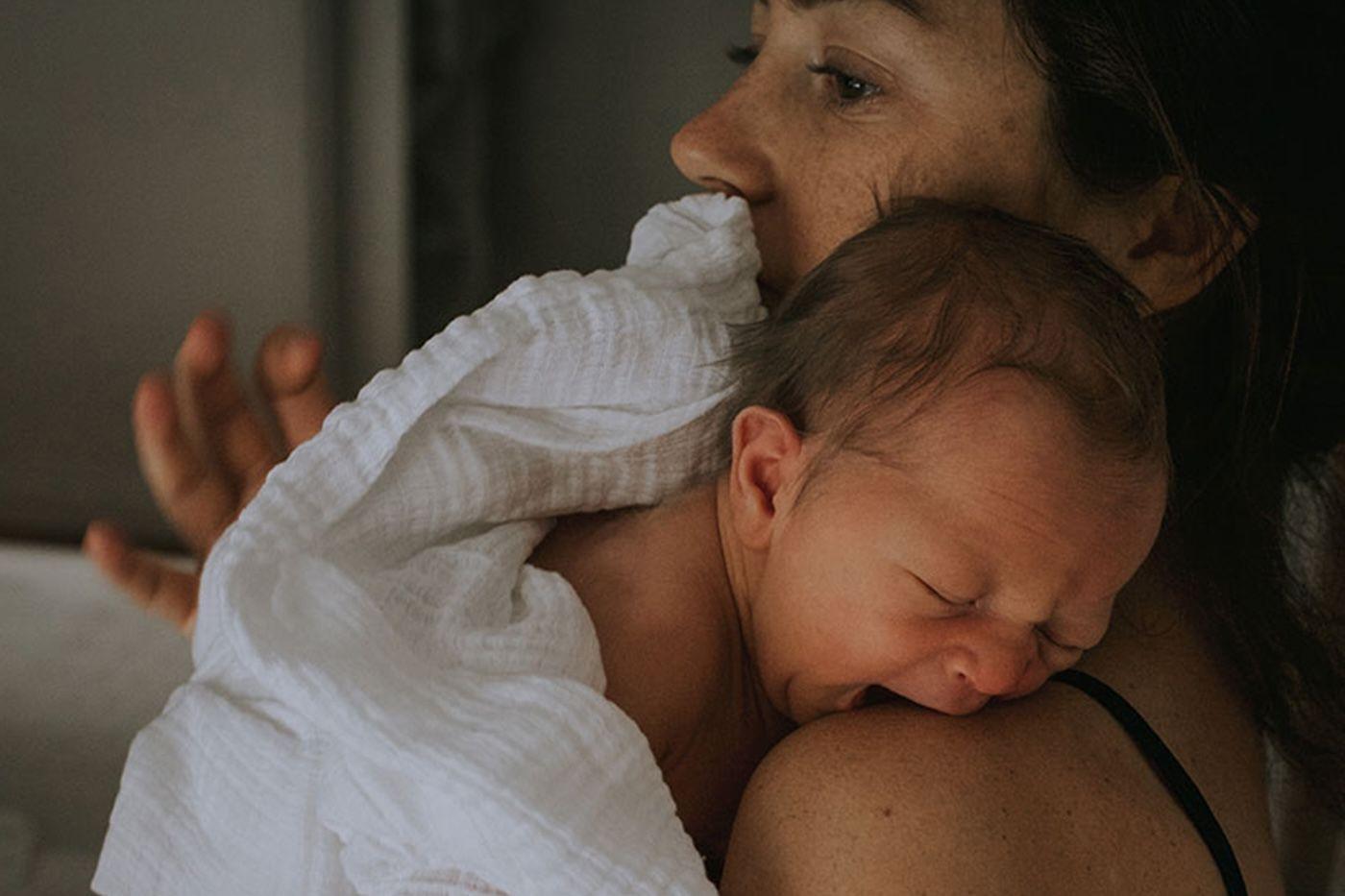
    Mother holds baby during the 3- to 4-month sleep regression

    ON THIS PAGE

    • What is the 3- to 4-month sleep regression?
    • Signs Your Baby Is Going Through the 3- to 4-month Sleep Regression:
    • Why do babies experience the 3- to 4-month sleep regression?
    • How to Handle the 3- to 4-Month Sleep Regression:
    • How SNOO Can Help Prevent The 3- to 4-Month Sleep Regression

    SHARE THIS ARTICLE

    Share on FacebookShare on TwitterShare on LinkedinShare on PinterestShare via EmailCopy to clipboard link

    PARENT PICKS

    Bestsellers

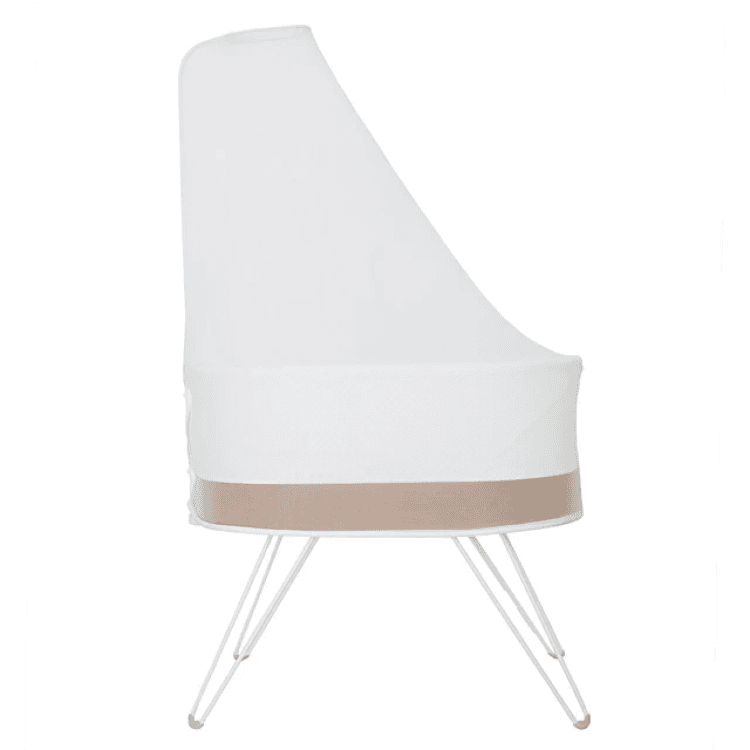
    SNOO Smart Sleeper Bassinet

    SNOO Smart Sleeper Baby Cot

    €1,395.00

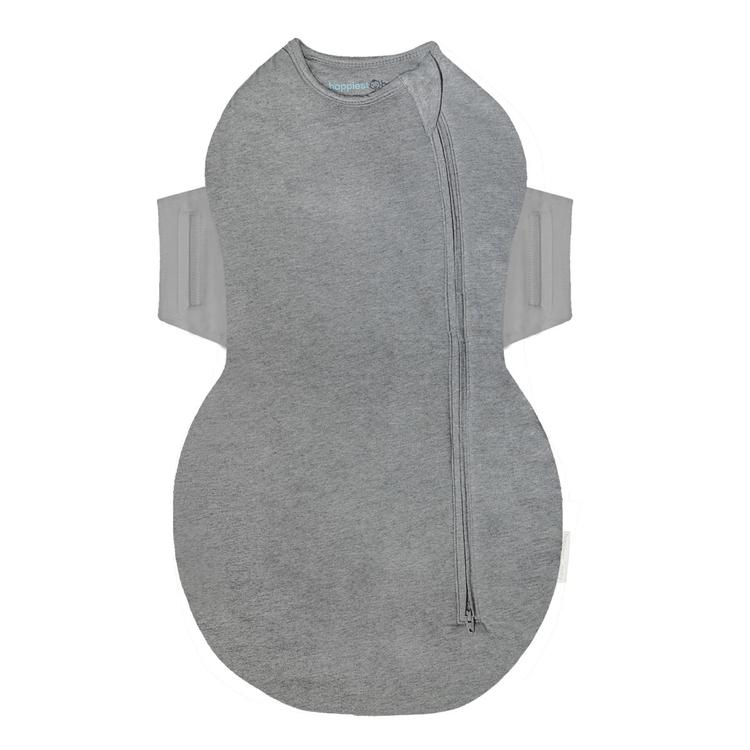
    Sleepea® 5-Second Baby Swaddle Rainbow

    Sleepea® 5-Second Baby Swaddle

    €32.95

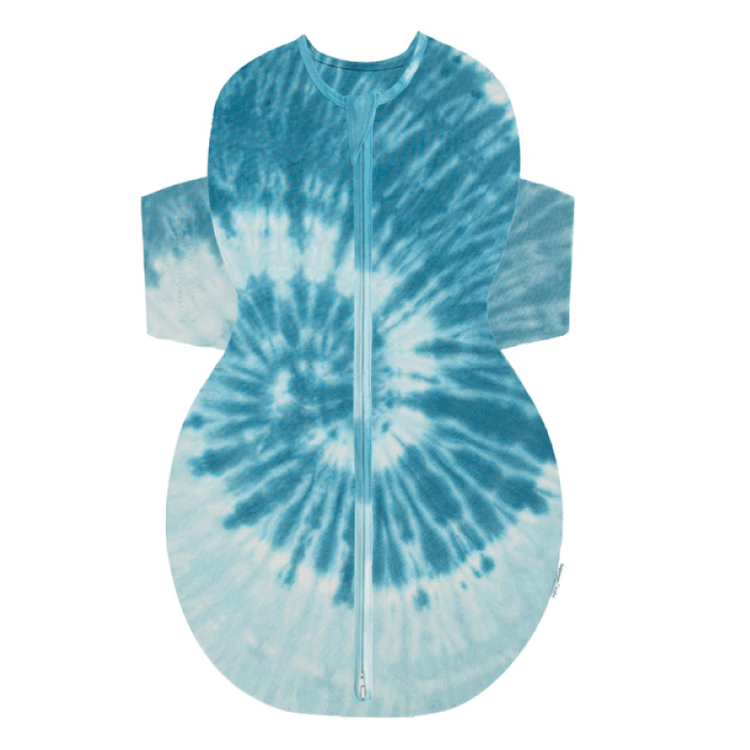
    100% Organic SNOO Sleep Sack Blue Tie-Dye

    100% Organic SNOO Sleep Sack

    €34.95

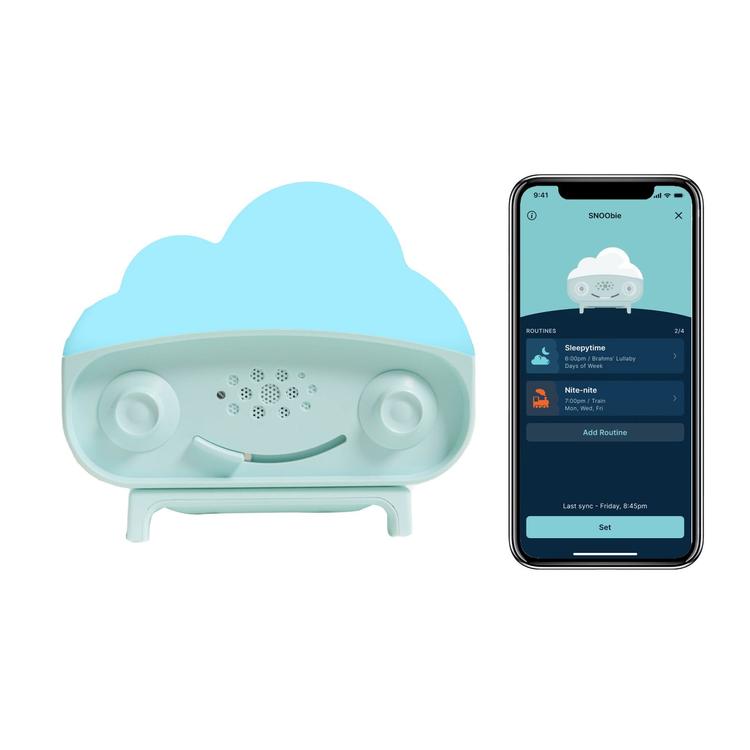
    SNOObie® Smart Soother

    €69.95

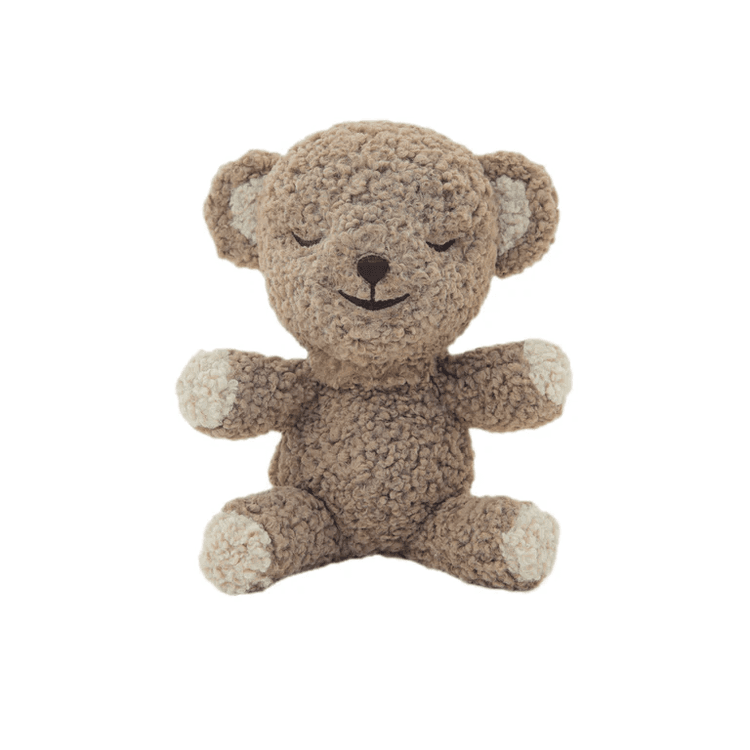
    SNOObear in Cocoa Woolly colour

    SNOObear® 3-in-1 White Noise Lovey

    €54.95

    SNOO Smart Sleeper Bassinet with mosquito net attached

    Shoo Mosquito Net

    €88.00

    Sky Mobile’s clouds

    Sky Mobile

    €89.95

    100% Organic Cotton SNOO Baby Cot Fitted Sheet in blue tie-dye colour in the box

    100% Organic Cotton SNOO Baby Cot Fitted Sheet

    €19.95

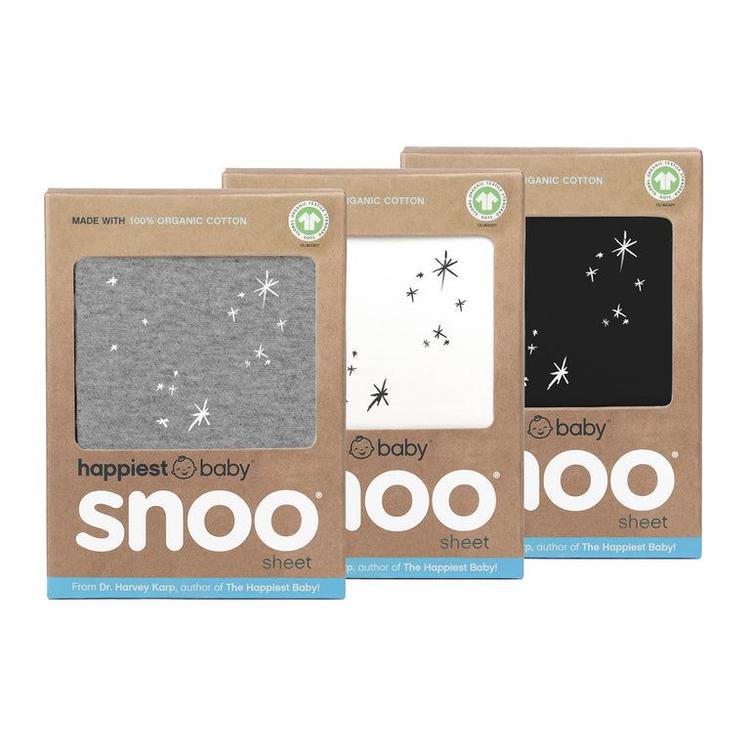
    SNOO Organic Baby Cot Sheets 3 Pack in 3 different colours

    SNOO Organic Baby Cot Sheets 3 Pack

    €59.85

    €38.90

    Sleepea® Comforter Swaddle in rose colour

    Sleepea® Comforter Swaddle

    €42.95

    100% Organic SNOO Sleep Comforter Sack in graphite colour

    100% Organic SNOO Sleep Comforter Sack

    €44.95

    Sleepea® Swaddle Sack 3 Pack Bundle in teal planets colour

    Sleepea® Swaddle Sack 3 Pack Bundle

    €98.85

    €69.20

    More on Baby

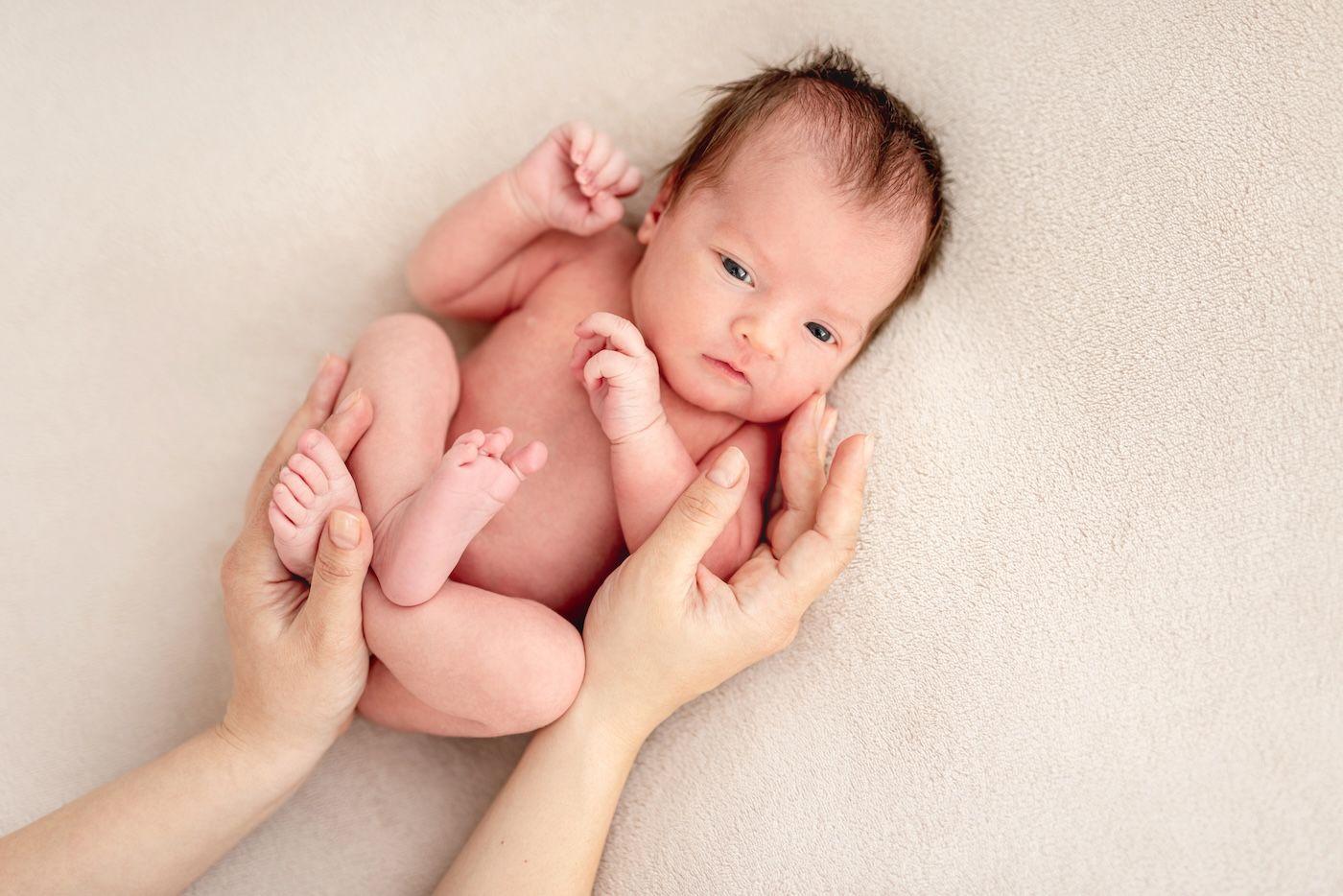
    A curled-up newborn baby

    BABY

    What’s the Newborn Scrunch?

    Here’s the scoop about this adorable reflex.

    A mum and her newborn baby doing skin-to-skin

    BABY

    Why Holding Your Baby Skin-to-Skin Is So Powerful

    From regulating body temperature to promoting bonding, the benefits of skin-to-skin are profound!

    The 3- to 4-month sleep regression confounds and frustrates so many parents. But with these preventative tips, you don’t have to be one of them!

    What is the 3- to 4-month sleep regression?

    There’s a point in every parent’s journey when your little baby starts to sleep better...and you’re so relieved and so happy. But then…a bump in the road! Seemingly overnight your 3- or 4-month-old baby’s sleep patterns change for the worse. Why? When babies reach between 3 and 4 months old, their sleep cycles shift and their development is simply blooming, which can temporarily hinder sleep.

    Signs Your Baby Is Going Through the 3- to 4-month Sleep Regression:

    If your little one used to be a stellar sleeper and now—suddenly—they are not, sleep regression might be to blame. Sleep regression signs include:

    • Worsening sleep
    • Multiple night wakings
    • Less napping
    • More fussiness
    • Appetite changes

    Why do babies experience the 3- to 4-month sleep regression?

    What’s changed? Your little blob of a newborn is now a 3- or 4-month-old social butterfly. They fall into a light sleep and wake up…bored! It’s too quiet and too still for your sweet pea. Your company-loving 4-month-old will wake up and think, “Hey you! Come back! I want to play!” But your baby’s new-found social tendencies aren’t the only thing contributing to the 3- to 4-month sleep regression. Your baby may also be…

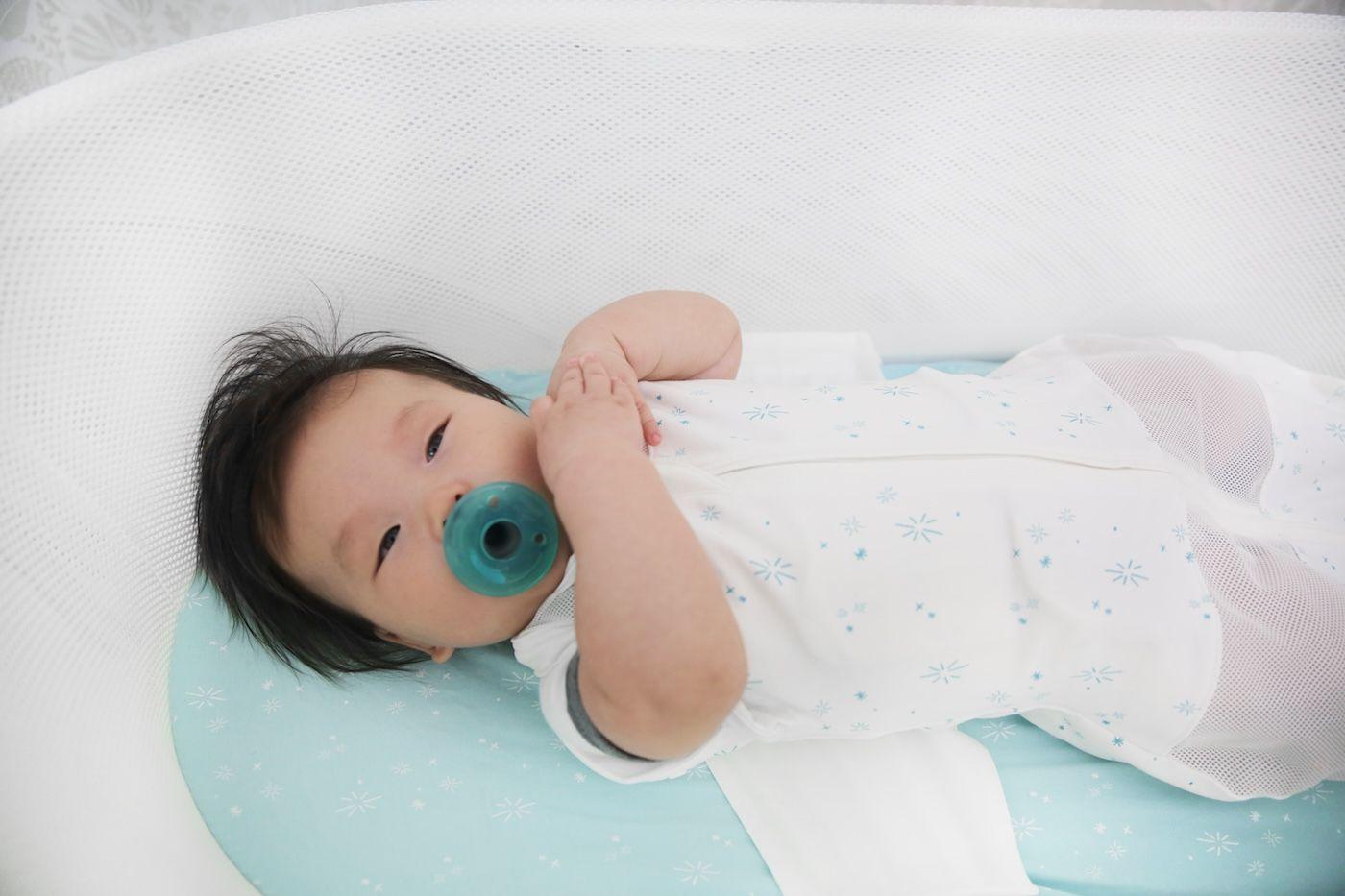
    • Learning to roll over. When that happens, you have to stop swaddling, which may mean your baby cries and wakes more often. (Of note: If your baby is sleeping in SNOO, they can remain safely swaddled until they graduate to the crib.)
    • Experiencing a growth spurt. And man, will they be hungry!
    • Teething or dealing with a cold. These types of mild discomforts can easily disrupt a baby’s sleep.
    • More sensitive to temperature or light. As babies become more aware of the big world around them, new sensitivities can arise.

    How to Handle the 3- to 4-Month Sleep Regression:

    Most parents are blindsided by the 3- to 4-month sleep regression and don’t know what to do. But if you learn to establish healthy sleep habits, you may be able to steer clear of most, if not all, of it. Here are more time-tested strategies for helping to avoid—and cope with—the 3- to 4-month sleep regression:

    • Continue to swaddle if you can. Swaddling babies safely helps bring on the ZZZs. Being swaddled is a similar experience to being carried in a sling, cuddled skin to skin, and being in the womb. The soft, snug caress of a swaddle can soothe babies for hours! (If your baby is rolling, swaddling needs to stop unless your baby is sleeping in SNOO. In that case, they can remain safely swaddled up to 6 months while in the bassinet.)
    • Tune into Baby’s wake windows. Having a sense of how long your baby can (and should) be comfortably awake between sleeps is key to having a well-rested and happy baby.
    • Turn on white noise. Although your baby’s natural calming reflex begins to fade around 3 to 4 months old, white noise continues to help with sleep. While white noise used to flip on baby’s inborn “on switch” for sleep, now the sleepy reaction comes from habit. Once you start using white noise in the background of baby’s bedtime routine, they’ll start to expect it and make the connection that white noise means sleepytime is here.
    • Try using sound with rocking. Using the right types of motion and sound can help your baby gently slide into the light sleep part of their sleep cycle without being easily roused. Since baby’s should never sleep in a baby swing, the only safe alternative is rocking your baby all night long in your arms (not feasible!) or using SNOO. SNOO ensures babies can rock all night while securing them on their backs.
    • Encourage more daytime eating. You can start to anticipate (and decrease) nighttime hunger by encouraging your baby to eat a little more during daytime feeds. It also may be smart to introduce a dream feed between 10pm and midnight. (This is when you rouse your baby without fully waking them to feed one more time before you go to bed. Sneaking in an extra feed has been shown to reduce night wakings.)
    • Get outside. Fit in plenty of outdoor time, complete with fresh air and (safe!) sunlight exposure will help your little one recognize the difference between day and night. Morning light especially helps your baby’s brain release melatonin, a hormone that regulates sleep and wakefulness, at the right time for night-night.
    • A dark room does a great job at encouraging sleep. Plus, if your baby wakes too soon, the darkness works to help you baby fall back asleep.

    How SNOO Can Help Prevent The 3- to 4-Month Sleep Regression

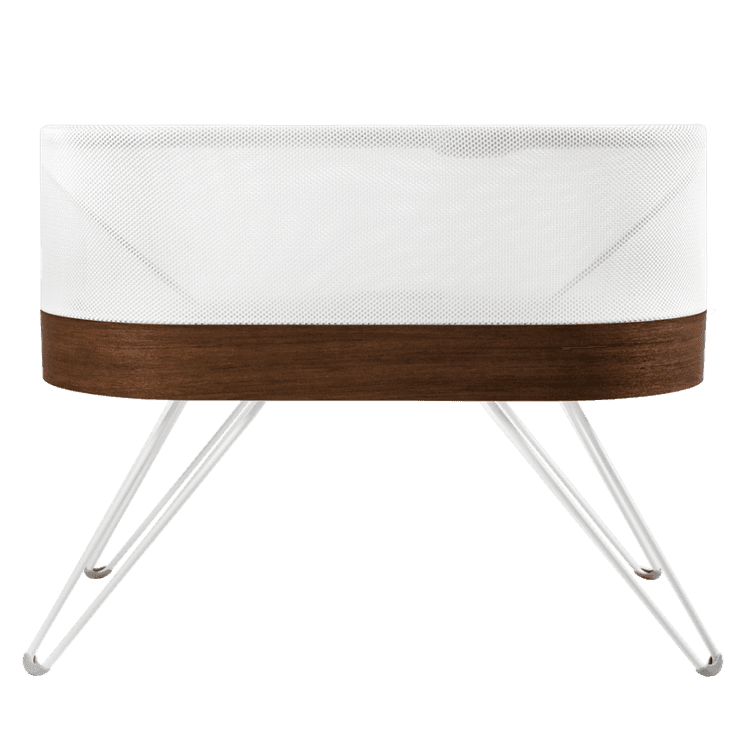
    Happiest Baby’s SNOO Smart Sleeper is a big help and parents’ best tool for preventing the 3- to 4-month sleep regression. SNOO aids baby's sleep by using the rhythms they’re familiar with from the womb. (SNOO’s rocking, white noise, and swaddling are all part of the 5 S’s for soothing babies.) At the same time, SNOO quickly responds to upsets before they fully wake up. And because of SNOO’s patented swaddling system that keeps babies on their backs, SNOO babies can remain swaddled longer worry-free. (Traditional swaddling must stop when Baby can roll.)

    Even if your baby does go through the 3- to 4-month sleep regression in SNOO, those with a Premium App subscription can easily adjust SNOO’s settings and “lock” SNOO at a higher level. Just like you would rock and hold your baby more vigorously when they’re going through a hard time, leveling SNOO up similarly “ups the ante.” Because you can so easily customize SNOO, I like to think of it as a “spot cure” during any stint of wakefulness (a growth spurt, a cold), giving babies the extra soothing they need so that when they stir, they don’t wake up all the way.

    Disclaimer: The information on our site is NOT medical advice for any specific person or condition. It is only meant as general information. If you have any medical questions and concerns about your child or yourself, please contact your health provider. Breastmilk is the best source of nutrition for babies. It is important that, in preparation for and during breastfeeding, mothers eat a healthy, balanced diet. Combined breast- and bottle-feeding in the first weeks of life may reduce the supply of a mother's breastmilk and reversing the decision not to breastfeed is difficult. If you do decide to use infant formula, you should follow instructions carefully.

    Top Stories

    Dr. Harvey Karp uses the 5 S's to soothe a fussy baby

    BABY

    The 5 S's for Soothing Babies

    A baby in the Fourth Trimester

    BABY

    What Is the Fourth Trimester?

    Sleeping newborn

    BABY

    Newborn Baby White Noise Benefits

    A baby with a pacifier

    TODDLER

    How and When to Stop Pacifier Use

    Mother holds baby during the 3- to 4-month sleep regression

    BABY

    Don't Get Blindsided by the 3- to 4-Month Sleep Regression

    A mother gives her newborn baby a dream feed

    BABY

    What Is Dream Feeding?...And How Do I Do It?

    Keep Baby’s room dark.
  1. Help your baby self-soothe. If you haven’t already, I suggest introducing your baby to my wake-and-sleep trick. Every bedtime, swaddle your baby, turn on the white noise, feed and burp them, and if your baby falls asleep in your arms before you lay them down in their bassinet, gently rouse them with a light tickle on their feet until they barely wake. After a few seconds, they’ll close their eyes and slide back to sleep. (If your baby fusses, pick them up for a feed or a cuddle, then repeat the tickle-to-wake routine.) Those few seconds of drowsy wake-time are the first steps to helping your baby learn how to self-soothe and sleep longer.