BABY
Cry it Out Method for Sleep Training
“Crying it out” is the most widely known method and one that puts fear in the hearts of parents.

Skriven av
Dr. Harvey Karp
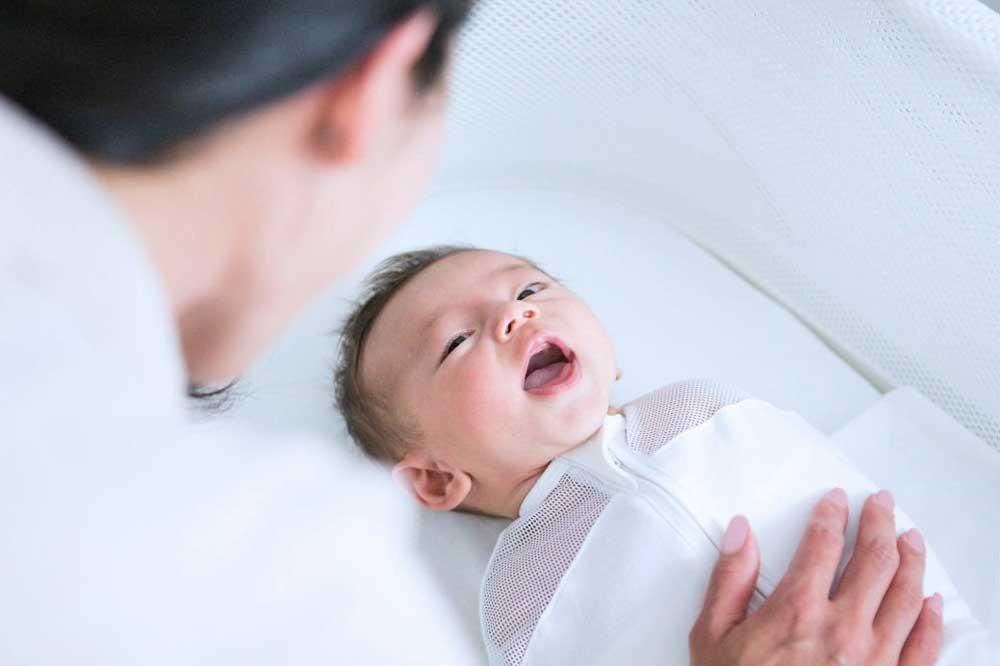
Most parents believe they have to sleep train their baby to get them to sleep through the night. “Crying it out” is the most widely known method and one that puts fear in the hearts of parents. It sounds brutal…and that is because it can be.
What is the Cry It Out Method?
“Cry it Out” is a sleep training method that requires you to let your baby shed some tears and be his fussy self for a set period of time. Typically, you will do this at gradually increasing intervals of time, before you intervene by consoling or feeding your baby. The goal of “cry it out” is to teach your baby to self-soothe and put himself to sleep.
How to Do the Cry it Out Method and for How Long
- Begin while your infant is awake. Put him in the cot with a soft “i love you” and then exit the room without waiting for him to fall asleep.
- You can expect a fair amount of protest and crying.
- Here is where it can get a little hard. Let your baby cry for a full five minutes.
- Next, go back into the room, give your baby a gentle pat, an “I love you” and “good night”, and exit again.
- Repeat this process for as long as your child cries, making sure to extend the time you leave your baby alone by 5 more minutes each time until your baby falls asleep.
A Note on Sleep Training
What most people do not know is that even so-called sleep-trained babies (and all children…and all adults, actually) still wake at least 3 or 4 times a night. This fact falls under the radar because we are talking about slight nighttime rousing, not eyes-wide-open awaking. Why am I telling you this? Your goal should not be to reach an elusive milestone, but rather, to teach your baby to self-soothe when she inevitably awakes at 2 a.m.
Avoiding the Cry it Out Method
I will let you in on a little secret: It is possible for your baby to sleep a 6-hour stretch within a few weeks whereas sleep training is usually not attempted or recommended until 4 months. And in most cases with my technique, you will avoid the all-dreaded “cry it out.” (I say “most cases,” because when it comes to one-of-a-kind babies, nothing is ever guaranteed!)
Rocking your baby to sleep is a great joy of parenting. I have seen mums and dads work to perfect the artistry of sliding a zonked baby into the cot and keeping her asleep. But doing that every night keeps her from learning to self-soothe; it also makes her more reliant on YOU in the middle of the night.
My technique is called “wake and sleep” because when you place your sleeping baby down, you need to wake her up…just a little…and let her get back to sleep on her own. What is amazing is that you can start teaching your child this healthy sleep habit from day 1.
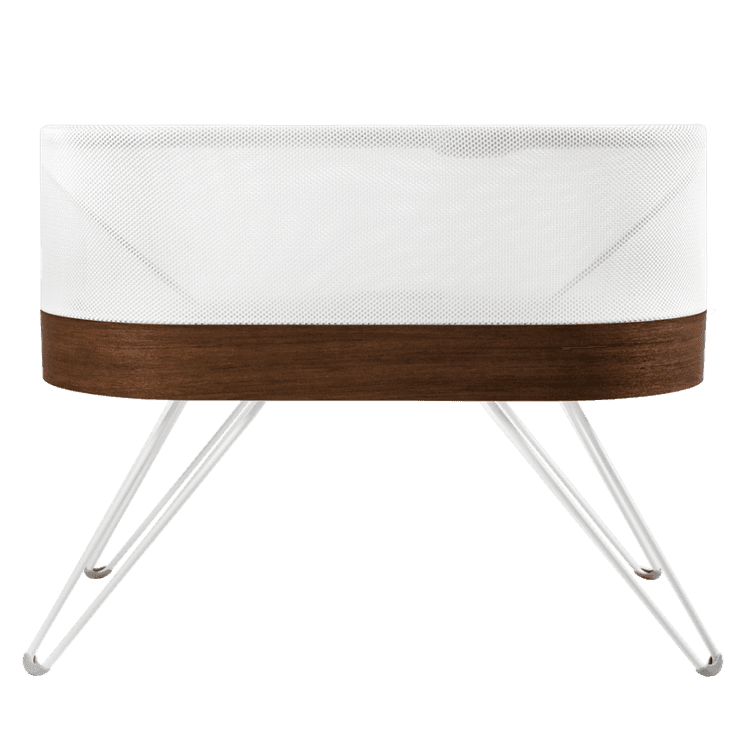
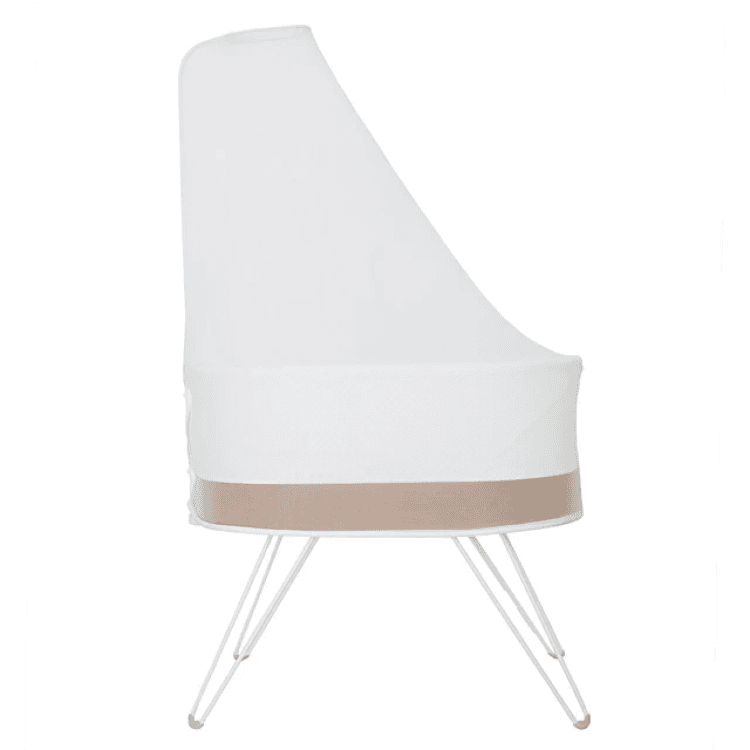
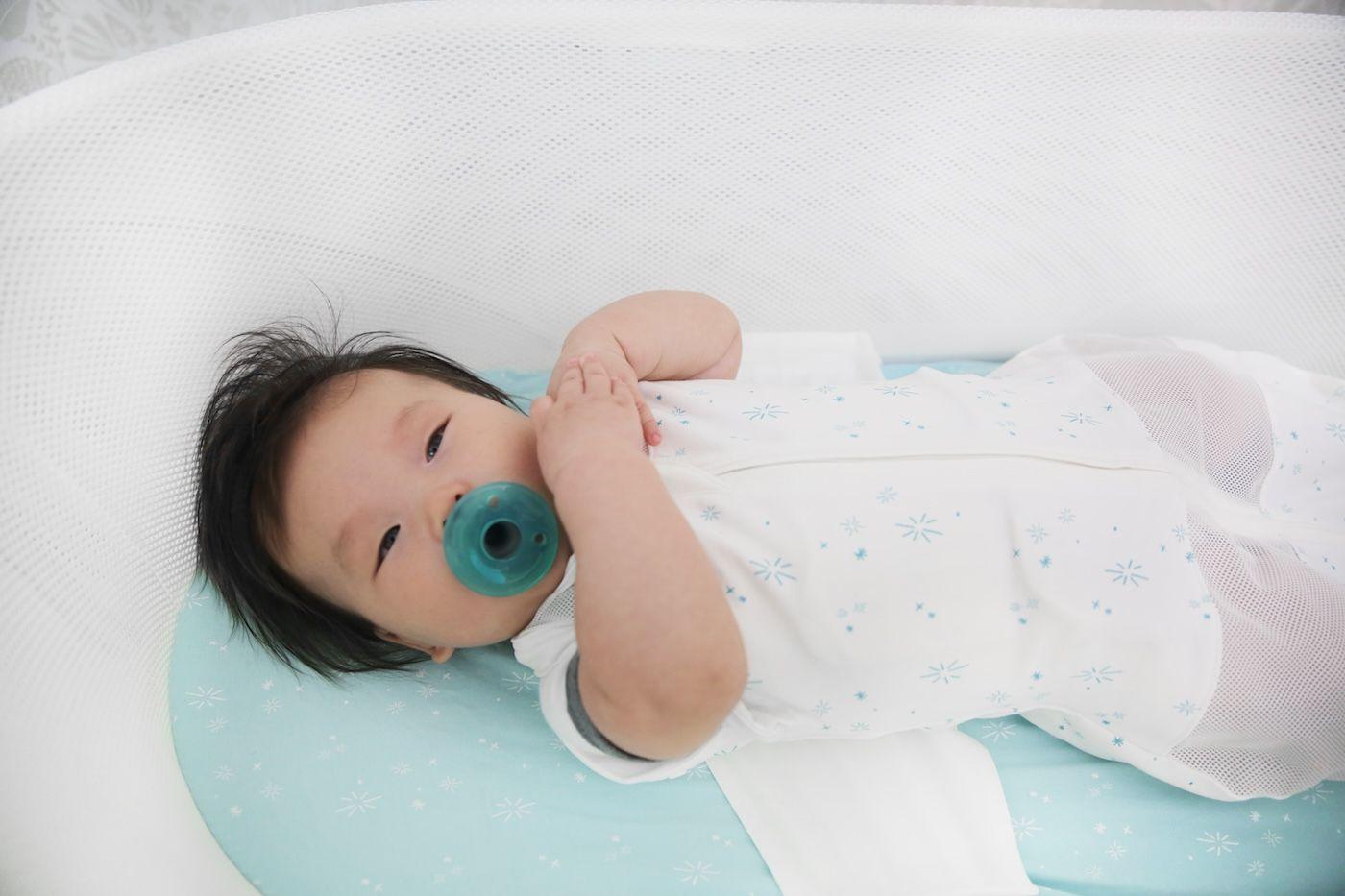
It works best to use wake and sleep together with Happiest Baby’s SNOO Smart Sleeper, a baby cot made to aid in teaching self-soothing.
Here is How to Get Your Baby to Self-Soothe Without Sleep Training
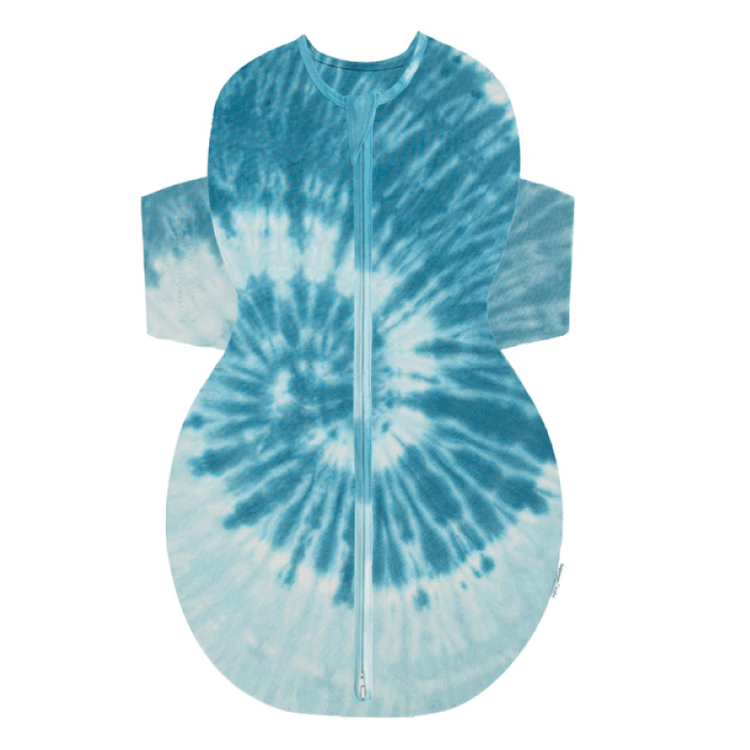
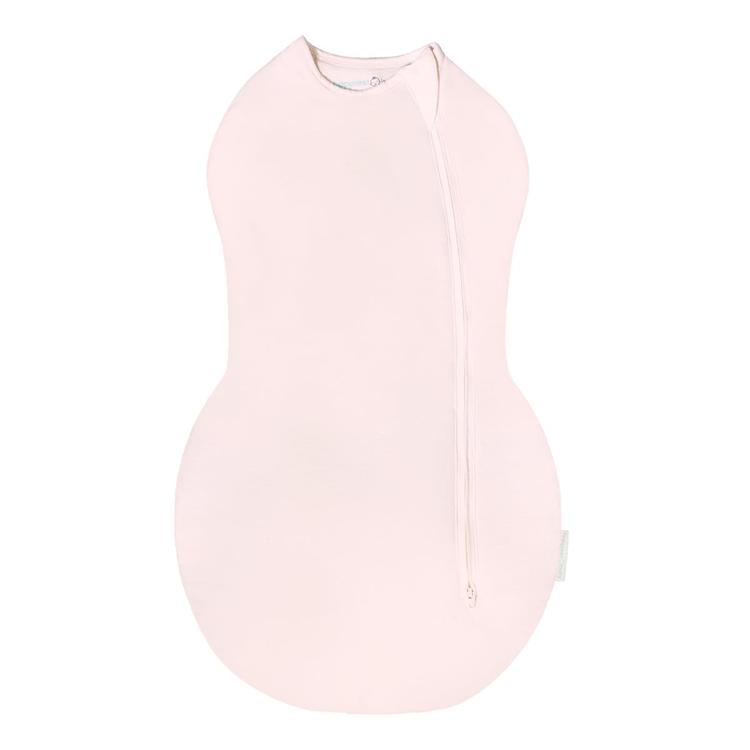
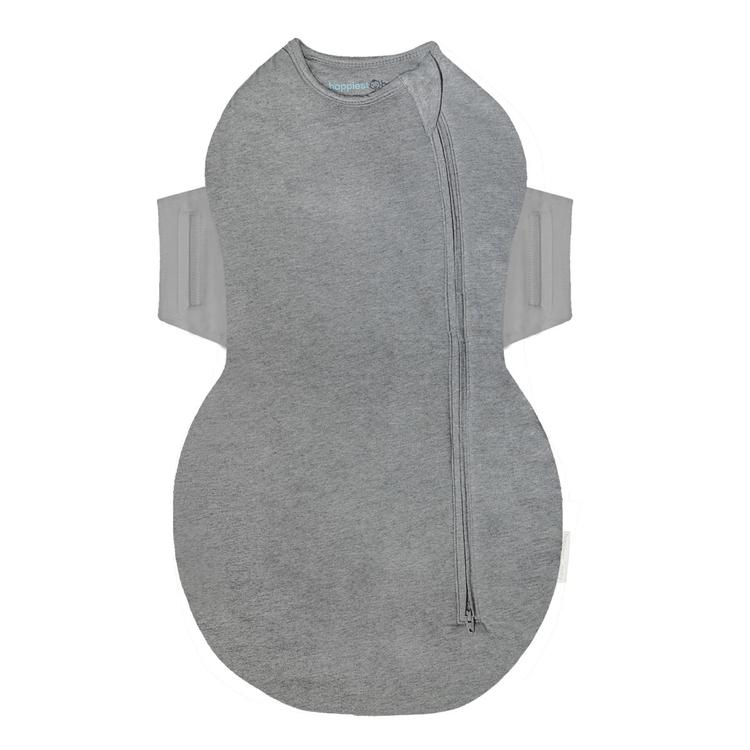
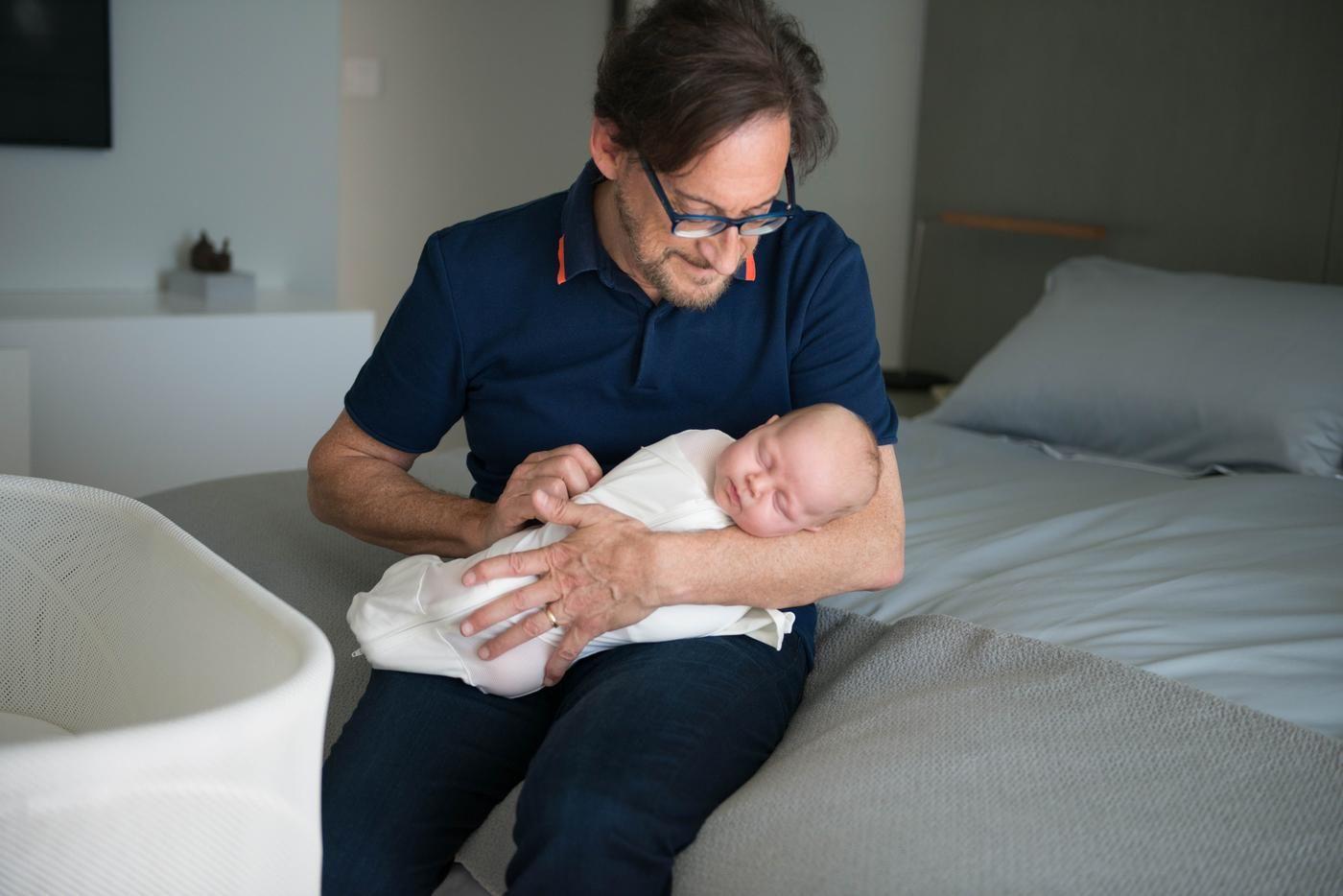
Every evening – before the last feeding – swaddle your little one in the SNOO Sack and let her fall asleep in your arms. BUT, right after you slide her into the cot, use wake and sleep. A few seconds later she will close her eyes and slide back into slumber-land. She will be aided by the white noise and gentle motion provided by SNOO’s smart technology.
When she awakes later that night, SNOO will provide the same rocking and shushing. If that is all she needs; she will drift back to sleep promptly. But if she is hungry, uncomfortable, or just wants YOU, she will not settle. Then it is your turn to meet her needs. Every time you lay her back down again after a nappy change or feeding, be sure to use wake and sleep.
Does using noise and motion cues really count as “independent sleep”? Not exactly, but I will explain.
Many adults use white noise because they like it not because they are dependent on it. Here is what is so “smart” about SNOO: It gives infants the calming they really need in the first months (the same time parents desperately need rest), but it automatically and gradually weans your baby off sound and motion by 6 months, so they do not rely on it in the long run.
Finally, you can teach the self-soothing skill by using wake and sleep with any baby cot, but if your goal is to avoid “cry it out” altogether, you will increase your chances by pairing it with SNOO! We got fantastic feedback from many families who tested SNOO that transitioning to the cot by 6 months was easy peasy. Their babies had learned to self-soothe.
Ansvarsfriskrivning: Informationen på vår webbplats är INTE medicinsk rådgivning för någon specifik person eller tillstånd. Den är endast avsedd som allmän information. Om du har några medicinska frågor och funderingar om ditt barn eller dig själv, vänligen kontakta din vårdgivare. Bröstmjölk är den bästa källan till näring för spädbarn. Det är viktigt att mödrar äter en hälsosam, balanserad kost i förberedelse för och under amning. Kombinerad amning och flaskmatning under de första veckorna i livet kan minska tillgången på en mammas bröstmjölk och det kan vara svårt att ångra beslutet att inte amma. Om du bestämmer dig för att använda modersmjölksersättning bör du noggrant följa instruktionerna.
DELA DENNA ARTIKEL
FÖRÄLDRARS VAL
Bästsäljare