PREGNANCY
Pregnancy and Shortness of Breath: When to Worry
Is your baby-to-be already taking your breath away?

Écrit par
Holly Pevzner

You’re likely used to feeling winded after a Pilates class or rushing to catch your about-to-depart plane, but experiencing shortness of breath early in pregnancy may catch you by surprise. While feeling like you can’t get enough air into your lungs certainly may seem like cause for alarm, before you push the panic button, know that shortness of breath in pregnancy impacts 60 to 70% of uncomplicated pregnancies and is usually no cause for concern.
There are two types of shortness of breath in pregnancy (aka dyspnea). Physiologic dyspnea is when you experience shortness of breath at rest or with mild exertion, while exertional dyspnea is when you feel out of breath during exercise, but it improves with rest. (About 75% of pregnant folks have exertional dyspnea by 30 weeks of pregnancy.)
The key is knowing what’s normal and when to worry about shortness of breath during pregnancy—so here’s your guide to breathlessness in pregnancy.
What causes shortness of breath during pregnancy?
There’s not one square inch of your body that doesn’t go through changes during pregnancy, and that includes changes in your respiratory system. Here are some reasons why you may feel out of breath during pregnancy:
Hormonal Changes
Your body’s uptick of hormones, namely progesterone, is the “principal reason” your breathing pattern and lung function changes during pregnancy.
Immune System Changes
Shifts in your immune system—plus heart and lung changes—during pregnancy can raise your risk of getting very sick from respiratory viruses, such as RSV, influenza, and COVID-19, according to the Centers for Disease Control and Prevention (CDC). Shortness of breath, of course, is a telltale sign of these respiratory viruses, whether you’re expecting or not.
Growing Uterus
Your rapidly developing baby not only puts the squeeze on your lungs, reducing lung volume, it also literally moves your diaphragm, which is the major muscle of respiration. The result: Difficulty catching your breath in pregnancy.
Increased Blood Volume
During pregnancy, your blood volume increases up to 50%. Normally, the rise in blood flow causes your heart chambers to enlarge, but when they don’t enlarge enough, shortness of breath can result.
Increasing Metabolic Rate
This, plus an uptick in carbon dioxide production during pregnancy causes an increase of minute ventilation, which is the amount of air that enters your lungs each minute. This increased need to breathe more can make a pregnant person feel short of breath.
Anemia
Half of all mums-to-be are affected by iron deficiency anemia, marked by symptoms such as pallor, irregular heartbeat, feeling cold, lightheaded…and short of breath.
Asthma
Folks with mild asthma pre-pregnancy are more likely to see an improvement or no change in their asthma symptoms while expecting, but those with severe asthma beforehand are at an elevated risk for worsening symptoms, like shortness of breath, during pregnancy.
Nervousness and Anxiety
The idea of becoming a parent is, well, overwhelming! So, whether you have a history of panic attacks or not, at times, feeling especially anxious can make breathing more laboured. An anxiety attack usually hits quickly and can come from a feeling of fear.
Pulmonary Embolism
A pulmonary embolism (blood clot in your lung) is rare, but pregnancy does increase your risk. Sudden shortness of breath is the most common symptom. Other signs include chest pain in pregnancy that worsens with breathing, dizziness, heart racing, sweating, and low blood pressure.
When does shortness of breath in pregnancy typically occur?
Shortness of breath in pregnancy often begins during the first or second trimester. However, only 3.2% of mums-to-be experience severe shortness of breath within their first 20 weeks of pregnancy.
No matter when your breathlessness started, frequency tends to increase during your second trimester. By the third trimester, between 60% to 70% of healthy pregnant individuals are dealing with at least some shortness of breath in pregnancy. For those with more severe asthma pre-pregnancy, shortness of breath and other asthma symptoms often worsen during weeks 24 to 36 of pregnancy.
How to Manage Shortness of Breath in Pregnancy
While there’s a lot you cannot do about breathlessness in pregnancy (thanks, hormones!), there are a few things in your control to help make breathing a bit easier while expecting, such as:
- Improve your posture. Whether you’re sitting or standing, resist the urge to slouch, which doesn’t allow your lungs enough room to expand with each breath.
- Use more pillows. Slide some pillows under your upper body so that you’re in a semi-sitting position. This eases the pressure your ever-growing womb is putting on your lungs.
- Train your lungs. Research shows that you may be able to decrease shortness of breath in pregnancy by 63% by engaging in something called inspiratory muscle training for 15 minutes, five days a week for four weeks. This very specific type of muscle training involves breathing through the mouthpiece against resistance. Ask your care provider if a home breathing trainer could work for you.
- Stay up to date on vaccines. For example, getting your flu shot in pregnancy has been shown to half your risk of acute respiratory infection and the shortness of breath that often comes with it. (The flu shot in pregnancy can reduce your chance of being hospitalised with the flu by about 40%.)
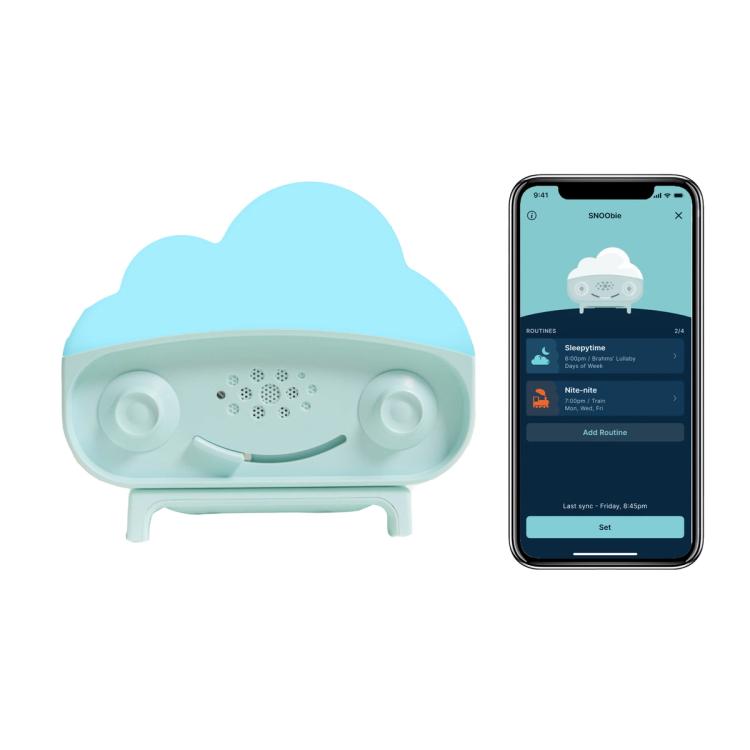
- Try deep breathing exercises. If your shortness of breath in pregnancy is due to feelings of anxiety, talk to your provider about deep breathing exercises. Breathing deeply from the abdomen, slowly and steadily filling your lungs while counting to four on the inhale and exhale has been known to help. Try Dr. Harvey Karp’s Magic Breathing, designed to help both tots and grownups. (SNOObie can even guide you through the exercises.)
Is shortness of breath during pregnancy dangerous?
Cue the sigh of relief: Feeling short of breath during pregnancy is very common and it’s usually no cause for worry. Still, let your healthcare provider know when you experience any difficulty breathing in pregnancy. In fact, some experts recommend visiting a cardiologist for a cardiac ultrasound (echocardiography) if you’re dealing with shortness of breath in pregnancy. That’s because, for one, feeling breathless in daily activities during pregnancy may be a symptom of cardiac or pulmonary diseases, according to a 2022 report in Journal of Cardiovascular and Thoracic Research. Your physician or midwife will be able to offer you more personalised advice.
When to Seek Medical Help for Shortness of Breath in Pregnancy
While you should feel comfortable sharing all weird or off-putting symptoms with your healthcare provider—including shortness of breath during pregnancy. But immediately contact a professional if you experience the below symptoms—they could point to a more serious underlying condition:
- A sudden onset of breathing difficulties
- Severe breathlessness
- Progressively worsening respiratory issues
- Shortness of breath accompanied by chest pain
- Breathing problems coupled with coughing or wheezing
- Difficulty breathing along with heart palpitations
- Shortness of breath, plus vomiting
- Throat and/or chest tightness
- Trouble breathing when lying flat
- Waking up out of breath
More on Pregnancy Symptoms:
- Second Trimester Symptoms and Solutions
- Third Trimester Symptoms and Solutions
- Swollen Feet and Ankles in Pregnancy
- Morning Sickness: Your Feel-Better Guide
***
REFERENCES
- Respiratory Viruses and Pregnancy Outcomes: A Comprehensive Review, National Center for Biotechnology Information, June 2023
- The Effects of Respiratory Infections During Pregnancy, ScienceDirect, May 2005
- Respiratory Infections and Pregnant People: Risk Factors and Prevention, Centers for Disease Control and Prevention, April 2023
- Respiratory Health in Pregnant Women, ScienceDirect, July 2017
- Suboptimal Iron Deficiency Screening in Pregnancy, Blood Advances, November 2021
- Pregnancy and Asthma, American College of Allergy, Asthma & Immunology, December 2022
- Is My Shortness of Breath an Anxiety Attack or Coronavirus?, Hackensack Meridian Health, April 2020
- Breathlessness During Pregnancy: Over 20 Weeks, NHS, March 2022
- Pulmonary Embolism: Symptoms and Treatment, Johns Hopkins Medicine, January 2021
- The Lungs in Pregnancy: Changes and Challenges, Nationwide Children's Hospital, February 2020
- Dizziness During Pregnancy: When Is It a Concern?, American Heart Association, January 2024
- Maternal Warning Signs, Centers for Disease Control and Prevention, February 2024
- Navigating Respiratory Illness Among Pregnant Patients During the 2022-23 Influenza Season, American College of Obstetricians and Gynecologists, December 2022
- Breathing Problems in Children, KidsHealth, March 2023
- Respiratory Viruses and Pregnancy Outcomes: A Comprehensive Review, National Center for Biotechnology Information, June 2023
- 13 Ways to Stop a Panic Attack, Campbell County Health, June 2022
- Flu Vaccine During Pregnancy, Centers for Disease Control and Prevention, October 2023
Avertissement : Les informations présentes sur notre site ne constituent PAS des conseils médicaux pour une personne ou une condition spécifique. Elles sont uniquement destinées à titre d'information générale. Si vous avez des questions médicales et des préoccupations concernant votre enfant ou vous-même, veuillez contacter votre fournisseur de soins de santé. Le lait maternel est la meilleure source de nutrition pour les bébés. Il est important que, en préparation et pendant l'allaitement, les mères adoptent une alimentation saine et équilibrée. La combinaison de l'allaitement au sein et au biberon dans les premières semaines de vie peut réduire la production de lait maternel de la mère et il est difficile de revenir sur la décision de ne pas allaiter. Si vous décidez d'utiliser une préparation pour nourrissons, vous devez suivre les instructions avec soin.
Principales actualités






PARTAGER CET ARTICLE
CHOIX DES PARENTS
Meilleures ventes







Plus sur Pregnancy

About Holly Pevzner
Holly Pevzner is Happiest Baby’s Staff Writer. She specializes in creating parenting, pregnancy, health, nutrition, and family travel content. Her work—including essays, columns, reported features, and more—has appeared in outlets such as EatingWell, Family Circle, Parents, Real Simple, and The Bump. Before becoming a full-time writer, Holly held senior staff positions at Prevention, Fitness, and Self magazines, covering medical health and psychology. She was also a contributing editor at Scholastic Parent & Child magazine and a regular kids-health columnist for Prevention and First For Women magazines. Holly lives in Los Angeles with her husband, two boys, and terrier mix.