TODDLER
How Much Sleep Do Toddlers Need?
Dr. Harvey Karp offers sample schedules and explains tots sleep patterns.

Escrito por
Dr. Harvey Karp
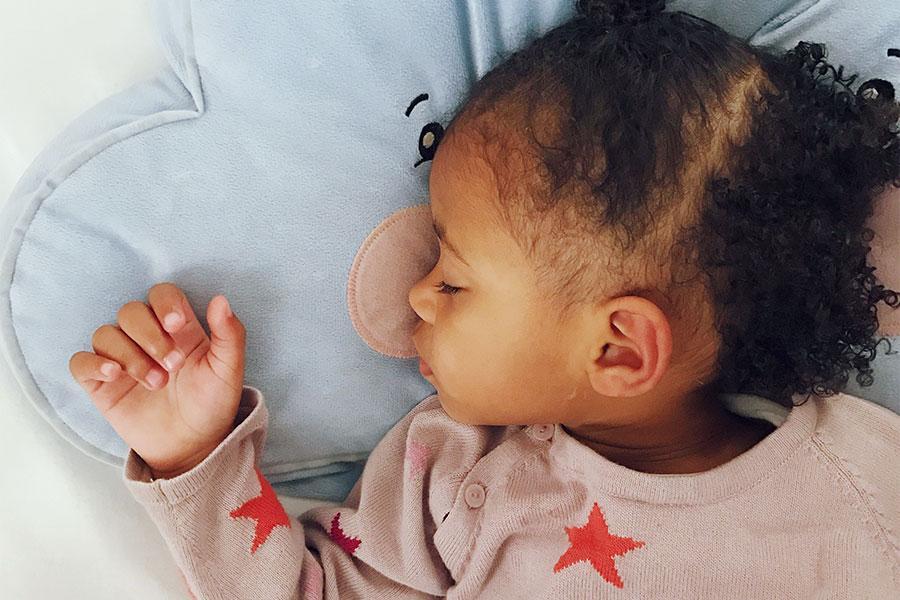
As your child passes her 1st birthday, sleep continues to be the primary brain activity. By 2 years of age, the average child has spent 9,500 hours (about 13 months) of her life asleep versus 8,000 hours awake. Between 2 and 5 years of age, the amounts of sleep and awake time become about the same.
How much should sleep toddlers really need?
How much sleep do children need? From 1-5 years of age, children should sleep 12-14 hours per day, counting naps and nights. (You can expect your 2-year-old to nap about 2 hours a day and your 3-year-old to nap 1 hour a day.)
How Much Sleep Do Children Need? Sample 2 Year Old Schedule
![[object Object]](https://cdn.sanity.io/images/301lhh0a/production/45047a89bc4824b9dc9b19c5f7a57443702c4782-480x309.jpg?w=1080&auto=format&q=75&fit=max)
How Much Sleep Do Children Need? Sample 4 Year Old Sleep Schedule
In a worrying trend, toddler sleep has dropped by 3-40 minutes per night over recent years. It appears that morning ‘awake’ time has stayed the same, but bedtime has shifted later and later. Most toddlers awaken around 7:30 a.m. and go to sleep around 9 p.m. (give or take 30 minutes).
![[object Object]](https://cdn.sanity.io/images/301lhh0a/production/625c6cabcd91b3cf85ee64556033ce8a24ab419f-480x310.jpg?w=1080&auto=format&q=75&fit=max)
According to the 2004 Sleep in America poll, almost half of toddlers and one-third of preschoolers call out for help some nights (5-10% do it more than once a night). Most parents (about 60%) return to the bedroom to give reassurance…usually staying 15 minutes until their little sweetie is back asleep. And it usually takes parents at least another 15 minutes to turn off their minds and fall back to sleep.
![[object Object]](https://cdn.sanity.io/images/301lhh0a/production/3f9d9ac86985e27359d8ac445575c5c3f00d60ca-480x459.jpg?w=1080&auto=format&q=75&fit=max)
Night awakenings may be caused by the problems you have wrestled with before, like teething, growth spurts, or your child's dependency on ‘hands on’ sleep cues like rocking or nursing.
But new sleep struggles can emerge for your toddler. Her busy mind can become infested with worries and fears or her sleep may be jolted by night terrors or sleep apnea or even pinworms.
There is no one best approach to respond to night awakenings in toddlers. I offer guidance on this website on some of the individual topics mentioned in the previous paragraphs (just click on the links to go to my articles). And also, you can read my holistic recommendations for parenting toddlers and developing healthy sleep habits in The Happiest Toddler on the Block and The Happiest Baby Guide to Great Sleep.
Descargo de responsabilidad: La información en nuestro sitio NO es un consejo médico para ninguna persona o condición específica. Solo se proporciona como información general. Si tiene alguna pregunta o preocupación médica sobre su hijo o sobre usted mismo, por favor contacte a su proveedor de salud. La leche materna es la mejor fuente de nutrición para los bebés. Es importante que, en preparación para la lactancia y durante la misma, las madres lleven una dieta saludable y equilibrada. La combinación de lactancia materna y alimentación con biberón en las primeras semanas de vida puede reducir la producción de leche materna y es difícil revertir la decisión de no amamantar. Si decide utilizar fórmula infantil, debe seguir las instrucciones cuidadosamente.
Principales noticias






COMPARTIR ESTE ARTÍCULO
ELECCIONES DE LOS PADRES
Más vendidos