PREGNANCY
9 Tips for an Easier Labour and Delivery
In the absence of magic, take these steps to give yourself a smoother birth.

Escrito por
Happiest Baby Staff
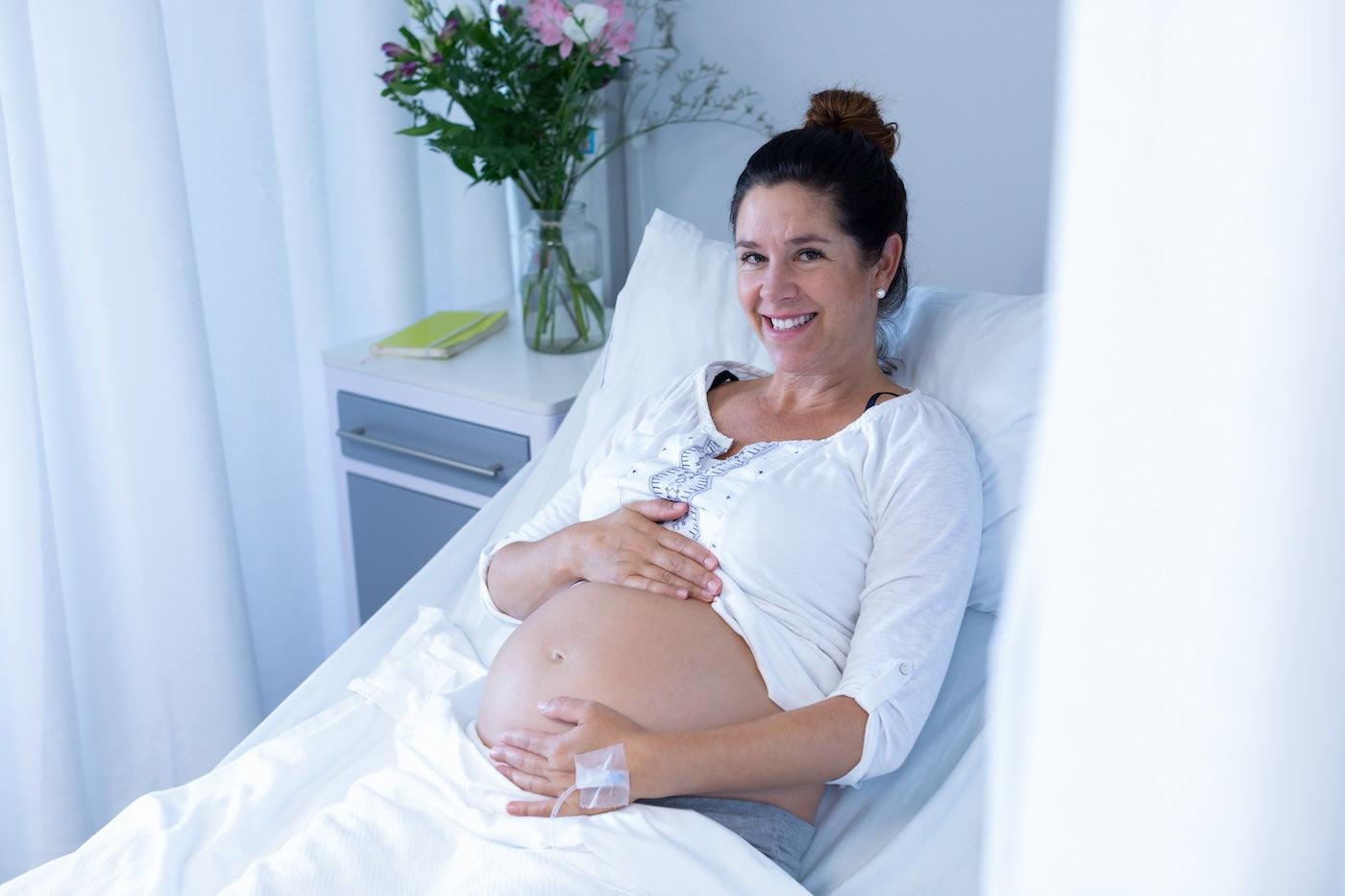
When it comes to labour, there’s no magic wand to wave to make all the more painful, stressful parts disappear. But there are steps you can take to prepare your body and mind, potentially making the whole experience smoother and more manageable. From building your birth team to practising relaxation techniques, we’ve rounded up expert-backed ways to make the big day as positive as possible.
1. Make a birth plan…but stay flexible.
A birth plan is a great tool to communicate your preferences with your healthcare team—but it’s important to keep it flexible. Think of it as a blueprint rather than a script. Your plan might include preferences around pain relief, who you want present, and newborn procedures like skin-to-skin contact or delayed cord clamping.
2. Take a childbirth education class.
Knowledge is power—and in labour, it’s calming, too. A good antenatal class covers the stages of labour, pain management options, and hands-on techniques like breathing exercises and birthing positions. Studies show childbirth education is associated with increased confidence and reduced fear during labour, which can even shorten the duration.
3. Strengthen your body for birth.
Labour is a workout! Staying active during pregnancy with approved exercises—like walking, prenatal yoga, or swimming—can help you build stamina, reduce back pain, and improve outcomes. Aim for 150 minutes of moderate-intensity aerobic activity per week. That’s the recommendation from major medical organisations such as the American College of Obstetricians and Gynecologists (ACOG), and is widely supported by British health professionals too.
4. Practise labour relaxation techniques.
Being tense can make labour feel more intense. Practising relaxation now helps train your body to let go and cope when the time comes. Techniques like progressive muscle relaxation, visualisation, and guided breathing are great tools to have on hand.
5. Try music therapy.
Don’t underestimate the power of a good playlist! Research shows that listening to music during labour can reduce pain perception and anxiety. Whether it’s calming instrumentals or energising beats, create a labour playlist that suits your vibe. Not sure where to start? Try these recs for putting together your birth playlist.
6. Consider perineal massage.
Studies suggest that a few minutes a day starting at 34 weeks can help stretch the tissues of the perineum, potentially lowering your risk of tearing or needing an episiotomy during birth.
7. Eat smart before induction or labour.
What you eat before labour can influence your energy levels and comfort. Light, nutritious, and easy-to-digest meals are ideal. And if you’re heading into an induction, it’s especially important to fuel up wisely (while following your doctor or midwife’s advice, of course!). Here’s what to eat before being induced.
8. Build a supportive birth team.
A partner, doula, friend, or family member can offer emotional and physical support throughout your labour. In fact, continuous support during birth has been shown to improve outcomes, including a reduced need for caesareans and shorter labours.
9. Review your pain relief options.
From epidurals to nitrous oxide (aka ‘the gas’) to natural comfort measures, there’s a wide range of pain relief tools available. Familiarise yourself with the options now so you feel empowered to make decisions when the time comes.
More on Labour & Baby Prep:
- How to Prep for Fourth Trimester Success
- Early Signs of Labour That Mean It's Almost Go Time!
- False Labour Signs: Are You in Labour or Not?
***
REFERENCES
- Santiváñez-Acosta, R., Tapia-López, E. L. N., & Santero, M. (2020). Music Therapy in Pain and Anxiety Management during Labour: A Systematic Review and Meta-Analysis. Medicina.
- Aksoy, D., Aksoy, B., & Dostbil, A. (2020). The Effects of Childbirth Education on Maternity Outcomes and Maternal Satisfaction. The Journal of Perinatal Education.
- American College of Obstetricians and Gynecologists (ACOG). (2021). Exercise During Pregnancy.
- Beckmann, M. M., & Garrett, A. J. (2006). Antenatal perineal massage for reducing perineal trauma. Cochrane Database of Systematic Reviews.
- Bohren, M. A., Hofmeyr, G. J., Sakala, C., Fukuzawa, R. K., & Cuthbert, A. (2017). Continuous support for women during childbirth. Cochrane Database of Systematic Reviews.
Descargo de responsabilidad: La información en nuestro sitio NO es un consejo médico para ninguna persona o condición específica. Solo se proporciona como información general. Si tiene alguna pregunta o preocupación médica sobre su hijo o sobre usted mismo, por favor contacte a su proveedor de salud. La leche materna es la mejor fuente de nutrición para los bebés. Es importante que, en preparación para la lactancia y durante la misma, las madres lleven una dieta saludable y equilibrada. La combinación de lactancia materna y alimentación con biberón en las primeras semanas de vida puede reducir la producción de leche materna y es difícil revertir la decisión de no amamantar. Si decide utilizar fórmula infantil, debe seguir las instrucciones cuidadosamente.
Principales noticias





COMPARTIR ESTE ARTÍCULO
ELECCIONES DE LOS PADRES
Más vendidos