BABY
It is a Myth That Lactose Intolerance in Babies Causes Colic
Lactose intolerance in adults is quite common...why wouldn't it aggravate infants?

Escrito por
Dr. Harvey Karp
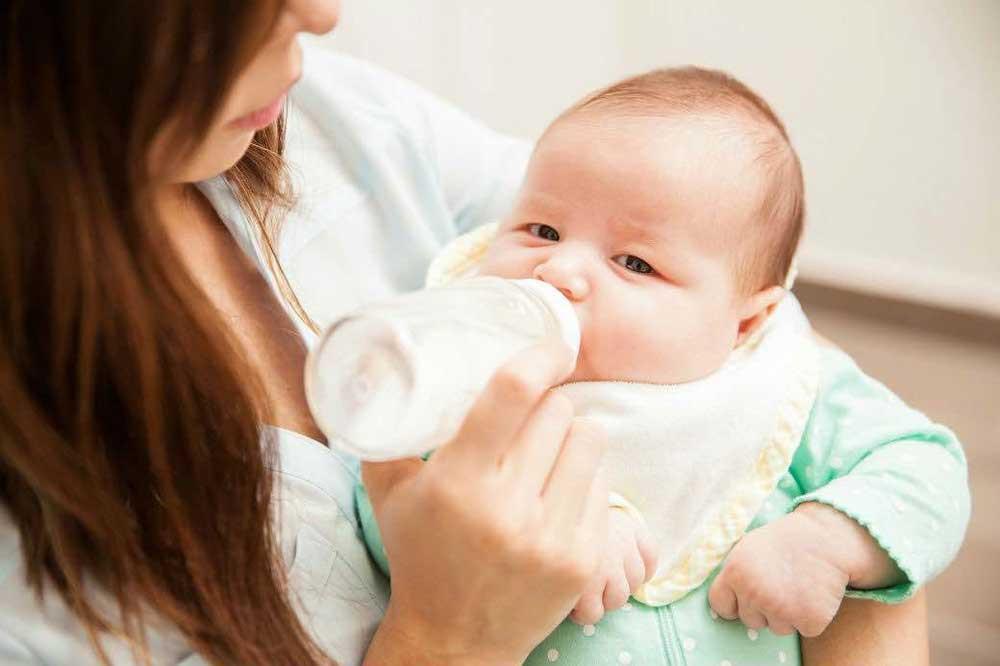
It is not surprising that some parents wonder if lactose intolerance in babies causes colic, or persistent crying. After all, lactose intolerance in adults is quite common...why wouldn't it aggravate infants?
Does Lactose Intolerance in Infants Cause Colic?
Think about it: If it did, there would be no ‘witching hour.’ Lactose consumption is pretty steady throughout the day, but colicky fussing tends to peak in the evening. But allow me to explain how this theory got started, and why it is a myth.
The lactose your baby eats is digested by the enzyme lactase in the intestine. With age, adults have less and less lactase. This makes some of us lactose intolerant causing bloating, bellyache and diarrhea after eating dairy products. This adult problem led some medical professionals to speculate that colicky babies might be suffering from stomach pain from lactose intolerance.
Soon, the markets were flooded with lactose-free formulas (soy, lactose-free cow’s milk, and special hypoallergenic milk) and special lactase-containing colic drops…all claiming to be a cure for colic and lactose sensitivity in babies. But this multimillion-dollar promotion was based on hype not health. A Canadian study showed no improvement from lactose-free formula in colicky babies. And an Australian study found no reduction in crying when fussy infants were given lactase in their mother’s milk.
Lactose for Babies Is Not the Enemy
Can babies digest lactose? In most cases, yes. Lactose literally means ‘milk sugar.’ Unlike regular table sugar (sucrose) or high-fructose corn syrup, lactose is very good for infants because it improves health three different ways:
- It is digested into glucose, the key fuel for your baby’s body…and brain.
- It provides loads of galactose, essential for building your baby’s nervous system.
- Any excess lactose that passes through the intestine undigested gets fermented—to gas plus a vinegar like acid—in the lower intestine. This causes frothy, acidic stools that can irritate your baby’s skin (not so nice). But the mild acid can also save your baby’s life by killing bad bacteria and boosting Lactobacillus acidophilus (fantastic!).
Lactose Intolerance Causes in Babies
While lactose intolerance in babies is rare, it can still occur. Lactose intolerance in babies stems from two causes:
- Premature newborn babies are more likely to have lactose intolerance for the first few weeks after birth due to developmental lactase deficiency. Lactose intolerance in premature babies tends to go away not long after birth.
- Genetic lactose intolerance in babies occurs when the lactase enzyme is not passed down. This prevents them from digesting lactose at all. You will likely see symptoms, such as severe diarrhea, after the first feeding.
If you have concerns that your baby has lactose intolerance, contact your paediatrician.
Keep in mind that a breast milk allergy differs from lactose intolerance, and may not be diagnosed by a lactose intolerance test. To learn more, read our article on milk allergies in babies.
Lactose Intolerance Symptoms in Babies
Common symptoms of lactose intolerance in babies include:
- Diarrhea with gas
- Vomiting
- Excessive gassiness and bloating
- Skin rash
- Frequent colds
These signs of lactose intolerance will be more or less frequent depending on the amount of lactose consumed by your baby. Since these symptoms are very common in newborn babies and infants, we recommend checking with your paediatrician for an accurate evaluation.
[Read More: Baby Poo Guide]
Final Thoughts: Lactose Intolerance in Babies and Colic
For colicky babies, try the 5 S’s and other tips in our Happiest Baby on the Block video to calm your baby fast and help promote longer and healthier sleep. If the fussiness persists, speak to your paediatrician.
Descargo de responsabilidad: La información en nuestro sitio NO es un consejo médico para ninguna persona o condición específica. Solo se proporciona como información general. Si tiene alguna pregunta o preocupación médica sobre su hijo o sobre usted mismo, por favor contacte a su proveedor de salud. La leche materna es la mejor fuente de nutrición para los bebés. Es importante que, en preparación para la lactancia y durante la misma, las madres lleven una dieta saludable y equilibrada. La combinación de lactancia materna y alimentación con biberón en las primeras semanas de vida puede reducir la producción de leche materna y es difícil revertir la decisión de no amamantar. Si decide utilizar fórmula infantil, debe seguir las instrucciones cuidadosamente.
Principales noticias






COMPARTIR ESTE ARTÍCULO
ELECCIONES DE LOS PADRES
Más vendidos