FIND US ON SOCIAL

Facebook linkYoutube linkInstagram linkTwitter link
View post on Instagram
 
View post on Instagram
 
View post on Instagram
 
View post on Instagram
 
View post on Instagram
 
View post on Instagram
 
View post on Instagram
 
View post on Instagram
 
View post on Instagram
 
View post on Instagram
 

Join the Fam,

Stay in the Know

JOIN OUR COMMUNITY

Sign up to get helpful tips, offers, and more!

ABOUT

Mission & FoundersThe 5 S’sBlog

SUPPORT

FAQsProduct RegistrationFees, Shipping, and ReturnsReturns PortalContact Us

COMMUNITY

AffiliatesAuthorised Partners

LEGAL

Terms of SalePrivacy PolicyCookie PolicyTerms of ServiceEULASNOO Limited WarrantyLegal NoticeRight of WithdrawalCookie PreferencesAll Legal Terms

SHOP

SNOO Smart SleeperSleepea SwaddleSNOObear White Noise LoveySNOObie Smart Soother

© 2025 Happiest Baby, Inc. | All Rights Reserved

All third party trademarks (including names, logos, and icons) referenced by Happiest Baby remain the property of their respective owners. Unless specifically identified as such, Happiest Baby’s use of third party trademarks does not indicate any relationship, sponsorship, or endorsement between Happiest Baby and the owners of these trademarks. Any references by Happiest Baby to third party trademarks are to identify the corresponding third party goods and/or services and shall be considered nominative fair use under the trademark law.

    Happiest Baby
    BLOG
    FAQS

    BABY

    Can Babies Be Allergic to Breastmilk?

    Allergies may explain why your baby cries after nursing.

    Dr. Harvey Karp

    Written by

    Dr. Harvey Karp

    SHARE THIS ARTICLE

    Share on FacebookShare on TwitterShare on LinkedinShare on PinterestShare via EmailCopy to clipboard link
    breastmilk allergy

    ON THIS PAGE

    • Milk Allergy in Infants
    • Milk Allergy Symptoms in Babies
    • Diagnosing Breastfeeding Allergies

    SHARE THIS ARTICLE

    Share on FacebookShare on TwitterShare on LinkedinShare on PinterestShare via EmailCopy to clipboard link

    PARENT PICKS

    Bestsellers

    SNOO Smart Sleeper Bassinet

    SNOO Smart Sleeper Baby Cot

    €1,395.00

    Sleepea® 5-Second Baby Swaddle Rainbow

    Sleepea® 5-Second Baby Swaddle

    €32.95

    100% Organic SNOO Sleep Sack Blue Tie-Dye

    100% Organic SNOO Sleep Sack

    €34.95

    SNOObie® Smart Soother

    €69.95

    SNOObear in Cocoa Woolly colour

    SNOObear® 3-in-1 White Noise Lovey

    €54.95

    SNOO Smart Sleeper Bassinet with mosquito net attached

    Shoo Mosquito Net

    €88.00

    Sky Mobile’s clouds

    Sky Mobile

    €89.95

    100% Organic Cotton SNOO Baby Cot Fitted Sheet in blue tie-dye colour in the box

    100% Organic Cotton SNOO Baby Cot Fitted Sheet

    €19.95

    SNOO Organic Baby Cot Sheets 3 Pack in 3 different colours

    SNOO Organic Baby Cot Sheets 3 Pack

    €59.85

    €38.90

    Sleepea® Comforter Swaddle in rose colour

    Sleepea® Comforter Swaddle

    €42.95

    100% Organic SNOO Sleep Comforter Sack in graphite colour

    100% Organic SNOO Sleep Comforter Sack

    €44.95

    Sleepea® Swaddle Sack 3 Pack Bundle in teal planets colour

    Sleepea® Swaddle Sack 3 Pack Bundle

    €98.85

    €69.20

    More on Baby

    A curled-up newborn baby

    BABY

    What’s the Newborn Scrunch?

    Here’s the scoop about this adorable reflex.

    A mum and her newborn baby doing skin-to-skin

    BABY

    Why Holding Your Baby Skin-to-Skin Is So Powerful

    From regulating body temperature to promoting bonding, the benefits of skin-to-skin are profound!

    Milk Allergy in Infants

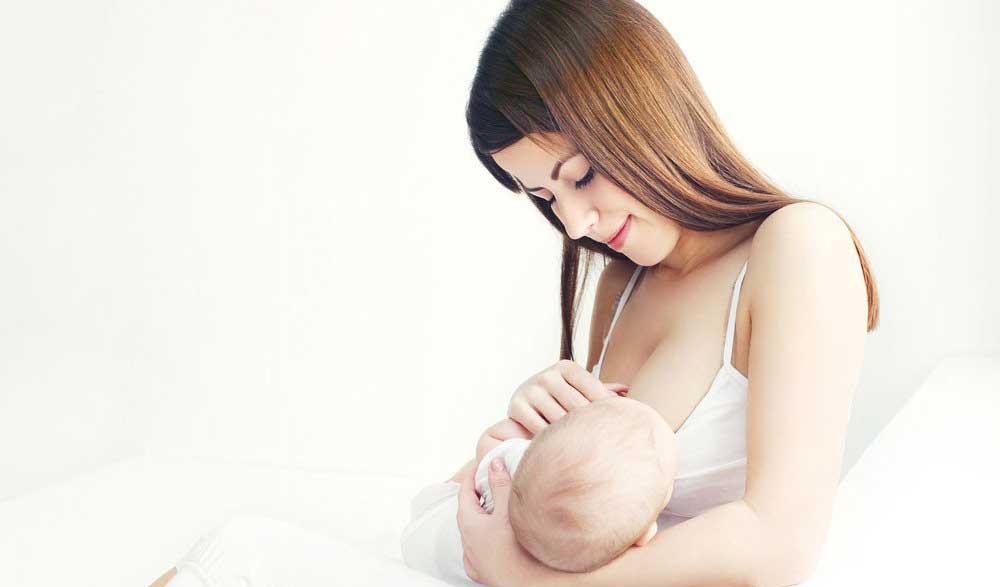
    If your baby seems extra fussy, gassy, barfy, snorty, or rashy you may wonder, ‘Can babies be allergic to breastmilk?’ The answer? No, the natural breastmilk proteins are so mild that they do not provoke allergies in babies. However, here is the big BUT. Babies can be allergic to foods that you eat…tiny bits of which can sneak into your milk!

    How do we know infants do not get breastmilk allergies? In 1983, Swedish scientists proved that even colicky babies are totally fine with their mum’s milk, however, they can be allergic to proteins that pass through mum’s intestines into her bloodstream and then into her milk.

    And, those foreign invaders can sometimes create major hassles. About 10% of colic is caused by a baby food allergy—most often the common allergenic foods, like dairy, soy, citrus, eggs, nuts, etc.—or food sensitivity—like caffeine in coffee, chocolate, tea, cola, Chinese herbs, or decongestant medicine. (Most colic has nothing to do with the intestines. It is actually an imbalance of too much chaos and too much quiet and  too little rhythmic stimulation. That is why fussy babies can often be soothed by the 5 S’s.)

    Milk Allergy Symptoms in Babies

    Allergies are an overreaction of the immune system as it tries to protect us from foreign proteins. In older children and adults, the fight between your body and say, cat dander or pollen, takes place ‘up high,’ causing a runny nose or sneezing. But with infants, the allergy battleground is in the intestines. Here are the most common symptoms of milk allergies in infants.

    • A lot of spitting up
    • Vomiting
    • Signs of abdominal pain (crying and grunting)
    • Slimy diarrhea or blood in stools
    • Hives
    • Eczema (itchy red rash inside knees, elbows, neck) or Scaly skin rash
    • Coughing or wheezing
    • Watery eyes, runny nose’ or stuffy nose
    • Swelling (especially of the lips, tongue’ or throat)

    Diagnosing Breastfeeding Allergies

    Within 30 minutes of a mum eating a meal, tiny bits of proteins make it all the way from her belly to her breast…and can hang out in there for hours. As mentioned, the most common food allergies babies fall prey to are cow’s milk and soy, and much less common are eggs, nuts, citrus, wheat, and shellfish. (The exact same things that cause allergies in big people.) Your healthcare provider may recommend you go a week without consuming these foods (also known as an “elimination diet”…also known as just chicken and water…ugh!) to see if the symptoms improve, which usually takes 3-7 days to notice. And then, if things do get better, your health care provider will likely have you do a food challenge, to see if the symptoms come back, which usually happens in just 1-2 days.

    If you have concerns about your baby possibly having allergies (from fussing to huge spit ups to stringy, red-tinged mucus in the poo), make sure you discuss that with your healthcare provider.

    Disclaimer: The information on our site is NOT medical advice for any specific person or condition. It is only meant as general information. If you have any medical questions and concerns about your child or yourself, please contact your health provider. Breastmilk is the best source of nutrition for babies. It is important that, in preparation for and during breastfeeding, mothers eat a healthy, balanced diet. Combined breast- and bottle-feeding in the first weeks of life may reduce the supply of a mother's breastmilk and reversing the decision not to breastfeed is difficult. If you do decide to use infant formula, you should follow instructions carefully.


    Top Stories

    Dr. Harvey Karp uses the 5 S's to soothe a fussy baby

    BABY

    The 5 S's for Soothing Babies

    A baby in the Fourth Trimester

    BABY

    What Is the Fourth Trimester?

    Sleeping newborn

    BABY

    Newborn Baby White Noise Benefits

    A baby with a pacifier

    TODDLER

    How and When to Stop Pacifier Use

    Mother holds baby during the 3- to 4-month sleep regression

    BABY

    Don't Get Blindsided by the 3- to 4-Month Sleep Regression

    A mother gives her newborn baby a dream feed

    BABY

    What Is Dream Feeding?...And How Do I Do It?