BABY
10-Week-Old Baby Milestones
Do you ever feel like someone is watching you? If your baby is 10 weeks old, you’re absolutely right!

Escrito por
Dr. Harvey Karp

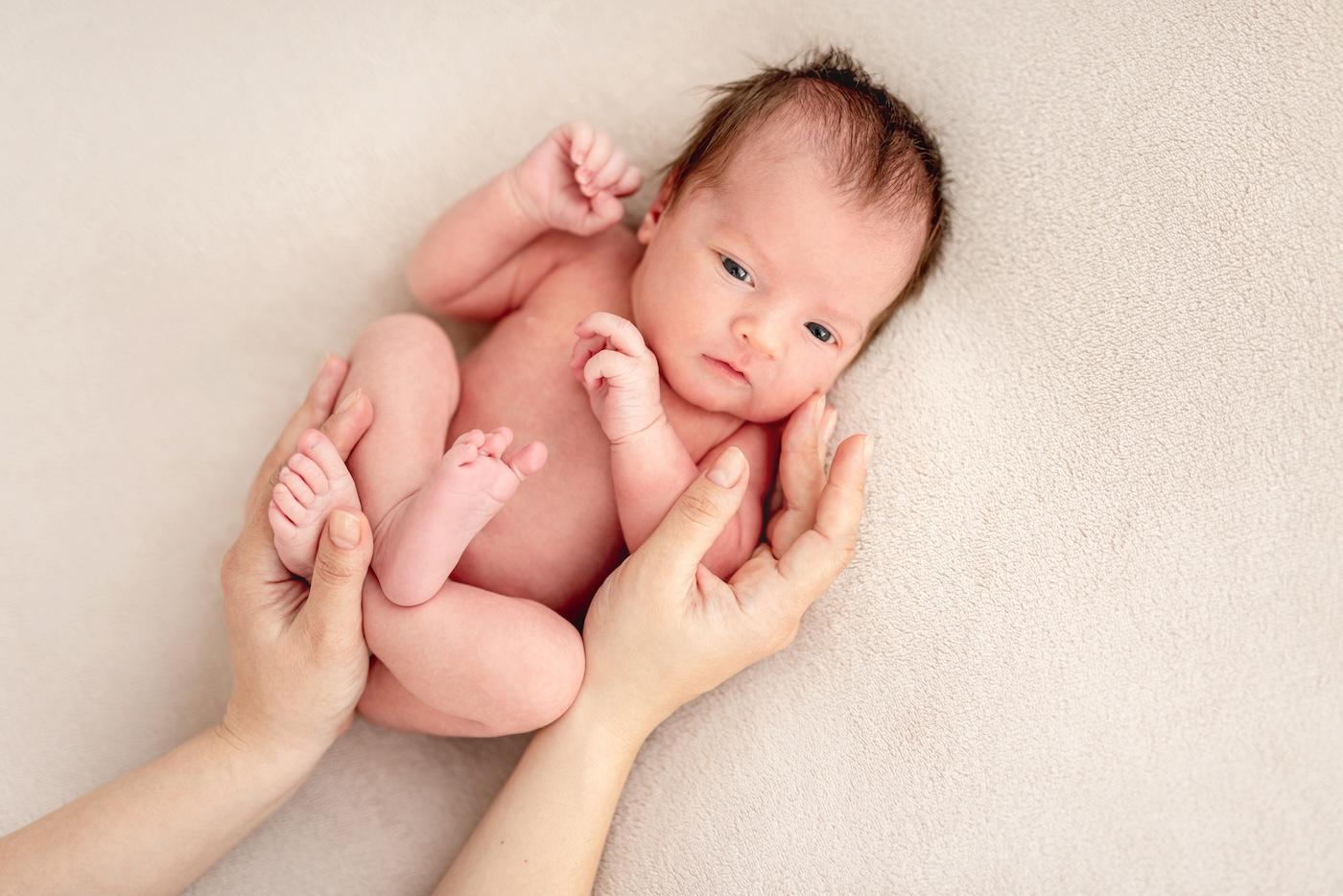
Do you ever feel like someone is watching you? If your baby is 10 weeks old, you’re absolutely right! At this age, babies adore studying our face! Although your little one has been able to recognise you for weeks, they are increasingly fascinated by all the fun faces you can make. And it doesn’t take long for one of those expressions to prompt a smile from your little admirer.
Whether your newest addition is your first child or has joined a family with big sibs, every baby comes with an adjustment period. Changing nappies, feeding your baby, and maybe even getting out of the house on walks may feel like a breeze by now. But, what about the other ways you used to spend your time before your baby arrived? Although you have a new list of priorities, it’s wise to still put self-care on the schedule and make an effort to spend quality time with your partner and friends.
Not having a babysitter is no reason to skip the date night entirely…babies can be fine restaurant companions! Believe it or not, your baby is a quieter third-wheel at this point than they will be a year or two down the road.
Your 10-Week-Old Baby’s Development
Colours, Textures, Shapes—Oh My!
Your baby has been taking in their surroundings from the very beginning. But now they are really starting to make sense of the world around them! By recognising patterns, seeking out familiar faces, and processing all sorts of sensory information, they are constantly learning.
This is all an important part of your baby’s cognitive development, which is a big term that describes how we pick up, mentally organise, and learn to use knowledge. In other words, it’s all about putting the pieces together! Babies also don’t need anything too fancy to learn a whole bunch. Sensory toys and activities are great for sparking your baby’s curiosity. And that includes those “toys” you already have in your house, like crinkly wrapping paper or shiny kitchen pot.
10-Week-Old Baby Milestones
There are two (equally important) categories for motor skills: gross motor skills that use large muscles and fine motor skills that use smaller muscles. Those two sets of skills often work in harmony, such as when you lift your arm and wiggle your fingers.
When it comes to your 10-week-old baby, some of the gross motor skills they are actively working on probably include learning to roll, keeping their head and upper torso raised during tummy time, and kicking their legs. During what appear to be calmer moments, they may also be trying hard to master some fine motor skills, such as moving their fingers, raising their hand to their mouth, and whacking out to grab something, like your glasses. Lots of times they intently look at something—as if they would like to grab it—but rather than reach out, their little hands grasp each other, exploring their own entwined fingers.
Note: Now that your baby is just beginning to reach out and hit their targets, you must be super careful about burns. NEVER have a glass of hot liquid in your hand—or on the table in front of you—when your baby is in your arms or you’re seated at the table.
Future Baby Milestones to Watch
Your baby is currently between well-child visits (which is when your provider will assess your little one’s development), but at your next check-up (which occurs at 4 months), your provider will likely ask you about these milestones:
- Does your baby smile spontaneously? (More about Baby’s first smile)
- Does your baby laugh?
- Does your baby look at you, move, or make sounds to get your attention?
- Does your baby make cooing noises (oooh’s and aaah’s)?
- Does your baby respond to sounds you make with their own sounds?
- Does your baby turn to look at you when they hear your voice?
- Does your baby open their mouth to show they’re hungry when they see a bottle or breast?
- Does your baby look at their own hands with interest?
- Can your baby keep their head steady when held?
- Can your baby hold a toy when it’s placed in their hand?
- Does your baby bring hands to mouth?
- Can your baby push to elbows or forearms during tummy time?
Every baby is different—so your baby may check off some of these items “early” and other skills may take longer to achieve. It’s important to know that there’s a wide range of what’s considered normal!
Your 10-Week-Old Baby’s Health
A Yucky Milestone: Baby’s First Cold
Whether the germs come from daycare, the library, or Big Sis, it’s unfortunately only a matter of time before your baby develops their first case of the sniffles. (Sorry to be the bearer of bad news, but kids experience an average of 8 to 10 colds during the first two years.) While a fever for a baby younger than 3 months (or any lethargy or irritability) always merits a call to the doctor, a stuffy nose may be treatable with some TLC at home. If there is no improvement or symptoms worsen within a few days, follow up with your paediatrician.
- Common cold symptoms for babies include stuffy or runny noses, fussiness, sneezing, coughing, decreased appetite, difficulty nursing or taking milk from a bottle, and low-grade fevers. (Remember, you’ll want to see a doctor if your baby’s temperature rises above 100 degrees Fahrenheit during the first three months.)
- Signs of a more serious illness, such as pneumonia, flu, or croup, include wheezing, high fever, vomiting, shakes or chills, rapid breathing, and a worsening cough. If any of these symptoms appear, seek medical treatment as soon as possible.
- You can help treat a common cold by using a nasal aspirator to clear your baby’s nose, keeping a humidifier in their room, using a nasal saline spray, very slightly elevating the head of the bed (don’t put anything in your baby’s bed that could cause suffocation…and never elevate more than one inch), and offering lots of breastmilk or formula. (More on treating your baby's cold.)
One old home remedy is to put two to three drops of fresh milk right from your breast into a dropper and then into your baby’s nose. Sounds odd? Interestingly, baby germs go up into the breasts and the immune tissue inside can make antibodies specifically against the illness the baby is fighting off. It’s like a tailor-made antibiotic.
Descargo de responsabilidad: La información en nuestro sitio NO es un consejo médico para ninguna persona o condición específica. Solo se proporciona como información general. Si tiene alguna pregunta o preocupación médica sobre su hijo o sobre usted mismo, por favor contacte a su proveedor de salud. La leche materna es la mejor fuente de nutrición para los bebés. Es importante que, en preparación para la lactancia y durante la misma, las madres lleven una dieta saludable y equilibrada. La combinación de lactancia materna y alimentación con biberón en las primeras semanas de vida puede reducir la producción de leche materna y es difícil revertir la decisión de no amamantar. Si decide utilizar fórmula infantil, debe seguir las instrucciones cuidadosamente.
Principales noticias






COMPARTIR ESTE ARTÍCULO
ELECCIONES DE LOS PADRES
Más vendidos