PARENTS
Understanding Attachment Styles
From the first sleepy snuggles to the fifteenth diaper change of the day, your baby is learning one big lesson: “When I signal, does someone come?”

Written by
Happiest Baby Staff
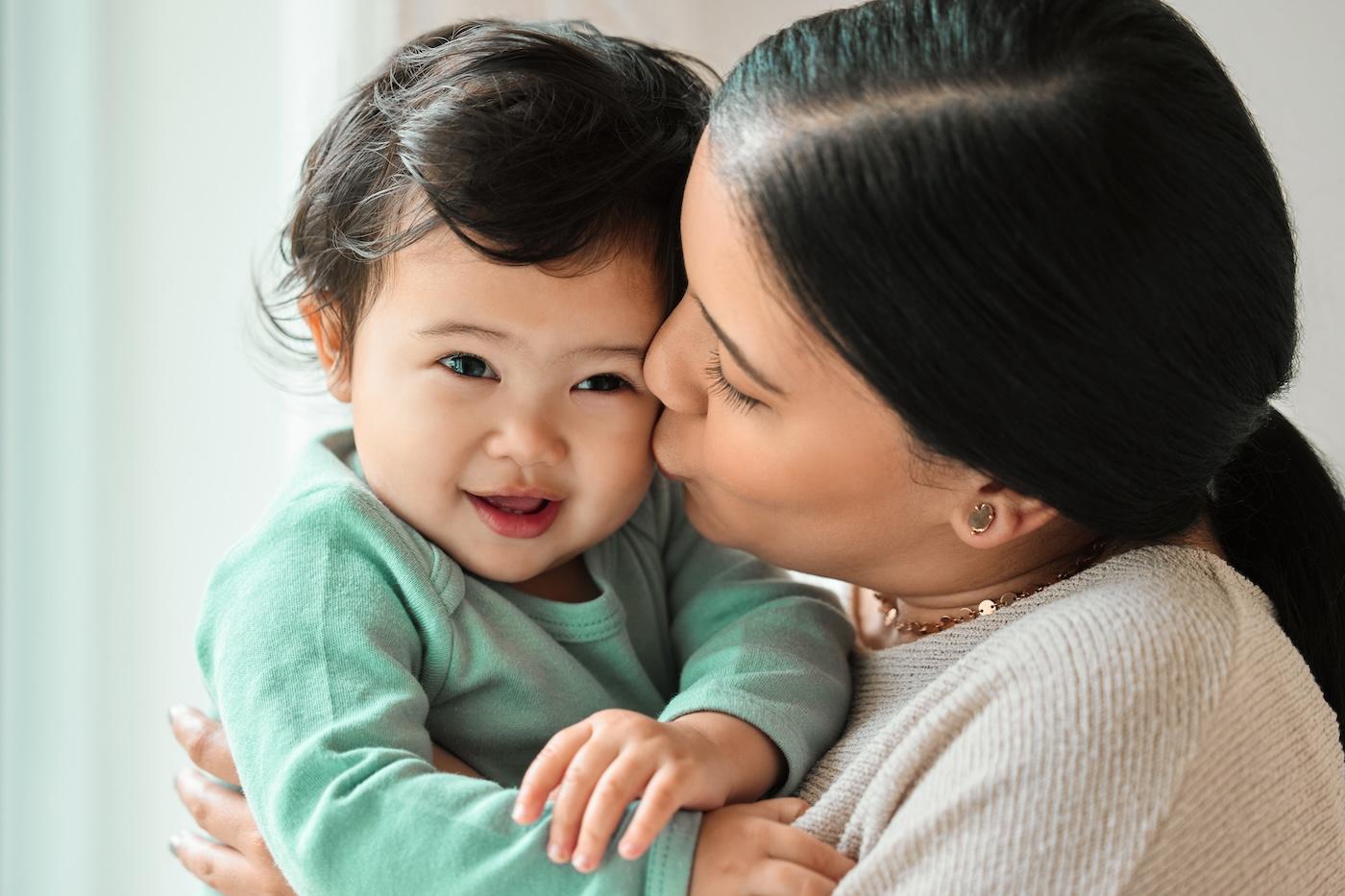
From the first sleepy snuggles to the fifteenth nappy change of the day, your baby is learning one big lesson: “When I signal, does someone come?” Those hundreds of everyday “serve and return” moments—eye contact, soothing words, cuddles, and calm repairs after fusses—are the building blocks of attachment, the deep bond that helps little ones feel safe enough to explore, learn, and eventually soothe themselves.
You may hear people talk about attachment styles—secure, avoidant, ambivalent (anxious), and disorganized. These aren’t grades for your parenting (promise!), but these patterns reflect how babies seek comfort and confidence.
The good news: Attachment grows over time through good-enough, responsive care—not perfect responses. In this guide, we’ll unpack what attachment really means for babies and toddlers, how different styles show up in plain parent terms, and simple, everyday ways to nurture security. Whether bonding felt instant or has been a slow bloom, you have countless chances each day to be your child’s safe place.
What is attachment?
In early childhood, attachment is the emotional bond that forms between a baby and their primary caregivers. When caregivers are consistently responsive and available, babies learn the world is safe and people can be trusted, fueling exploration, language, and self-soothing skills. This idea goes back to John Bowlby and Mary Ainsworth’s classic research, including Ainsworth’s famous Strange Situation studies of infant-caregiver separation and reunion.
Why Attachment Matters for Babies and Toddlers
Secure, steady relationships lay the groundwork for healthy social-emotional development (the way kids express feelings, build relationships, and manage stress). Paediatric and public-health organizations point to responsive caregiving and daily “back-and-forth” (what researchers call “serve and return”) as keys to brain building and secure attachment.
The Four Attachment Styles
Researchers have identified four distinct attachment styles. Though it might be tempted to assign one to yourself as though you’re taking a personality quiz, keep in mind that these are descriptions—not diagnoses. Plus, they change with caregiving and time!
- Secure: “I can count on you.” The baby uses their caregiver as a safe base to explore, is upset when they leave, and is soothed when they return.
- Insecure–Avoidant: “I’ve learned to go it alone.” Baby appears cool or distant when reuniting with their caregiver, having learned comfort may not be available.
- Insecure–Ambivalent/Resistant (often called “anxious”): “I want you close…but I’m not sure you’ll stay.” The baby clings, is hard to soothe, and may resist settling after separation.
- Disorganized: “I feel torn and overwhelmed.” The baby’s behavior looks inconsistent or frozen In research, this pattern is linked to frightening or unpredictable care.
What shapes a baby’s attachment?
You’re influencing your baby’s attachment style all day long, including with:
Responsive caregiving: picking up on your baby’s cues and comforting them consistently.
Serve and return interactions: responding to coos and gestures with eye contact, words, and touch.
Everyday routines: feeding, diapering, sleep, play—all done with warmth and predictability!
Multiple caregivers can be secure bases: attachment isn’t only to one person!”
How to Nurture Secure Attachment
To boost your bond with your little one, you don’t need to respond instantly or flawlessly! Studies and paediatric guidance emphasize “good enough” responsiveness over time—repairing after misses and staying warm, predictable, and available. Know that if bonding didn’t feel instant after birth, that’s common—and it can grow.
- Tune in to cues. Notice early signs of hunger and sleepiness and respond before your little one is in distress.
- Practice lots of “serve and return.” Copy your baby’s sounds, narrate what they see, and wait for their “serve” again.
- Use calming touch and eye contact.Skin-to-skin, gentle rocking, and predictable routines help babies settle and feel safe.
- Name feelings and echo them back (in other words, practice the Fast Food Rule). For toddlers: “You’re mad the tower fell. You’re so mad! I’m here. Let’s try again.”
- Create cozy rituals. Read, sing, and cuddle at the same times each day.
- Care for the caregiver. You can’t pour from an empty cup—and you’re not going to be the responsive caregiver your little one needs if you’re burnt out. Take time for yourself, lean on friends and family, and consider speaking to a professional if you’re concerned about your mental health.
Attachment Styles vs. Attachment Disorders
Attachment styles describe patterns of comfort-seeking and exploration in typical development, where attachment disorders (like Reactive Attachment Disorder or Disinhibited Social Engagement Disorder) are rare, clinical conditions tied to extreme neglect. These are typically diagnosed by mental health professionals. If you have concerns, talk with your Paediatrician—they can guide you to specialists!
Common Attachment Myths—Busted
Because attachment theory has lodged itself in pop culture, it’s also planted a few myths:
- Myth: “If I let my baby cry sometimes, I’ll cause an insecure style.”Occasional misses happen! What matters is consistent, overall warmth and repair.
- Myth: “Attachment is only to one person.” Babies can form secure attachments with multiple responsive caregivers!
- Myth: “Attachment styles are fixed for life.” Relationships and supportive interventions can shift patterns over time.
When to Reach out for Extra Support
Talk with your Paediatrician if you’re worried about: persistent difficulty soothing; very limited eye contact; little interest in people; or major changes after stress/trauma. You deserve support, too—postnatal mood concerns and parental stress can affect responsiveness, and help works.
***
REFERENCES
- APA Dictionary of Psychology: Attachment Style
- ParentInfant Attachment, Paediatricin Review, January 2015
- World Health Organisation: Early Childhood Development and Care — Attachments, Secure Relationships
- Harvard University Centre on the Developing Child: Serve and Return
- APA Dictionary of Psychology: Secure Attachment
- APA Dictionary of Psychology: Avoidant Attachment
- APA Dictionary of Psychology: Ambivalent Attachment
- APA Dictionary of Psychology: Disorganized Attachment
- Early Psychosocial ParentInfant Interventions and ParentInfant Relationship Outcomes of Children Born Preterm, Frontiers in Psychology, March 2024
- Promoting Safe, Secure, Nurturing Relationships: Early Relational Health, The Lancet Child & Adolescent Health, 2024
- American Academy of Paediatrics: Promoting Safe, Secure & Nurturing Relationships
- MedlinePlus: ParentChild Attachment – Patient Instructions
- American College of Obstetricians and Gynecologists: Bonding with Your Newborn – What to Know If You Don’t Feel Connected Right Away
- Child Mind Institute: Quick Guide to Reactive Attachment Disorder
Disclaimer: The information on our site is NOT medical advice for any specific person or condition. It is only meant as general information. If you have any medical questions and concerns about your child or yourself, please contact your health provider. Breastmilk is the best source of nutrition for babies. It is important that, in preparation for and during breastfeeding, mothers eat a healthy, balanced diet. Combined breast- and bottle-feeding in the first weeks of life may reduce the supply of a mother's breastmilk and reversing the decision not to breastfeed is difficult. If you do decide to use infant formula, you should follow instructions carefully.






SHARE THIS ARTICLE
PARENT PICKS
Bestsellers