PARENTS
Breastfeeding Tips for Better Sleep
If you're nursing before bed, check out these tips to boost sleep.

Geschrieben von
Dr. Harvey Karp
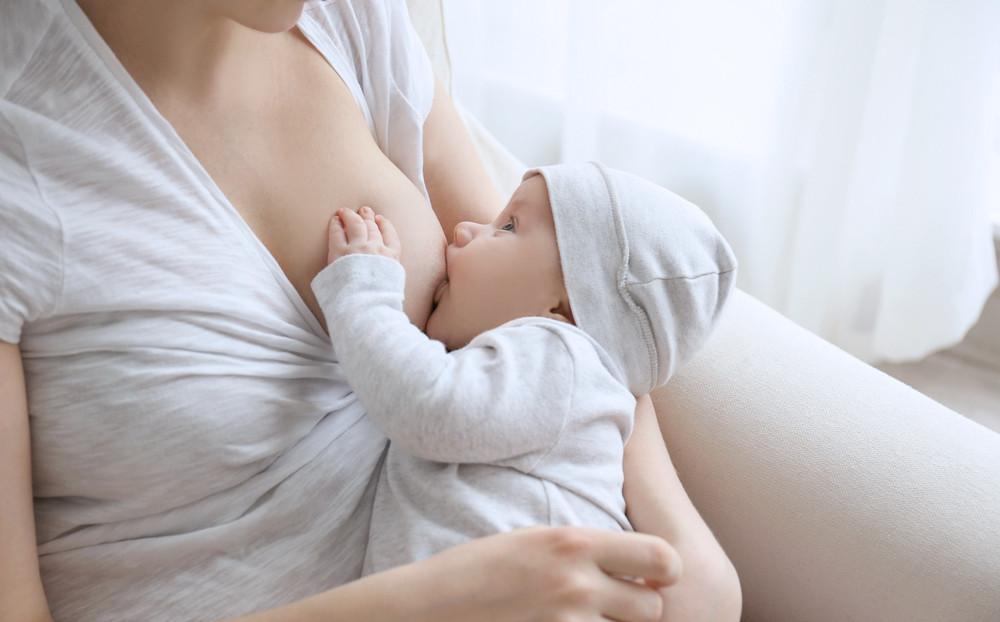
Breast milk is fascinating stuff! It changes dramatically during the course of a feeding. The first milk to spurt out (foremilk) is loaded with protein and antibodies, and it has extra water to satisfy your baby’s thirst.
How Long Should Baby Nurse to Get Hindmilk?
After 10 to 15 minutes of the first milk, as the breast empties, the milk flow slows and gets richer, releasing the sweet, creamy hindmilk.
Foremilk and Hindmilk
Some experts worry that feeding a baby for 5 to 10 minutes alternating between each breast will fill the baby with the more watery foremilk and lead to more night waking. They think that the baby must get the rich hindmilk to make him sleepy (like a heavy meal makes us drowsy).
Others believe that babies drink down more milk when you are alternating breasts during each meal. (More milk flows quickly during the first minutes of a feeding; then it slows down to a slow drip, drip, drip.)
Here is my personal recommendation: Try both ways to see what is best for your baby.
How Long Should Newborns Nurse?
If one breast keeps him sleeping 4 hours at night, there is no need to switch. But if he seems hungry too often or he is gaining weight too slowly, give 5 minutes on one side and then 10-15 minutes (or even longer) on the other. That way, your baby will get the foremilk from both breasts and still get all the hindmilk from the second side. (And any hindmilk left in the breast at the end of a feeding will stay there and just boost the calories of the next meal.)
Feeding Your Baby Breastmilk vs Formula
Interestingly, babies who eat formula sleep fine, despite there being absolutely zero difference between the first gulp of milk and the last. So, probably the foremilk/hindmilk issue is not that important.
Are you having difficulty putting your baby to sleep before or after feedings? The SNOO smart sleeper is a baby cot that aids self-soothing and sleep for your baby by using white noise and motion.
Haftungsausschluss: Die Informationen auf unserer Website sind KEINE medizinischen Ratschläge für eine bestimmte Person oder einen bestimmten Zustand. Sie sind lediglich als allgemeine Informationen gedacht. Wenn Sie medizinische Fragen und Bedenken bezüglich Ihres Kindes oder Ihrer eigenen Gesundheit haben, wenden Sie sich bitte an Ihren Gesundheitsdienstleister. Muttermilch ist die beste Quelle der Ernährung für Babys. Es ist wichtig, dass Mütter in Vorbereitung auf das Stillen und währenddessen eine gesunde, ausgewogene Ernährung zu sich nehmen. Die Kombination von Stillen und Flaschenernährung in den ersten Lebenswochen kann die Muttermilchversorgung verringern und die Entscheidung, nicht zu stillen, ist schwer rückgängig zu machen. Wenn Sie sich entscheiden, Säuglingsnahrung zu verwenden, sollten Sie die Anweisungen sorgfältig befolgen.
Top-Nachrichten






DIESEN ARTIKEL TEILEN
ELTERN WAHL
Bestseller