BABY
Hand-Foot-Mouth Disease: What Parents Need to Know
Hand-foot-mouth disease sounds pretty gross (and kind of scary), but it’s actually a fairly common viral infection—here are the facts.

Geschrieben von
Dr. Harvey Karp
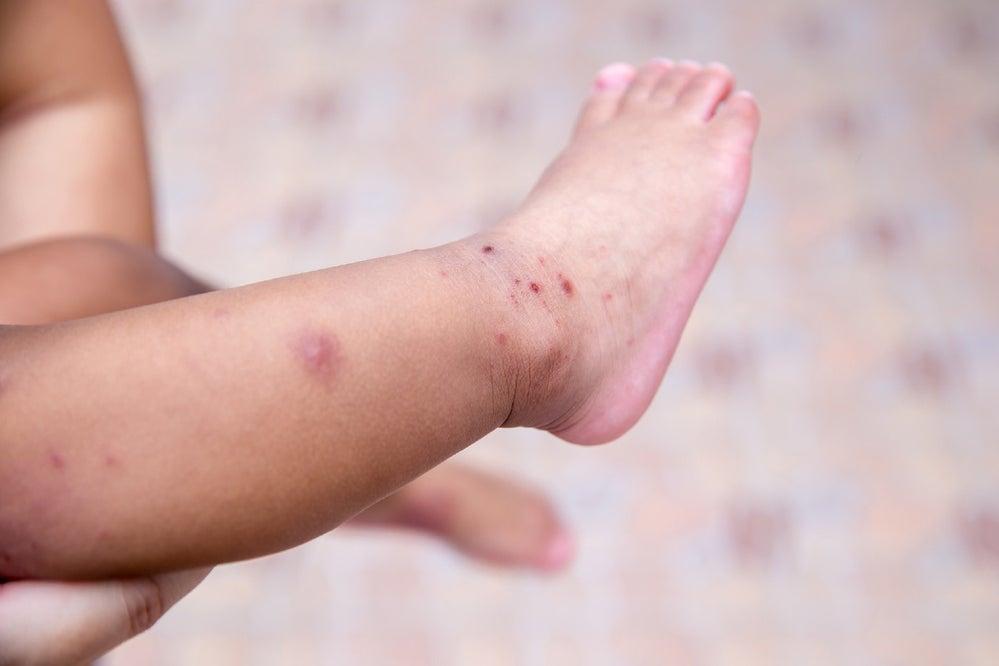
Hand-foot-mouth disease (HFM) sounds pretty gross (and kind of scary), but know that it is actually a fairly common viral infection that is not super serious. In fact, most kids get better within 10 days with little to no medical treatment. But it is still not a pleasant ordeal for a child to go through! And because it is contagious, it tends to spread quickly in crèches and schools, so being on top of the situation is a must.
What is hand-foot-mouth disease?
The quick and dirty is this: Hand-foot-mouth is caused by a group of viruses called enteroviruses. Coxsackievirus A16 is the most common virus that causes HFM. Kids under 5 years old are the most susceptible, but it can affect older children and adults as well. There are typically more outbreaks in the summer and fall.
What are the symptoms of hand-foot-mouth disease?
It takes three to six days for a child with hand-foot-mouth disease to show symptoms after exposure.
Symptoms of hand foot mouth disease in children:
- First signs often mimic the common cold, with a fever, runny nose, or sore throat.
- Soon after, a blistery rash appears on the hands (and fingers), feet, and/or mouth (and sometimes in the nappy area), including the gums and tongue.
- All blisters are about the same size (not much bigger than a pencil eraser). Blisters can make the hands and feet sore, but the mouth sores are often pretty miserable (kids drool and refuse food/drink).
Symptoms last about a week. FYI: After a week or two, the skin on your child's hand and feet might peel. This is totally normal and nothing to be concerned about.
How does hand-foot-mouth disease spread?
Hand-foot-mouth disease is easily spread through direct contact from other infected people, whether a grownup or a child. That means an infected person can spread the virus via respiratory droplets when they cough, sneeze, or even just talk. It also means that you or your child could become infected by touching toys or other objects that are contaminated with the virus. For instance, if your kid plays with a truck where the virus sits, then puts his hands in his mouth or rubs his eyes, he will introduce the virus into his body.
The virus can also be transmitted by faecal contact. (Yes, it is icky, but it is a common thing with kids, especially those who are toilet training or are still newbies to the potty.) If a sick child has unwashed hands and plays with toys, other children could get sick by playing with those toys and putting those objects or their hands in their mouths. Adults are not immune, either: Changing nappies without washing your hands is another way to contract the virus.
Finally, the fluid from HFM blisters and scabs can cause transmission, too. Say, your child gives a big hug to her nursery school buddy who is infected. She may touch a sore and get sick. All of the above is why crèches, paediatrician offices, and schools can be sources of such rapid infection—and why it is so important to practise good hand-washing and disinfecting methods.
While kids are more contagious while they have blisters and mouth ulcers, their stool can be contagious for up to a few months. Having said that, official guidance is that kids can still go to school as long as they are not feeling unwell.
How is hand-foot-mouth treated in children?
Usually, hand-foot-mouth disease goes away on its own in seven to 10 days. Good thing, because there is no medicine for it! The best you can do is help make your child more comfortable.
Your health care provider may advise:
- Over-the-counter ibuprofen or acetaminophen to lessen fever and pain
- Soft, easy-to-eat foods like applesauce—cold food feels better in the mouth and older kids like homemade popsicles and frozen yogurt (to numb mouth sores and prevent dehydration)
- Prescription mouthwash help relieve mouth sore discomfort
- Using straws—they help direct fluids away from mouth sores
- Keeping the skin as clean as possible
When should you see a healthcare provider about hand-foot-mouth disease?
First you want to make sure you are dealing with hand-foot-mouth disease and not a more serious cause of blistering. For example:
- Impetigo is pretty common in young kids. It causes blisters that vary in size, from pinpoint to 1 cm and can occur on the body’s soft skin (armpit, nappy area, face, body…but rarely on the palms or soles). The blisters often quickly break, leaving a red round raw area.
- Herpes is uncommon, but it causes blisters that mostly occur in the mouth or groin.
- Steven Johnson Syndrome is quite rare—usually a reaction to a medication—with bigger blisters (2-5 cm or more), which can also affect the eyes.
Dehydration is the most common complication of HFM (thanks to painful mouth sores that make swallowing difficult). Signs of dehydration include:
- Less pee (it is dark yellow and/or has a strong odor)
- Less drool (the tongue is slightly wet or even dry, but not slobbery)
- Crying without tears
If you suspect dehydration, immediately speak with your healthcare provider or go to the hospital to be checked.
Always call your paediatrician if you have ANY concerns about your child’s health. Here are a few additional reasons to reach out for your provider’s advice:
- Fever lasting more than three days
- Stiff neck
- Irritability or lethargy without any happy, playful period
- Symptoms that do not get better in 10 days or seem severe
- Baby is under 6 months old
- Child has weakness of the immune system
- Any of the sores appear infected (for example, are painful, swollen, have pus, or spreading redness)
Haftungsausschluss: Die Informationen auf unserer Website sind KEINE medizinischen Ratschläge für eine bestimmte Person oder einen bestimmten Zustand. Sie sind lediglich als allgemeine Informationen gedacht. Wenn Sie medizinische Fragen und Bedenken bezüglich Ihres Kindes oder Ihrer eigenen Gesundheit haben, wenden Sie sich bitte an Ihren Gesundheitsdienstleister. Muttermilch ist die beste Quelle der Ernährung für Babys. Es ist wichtig, dass Mütter in Vorbereitung auf das Stillen und währenddessen eine gesunde, ausgewogene Ernährung zu sich nehmen. Die Kombination von Stillen und Flaschenernährung in den ersten Lebenswochen kann die Muttermilchversorgung verringern und die Entscheidung, nicht zu stillen, ist schwer rückgängig zu machen. Wenn Sie sich entscheiden, Säuglingsnahrung zu verwenden, sollten Sie die Anweisungen sorgfältig befolgen.
Top-Nachrichten






DIESEN ARTIKEL TEILEN
ELTERN WAHL
Bestseller