PARENTS
Your Postnatal Recovery Timeline: A Week-by-Week Guide
Learn what to expect after childbirth.

Written by
Holly Pevzner

Congratulations on officially entering the postnatal period! While you may have brushed up on how to care for your brand-new baby, you might not quite be as prepared to take care of yourself during this critical period. In fact, a recent survey found that half of new mums don’t know what to expect—or how to care for their bodies—during the first six weeks after-baby. That can be downright dangerous. Experts note that “the weeks following birth lay the foundation of long-term health and well-being” for both you and your infant. But our week-by-week guide to postnatal recovery will help you learn what’s normal, what’s cause for concern, and what to do about all of it.
How long does it take to fully recover from childbirth?
Many new parents feel mostly recovered by six to eight weeks postnatal, whether they’ve had a vaginal delivery or a c-section. However, for some it can take longer. Self-reported postnatal recovery is not achieved at this time point in approximately 10% of those who delivered via c-section and 5% of those who delivered vaginally.
Postnatal Recovery: 24 Hours After Birth
From post-baby contractions and shakes to chills, sweats, and tears, you go through a whirlwind of emotions and physical changes in the first 24 hours after birthing a baby! Here’s some of what to expect:
-
Abdominal pain: As your uterus begins to shrink to its normal size and shape, you’ll experience dull—but sometimes sharp—cramps called afterpains in your lower belly. Breastfeeding stimulates a chemical in your body that causes the uterus to contract, which can cause an uptick in afterpains during feedings. Applying a warm compress may dull the ache. Cramps should fade in a few days, but if they don’t (or get worse), alert your provider. - Perineum pain: The area between your vagina and anus (perineum) may tear—or be cut—during delivery, making for sore undercarriage postnatal. Twelve hours after delivery, you can start taking sitz baths (a warm, shallow bath you sit in) to ease the ouch. You can also place an ice pack on the area for 10 to 20 minutes at a time. (This is most effective in the first 24 to 72 hours after birth.) If you experienced a third- or fourth-degree tear, you may need to take antibiotics to prevent infection.
- Back pain: Reports have shown that more than 67% of the birthing parents experience back pain directly following delivery. During labour you’re engaging muscles that don’t normally get such a workout. To boot, the hormone relaxin is still coursing through your body, sometimes causing excessive relaxation in the pelvic region, which can lead to pain.
- Bleeding: The heavy dark or bright red discharge you experience after birth is called lochia, which is a mix of blood, mucus, and uterine tissue. You can expect to soak one thick sanitary pad every two to three hours for at least three or four days. Don’t be alarmed by small clots! If you’re soaking a pad every hour and/or passing golf-ball-sized clots, contact your provider ASAP.
- Shaking: Up to 44% of new mums experience postnatal shaking shortly after birth— likely due to hormonal and fluid shifts that occur during delivery—and typically resolves within an hour.
- Swelling: Swelling is common after birth and is often related to labour medications and lingering pregnancy oedema. Usually, it takes about a week or two for your body to gradually get rid of the fluid you accumulated during pregnancy and birth. If your postnatal swelling is accompanied by chest pain or trouble breathing, call your care provider immediately.
- Sweating: Hormones shift dramatically almost immediately after birth, which can cause hot flushes and sweating, especially at night, for about a week or two.
- Trouble urinating: If you’re unable to completely empty your full bladder within six hours after birth—or after a catheter has been removed—you’re experiencing what’s called postnatal urinary retention. Your provider may recommend a pain reliever, walking, relaxation measure, treating constipation, and/or inserting a catheter and receiving treatment from a continence nurse or physical therapist.
C-Section Recovery
C-section recovery comes with a few more side effects:
-
You may feel groggy after surgery. - If your epidural contains narcotics, you may feel itchy.
- You may experience gas pains and/or have trouble taking deep breaths.
- Your epidural or catheter may be left in for up to 24 hours after your c-section.
- Post-epidural numbness can limit your movement for a while.
- Nausea may last for the first day or so.
In all likelihood, you have made a plan with your midwife for visits at home (or at a children's centre) until your baby is around 10 days old. This is to check that you and your bundle are well and you're getting the support you.
Postnatal Emergencies
The first six to 12 hours after you give birth is considered the acute phase of postnatal recovery. Within this window parents are at their highest risk for conditions like postnatal eclampsia, postnatal haemorrhage, and certain medical emergencies.
If you experience these postnatal symptoms, call your doctor or midwife immediately:
- Severe headaches
- Leg pain (changes color, swells, painful or warm to the touch)
- Blurred vision
- Pain in your upper belly (usually under ribs on the right side)
- Heavy bleeding (soak more than one pad an hour or passing large clots)
- Chest pain
- Trouble breathing
- Extreme pain or discomfort
- Fever (higher than 38 degrees Celsius)
- Chills with clammy or sweaty skin
- Discharge at the wound site
Postnatal Recovery: Week 1
For mums who go to the postnatal ward after a vaginal birth, it’s usual to stay one night before going home or one to two nights after a c-section birth. After the first 24 hours, the next two to six weeks postnatal is considered the subacute phase of postnatal healing. It’s a period of a lot of recovery, but there’s less risk of a medical emergency now than there was in the acute phase.
Here are some common postnatal symptoms you may experience your first week as a parent:
-
Cramping: Afterpains are usually strongest on the second and third days following birth, after nursing, or after you take a prescribed uterus-contracting medication. The intensity will gradually decrease but may last up to 10 days postnatal. (Cramping tends to be more pronounced after your second or third baby.) - Bleeding: Between days five and nine postnatal bleeding takes on a pinky-brown hue and more watery texture with fewer clots. This phase will last about four to 12 days and affects both vaginal birth and c-section parents.
- Constipation: To combat this common backlog following birth, drink ample water, eat fiber-rich foods, and ask about using a mild stool softener if you haven’t pooped within three days of delivery. Another way to get things moving is to move yourself. Most new parents can begin walking up to 30 minutes at a slow to moderate pace a few days after delivery.
- Incision pain: Most c-section patients need pain medicine for up to two weeks postnatal.
- Perineum soreness: To help with perineum pain during the first week postnatal, use a squirt bottle filled with warm water to rinse the area after using the bathroom. (Don’t wipe or you could irritate the area.) Other ways to find relief: Place an ice pack on the area several times a day for about 10 to 20 minutes; sit on a pillow or inflatable ring; take pain meds as recommended by your doctor, and use numbing sprays. Discomfort can last for several weeks, but notify your provider if you’re not getting less sore each day—or you see signs of infection, like discharge or redness around the cut.
- Haemorrhoids: A haemorrhoid (or pile) is the result of a swollen vein in your rectum, and it’s an especially common side effect of vaginal delivery. Treat as you would constipation and perineum soreness. Ask your provider about hemorrhoid cream recommendations, too.
- Tender breasts: About three to four days after giving birth, your body will begin to produce breastmilk, which may leave your nipple area feeling tender. But intense breast pain or soreness, redness, or skin that’s warm to the touch could be signs of mastitis, an issue that requires medical attention.
- Stitches and staples: Non-dissolvable stitches and staples will be removed at the hospital about one week after your c-section birth. For stitches you can see, keep an eye out for signs of infection, such as redness, swelling, pus, and a fever.
- Baby blues: New parents often experience a dip in mood around the third or fourth day after Baby is born. These “baby blues” are very common and are usually due to hormone shifts, breastfeeding, lack of sleep, and overall fatigue. Baby blues can last up to two weeks and usually go away on their own. (Learn the difference between Baby blues and postnatal depression.)
- Belly appearance: Chances are your belly looks pretty much the way it did in the first day or so after birth. That’s perfectly normal!
Postnatal Recovery: Week 2
You are starting to feel better—vaginal bleeding and cramping are easing up—but you’re definitely still in the thick of recovery. Resist the temptation to overexert yourself! Take small, slow walks daily to stay active as the pain subsides. (PS: Did you know your first period after Baby can come as early as two weeks postnatal? It’s true!) Consider scheduling your next check-in with your healthcare provider during this time, too!
Here are some week two postnatal symptoms:
-
C-section tenderness: If you have stitches from a caesarean birth, your stitches should heal in five to 10 days postnatal, but underlying stitches in your muscle layer won’t fully heal for 12 weeks. Your incision will remain tender for three weeks or more. - Perineum soreness: Most people feel relief from first-degree vaginal tear If you had a second- or third-degree tear—or an episiotomy—you’re likely still experiencing discomfort.
- Bleeding: Between days 10 and 15 postnatal, you’ll experience lochia alba—the final stage of postnatal bleeding. Discharge will be light, yellowish-white, and clot-free.
- Postnatal depression: While “baby blues” typically resolve within two weeks postnatal, lingering or worsening symptoms could point to PPD or PPA—give your doctor a call!
- Diastasis recti: Your baby bump is slowly shrinking, right along with your uterus, but a persistent postnatal pooch could be diastasis recti, a common issue marked by the separation of the abdominal muscles.
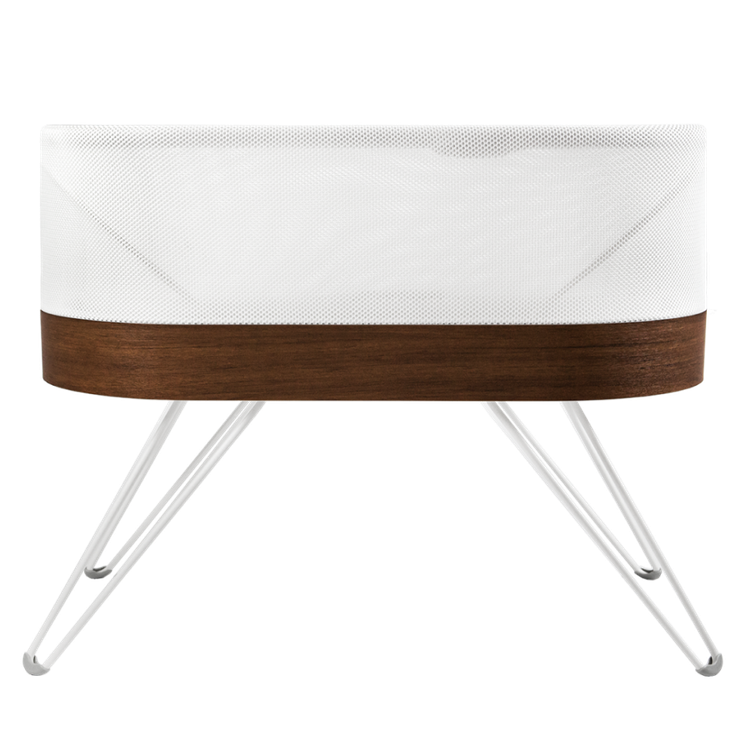
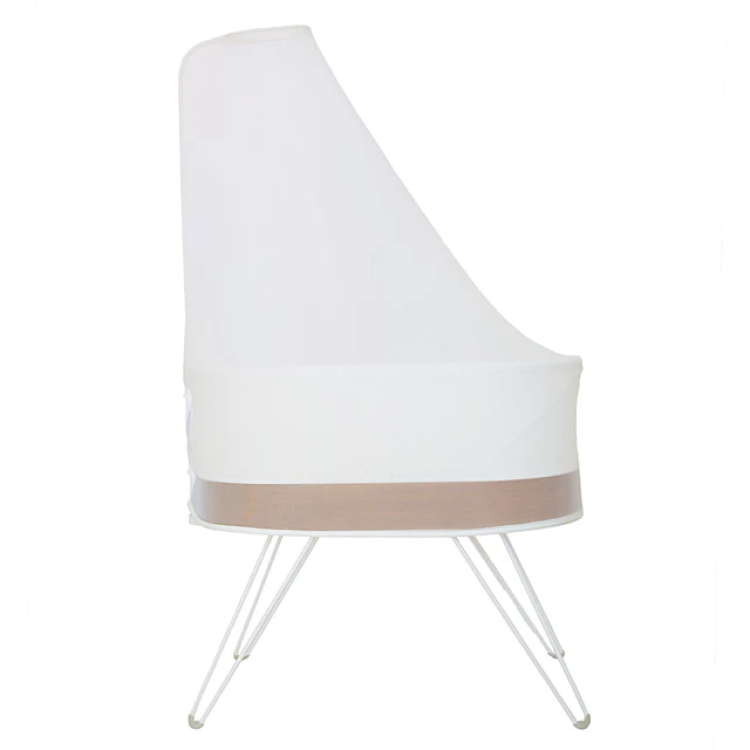
- Postnatal insomnia: More than two thirds of birthing parents experience poor sleep, including postnatal insomnia, during the six months after having a baby. For help getting more rest, consider SNOO Smart Sleeper, which adds 1 to 2 hours of sleep a night.
Postnatal Recovery: Week 3
While you shouldn’t be engaging in penetrative vaginal intercourse yet, you can get pregnant three weeks after the birth of your baby. If you are hopping back in bed during this period, skip birth control that contains estrogen (like the Pill, patch, or ring). After three weeks, however, these are likely okay. Here are some other changes to look for during week three postnatal:
-
Physical strength: If you had a healthy pregnancy and an uncomplicated vaginal delivery, you may be able to resume certain light exercise a few days after giving birth—or as soon as you feel ready. However, three weeks postnatal is when most feel up to the task. Always ask your healthcare provider for guidance before starting a postnatal exercise routine! - Perineum soreness: If you experienced a second-degree vaginal tear during birth, pain is likely waning.
- Bleeding: Discharge should have stopped or significantly slowed down by now.
Postnatal Recovery: Weeks 4 to 5
As you approach the one-month postnatal mark, you may notice your energy levels rebounding. Overall, you may feel more like yourself! If you’re breastfeeding, you may also find that your milk supply has become more predictable. Sleep patterns may become slightly more consistent now, but night wakings are still the norm.
Here’s what else you may expect at four to five weeks postnatal:
-
Perineum soreness: Experts note that it takes roughly one month to heal after an episiotomy, but that can vary depending on the degree of the cut. Third- and fourth-degree vaginal tears typically take between four and six weeks to heal. - Diastasis recti: Most often, minor diastasis recti resolves itself within four to eight weeks of delivery. That said, about 40% of new mums who are still dealing with diastasis recti by six months postnatal.
- Mental health: Continue to keep a close eye on your mental health, as issues can still arise. For example, postnatal psychosis—a rare but serious disorder—tends to surface around this time. (Hallucinations, delusions, or paranoia demands immediate care!)
Postnatal Recovery: Week 6
Postnatal bleeding should’ve stopped by now—and your uterus is likely now back to its starting position. You’re also due for your 6-week postnatal checkup, where you can ask about any symptoms you’re experiencing, including:
Here, learn what other changes or milestones to keep an eye out for at six weeks postnatal:
- Mental health: Major depression tends to peak at six weeks postnatal, according to research published in the journal Pediatrics. It’s never too late to get treatment, so please don’t hesitate to bring it up with your provider.
- Period: Menstruation often resumes around six to eight weeks postnatal. If you’re breastfeeding, it’ll likely take longer.
- Intercourse: Most healthcare providers recommend waiting until six weeks postnatal before having sex so your body has enough time to heal. Of course, not everyone feels ready at this point, and that’s okay!
Postnatal Recovery: Beyond 6 Weeks
The period from six weeks to six months postnatal is officially dubbed the delayed phase of postnatal recovery. Here, your muscles and tissues gradually return to their pre-pregnancy state—and your healthcare provider will be on the lookout for conditions like pelvic floor dysfunction, painful sex, and uterine prolapse. That said, it can take eight or more months for one’s pelvic floor to recover from birth, according to research in the American Journal of Obstetrics and Gynecology. Another report found that new mums need up to 12 months to recover.
Here are some longer term postnatal symptoms and milestones to tune into:
-
Period: It can take up to one year postnatal for your menstrual cycle to become consistent. (More about your first period after baby.) - Postnatal hair loss: All that thick, beautiful pregnancy hair often starts to shed around three months after birth. The great follicle exodus can continue for up to six months postnatal. For most, hair will eventually return to its original fullness.
- High-intensity exercise: Wait at least 12 weeks before easing back into intense workouts, like running or weight lifting. If you’re experiencing any symptoms of pelvic floor dysfunction, like leaking urine, don’t start jogging until you’ve addressed the issue.
- Libido: Decreased estrogen levels after the delivery can tamp down your libido—and that side effect may linger as long as one year postnatal, especially for those who are breastfeeding.
- Diastasis recti: While folks often recover from minor diastasis recti within four to eight weeks postnatal, a larger separation may require six to 12 months of intervention.
- Mental health: Postnatal depression can rear its head any time in the first year after birth. Minor depression crests at two to three months postnatal, and a secondary peak for depression strikes at six months postnatal, according to research in the journal Pediatrics.
Disclaimer: The information on our site is NOT medical advice for any specific person or condition. It is only meant as general information. If you have any medical questions and concerns about your child or yourself, please contact your health provider. Breastmilk is the best source of nutrition for babies. It is important that, in preparation for and during breastfeeding, mothers eat a healthy, balanced diet. Combined breast- and bottle-feeding in the first weeks of life may reduce the supply of a mother's breastmilk and reversing the decision not to breastfeed is difficult. If you do decide to use infant formula, you should follow instructions carefully.






SHARE THIS ARTICLE
PARENT PICKS
Bestsellers





More on Parents

About Holly Pevzner
Holly Pevzner is Happiest Baby’s Staff Writer. She specializes in creating parenting, pregnancy, health, nutrition, and family travel content. Her work—including essays, columns, reported features, and more—has appeared in outlets such as EatingWell, Family Circle, Parents, Real Simple, and The Bump. Before becoming a full-time writer, Holly held senior staff positions at Prevention, Fitness, and Self magazines, covering medical health and psychology. She was also a contributing editor at Scholastic Parent & Child magazine and a regular kids-health columnist for Prevention and First For Women magazines. Holly lives in Los Angeles with her husband, two boys, and terrier mix.