BABY
Is Your Baby Overheating? Signs Your Baby Is Too Hot
Easy ways to tell if your baby is too warm.

Written by
Dr. Harvey Karp
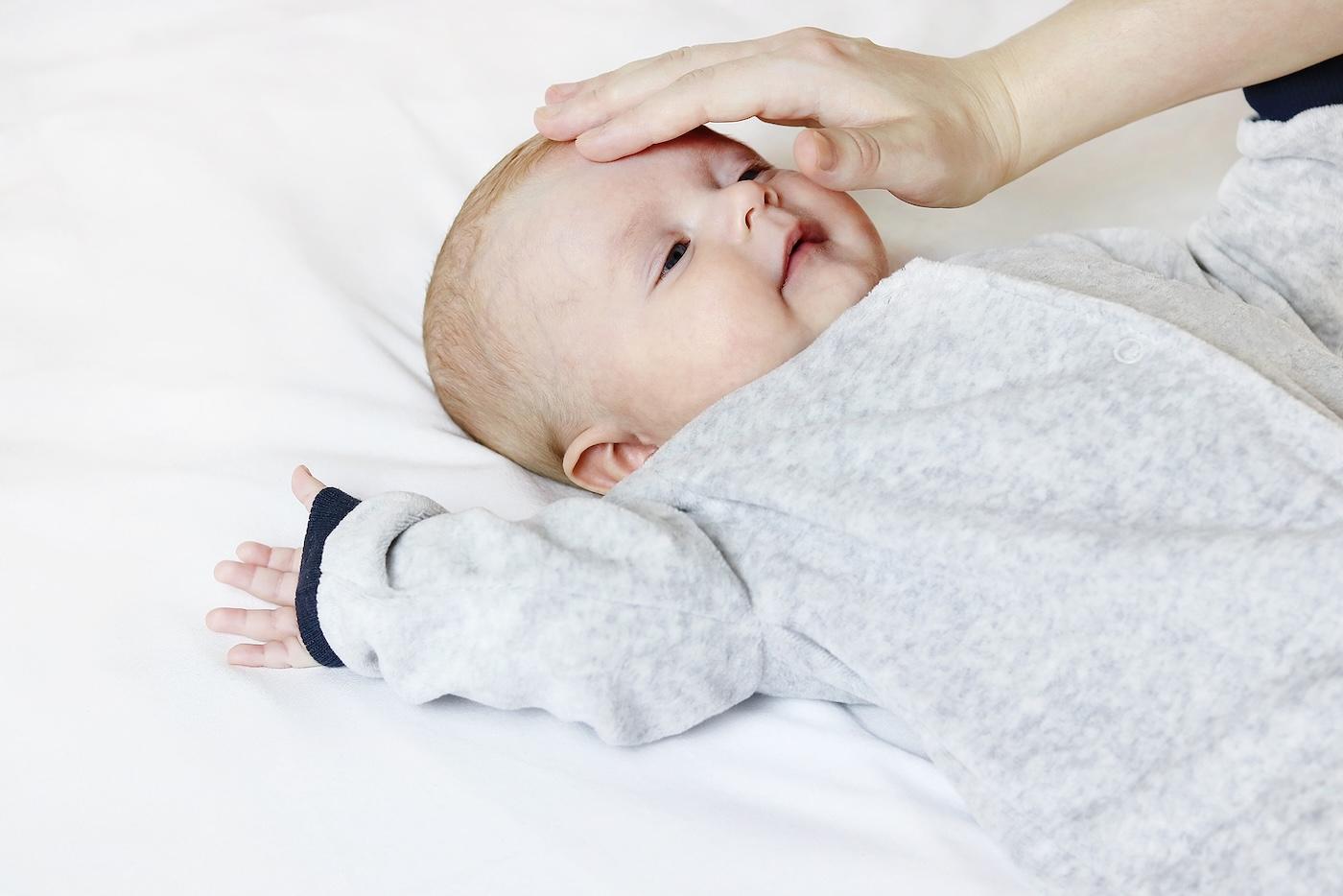
You never want your little one to be too hot! If your baby is overheating, they're likely uncomfortable, their sleep may suffer, and they may get heat rash. But there’s an even more serious concern: Overheating in babies can raise the risk of infant sleep death, also called SIDS.
Studies have shown that thick clothing, too many layers, and high room temperatures increase the risk of SIDS. While it may seem counterintuitive, infants are at higher risk of SIDS during the winter months. That’s because parents worry their baby may get cold and they try to prevent that by overdressing them or cranking up the heat.
Why Babies Overheat Easily
Infants are not great at regulating their core temperature. For one, their body temperature rises much faster than yours. Plus, babies and children sweat less, which greatly reduces their ability to cool down. And it’s not just that babies are more prone to overheating, they’re more likely to be affected by a heat-related illness, too. For instance, because babies’ sweat glands aren’t yet fully developed, they’re more likely to get heat rash or prickly heat.
When can babies regulate their temperature?
Because overheating is a known SIDS risk factor, it’s especially important to make sure your sleeping baby isn’t too hot when they’re under 1 year—and especially if they’re under 6 months, when SIDS danger is greatest.
Normal Infant Temperature
A normal temperature in babies is around 36.4 degrees Celsius. Overheating and fevers in babies are around 38 degrees Celsius or above. Keep in mind that normal baby body temperatures can vary throughout the day.
Signs of a Baby Overheating
Luckily, there’s an easy way to know if your baby is too hot. Touch their ears and neck. If their ears are red and hot—and their neck is sweaty—your baby is too warm. Dress them more lightly or cool the room.
Is your baby overheating? How to check...
Below you’ll find a few baby overheating signs and symptoms:
- Warm to the touch
- Red skin
- Rapid heartbeat
- Fever without sweating
- Lethargic or unresponsive
- Vomiting
- Dizzy or confused
Will a baby wake up if it’s too hot?
While cold babies may resist sleep, being too hot may not always rouse your snoozing bub. That’s because sometimes overheating can cause lethargy. That’s why it’s important to monitor your babe for signs they’re too hot.
How do I know if my baby is too hot while sleeping?
Touch your baby’s ears or neck. If they feel warm, then your baby might be too hot. Flushed skin and sweat are also telltales that your baby is too hot while sleeping.
Ideal Baby Room Temperature
No matter the season, keep the room your baby is in between 20 to 22.2 degrees Celsius. While you can measure the room temperature with a thermometer, in general, the temperature should not be too cool or too warm for an adult.
How to Prevent Overheating During Sleep
In addition to setting the thermostat to the ideal sleeping temperature, avoid over-bundling your baby for naps or at bedtime with extra layers of clothing or hats. Here are some pointers to keep your baby from getting too hot while sleeping:
- DON’T put a hat on your baby for sleep. Hats are especially problematic because covering their head reduces your baby’s ability to use their head as a little radiator, giving off extra heat. Also, in the middle of the night, a hat might accidentally slip over your little one’s face and cause breathing difficulties.
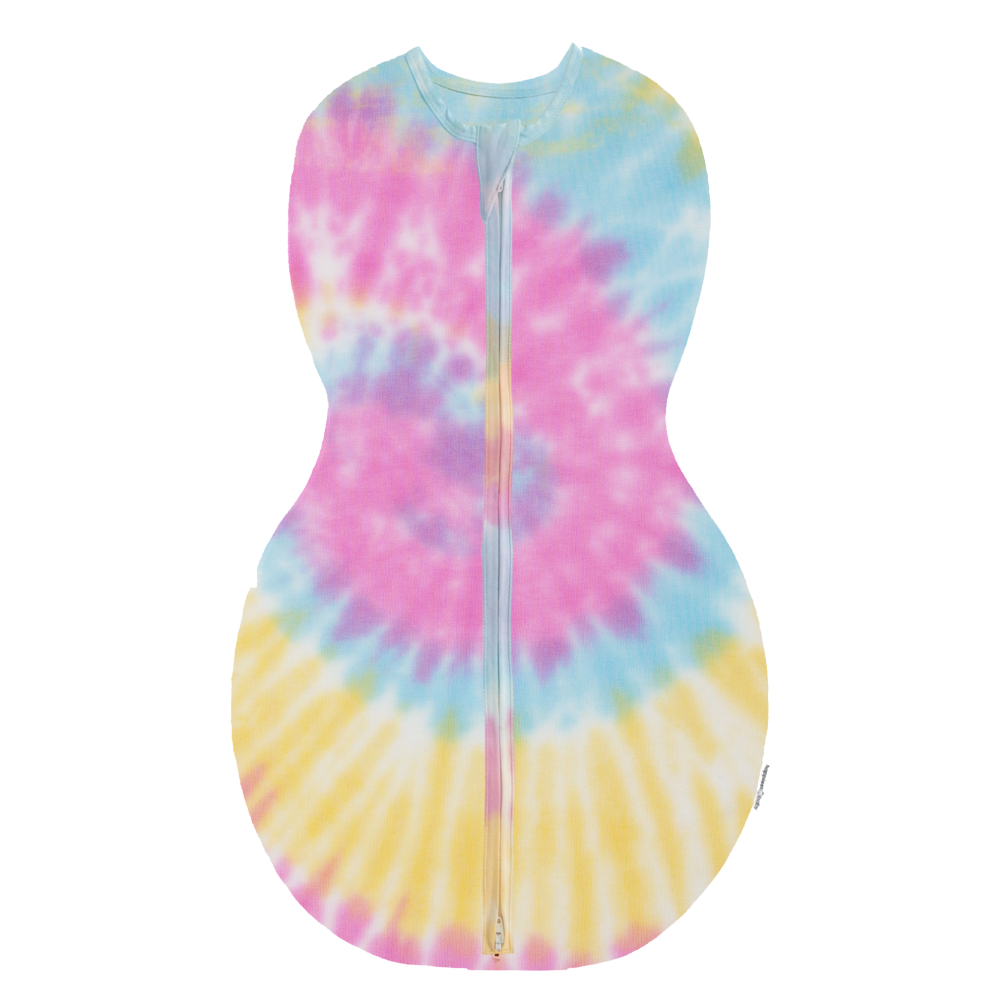
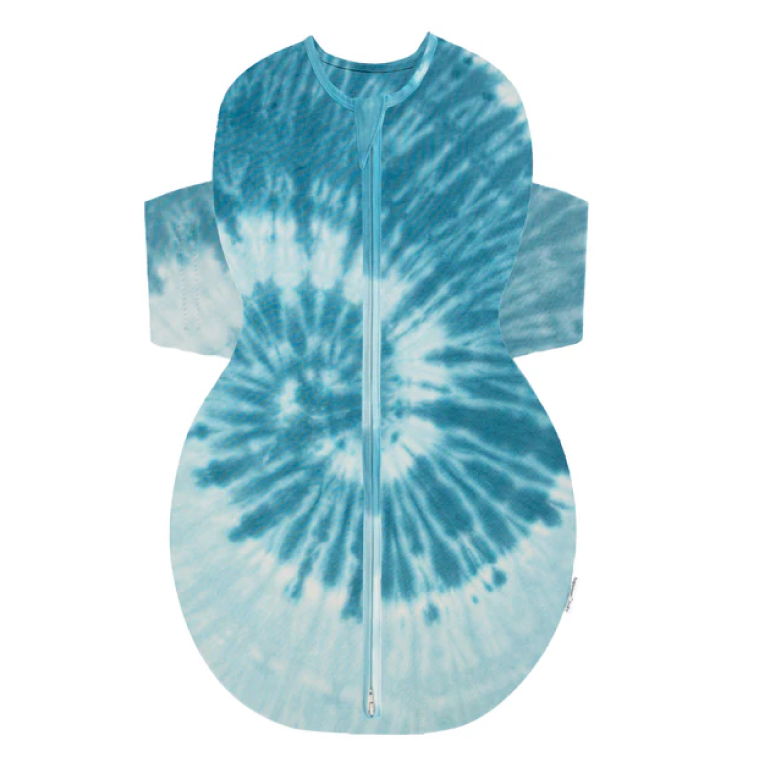
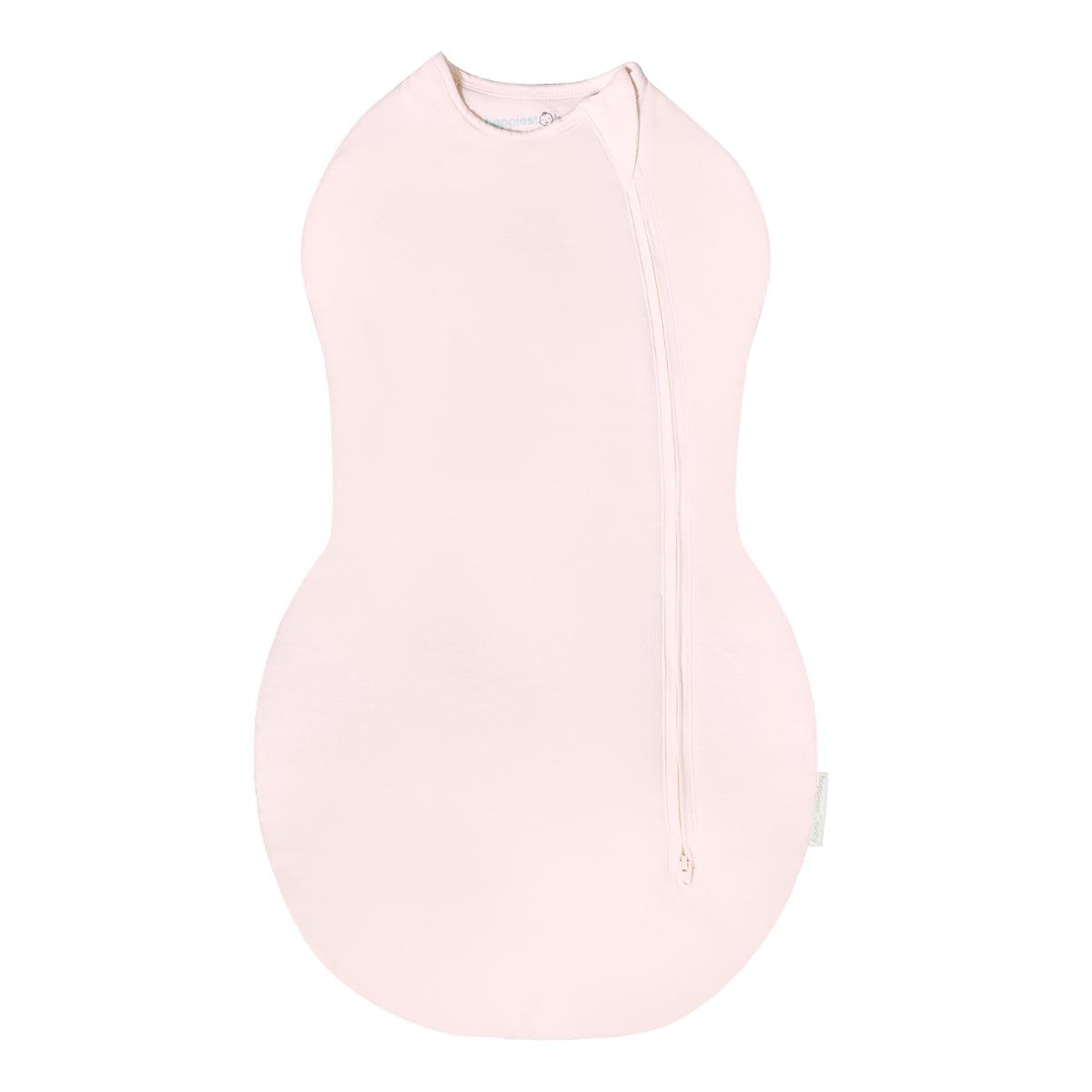
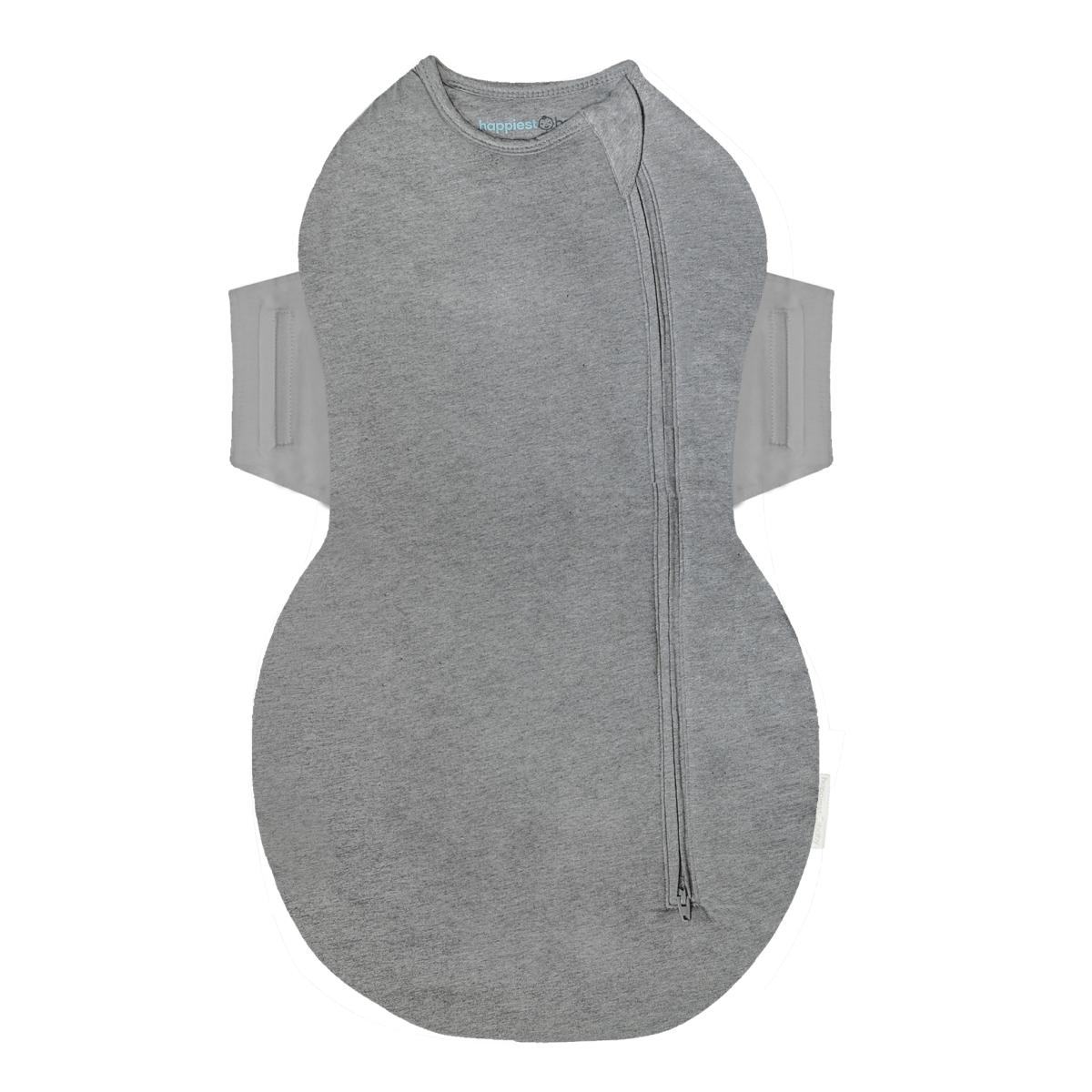
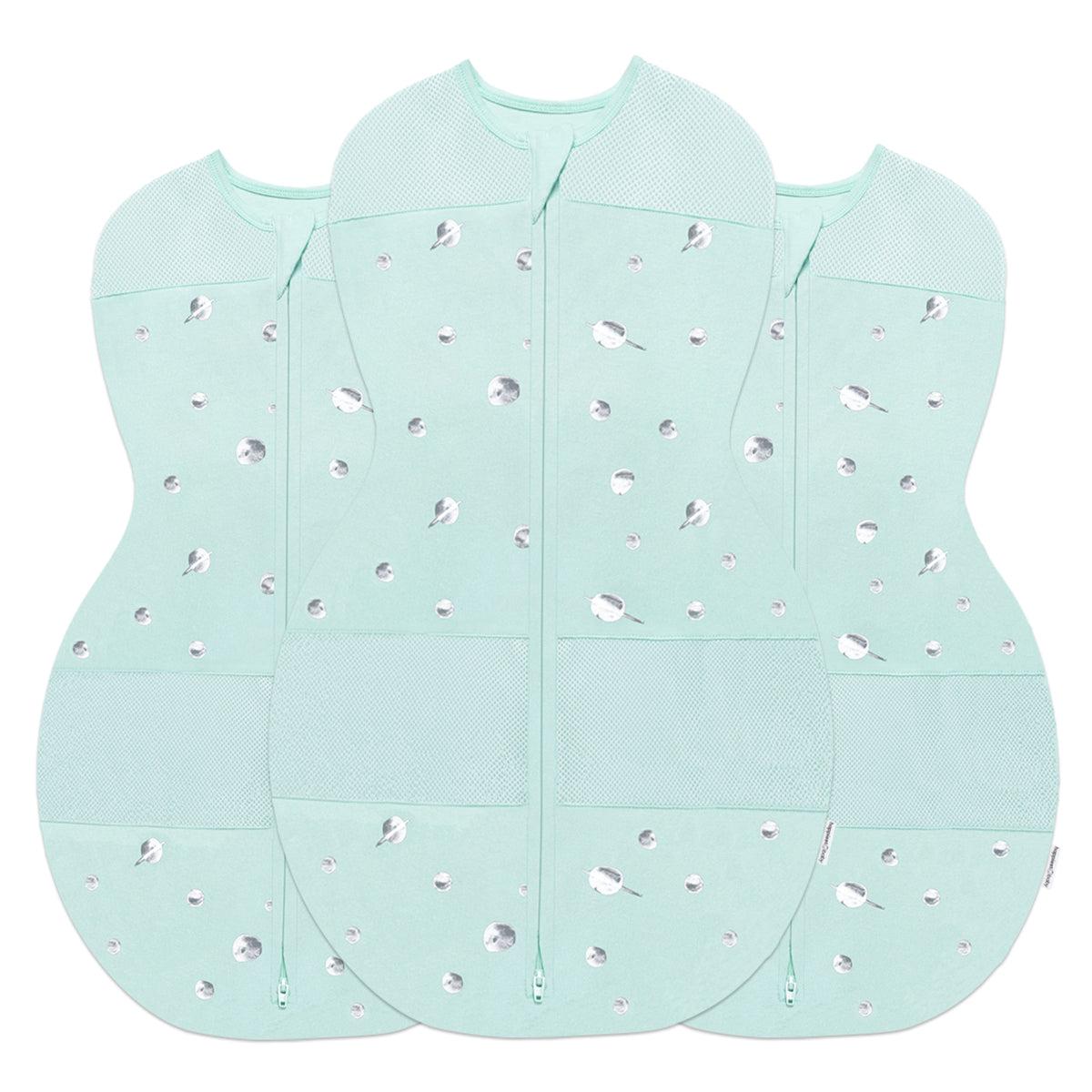
- DO wrap Baby in a breathable swaddle. In hot weather, let your baby sleep in a short-sleeve bodysuit and a lightweight, breathable swaddle that has a TOG rating less than or equal to 1.0 TOG, which stands for thermal overall grade. Sleepea 5-Second Swaddle, SNOO Sack, and Happiest Baby's 100% organic cotton muslin swaddle blanket all fit the bill. In cooler weather, opt for a long-sleeve cotton bodysuit or cotton footie pajamas and a cotton swaddle. For extra chilly sleeps, use a lightly insulated swaddle with a TOG between 2.0 and 3.5, like the breathable cotton Sleepea Comforter Swaddle or SNOO Comforter Sack. (Avoid synthetic fabrics, like fleece, that can cause your baby to overheat.) For babies who are rolling, swap the swaddle for a lightweight sleep sack.
- DON’T use loose blankets. Never use loose blankets, which are an overheating risk and a suffocation risk. (A safe crib is a crib free of toys, blankets, and all objects except a pacifier.)
- DON’T use electric blankets (or heating pads) with your baby. These overheat infants and expose them to electromagnetic radiation.
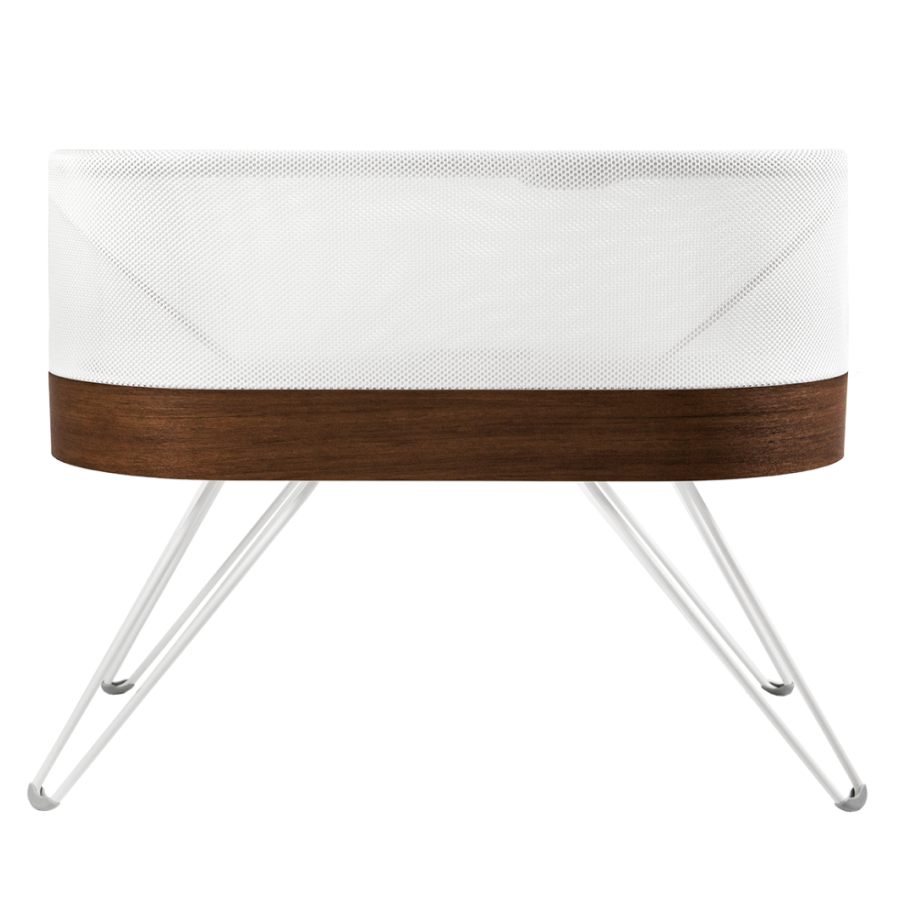
- DO place Baby’s bassinet away from the heater. Keep your little one a good distance away from heating vents, radiators, portable heaters, and fireplaces to avoid overheating.
How to Prevent Overheating in the Winter
Bundling babies for cold-weather adventures—plus cranking the indoor heat—can easily increase their risk of overheating. Not only are babies terrible at regulating their body temperature, they lack enough body fat to keep themselves insulated and snug. Plus, newborns have yet to develop the shiver reflex, which works to increase body heat in the cold. Here are common-sense steps to avoid your baby overheating in the winter:
- DO dress Baby in layers. Dress your little one in one more layer than you’re wearing. If your bub gets too warm, simply peel off a layer. For outdoors, start with a long-sleeve cotton bodysuit, then add soft pants, socks, and a sweater. If you’ve got a jacket on, your baby should have a jacket or snowsuit on, too—plus a blanket. Finally, don’t forget a hat, mittens, and warm booties to keep their head, hands, and feet warm
- DON’T dress your baby in a sweater when using a baby carrier. If you’re wearing a baby carrier, your baby likely doesn’t need a sweater or sweatshirt under their jacket. That’s because your body heat will provide just enough extra warmth to keep your little one toasty, without overheating. (Make sure your little one’s face isn’t pressed against your chest or clothing!)
- DO use a blanket instead of a coat in the car. Bulky coats and snowsuits should not be worn in the car seat. They leave too much space under the harness, endangering your baby in the event of a car accident. Instead, secure your little one into their car seat jacket-free, then place a blanket on the lower part of their body. Once the car warms up, remove the blanket.
How to Prevent Overheating in The Summer
It’s no surprise that high outdoor temperatures put babies and children at an elevated risk for becoming overheated. Here are some easy to-dos to keep your little one from overheating in the summer:
- DON’T go out during peak heat. The day is always at its hottest between around 10am and 2pm. Try to avoid extended outside time during those hours when the temperature is high. And spend time in the shade otherwise!
- DO seek air conditioning. If you don’t have air conditioning at home and you’re experiencing extreme heat, find a nearby building that has AC, like the library or shopping mall. And if you do have AC, never put your baby to sleep next to the unit or they’ll get too cold.
- DON’T cover the stroller. Draping your baby’s stroller with a muslin blanket may shield your bub from the sun, but it traps heat, increasing the temperature of the stroller…and your baby. Instead, use a large canopy or mesh sun shield specially designed for strollers that provide shade and adequate airflow.
- DO keep hydrated. Babies get all their hydration needs from either breastmilk or formula, so on steamy days, offer more of the same. But you should not give your baby water in the first 6 months of life. From 6 to 12 months, however, 4 to 8 ounces a day is okay.
How to Cool Down an Overheated Baby
If you believe your baby is overheating, then here are some steps that you can try to cool down your little one:
- Offer your baby fluids. If younger than 6 months, offer breastmilk or formula only. If between 6 months and 1 year, offer 4 to 8 ounces of water a day.
- Take your baby to a cooler room. Know that lower floors—and shaded rooms—will be cooler.
- Dress your baby in light clothing. Cotton and breathable loose-fitting fabrics are ideal.
- Sponge your baby in lukewarm/cooler water. Don’t use cold water or ice in the bath.
- Apply a cold compress. Hold it to your baby’s forehead or limbs to help cool them down.
If overheating symptoms do not improve, contact your pediatrician.
Baby Overheating & Heat Rash
Babies develop heat rash (aka prickly heat) when their salty sweat gets trapped and irritates the skin. It most commonly appears on your baby’s neck, armpits, chest, back, elbows, or thighs. The rash presents as little red dots (irritated hair follicles) and splotchy skin and can be accompanied by fever, chills, and bumps. In most cases, heat rash generally fades on its own within two to three days. But if you think your child has a heat rash, give your doctor a call anyway. They may recommend you sprinkle on a dusting of cornstarch powder—never talcum—to absorb excess sweat and prevent irritation. Applying a cool compress to the heat rash and giving your bub cool baths can help, too.
Newborn Overheating vs. Fever
It’s natural to think that your overheated baby may have a fever. To be sure, take your baby’s temperature and consult your healthcare provider if you have any concern. (For the most accurate temperature reading in babies and toddlers up to 3 years old, use a rectal thermometer.) Additionally, the symptoms below indicate that your baby may have a fever:
- Difficulty sleeping
- Lack of eating
- No interest in playtime
- Lethargic or not as active as usual
Baby Overheating: Final Thoughts
The thing to keep in mind is that babies cannot regulate their body temperature well, so you always want to avoid extremes in temperature, whether that’s hot or cold. If you’re ever not sure if your baby is too hot, do the “ear check” to be safe!
Disclaimer: The information on our site is NOT medical advice for any specific person or condition. It is only meant as general information. If you have any medical questions and concerns about your child or yourself, please contact your health provider. Breastmilk is the best source of nutrition for babies. It is important that, in preparation for and during breastfeeding, mothers eat a healthy, balanced diet. Combined breast- and bottle-feeding in the first weeks of life may reduce the supply of a mother's breastmilk and reversing the decision not to breastfeed is difficult. If you do decide to use infant formula, you should follow instructions carefully.






SHARE THIS ARTICLE
PARENT PICKS
Bestsellers