BABY
Colostrum: Your Baby’s Magical First Meal
Learn about the nutrient-packed superfood that helps newborns thrive.

Scritto da
Dr. Harvey Karp
CONDIVIDI QUESTO ARTICOLO
SCELTE DEI GENITORI
Bestseller
BABY
Scritto da
Dr. Harvey Karp
CONDIVIDI QUESTO ARTICOLO
Bestseller
What if I told you that there was an immunity-boosting, nutrient-packed superfood that helps newborns thrive…and it did not cost anything. And, in fact, your body automatically makes this super-powered substance. It’s not magic…it’s colostrum!
You probably know that it takes two to four days for breastmilk to come in after giving birth. That is the usual time it takes from the first suckle to having your breasts become full of milk. So, it the milk has not come in, yet, what the heck is your baby slurping down on day one? Ah…that is the very precious—liquid gold—called colostrum.
A pregnant person’s body begins brewing colostrum during the second half of pregnancy. If you are pregnant, it is possible you have already noticed a tiny amount of yellowish substance oozing out of your nipple in the shower or in your bra. (The old term for that is 'witch’s milk.')
Colostrum is an incredible superfood, packed with nutrients, antibodies, and even with white blood cells to give tender vulnerable babies a huge boost of protection against the outside world of germs and microbes. Unlike mature breastmilk, which is thin and watery, colostrum is thick, sticky and yellow or cream coloured. (Note: The yellow colour comes from carotene, the nutrient that gives carrots their colour.)
Colostrum is a perfect first meal for your baby, delivering a powerful combination of carbohydrates, protein, and antibodies in a small, easy-to-digest amount. Amazingly, the breasts also mix huge amounts of illness fighting white blood cells into the colostrum, which is why it is sometimes referred to as 'white blood.' With every swallow of colostrum, this special pre-milk flows down into your baby’s stomach and intestine to coat it with a tiny army of protective antibodies and cells.
And, if that was not incredible enough, colostrum has even more benefits for baby’s health and development! It:
And for pre-term babies, colostrum can be a literal lifesaver. Colostrum helps get a pre-term baby’s immature digestive tract ready to handle food, and it is much better tolerated than infant formula.
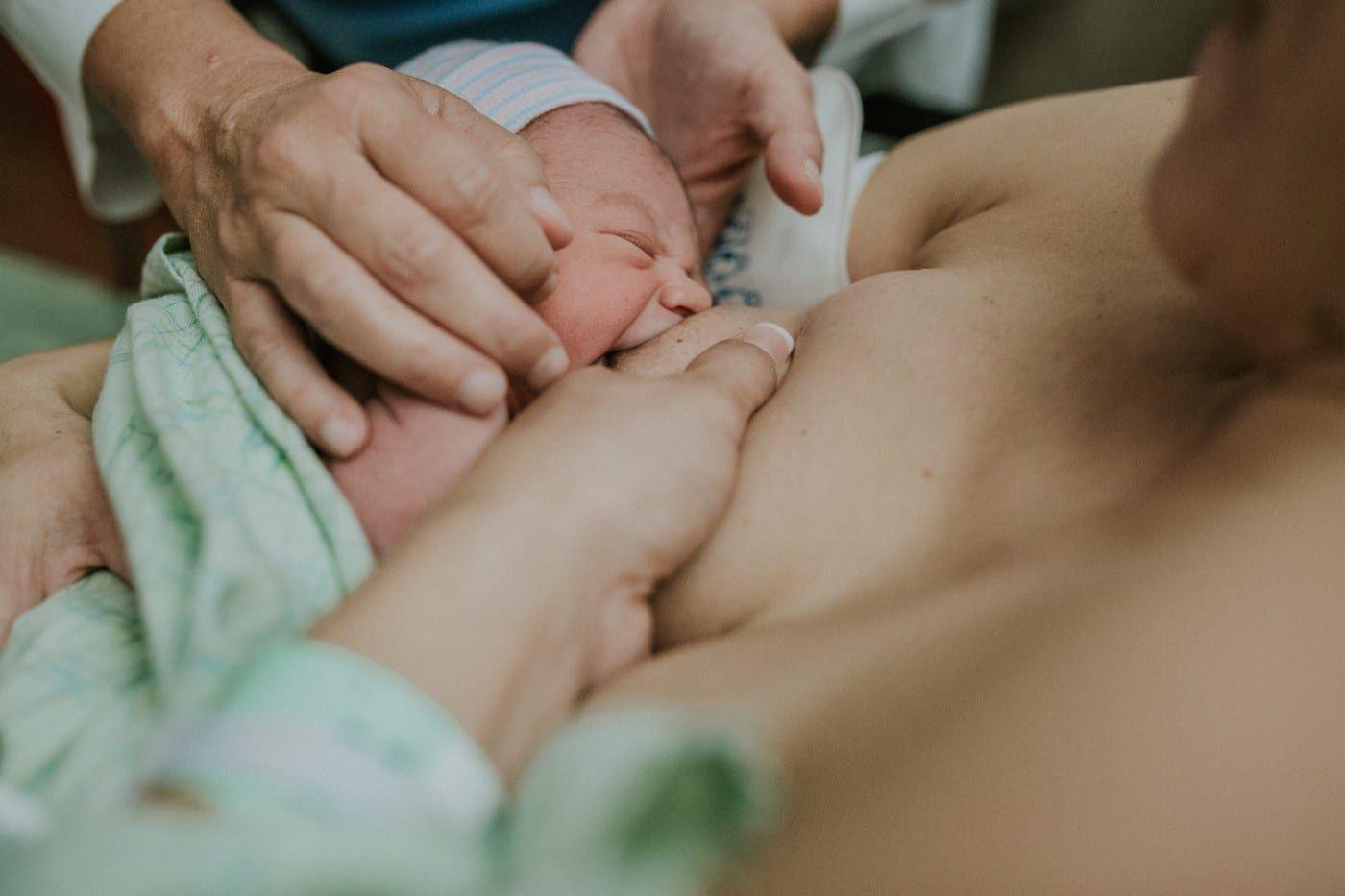
Babies are born with a strong instinct to suck, so it is a good idea to offer your baby the breast within an hour or so of giving birth. Babies are often pretty sleepy on that first day, but when your little one is awake, offering the breast every hour gives little sips of colostrum and stimulates your milk production to bring the mature milk. Early nursing also benefits mums by signaling the uterus to contract, reducing maternal blood loss.
Do not worry if the volume of colostrum seems small. Your body produces exactly what your baby needs. A newborn’s stomach is quite small, so several spoons of colostrum per day is plenty.
Although newborn babies only need tiny 'meals,' they do need to eat often (eight to 12 times a day).
There are three stages of breastmilk production, and the colostrum stage is short and sweet:
Even after your milk has come in, there will still be small traces of colostrum in your milk for up to six weeks postpartum. This is the most important food you can give your baby!
[Read More: Breastmilk and Breastfeeding]
Avvertenza: Le informazioni presenti sul nostro sito NON sono consigli medici per alcuna persona specifica o condizione. Sono solo intese come informazioni generali. Se avete domande o preoccupazioni mediche riguardo vostro figlio o voi stessi, si prega di contattare il vostro fornitore di assistenza sanitaria. Il latte materno è la migliore fonte di nutrizione per i neonati. È importante che, in preparazione e durante l'allattamento al seno, le madri seguano una dieta sana ed equilibrata. L'allattamento misto (seno e biberon) nelle prime settimane di vita può ridurre la produzione di latte materno e la decisione di non allattare al seno può essere difficile da invertire. Se decidete di utilizzare il latte artificiale per neonati, dovreste seguire attentamente le istruzioni.