BABY
Is Bed Sharing or Co Sleeping With Newborn Safe or Risky?
The decision to bed share or not is an important and personal one. We review the research.

Écrit par
Dr. Harvey Karp
PARTAGER CET ARTICLE
CHOIX DES PARENTS
Meilleures ventes
BABY
Écrit par
Dr. Harvey Karp
PARTAGER CET ARTICLE
Meilleures ventes
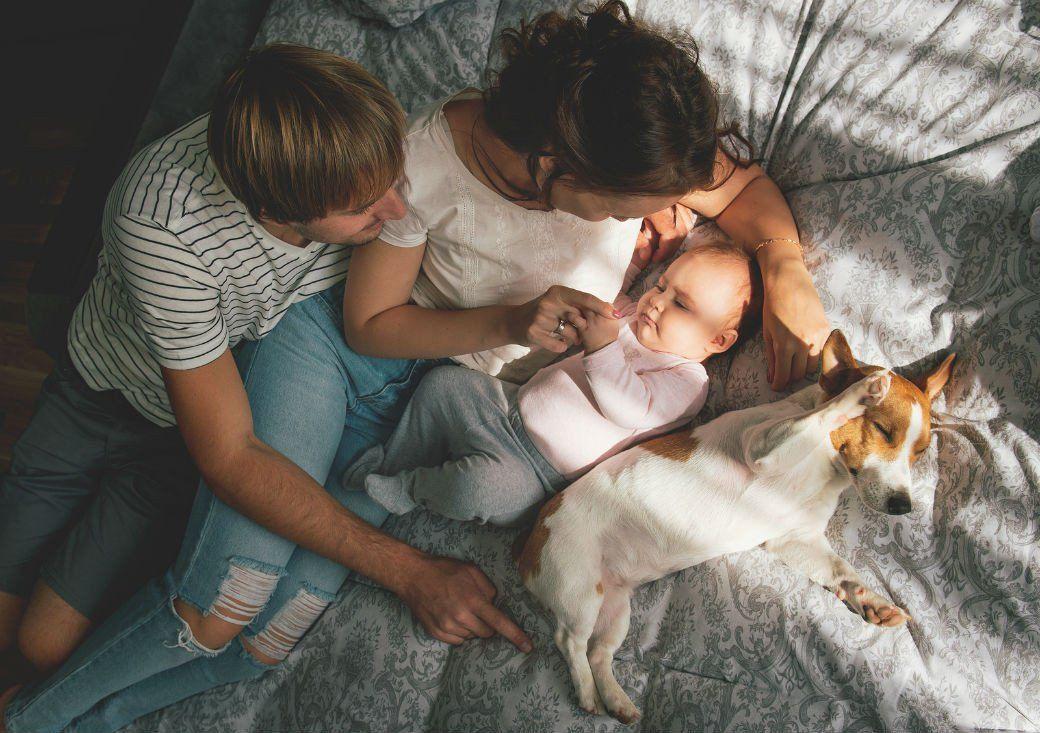
I know what I am about to say may make me as unpopular as a nappy rash with some of you. But I hope you will bear with me, because the decision to bed-share with your baby or not is a critically important one.
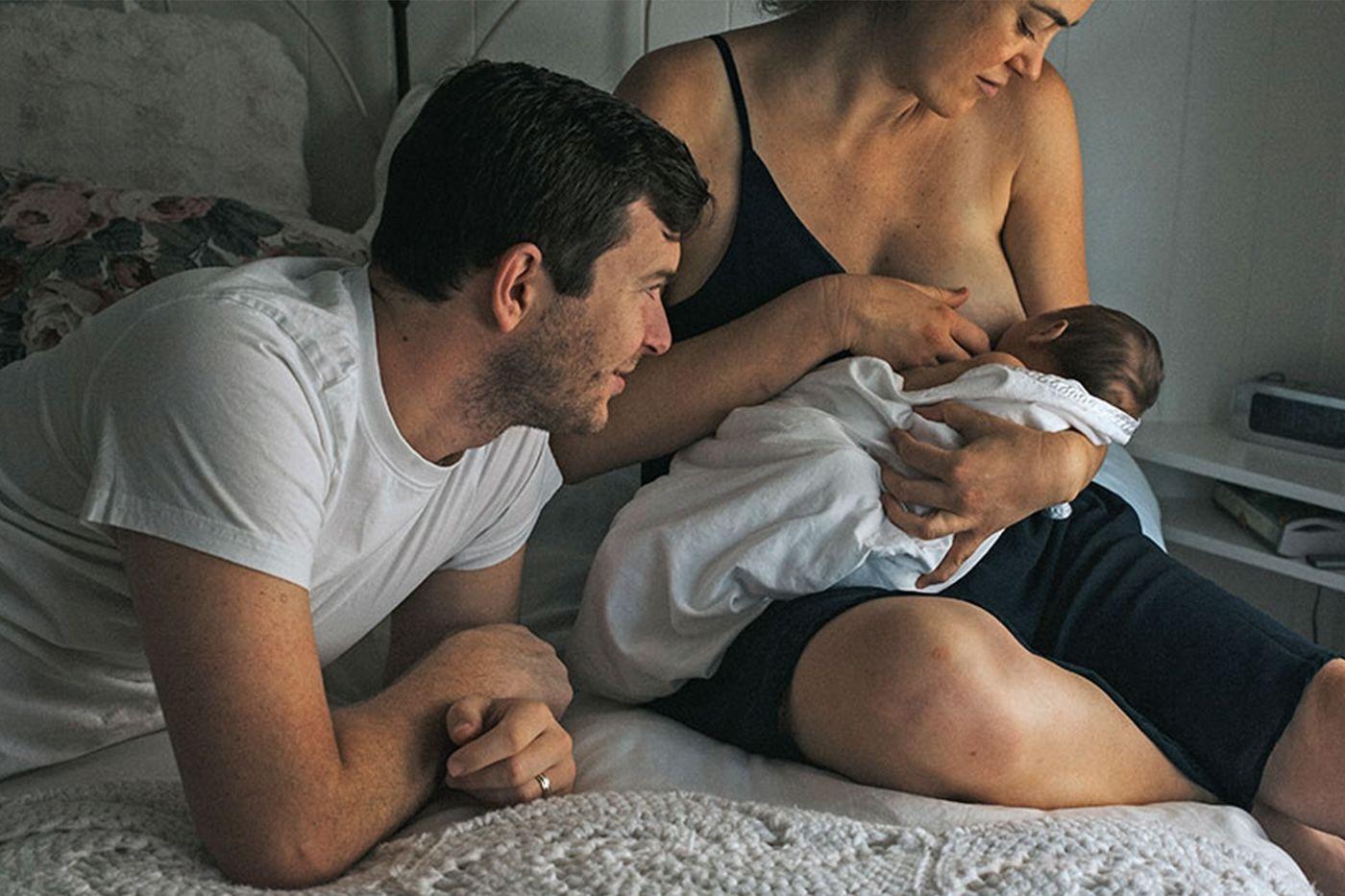
Co sleeping (or bed-sharing) is as old as the hills. From our earliest days, parents and babies have slept together for protection, warmth and convenience. And this custom is growing in popularity: A survey by The Lullaby Trust of over 8,500 parents has shown that 76% have co-slept with their baby at some point.
However, many tragic deaths have been linked to the ‘family bed.’ For that reason, scientists have spent a great deal of time evaluating if—and how—babies can safely bed-share. And some concerning results are emerging.
In one British study, researchers reported that most bed-sharing babies had their mouths and noses covered with a blanket or sheet at some time during the night. A third of the sleeping mums also accidentally rested an arm or leg on their babies.
New Zealand infant sleep researchers, led by Sally Baddock, further confirmed the face-covering risk when co-sleeping. In a study videotaping 80 infants (40 in cots and 40 bed-sharing), the faces of the bed-sharing babies were obscured a total of nearly 1 hour per night! Typically, the mum or baby cleared the blanket away. But a quarter of those who experienced head covering awoke in the morning, still under bedding. That is pretty unnerving.
Baddock also found that bed-sharing babies fed 3.7 times more often during the night, and that a quarter of the dads ended up moving out of the bed. And, most disturbingly, these babies spent on average 5.7 hours a night lying on their sides (not their backs, which is a safer position). One bed-sharing baby rolled all the way to the stomach.
Does bed sharing increase the risk of cot death? Studies from Germany, Holland, and Scotland have found that bed-sharing is connected to an increased SIDS risk for babies under 3-4 months of age (and even older, if the parents smoked cigarettes).
On the other hand, bed-sharing Japanese babies have not been found to have a higher SIDS rate (possibly because they are sleeping on hard futons). And studies in England, Canada and the United States found no increased bed-sharing risk with parents who are sober, attentive and nonsmoking.
Is there a safe way to co-sleep? After carefully considering all the current studies, most medical groups including the National Health Service, advise that babies sleep in their own cot. And I agree.
While I love bed-sharing with older children, I am too nervous about it during the first 6 months (or the first year, if your family has elevated risk factors.) I believe the safest choice is to have your baby sleep right next to your bed . . . not in your bed.
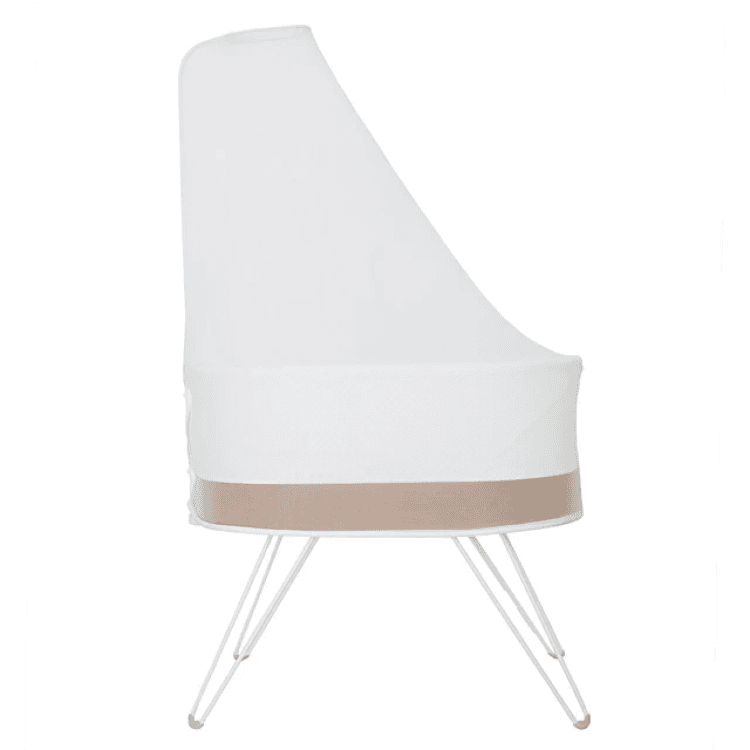
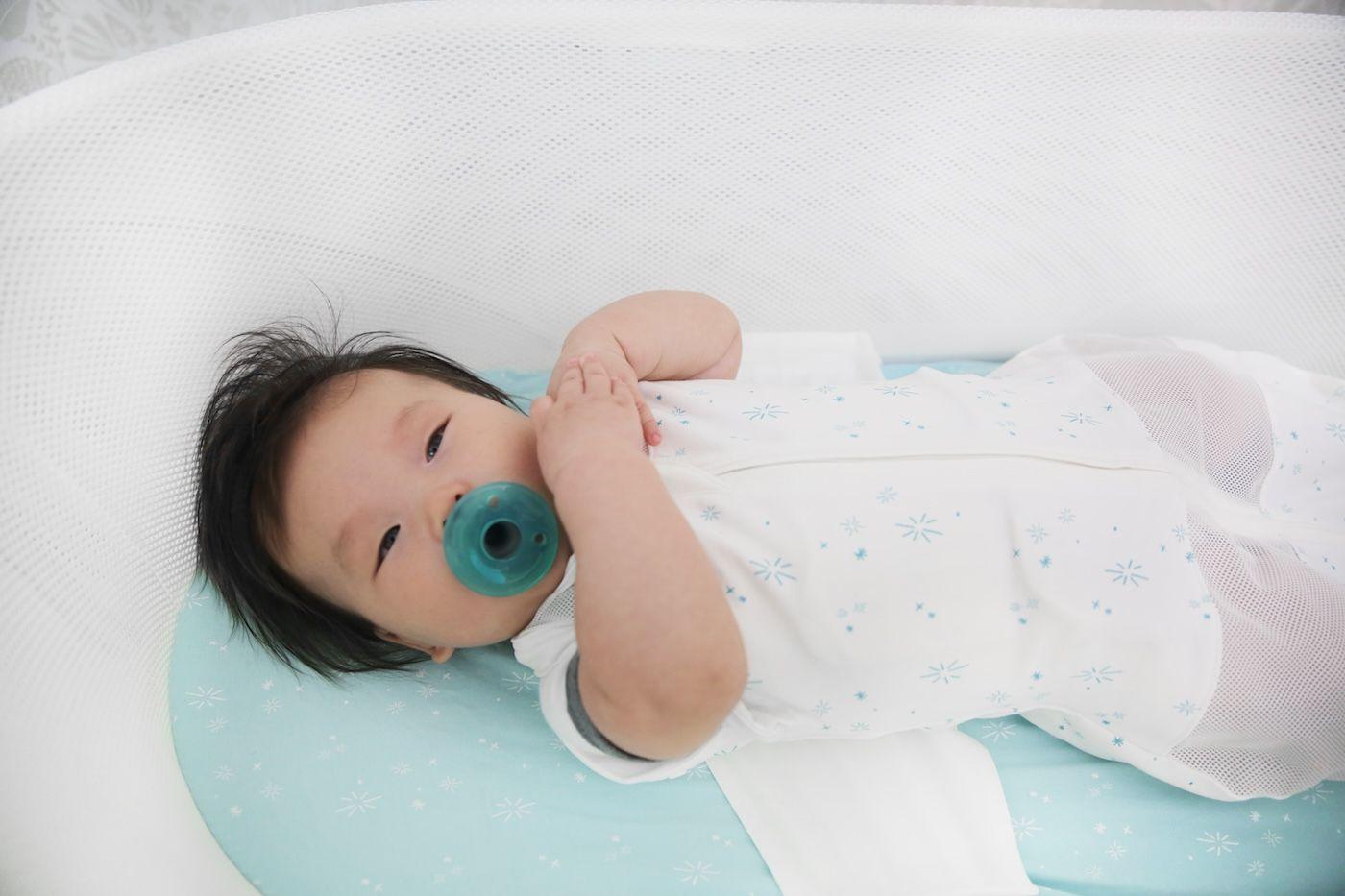
However, I fully understand how much new parents struggle with sleep deprivation. In fact, Happiest Baby’s motivation for inventing SNOO Smart Baby Cot was to tackle this very problem. Parents need an effective alternative to bed-sharing. In addition to providing a separate sleep environment, SNOO aids slumber for babies and parents, preventing the overwhelming exhaustion that nudges many families to bed-share in the first place.
With SNOO at your bed’s side, you can easily nurse and comfort your baby. And you will sleep more soundly knowing you have done everything possible to keep your child as safe as can be. To learn more about purchasing a SNOO click here.
Avertissement : Les informations présentes sur notre site ne constituent PAS des conseils médicaux pour une personne ou une condition spécifique. Elles sont uniquement destinées à titre d'information générale. Si vous avez des questions médicales et des préoccupations concernant votre enfant ou vous-même, veuillez contacter votre fournisseur de soins de santé. Le lait maternel est la meilleure source de nutrition pour les bébés. Il est important que, en préparation et pendant l'allaitement, les mères adoptent une alimentation saine et équilibrée. La combinaison de l'allaitement au sein et au biberon dans les premières semaines de vie peut réduire la production de lait maternel de la mère et il est difficile de revenir sur la décision de ne pas allaiter. Si vous décidez d'utiliser une préparation pour nourrissons, vous devez suivre les instructions avec soin.