TODDLER
How and When to Stop Pacifier Use
Dr. Karp's techniques that'll help you wean the binky.

Written by
Dr. Harvey Karp

Pacifiers are amazing soothing tools for babies! Sucking has the power to lower their heart rate, blood pressure, and stress levels. Pacifiers help reduce crying after shots and blood tests. There are so many reasons that sucking is a key member of the 5 S’s for soothing babies—and helping them sleep. A pacifier might even reduce your little one’s risk of sudden infant death syndrome (SIDS). That said, parents are constantly pestered by that little voice in their head that’s telling them it’s time to break the binky habit! So…should you listen? And, if so, when is the best time to start weaning from the pacifier—and how? Here’s everything you need to know about how, when, and why to stop using the pacifier.
Will your baby or toddler’s pacifier use damage their teeth?
Once your bub’s permanent teeth come in, sucking on a pacifier may have the unintended side effect of causing problems with teeth alignment, the roof of your child’s mouth, and tooth growth. While finger-sucking is often more damaging, pacifier usage can still affect your child’s teeth in this way…pacifier use is a far easier habit to break and get rid of. However, not all paci sucking can or will create problems. It’s all about the intensity and the length of time using the pacifier.
When should babies stop using pacifiers?
There’s no rush to get rid of a pacifier! Pacifiers can be a great emotional support for up to 1 to 3 years. Plus, pacifiers can be helpful for falling asleep and even during the day to relieve stress in little ones, like when they’re sick, starting daycare, or traveling to a new place. With that…as kids inch closer to 18 months, it makes sense to start weaning their pacifier access to just nighttime or other stressful situations before completely taking the pacifier away.
One note: If your infant suffers from frequent ear infections, your pediatrician may recommend switching from pacifiers to the cuddly support of a security blanket or stuffed animals. That’s because sucking on a pacifier can disturb the pressure in the ears and lead to infections.
When is the easiest time to wean a baby from the pacifier?
The easiest time to wean from a pacifier is around 6 or 7 months of age, because children haven’t developed an emotional attachment to their pacifier yet. (That attachment to a pacifier usually arrives after 9 months.) But unless your pediatrician recommends to stop pacifier use, don’t worry if your 7- or 8-month-old still loves the paci! Remember, sucking is wonderfully calming and will help your baby deal with all the crazy, unpredictable new things they encounter every day.
Just know that after your baby reaches 9 months old, they’ll have an emotional attachment to their binky. That doesn't mean you should rush your little one to give it up—simply be prepared for more protests after this age and difficulty in getting rid of the pacifier.
What age should you wean your baby from the pacifier?
Most children are emotionally ready to stop using the pacifier on their own by 2 to 4 years old. So, you might want to start planting the seed in your tot’s mind that the day to say bye-bye binkie is coming. From time to time, you might say something like, “When kids turn 3, the pacifier fairy flies away with old pacis and brings back new toys! I wonder what she’ll bring you!”
How to Stop Pacifier Use
Tired of picking up the binkies your tot keeps tossing out of the crib? Sick of your bub getting ear infections from the pacifier? Or are you simply ready to wean your little one from their sucking habit? No matter, here’s how to get rid of pacifier use.
Tips for Weaning Babies From the Pacifier
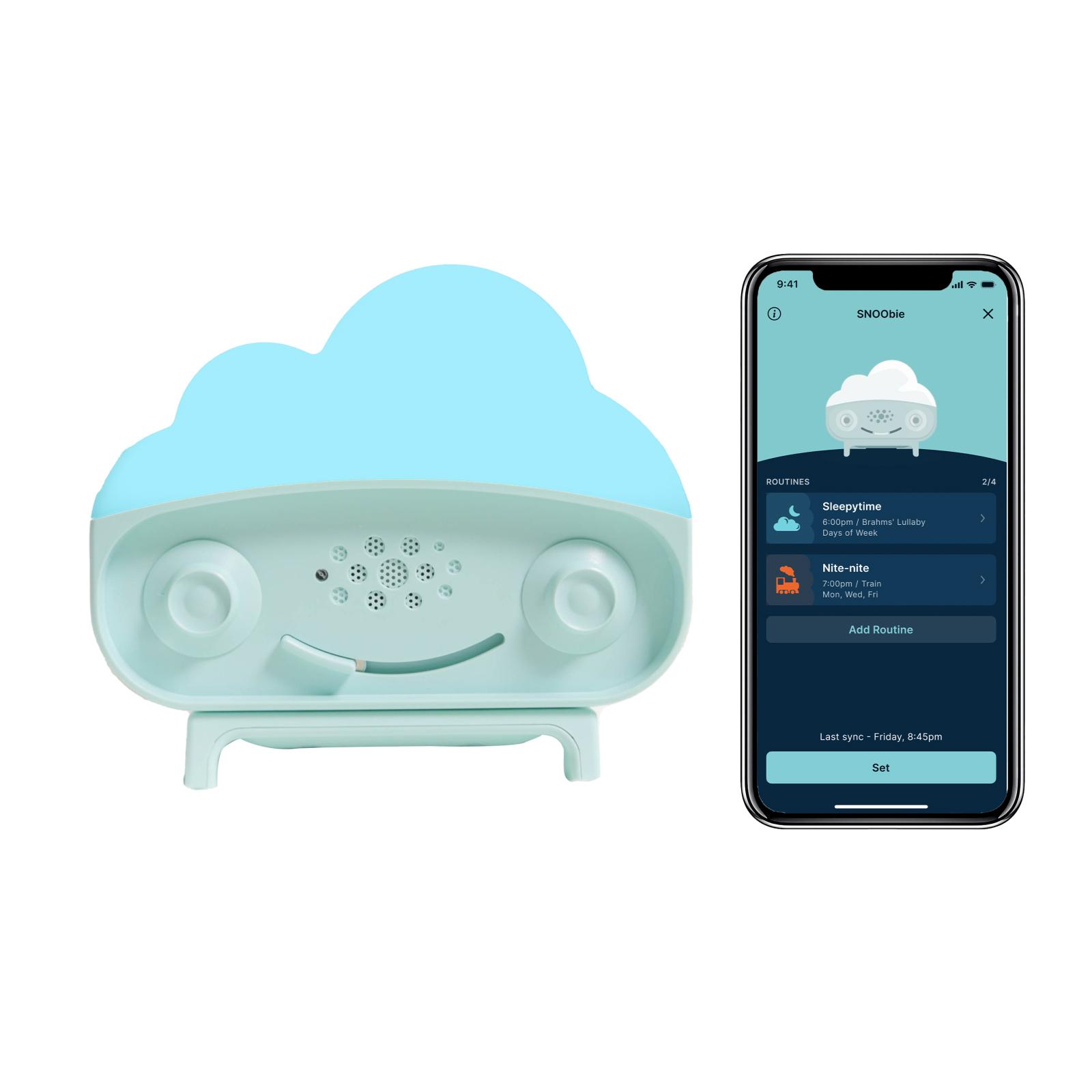
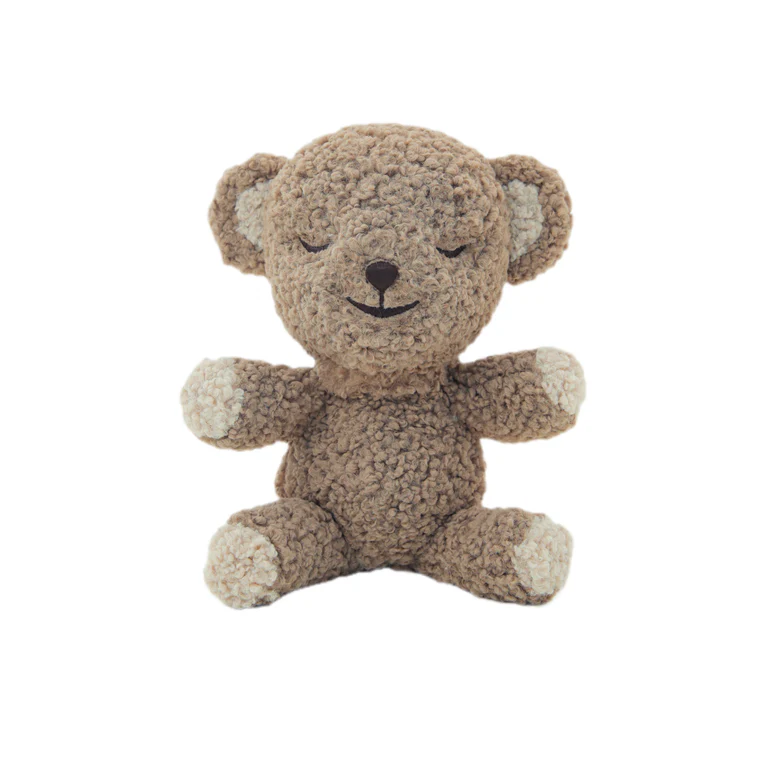
If you’ve decided to wean your baby—say a 6- or 7-month-old—from their paci, take baby steps. First, limit paci-time to naps and night-night. That means, if you notice your little one sucking “just because,” offer an alternative form of stimulation like a lovey. Next, use white noise to help replace sucking as one of your little one’s sleep cues. Sucking and shushing are both part of the 5 S’s that work to calm babies and help them sleep. (The good news: If you’re already using some of the 5 S’s to soothe your baby, losing the paci may even go unnoticed!) To get the most out of white noise, opt for continuous, monotonous, and low-pitch sounds, like the white noise featured in my white noise lovey, SNOObear. (Attach SNOObear to the outside of Baby’s crib until they reach 1-year-old. At that point, feel free to let your bub snuggle with SNOObear as a lovey and a responsive white noise machine.)
What can I replace a pacifier with?
If your baby is 1 year or older, you can encourage your toddler to use a lovey, like a blankie, teddy like SNOObear, or a silky scarf for some extra comfort. (“Honey, I’ll find your paci in a second. Hold teddy while Mummy is getting it for you.”)
Tips for Toddler Pacifier Weaning
Here are my top strategies for helping your toddler say “goodbye” to their pacifier for good!
- Limit pacifier use. If your bub is an all-day or mindless paci sucker, make it clear that pacifiers are only for sleep or stressful times when your tot needs calming.
- Establish “pacifier-free” times. Again, if you have a tot who automatically goes for the binkie, it’s smart to set some limits. For instance, if your bub grabs the pacifier after nap, tell them that this is a no-paci time. Start by making paci-free time just 30 minutes. I recommend using a timer, so your child doesn’t keep bugging you to have it! Try something like, “Sweetie, I know you want your binky right now…but we have to wait for Mr. Dinger to ring and tell us you can have it. Remember, that’s the rule! Hey, do you want to play with your cars or read a book while we’re waiting for that Mr. Dinger to ring?”
- Gossip about your toddler. Whisper compliments and praise about your kiddo to their stuffed animals about how they went all morning without the pacifier! (Children are much more likely to believe things they overhear…so make it good!)
- Tell fairy tales. During storytime, spin some tales about a bunny or a birdie who said goodbye to their binky…but had a magic teddy that made them feel happy every time they hugged it!
- Don’t say you’re giving the paci to another baby. That may create jealousy every time your toddler sees a baby with a paci! A different idea: One parent shared with me that he told his 3-year-old that he was sending all the pacifiers to Santa’s workshop to make a new playground for little kids!
- Choose a special day—together. Discuss with your little one when to give the binky away. You might choose a special day, like your child’s birthday. (Put fun stickers around the bye-bye paci day on a calendar. And give your child a red pen to cross off each day as you count down to the big day.)
- Have an exchange. Your tot will have an easier time separating from their old friend the pacifier if they get something in return…like a great big-kid toy that you can shop for together!
The most important tip: Be positive, but don’t get too excited. Some kids suddenly balk and decide they’re not ready to give up their pacifier quite yet. (“Mommy, sometimes I’m not a big boy!”) And you don’t want to make your child feel like a failure or make them think that they’re letting you down. (“Okay…I guess you love it so much you don’t want to say bye-bye to it yet…maybe next week?”)
Taking Away a Pacifier Can Take Time
If you’re feeling pressure to stop your child’s pacifier habit but know in your gut that your child isn’t ready, take a deep breath.
First, remember that in traditional cultures, toddlers often suck at the breast until they’re 4 years old. Second, some kids have a strong genetic drive—on one or both sides of the family—to fall in love with a soothing object, be it a binky, thumb, teddy, or security blanket. Third, it may sound silly to say this, but your tyke’s pacifier may become one of his deepest, closest friends. So…go easy! And fourth, nobody ever goes to college using a pacifier!
Disclaimer: The information on our site is NOT medical advice for any specific person or condition. It is only meant as general information. If you have any medical questions and concerns about your child or yourself, please contact your health provider. Breastmilk is the best source of nutrition for babies. It is important that, in preparation for and during breastfeeding, mothers eat a healthy, balanced diet. Combined breast- and bottle-feeding in the first weeks of life may reduce the supply of a mother's breastmilk and reversing the decision not to breastfeed is difficult. If you do decide to use infant formula, you should follow instructions carefully.





SHARE THIS ARTICLE
PARENT PICKS
Bestsellers