FIND US ON SOCIAL

Facebook linkYoutube linkInstagram linkTwitter link
View post on Instagram
 
View post on Instagram
 
View post on Instagram
 
View post on Instagram
 
View post on Instagram
 
View post on Instagram
 
View post on Instagram
 
View post on Instagram
 
View post on Instagram
 
View post on Instagram
 

Join the Fam,

Stay in the Know

JOIN OUR COMMUNITY

Sign up to get helpful tips, offers, and more!

ABOUT

Mission & FoundersThe 5 S’sBlog

SUPPORT

FAQsProduct RegistrationFees, Shipping, and ReturnsReturns PortalContact Us

COMMUNITY

AffiliatesAuthorised Partners

LEGAL

Terms of SalePrivacy PolicyCookie PolicyTerms of ServiceEULASNOO Limited WarrantyLegal NoticeRight of WithdrawalCookie PreferencesAll Legal Terms

SHOP

SNOO Smart SleeperSleepea SwaddleSNOObear White Noise LoveySNOObie Smart Soother

© 2025 Happiest Baby, Inc. | All Rights Reserved

All third party trademarks (including names, logos, and icons) referenced by Happiest Baby remain the property of their respective owners. Unless specifically identified as such, Happiest Baby’s use of third party trademarks does not indicate any relationship, sponsorship, or endorsement between Happiest Baby and the owners of these trademarks. Any references by Happiest Baby to third party trademarks are to identify the corresponding third party goods and/or services and shall be considered nominative fair use under the trademark law.

    Happiest Baby
    BLOG
    FAQS

    TODDLER

    How to Help Toddlers Deal With Shots

    When a child fears needles, a trip to the paediatrician's office that involves a vaccination can bring on the anxiety and tears. Here is how to keep shot scaries at bay.

    Dr. Harvey Karp

    Written by

    Dr. Harvey Karp

    SHARE THIS ARTICLE

    Share on FacebookShare on TwitterShare on LinkedinShare on PinterestShare via EmailCopy to clipboard link
    toddler shot

    ON THIS PAGE

    • Talk about shots this way.
    • Be honest with your child.
    • Channel your inner calm.
    • Bring something sweet.
    • Offer distractions.
    • Find your toddler's comfort position.

    SHARE THIS ARTICLE

    Share on FacebookShare on TwitterShare on LinkedinShare on PinterestShare via EmailCopy to clipboard link

    PARENT PICKS

    Bestsellers

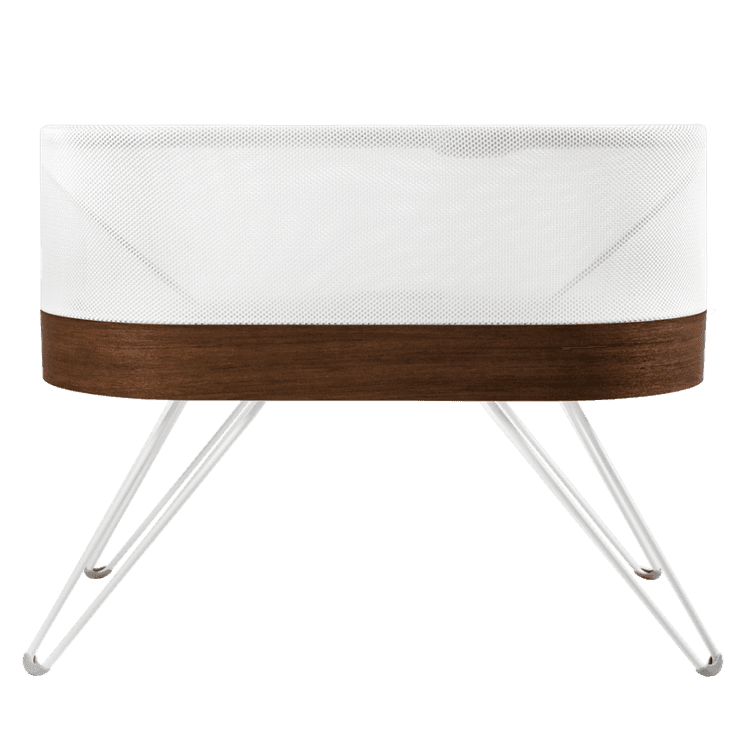
    SNOO Smart Sleeper Bassinet

    SNOO Smart Sleeper Baby Cot

    €1,395.00

    Sleepea® 5-Second Baby Swaddle Rainbow

    Sleepea® 5-Second Baby Swaddle

    €32.95

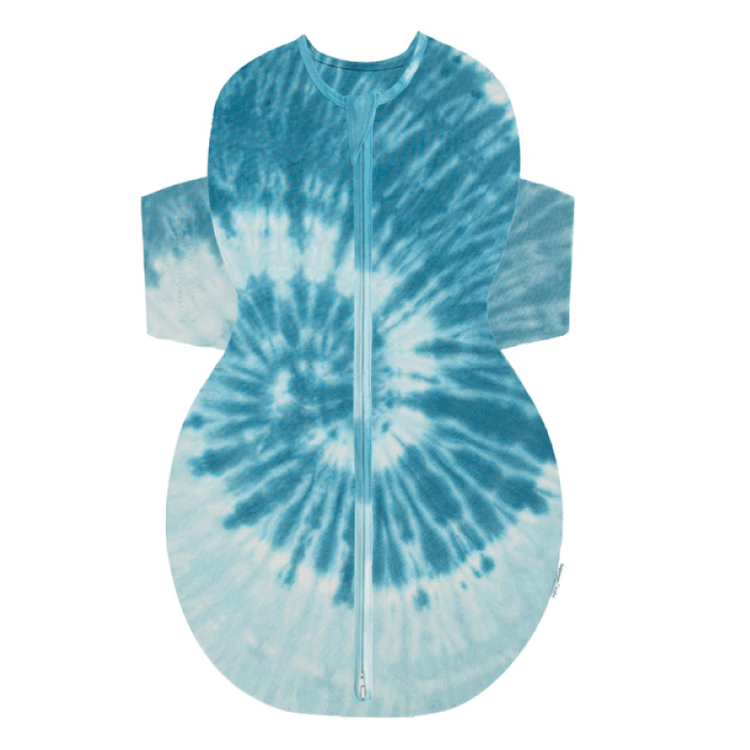
    100% Organic SNOO Sleep Sack Blue Tie-Dye

    100% Organic SNOO Sleep Sack

    €34.95

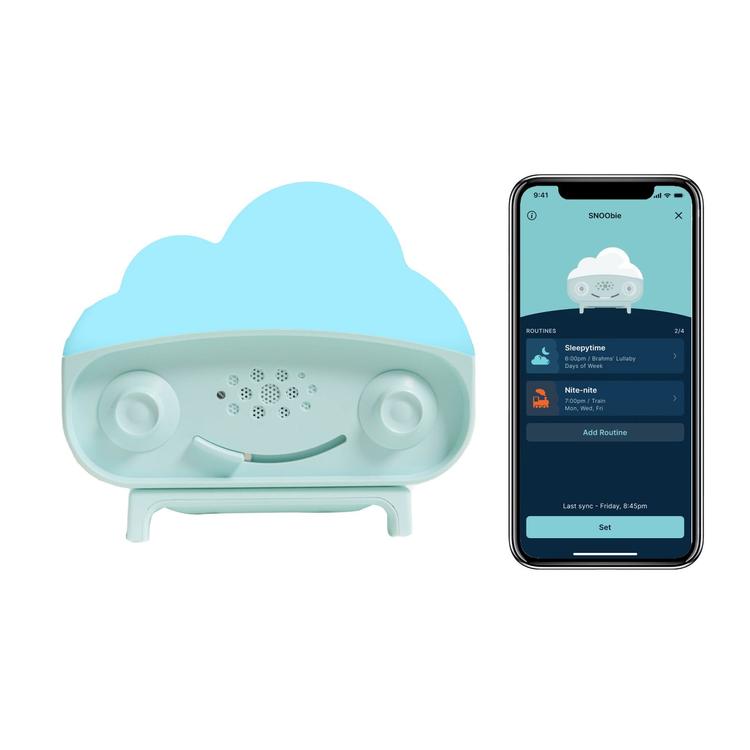
    SNOObie® Smart Soother

    €69.95

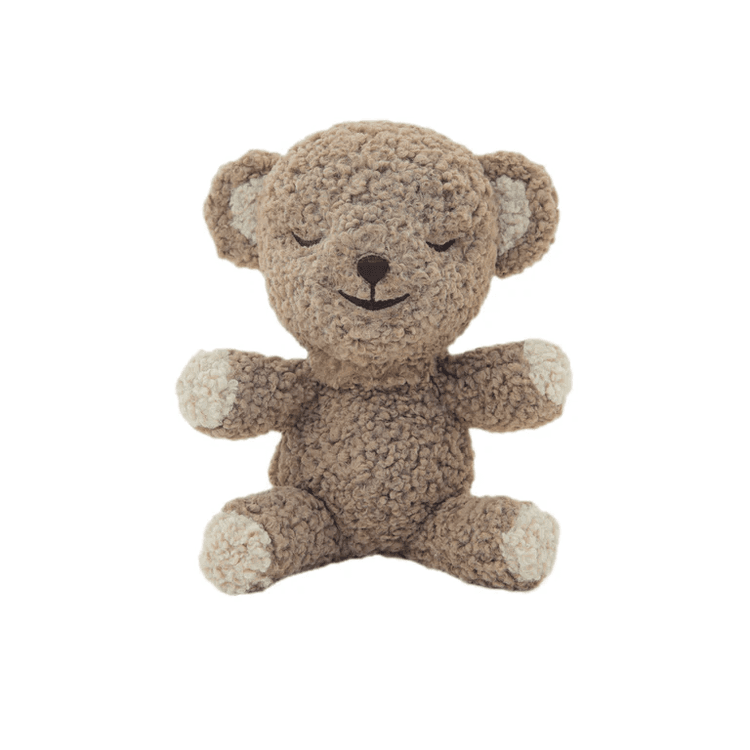
    SNOObear in Cocoa Woolly colour

    SNOObear® 3-in-1 White Noise Lovey

    €54.95

    SNOO Smart Sleeper Bassinet with mosquito net attached

    Shoo Mosquito Net

    €88.00

    Sky Mobile’s clouds

    Sky Mobile

    €89.95

    100% Organic Cotton SNOO Baby Cot Fitted Sheet in blue tie-dye colour in the box

    100% Organic Cotton SNOO Baby Cot Fitted Sheet

    €19.95

    SNOO Organic Baby Cot Sheets 3 Pack in 3 different colours

    SNOO Organic Baby Cot Sheets 3 Pack

    €59.85

    €38.90

    Sleepea® Comforter Swaddle in rose colour

    Sleepea® Comforter Swaddle

    €42.95

    100% Organic SNOO Sleep Comforter Sack in graphite colour

    100% Organic SNOO Sleep Comforter Sack

    €44.95

    Sleepea® Swaddle Sack 3 Pack Bundle in teal planets colour

    Sleepea® Swaddle Sack 3 Pack Bundle

    €98.85

    €69.20

    More on Toddler

    TODDLER

    Smart Kitchen Safety Tips for Toddlers (and Their Grown-Ups!)

    Keep your curious little cook safe in the kitchen!

    Toddler girl playing in the dirt

    TODDLER

    The Surprising Benefits of Letting Kids Play in Dirt and Mud

    While good hygiene is important, so is getting dirty sometimes!

    No one likes getting a shot. In fact, research shows that a majority of children have a fear of needles…and 10% of adults feel the same way. So, when your toddler whines and whimpers at the mention of a needle at their next doctor’s visit, you can probably relate! But, since avoiding recommended vaccines is not the answer, here are some helpful tips to ease your toddler's needle worries—and yours!

    Talk about shots this way.

    Before you head to the paediatrician’s office for your toddler’s shots, share with your child what is going to happen, using neutral language. That means, try to steer clear of words like shot, pain, or hurt! Even if you say, 'The shot will not hurt,' your child will only remember the words shot and hurt. Instead, say something like, 'The doctor will give you medicine to help keep you healthy.' Have this conversation about an hour or so before the appointment. You do not want to give your toddler too much time to focus on—and worry about—their fear of getting a shot.

    Be honest with your child.

    Even though you will want to choose your words carefully, you also do not want to sugarcoat the experience...or lie. If your little one asks if the shot will hurt, try something like, 'You will feel a poke, then it will be done. You will get a bandage afterward.' Or 'You may feel a pinch, but it will be over quick.' At the same time, do not apologise to your child about getting an immunisation. While you may be tempted to say, 'I am so sorry the needle hurts' or 'I am sorry you are scared,' if you apologise, you inadvertently send the message that you are doing something wrong by getting your child vaccinated. Plus, research shows that apologising is actually associated with a child’s needle stress! Instead, keep as calm and positive as you can while being matter of fact.

    Channel your inner calm.

    Throughout your talk—and when you are at the doctor’s office—you will need to model calmness. After all, calm is contagious in the best way! Well before your child is staring down a needle, teach them how to tap their own calm. In the days or weeks leading up to the vaccination, introduce your child to 'magic breathing.' This is a powerful de-stressor that can help toddlers feel more in control of their fear and anxiety. Sit in a comfy chair and ask your child to do the same, telling them that you are going to do some magic breathing, 'This helps me feel better when I am anxious.' Next, uncross your legs, place your hands in your lap, drop your shoulders, and relax the small muscles around your mouth and eyes. Slowly inhale through your nose (silently count to five) while raising one hand, then exhale through your nose (for another five), letting your hand slowly drop. When you are ready, ask your child to copy you…then lead them through the motions. Do this several times leading up to the doctor’s appointment, so once you are there and ready for the shot, you can practice magic breathing together. (Research shows that when parents offer coping strategies during a shot, it directly correlates to how well a child handles the experience.)

    Bring something sweet.

    Research has shown that the 5 S’s—swaddling, side/stomach position, shushing, swinging, and sucking—that I first shared in my book The Happiest Baby on the Block—can quickly soothe young babies after an immunisation…and a different S may be able to help bigger kids, too: something sweet! Some research has found that tasting something sweet one to two minutes before getting shot may help reduce a child’s pain response. Sweetness can help release the body’s natural pain-relieving chemicals and act as a distraction.

    Offer distractions.

    Bring a comfort item, like a cherished lovey or toy that can pull your child’s focus away from the ouch of a needle. A 2021 meta-analysis found that using distraction while a shot was being administered significantly side-stepped needle-related pain and distress in children. Try telling your little one a story, read them a book, play with a stuffed toy or a puppet, or have them watch funny cat videos on your phone! You can also use a little vibration. It is believed that some kinds of sensory stimulation (like vibration) can distract pain signals before they reach the brain.  Studies report that vibration can effectively relieve injection-induced pain in over 85% of people. (If your healthcare provider does not have one, consider buying and bringing the vibrating/ice pack combo Buzzy with you as a vaccine helper.)

    Find your toddler's comfort position.

    Lying down for a shot can make a child feel vulnerable and even more fearful. Instead, let your child sit on your lap. Being close to you will help them feel safe and, according to this article finding most comforting position can actually change how your child’s body processes pain signals. Try having your toddler sit on your lap with both legs to one side. This way you can give a hug that is reassuring and helps keep their arms still at the same time. (Sitting on your lap facing away from you—or toward you—works, too.) If laps are not your toddler’s thing, hug them from behind as they sit on the exam table.

    More info on vaccines:

    • Setting the Record Straight on Baby Vaccines
    • As Measles Cases Rise—Is Your Child at Risk?
    • The Importance of the Flu Shot for Children...and You!

    Disclaimer: The information on our site is NOT medical advice for any specific person or condition. It is only meant as general information. If you have any medical questions and concerns about your child or yourself, please contact your health provider. Breastmilk is the best source of nutrition for babies. It is important that, in preparation for and during breastfeeding, mothers eat a healthy, balanced diet. Combined breast- and bottle-feeding in the first weeks of life may reduce the supply of a mother's breastmilk and reversing the decision not to breastfeed is difficult. If you do decide to use infant formula, you should follow instructions carefully.

    Top Stories

    Dr. Harvey Karp uses the 5 S's to soothe a fussy baby

    BABY

    The 5 S's for Soothing Babies

    A baby in the Fourth Trimester

    BABY

    What Is the Fourth Trimester?

    Sleeping newborn

    BABY

    Newborn Baby White Noise Benefits

    A baby with a pacifier

    TODDLER

    How and When to Stop Pacifier Use

    Mother holds baby during the 3- to 4-month sleep regression

    BABY

    Don't Get Blindsided by the 3- to 4-Month Sleep Regression

    A mother gives her newborn baby a dream feed

    BABY

    What Is Dream Feeding?...And How Do I Do It?