FIND US ON SOCIAL

Facebook linkYoutube linkInstagram linkTwitter link
View post on Instagram
 
View post on Instagram
 
View post on Instagram
 
View post on Instagram
 
View post on Instagram
 
View post on Instagram
 
View post on Instagram
 
View post on Instagram
 
View post on Instagram
 
View post on Instagram
 

Join the Fam,

Stay in the Know

JOIN OUR COMMUNITY

Sign up to get helpful tips, offers, and more!

ABOUT

Mission & FoundersThe 5 S’sBlog

SUPPORT

FAQsProduct RegistrationFees, Shipping, and ReturnsReturns PortalContact Us

COMMUNITY

AffiliatesAuthorised Partners

LEGAL

Terms of SalePrivacy PolicyCookie PolicyTerms of ServiceEULASNOO Limited WarrantyLegal NoticeRight of WithdrawalCookie PreferencesAll Legal Terms

SHOP

SNOO Smart SleeperSleepea SwaddleSNOObear White Noise LoveySNOObie Smart Soother

© 2025 Happiest Baby, Inc. | All Rights Reserved

All third party trademarks (including names, logos, and icons) referenced by Happiest Baby remain the property of their respective owners. Unless specifically identified as such, Happiest Baby’s use of third party trademarks does not indicate any relationship, sponsorship, or endorsement between Happiest Baby and the owners of these trademarks. Any references by Happiest Baby to third party trademarks are to identify the corresponding third party goods and/or services and shall be considered nominative fair use under the trademark law.

    Happiest Baby
    BLOG
    FAQS

    TODDLER

    How to Help Your Toddler Express Their Feelings

    Children whose feelings are lovingly acknowledged during the toddler years grow up emotionally strong!

    Happiest Baby Staff

    Written by

    Happiest Baby Staff

    SHARE THIS ARTICLE

    Share on FacebookShare on TwitterShare on LinkedinShare on PinterestShare via EmailCopy to clipboard link
    How to help toddlers express emotions - mum encouraging toddler

    ON THIS PAGE

    • How to Help Your Toddler Express Feelings 

    SHARE THIS ARTICLE

    Share on FacebookShare on TwitterShare on LinkedinShare on PinterestShare via EmailCopy to clipboard link

    PARENT PICKS

    Bestsellers

    SNOO Smart Sleeper Bassinet

    SNOO Smart Sleeper Baby Cot

    €1,395.00

    Sleepea® 5-Second Baby Swaddle Rainbow

    Sleepea® 5-Second Baby Swaddle

    €32.95

    100% Organic SNOO Sleep Sack Blue Tie-Dye

    100% Organic SNOO Sleep Sack

    €34.95

    SNOObie® Smart Soother

    €69.95

    SNOObear in Cocoa Woolly colour

    SNOObear® 3-in-1 White Noise Lovey

    €54.95

    SNOO Smart Sleeper Bassinet with mosquito net attached

    Shoo Mosquito Net

    €88.00

    Sky Mobile’s clouds

    Sky Mobile

    €89.95

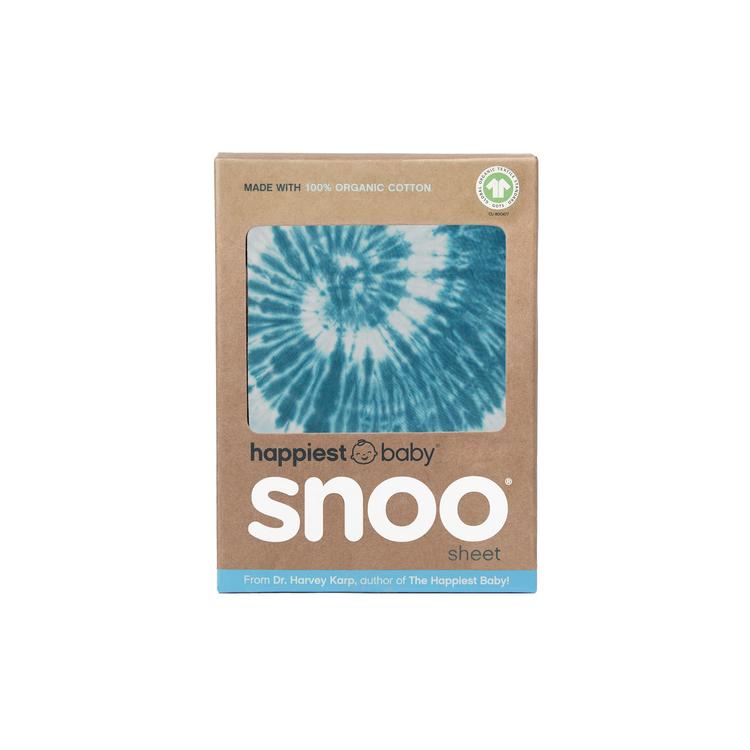
    100% Organic Cotton SNOO Baby Cot Fitted Sheet in blue tie-dye colour in the box

    100% Organic Cotton SNOO Baby Cot Fitted Sheet

    €19.95

    SNOO Organic Baby Cot Sheets 3 Pack in 3 different colours

    SNOO Organic Baby Cot Sheets 3 Pack

    €59.85

    €38.90

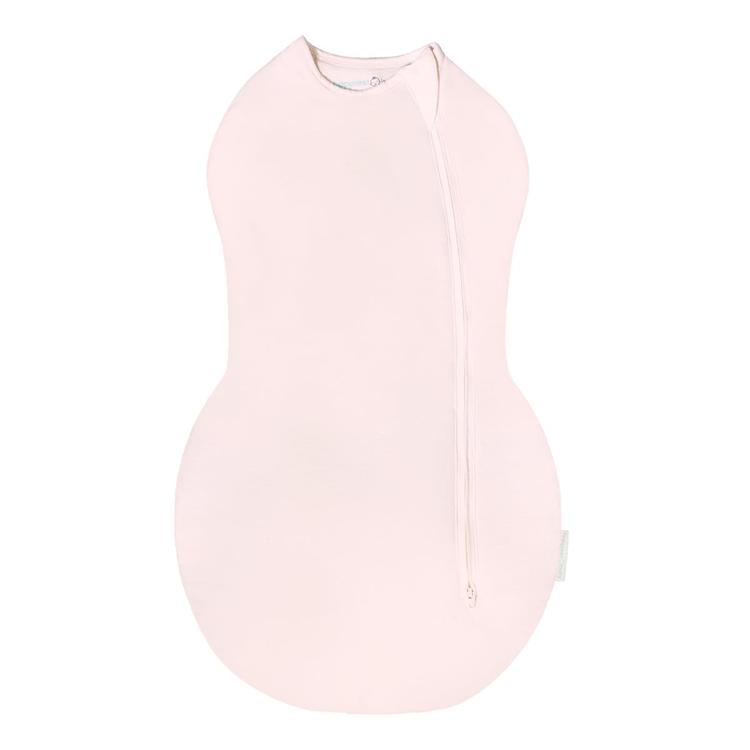
    Sleepea® Comforter Swaddle in rose colour

    Sleepea® Comforter Swaddle

    €42.95

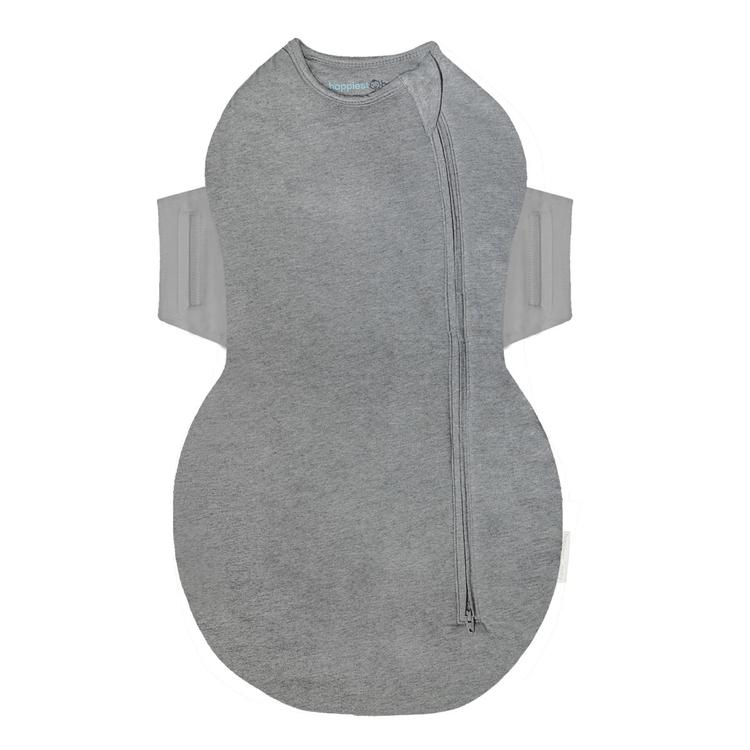
    100% Organic SNOO Sleep Comforter Sack in graphite colour

    100% Organic SNOO Sleep Comforter Sack

    €44.95

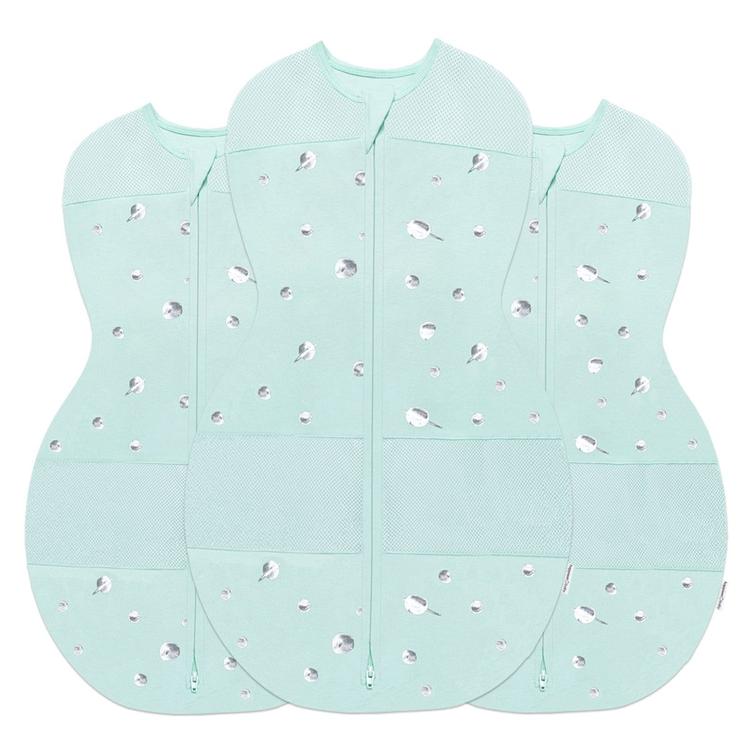
    Sleepea® Swaddle Sack 3 Pack Bundle in teal planets colour

    Sleepea® Swaddle Sack 3 Pack Bundle

    €98.85

    €69.20

    More on Toddler

    TODDLER

    Smart Kitchen Safety Tips for Toddlers (and Their Grown-Ups!)

    Keep your curious little cook safe in the kitchen!

    Toddler girl playing in the dirt

    TODDLER

    The Surprising Benefits of Letting Kids Play in Dirt and Mud

    While good hygiene is important, so is getting dirty sometimes!

    Did you know that emotions make us healthy? In fact, the way in which you react to your child’s expression of emotion will contribute greatly to his health—and happiness—for the rest of his life.

    Bottled-up feelings can lead to a profound sense of loneliness ('No one understands'/'No one cares') or even bursts of hysteria (think drama queen or someone needing anger-management classes). Kids whose words of fear and frustration are repeatedly silenced may grow up emotionally disconnected (like the guy who snarls 'I am NOT angry!', totally unaware that the veins are popping out of his forehead).

    On the other hand, when we 'have a good cry' we feel and think better. Venting anger with a good scream or punching a pillow can lower our blood pressure and help us recover, forgive, and move on. Laughter and tears have even been shown to strengthen the immune system and help heal illness.

    Children whose feelings are lovingly acknowledged during the toddler years grow up emotionally intact. They know how to ask their friends for help and how to support others in need. They seek out healthy relationships, avoiding bullies and choosing confidantes and life partners who are thoughtful and kind.

    How to Help Your Toddler Express Feelings 

    Young toddlers (12–24 months)

    Model for your child how to vent their feelings. For example, when they are mad stomp your feet, clap your hands, and shake your head vigorously, and teach them to say 'No!' ('Evelyn says, "No, no, no! Mine, mine! Stop now!"') 

    Older toddlers (2–4 years old)

    When things are calm, have your toddler practice different faces: 'Show me your happy face…your sad face…your mad face.' Point out pictures in books and say 'Look at that sad baby. How do you look when you are sad?' Cut out magazine pictures of people showing emotions and put them on cardboard cards or in a little 'feelings book.' Demonstrate your facial expressions so they can see what you mean: 'When I get mad my eyes get small and my mouth gets tight like this [make face].'

    Teach your child the words to use when they are upset. Use pictures in the 'feelings book' as a starting point. Ask, 'How does that boy feel? Why is that girl sad?' Enrich your child’s vocabulary by using different words. For example, for 'mad' you might also use: angry, furious, miffed, boiling, red-hot, etc.

    Amazingly, the more you practice these simple steps, the sooner your child will start to gain control of their emotional outbursts.

    Disclaimer: The information on our site is NOT medical advice for any specific person or condition. It is only meant as general information. If you have any medical questions and concerns about your child or yourself, please contact your health provider. Breastmilk is the best source of nutrition for babies. It is important that, in preparation for and during breastfeeding, mothers eat a healthy, balanced diet. Combined breast- and bottle-feeding in the first weeks of life may reduce the supply of a mother's breastmilk and reversing the decision not to breastfeed is difficult. If you do decide to use infant formula, you should follow instructions carefully.


    Top Stories

    Dr. Harvey Karp uses the 5 S's to soothe a fussy baby

    BABY

    The 5 S's for Soothing Babies

    A baby in the Fourth Trimester

    BABY

    What Is the Fourth Trimester?

    Sleeping newborn

    BABY

    Newborn Baby White Noise Benefits

    A baby with a pacifier

    TODDLER

    How and When to Stop Pacifier Use

    Mother holds baby during the 3- to 4-month sleep regression

    BABY

    Don't Get Blindsided by the 3- to 4-Month Sleep Regression

    A mother gives her newborn baby a dream feed

    BABY

    What Is Dream Feeding?...And How Do I Do It?