FIND US ON SOCIAL

Facebook linkYoutube linkInstagram linkTwitter link
View post on Instagram
 
View post on Instagram
 
View post on Instagram
 
View post on Instagram
 
View post on Instagram
 
View post on Instagram
 
View post on Instagram
 
View post on Instagram
 
View post on Instagram
 
View post on Instagram
 

Join the Fam,

Stay in the Know

JOIN OUR COMMUNITY

Sign up to get helpful tips, offers, and more!

ABOUT

Mission & FoundersThe 5 S’sBlog

SUPPORT

FAQsProduct RegistrationFees, Shipping, and ReturnsReturns PortalContact Us

COMMUNITY

AffiliatesAuthorised Partners

LEGAL

Terms of SalePrivacy PolicyCookie PolicyTerms of ServiceEULASNOO Limited WarrantyLegal NoticeRight of WithdrawalCookie PreferencesAll Legal Terms

SHOP

SNOO Smart SleeperSleepea SwaddleSNOObear White Noise LoveySNOObie Smart Soother

© 2025 Happiest Baby, Inc. | All Rights Reserved

All third party trademarks (including names, logos, and icons) referenced by Happiest Baby remain the property of their respective owners. Unless specifically identified as such, Happiest Baby’s use of third party trademarks does not indicate any relationship, sponsorship, or endorsement between Happiest Baby and the owners of these trademarks. Any references by Happiest Baby to third party trademarks are to identify the corresponding third party goods and/or services and shall be considered nominative fair use under the trademark law.

    Happiest Baby
    BLOG
    FAQS

    TODDLER

    What to Know About Fifth Disease in Babies and Kids

    If you have gotten a letter from nursery that there was an outbreak of Fifth Disease, you might understandably be concerned. After all...what the heck is fifth disease?

    Dr. Harvey Karp

    Written by

    Dr. Harvey Karp

    SHARE THIS ARTICLE

    Share on FacebookShare on TwitterShare on LinkedinShare on PinterestShare via EmailCopy to clipboard link

    ON THIS PAGE

    • What is fifth disease in babies and kids?
    • How do I know if my kid has fifth disease?
    • How does fifth disease spread in babies and kids?
    • How long are kids contagious with fifth disease?
    • What do I need to know about fifth disease and pregnancy?
    • Do I need to see a doctor for fifth disease?
    • How is fifth disease treated in children?

    SHARE THIS ARTICLE

    Share on FacebookShare on TwitterShare on LinkedinShare on PinterestShare via EmailCopy to clipboard link

    PARENT PICKS

    Bestsellers

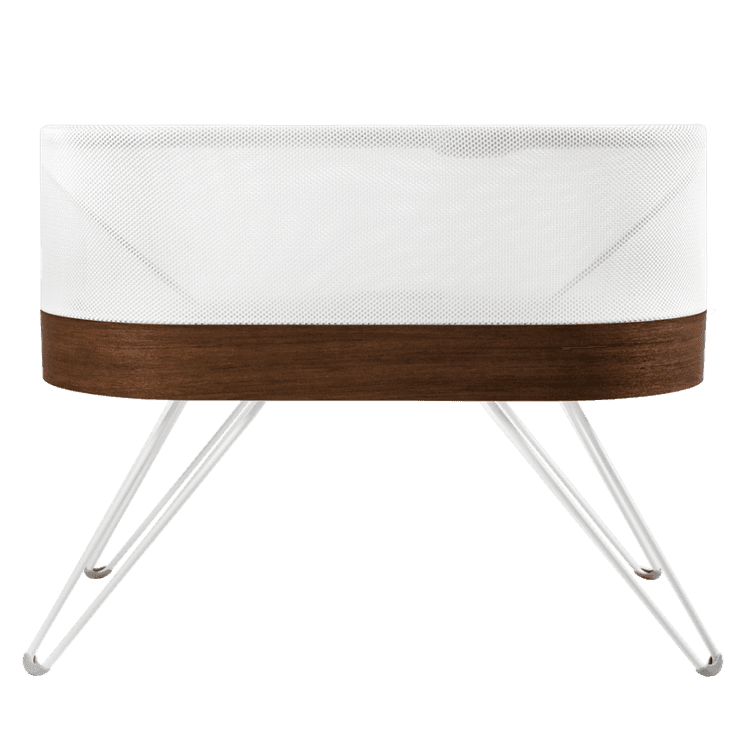
    SNOO Smart Sleeper Bassinet

    SNOO Smart Sleeper Baby Cot

    €1,395.00

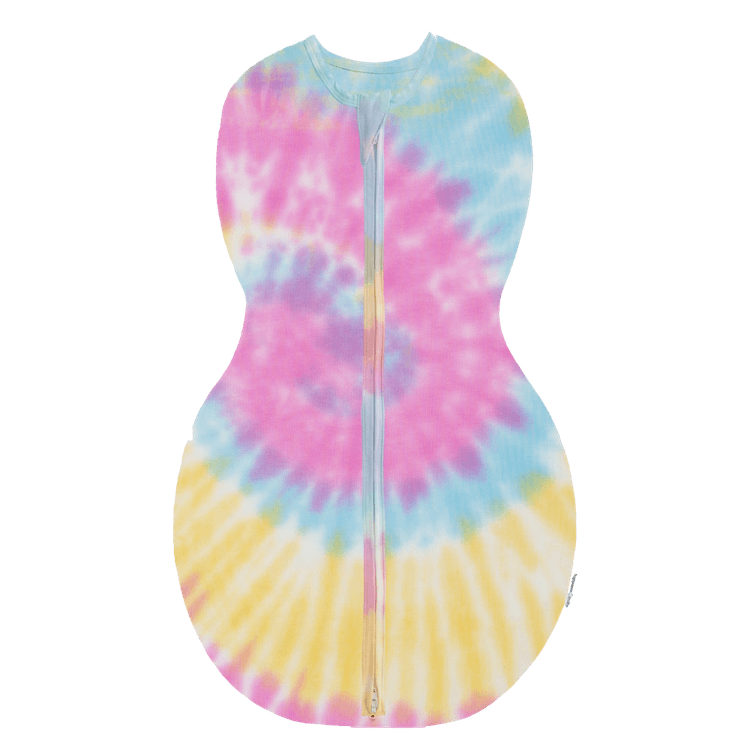
    Sleepea® 5-Second Baby Swaddle Rainbow

    Sleepea® 5-Second Baby Swaddle

    €32.95

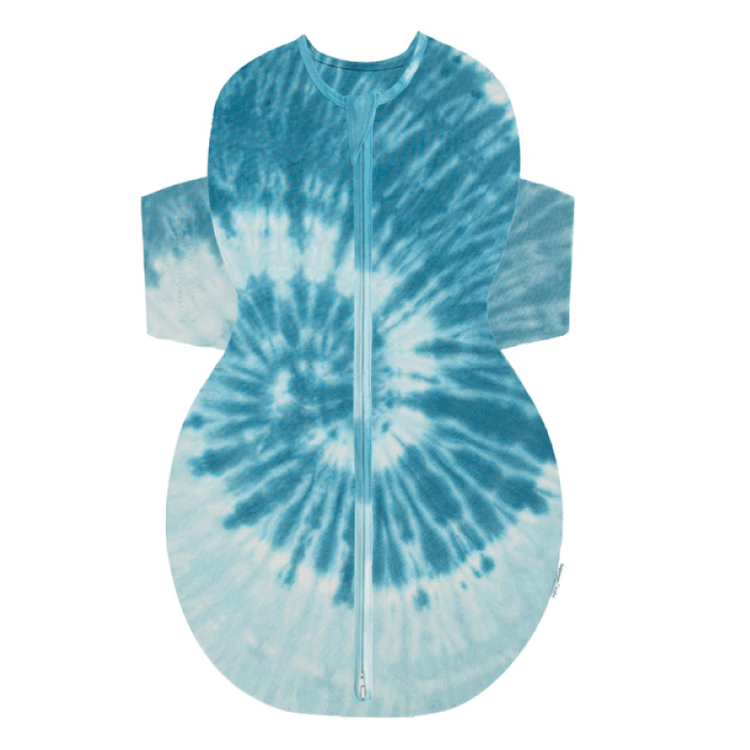
    100% Organic SNOO Sleep Sack Blue Tie-Dye

    100% Organic SNOO Sleep Sack

    €34.95

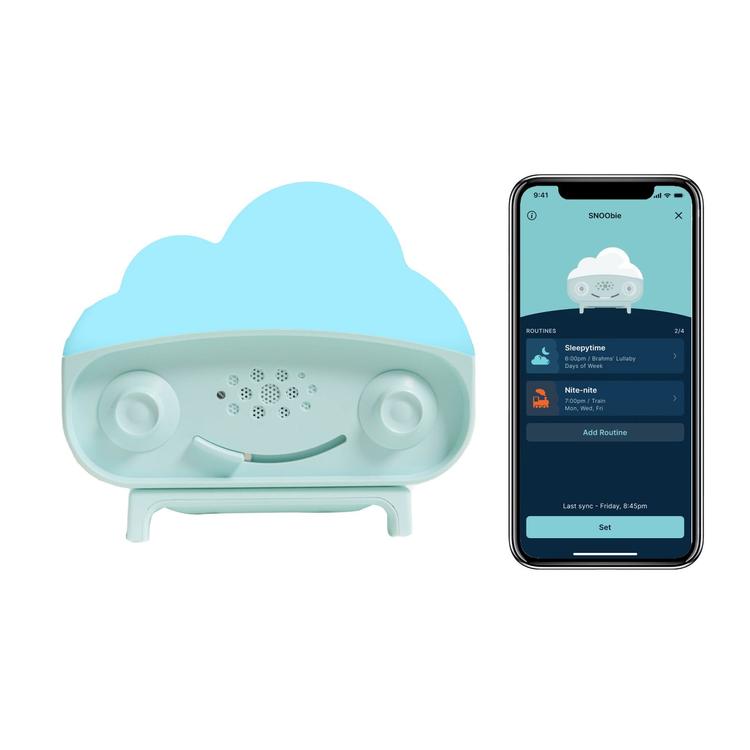
    SNOObie® Smart Soother

    €69.95

    SNOObear in Cocoa Woolly colour

    SNOObear® 3-in-1 White Noise Lovey

    €54.95

    SNOO Smart Sleeper Bassinet with mosquito net attached

    Shoo Mosquito Net

    €88.00

    Sky Mobile’s clouds

    Sky Mobile

    €89.95

    100% Organic Cotton SNOO Baby Cot Fitted Sheet in blue tie-dye colour in the box

    100% Organic Cotton SNOO Baby Cot Fitted Sheet

    €19.95

    SNOO Organic Baby Cot Sheets 3 Pack in 3 different colours

    SNOO Organic Baby Cot Sheets 3 Pack

    €59.85

    €38.90

    Sleepea® Comforter Swaddle in rose colour

    Sleepea® Comforter Swaddle

    €42.95

    100% Organic SNOO Sleep Comforter Sack in graphite colour

    100% Organic SNOO Sleep Comforter Sack

    €44.95

    Sleepea® Swaddle Sack 3 Pack Bundle in teal planets colour

    Sleepea® Swaddle Sack 3 Pack Bundle

    €98.85

    €69.20

    More on Toddler

    TODDLER

    Smart Kitchen Safety Tips for Toddlers (and Their Grown-Ups!)

    Keep your curious little cook safe in the kitchen!

    Toddler girl playing in the dirt

    TODDLER

    The Surprising Benefits of Letting Kids Play in Dirt and Mud

    While good hygiene is important, so is getting dirty sometimes!

    If you have gotten a letter from school or nursery that there was an outbreak of fifth disease, you might understandably be concerned. After all...what the heck is fifth disease?

    What is fifth disease in babies and kids?

    Known more formally as erythema infectiosum, the illness got its nickname because it was the fifth most common cause of a skin rashes plus fever in kids (after measles, German measles, scarlet fever, and roseola).  Fifth disease is caused by a common virus, parvovirus B19. Its most obvious feature is a red rash on the cheeks that looks almost like they were slapped.

    Fifth disease can happen at any age. It is most common among school-aged kids, but the virus can infect anyone. Fortunately, for most littles, it is a mild condition that usually crops up in the late winter or early spring months and goes away on its own. 

    How do I know if my kid has fifth disease?

    The best-known symptom is a bright red rash on your child’s cheeks, the so called 'slapped cheek' appearance. In fact, the cheek rash is such a telltale sign, that doctors can often diagnose fifth disease based on that alone!

    A lacy rash pattern can also show up over the chest, abdomen, arms, legs, and possibly the soles of the feet. It goes away in about seven to 10 days, but your child might get really itchy during this time, and the rash might come back right after a bath.

    Prior to the rash, kids often have fever, runny nose, headache, sore throat, or feel tired. They may also have some swelling or pain in their joints, although this is more common in adults. Swollen or painful joints typically last a few weeks but may take even longer to disappear. 

    How does fifth disease spread in babies and kids?

    Since fifth disease spreads by respiratory droplets, your child can catch it from someone else’s coughs or sneezes. However, once you or your child has had fifth disease, the immunity from it will generally protect you from any other infection caused by parvovirus B19 (a small silver lining!). 

    How long are kids contagious with fifth disease?

    Once you notice a rash on your child's body, they are no longer contagious. This means they could have infected other children prior to this when they seemed to just have a common cold. So as gnarly as that rash may look, once your child has the rash, they are actually probably fine to go back to daycare or school. However, if they have a weakened immune system or an immune condition, they could be contagious for longer.

    What do I need to know about fifth disease and pregnancy?

    It is possible to get fifth disease while pregnant, and the infection can be transmitted to the fetus. While it usually does not cause complications, it is important to let your provider know if you contract it or were exposed to an infected person. You might be prescribed medication to treat the virus. About 5% of babies in utero can develop severe anemia.

    Do I need to see a doctor for fifth disease?

    Kids or grown-ups who have an immune condition should notify their doctor as soon as possible if they become infected, as well as people who have anemia or related conditions, like sickle cell disease. It is also a good idea to call your child's provider if their symptoms get worse or their skin appears pale. But generally, unless you have concerns or questions, there is not too much your doctor can do.

    How is fifth disease treated in children?

    If your child is otherwise healthy—has no anemia or immune system concerns—generally, no treatment is necessary, and fifth disease goes away on its own. You may use over-the-counter medications to treat fever or pain if your child is uncomfortable. Of course, children who have more serious conditions may need other medications, or even a blood transfusion, to treat the virus and recover. 

    So, if you get that dreaded nursery note or see those telltale flushed cheeks, try not to worry too much. But as always, if you have any questions or worries, your provider will be able to help you through them!

    Disclaimer: The information on our site is NOT medical advice for any specific person or condition. It is only meant as general information. If you have any medical questions and concerns about your child or yourself, please contact your health provider. Breastmilk is the best source of nutrition for babies. It is important that, in preparation for and during breastfeeding, mothers eat a healthy, balanced diet. Combined breast- and bottle-feeding in the first weeks of life may reduce the supply of a mother's breastmilk and reversing the decision not to breastfeed is difficult. If you do decide to use infant formula, you should follow instructions carefully.

    Top Stories

    Dr. Harvey Karp uses the 5 S's to soothe a fussy baby

    BABY

    The 5 S's for Soothing Babies

    A baby in the Fourth Trimester

    BABY

    What Is the Fourth Trimester?

    Sleeping newborn

    BABY

    Newborn Baby White Noise Benefits

    A baby with a pacifier

    TODDLER

    How and When to Stop Pacifier Use

    Mother holds baby during the 3- to 4-month sleep regression

    BABY

    Don't Get Blindsided by the 3- to 4-Month Sleep Regression

    A mother gives her newborn baby a dream feed

    BABY

    What Is Dream Feeding?...And How Do I Do It?