FIND US ON SOCIAL

Facebook linkYoutube linkInstagram linkTwitter link
View post on Instagram
 
View post on Instagram
 
View post on Instagram
 
View post on Instagram
 
View post on Instagram
 
View post on Instagram
 
View post on Instagram
 
View post on Instagram
 
View post on Instagram
 
View post on Instagram
 

Join the Fam,

Stay in the Know

JOIN OUR COMMUNITY

Sign up to get helpful tips, offers, and more!

ABOUT

Mission & FoundersThe 5 S’sBlog

SUPPORT

FAQsProduct RegistrationFees, Shipping, and ReturnsReturns PortalContact Us

COMMUNITY

AffiliatesAuthorised Partners

LEGAL

Terms of SalePrivacy PolicyCookie PolicyTerms of ServiceEULASNOO Limited WarrantyLegal NoticeRight of WithdrawalCookie PreferencesAll Legal Terms

SHOP

SNOO Smart SleeperSleepea SwaddleSNOObear White Noise LoveySNOObie Smart Soother

© 2025 Happiest Baby, Inc. | All Rights Reserved

All third party trademarks (including names, logos, and icons) referenced by Happiest Baby remain the property of their respective owners. Unless specifically identified as such, Happiest Baby’s use of third party trademarks does not indicate any relationship, sponsorship, or endorsement between Happiest Baby and the owners of these trademarks. Any references by Happiest Baby to third party trademarks are to identify the corresponding third party goods and/or services and shall be considered nominative fair use under the trademark law.

    Happiest Baby
    BLOG
    FAQS

    PREGNANCY

    Learn to Spot the Signs of Preeclampsia

    How do you know if you might be developing preeclampsia?

    Dr. Harvey Karp

    Written by

    Dr. Harvey Karp

    SHARE THIS ARTICLE

    Share on FacebookShare on TwitterShare on LinkedinShare on PinterestShare via EmailCopy to clipboard link
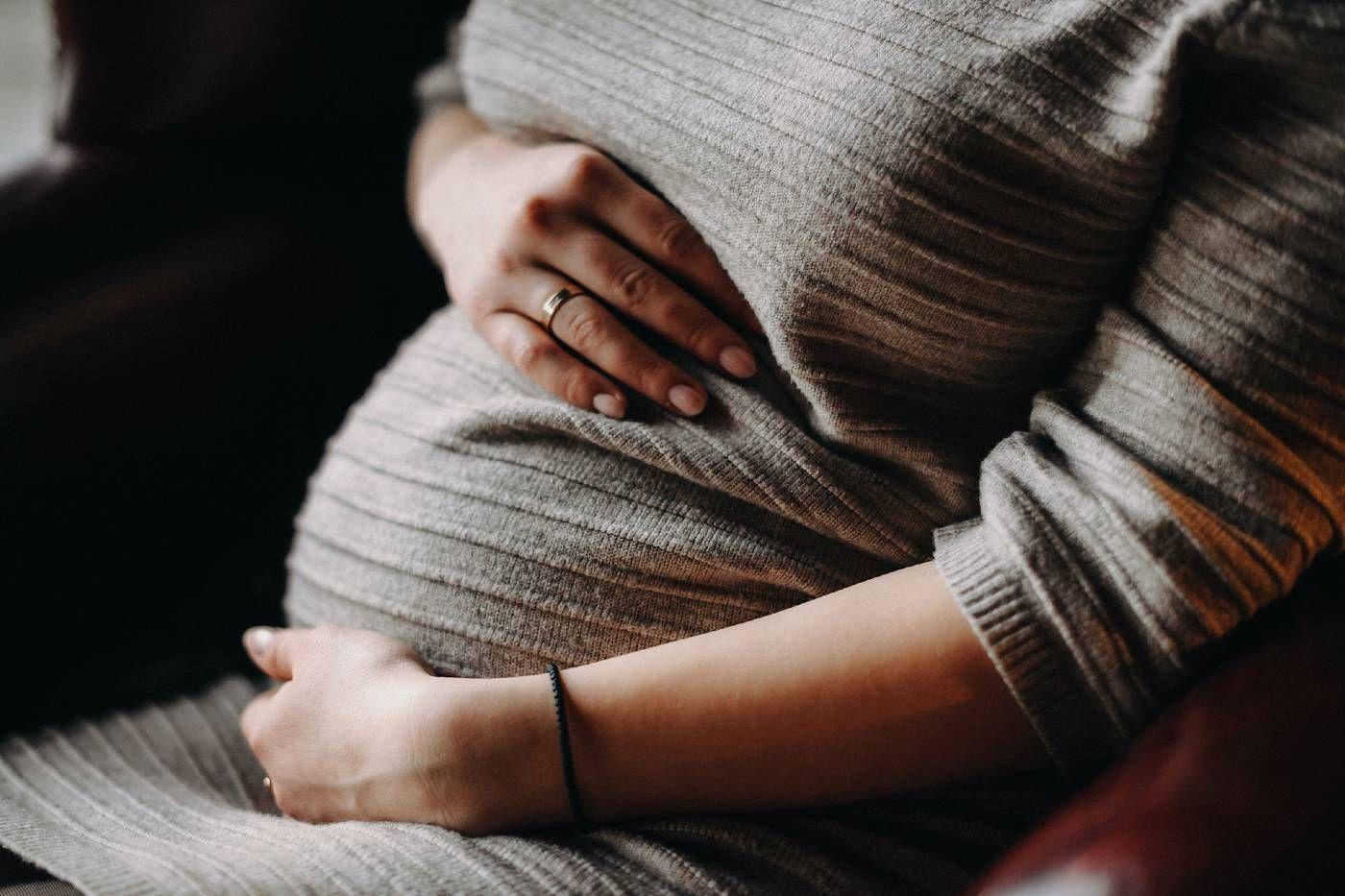
    An expectant mother cradles her belly

    ON THIS PAGE

    • What is preeclampsia?
    • What causes preeclampsia?
    • What are the symptoms of preeclampsia?
    • Signs of preeclampsia:
    • How does preeclampsia affect mums and babies?
    • How to prevent preeclampsia:
    • How is preeclampsia treated?
    • Preeclampsia After Birth 

    SHARE THIS ARTICLE

    Share on FacebookShare on TwitterShare on LinkedinShare on PinterestShare via EmailCopy to clipboard link

    PARENT PICKS

    Bestsellers

    SNOO Smart Sleeper Bassinet

    SNOO Smart Sleeper Baby Cot

    €1,395.00

    Sleepea® 5-Second Baby Swaddle Rainbow

    Sleepea® 5-Second Baby Swaddle

    €32.95

    100% Organic SNOO Sleep Sack Blue Tie-Dye

    100% Organic SNOO Sleep Sack

    €34.95

    SNOObie® Smart Soother

    €69.95

    SNOObear in Cocoa Woolly colour

    SNOObear® 3-in-1 White Noise Lovey

    €54.95

    SNOO Smart Sleeper Bassinet with mosquito net attached

    Shoo Mosquito Net

    €88.00

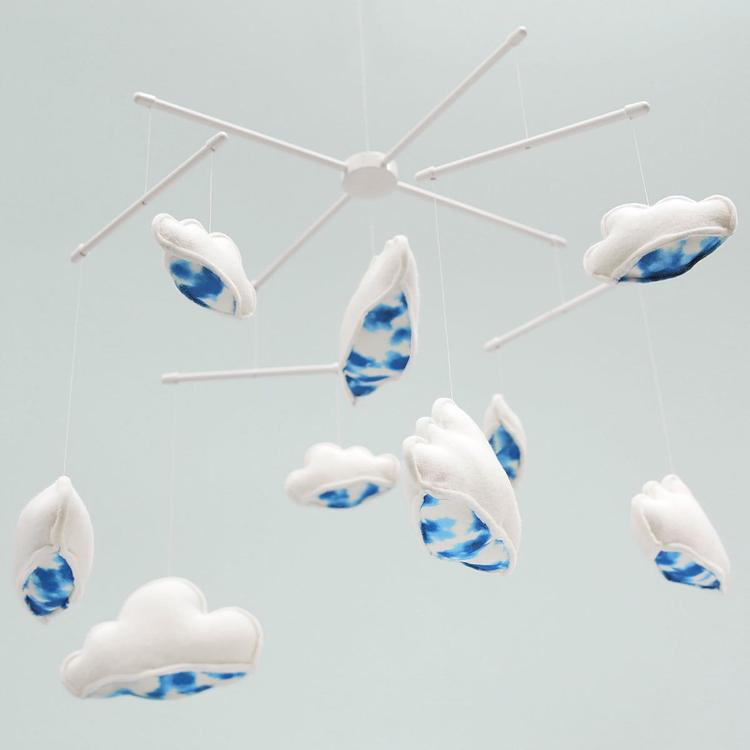
    Sky Mobile’s clouds

    Sky Mobile

    €89.95

    100% Organic Cotton SNOO Baby Cot Fitted Sheet in blue tie-dye colour in the box

    100% Organic Cotton SNOO Baby Cot Fitted Sheet

    €19.95

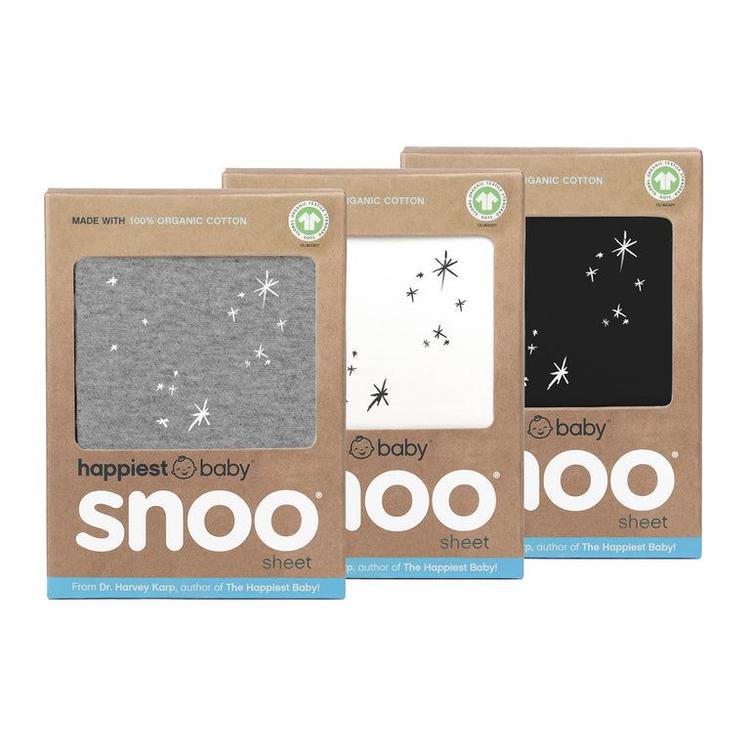
    SNOO Organic Baby Cot Sheets 3 Pack in 3 different colours

    SNOO Organic Baby Cot Sheets 3 Pack

    €59.85

    €38.90

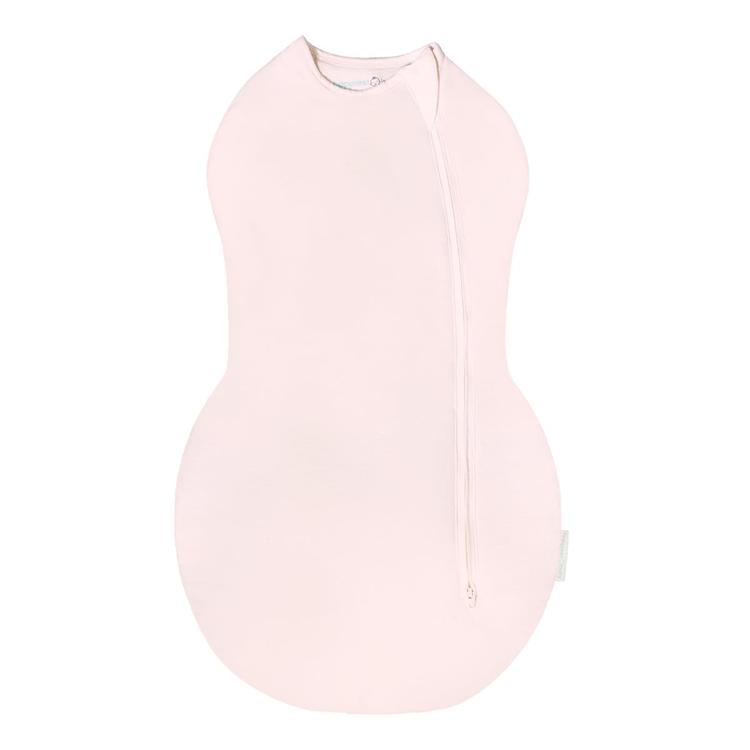
    Sleepea® Comforter Swaddle in rose colour

    Sleepea® Comforter Swaddle

    €42.95

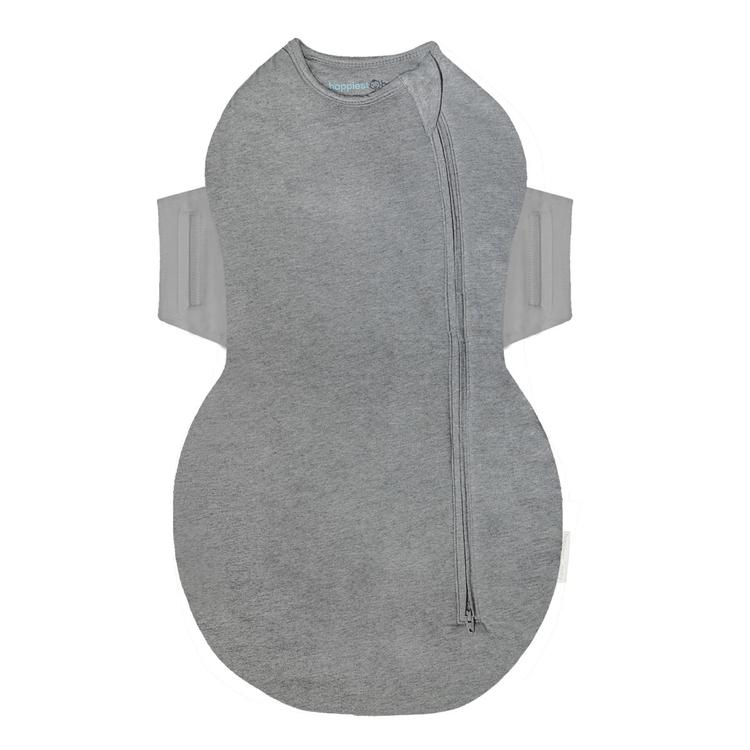
    100% Organic SNOO Sleep Comforter Sack in graphite colour

    100% Organic SNOO Sleep Comforter Sack

    €44.95

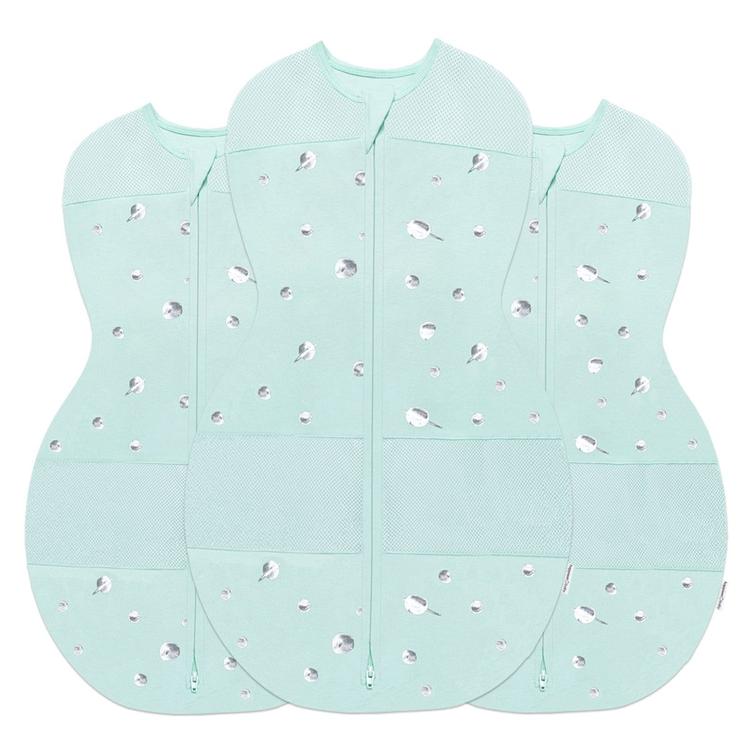
    Sleepea® Swaddle Sack 3 Pack Bundle in teal planets colour

    Sleepea® Swaddle Sack 3 Pack Bundle

    €98.85

    €69.20

    More on Pregnancy

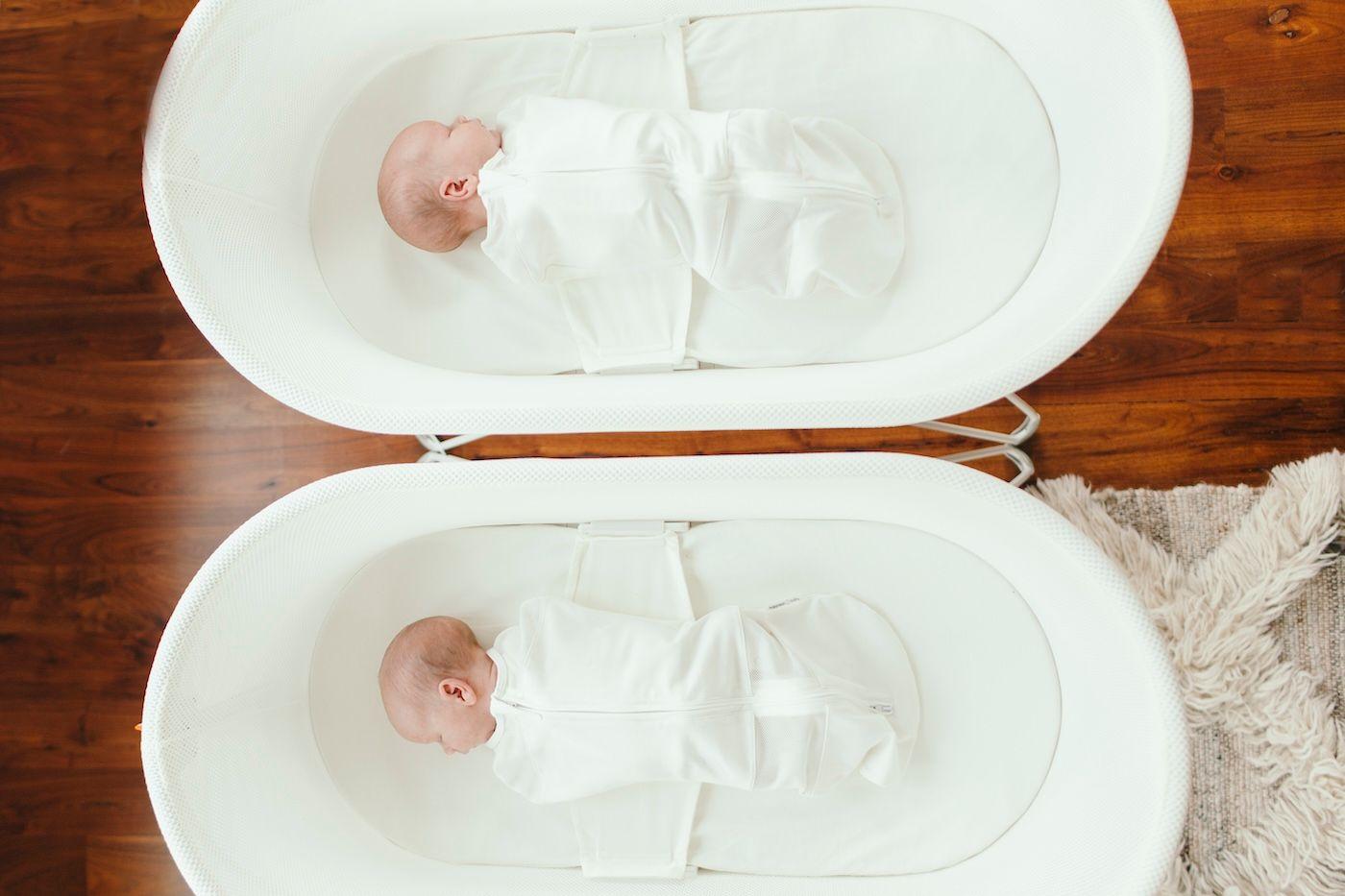
    Twin babies sleeping in two SNOO Smart Sleepers

    PREGNANCY

    These Are Twin Baby Must-Haves (According to Real Twin Parents!)

    Here are the essentials seasoned twin mums and dads swear by.

    A pregnant woman looks at her phone

    PREGNANCY

    The Truth About Your Top Pregnancy Fears

    These science-backed facts will help you breathe easier.

    You may have noticed that your healthcare provider has watched your blood pressure like a hawk throughout your pregnancy. That’s because a spike in blood pressure may point to preeclampsia. The reason behind 8-10% of premature deliveries is hypertensive disorders, including preeclampsia.

    So, how do you know if you might be developing preeclampsia?

    What is preeclampsia?

    Preeclampsia is a pregnancy complication marked by high blood pressure, swelling of the extremities, and signs that the kidneys and liver are not working right, such as protein in the urine (this is why you’re asked to pee in a cup during nearly every appointment!). Preeclampsia happens in up to 6% of pregnancies, usually after 20 weeks of gestation. Although it’s potentially a serious condition, most mums with preeclampsia go on to deliver healthy babies.  

    What causes preeclampsia?

    Like so many things in medicine, we’re not totally sure what causes preeclampsia. What we do know is that it usually occurs during first-time pregnancies, affecting women who:

    • are pregnant with multiples
    • get pregnant 10 years or more after their last pregnancy
    • are under 20 or over 40
    • are overweight or obese
    • have polycystic ovary syndrome (PCOS)
    • have a history of diabetes, high blood pressure, autoimmune disorders, or a kidney disorder
    • have a close relative who had preeclampsia
    • conceived through in vitro fertilization (IVF)
    • had preeclampsia with a previous pregnancy

    What are the symptoms of preeclampsia?

    Your midwife or doctor will check for early signs of preeclampsia, like is a spike in blood pressure above 140/90, and protein in the urine. The tricky part is that you may feel perfectly normal (which is why we must do the tests!). That’s why it’s so important to go to all your prenatal appointments. Those early signs often progress to fluid retention or edema (swelling of the hands, feet, legs, and/or face).  

    More severe preeclampsia can cause intense headaches, blurry vision, nausea, upper abdominal pain, sudden weight gain, shortness of breath, rapid heartbeat, and infrequent urination (with dark yellow urine). Don’t ignore these symptoms…if you think you have them, get checked right away!

    Signs of preeclampsia:

    • persistent headache
    • seeing spots, blurry vision, or other changes in eyesight
    • swelling of hands or face
    • shortness of breath
    • pain in the upper abdomen or shoulder
    • nausea and vomiting (in the second half of pregnancy)
    • sudden weight gain

    How does preeclampsia affect mums and babies?

    With mild preeclampsia, a provider will monitor you until your little one can be safely delivered. But if the condition worsens, it can impact both of your health.

    Preeclampsia reduces blood flow to the placenta. And that may reduce the things your baby needs for good fetal growth (oxygen and nutrients). As for Mum, in rare cases (1-2% of pregnancies) it can be severe.  

    How to prevent preeclampsia:

    Preeclampsia cannot be prevented, but healthy habits can help you keep blood pressure low. Throughout pregnancy, drink plenty of water, get regular exercise, avoid alcohol and excessive caffeine, take your prenatal vitamins, eat nutritious foods, and go easy with the saltshaker (too much sodium can boost your blood pressure). If you already suffer from high blood pressure when you become pregnant, ask your healthcare provider about taking a daily low-dose aspirin to help control it.

    Another habit that may keep preeclampsia at bay is to take care of your pearly whites! One study showed that having a history of gum disease was linked to preeclampsia…so don’t forget to floss!

    How is preeclampsia treated?

    Mild preeclampsia can be managed with careful monitoring. If it becomes more severe, healthcare providers often prescribe blood pressure lowering medications and prevent seizures. Corticosteroids may be used to improve the mum’s liver function and platelet count while simultaneously speeding up the baby’s lung development to prepare for an early delivery. The only way to truly cure preeclampsia is to deliver your baby. Your health provider will balance the risks of preeclampsia against the risks of delivering early, often inducing at about 34 weeks if necessary.

    Preeclampsia After Birth 

    While most parents with preeclampsia will welcome healthy babies and fully recover, some will develop complications after birth. Preeclampsia can evolve into severe preeclampsia, eclampsia, or HELLP syndrome (a rare but serious condition that affects the liver and blood). After your baby’s arrival, your healthcare provider will continue to monitor your blood pressure and other preeclampsia symptoms so they can provide you the care you need.

    Disclaimer: The information on our site is NOT medical advice for any specific person or condition. It is only meant as general information. If you have any medical questions and concerns about your child or yourself, please contact your health provider. Breastmilk is the best source of nutrition for babies. It is important that, in preparation for and during breastfeeding, mothers eat a healthy, balanced diet. Combined breast- and bottle-feeding in the first weeks of life may reduce the supply of a mother's breastmilk and reversing the decision not to breastfeed is difficult. If you do decide to use infant formula, you should follow instructions carefully.
    Top Stories

    Dr. Harvey Karp uses the 5 S's to soothe a fussy baby

    BABY

    The 5 S's for Soothing Babies

    A baby in the Fourth Trimester

    BABY

    What Is the Fourth Trimester?

    Sleeping newborn

    BABY

    Newborn Baby White Noise Benefits

    A baby with a pacifier

    TODDLER

    How and When to Stop Pacifier Use

    Mother holds baby during the 3- to 4-month sleep regression

    BABY

    Don't Get Blindsided by the 3- to 4-Month Sleep Regression

    A mother gives her newborn baby a dream feed

    BABY

    What Is Dream Feeding?...And How Do I Do It?