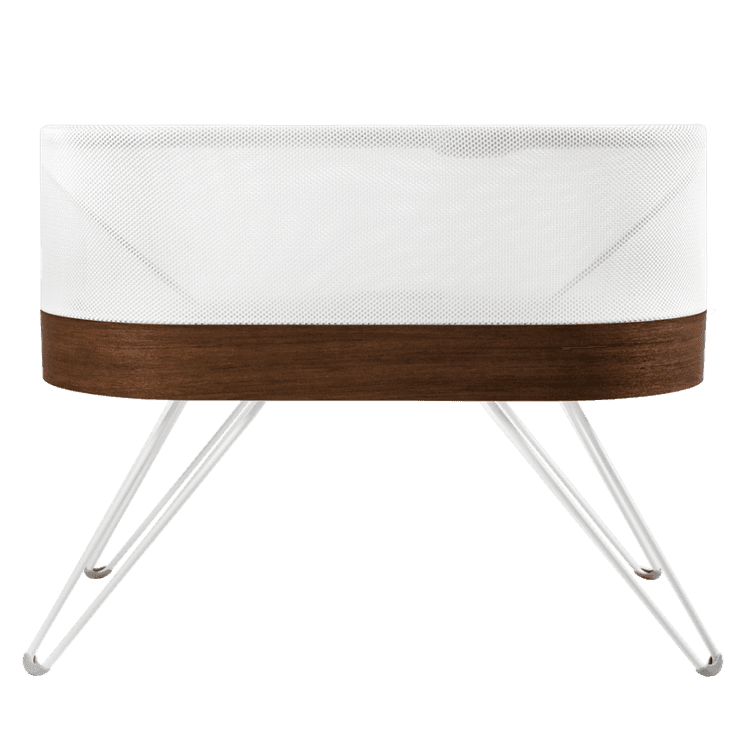
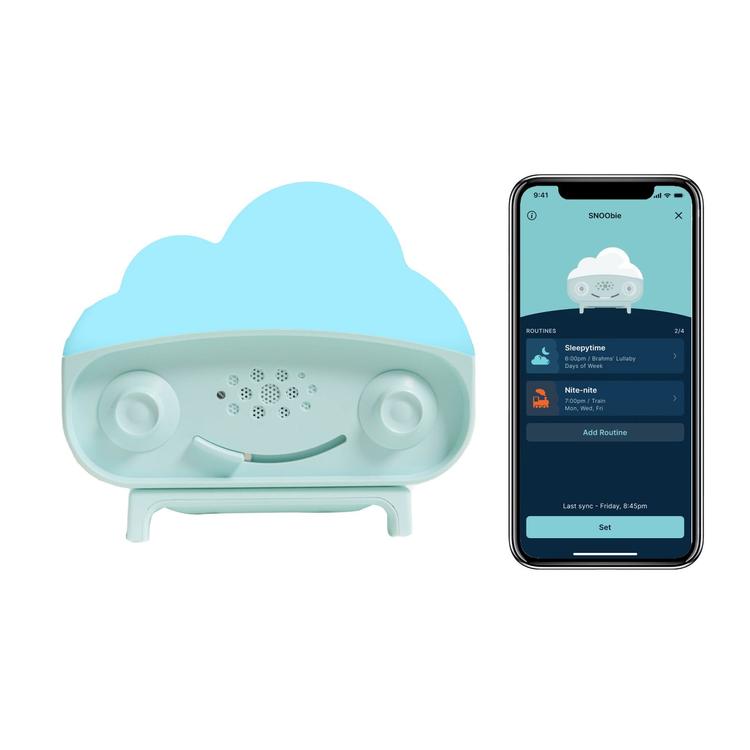
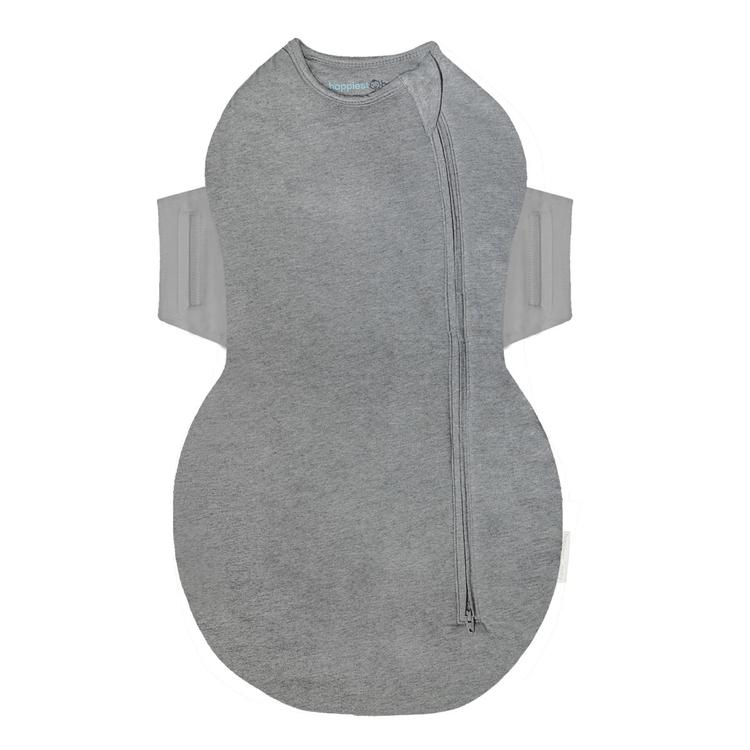
FIND US ON SOCIAL

Facebook linkYoutube linkInstagram linkTwitter link
View post on Instagram
 
View post on Instagram
 
View post on Instagram
 
View post on Instagram
 
View post on Instagram
 
View post on Instagram
 
View post on Instagram
 
View post on Instagram
 
View post on Instagram
 
View post on Instagram
 

Join the Fam,

Stay in the Know

JOIN OUR COMMUNITY

Sign up to get helpful tips, offers, and more!

ABOUT

Mission & FoundersThe 5 S’sBlog

SUPPORT

FAQsProduct RegistrationFees, Shipping, and ReturnsReturns PortalContact Us

COMMUNITY

AffiliatesAuthorised Partners

LEGAL

Terms of SalePrivacy PolicyCookie PolicyTerms of ServiceEULASNOO Limited WarrantyLegal NoticeRight of WithdrawalCookie PreferencesAll Legal Terms

SHOP

SNOO Smart SleeperSleepea SwaddleSNOObear White Noise LoveySNOObie Smart Soother

© 2025 Happiest Baby, Inc. | All Rights Reserved

All third party trademarks (including names, logos, and icons) referenced by Happiest Baby remain the property of their respective owners. Unless specifically identified as such, Happiest Baby’s use of third party trademarks does not indicate any relationship, sponsorship, or endorsement between Happiest Baby and the owners of these trademarks. Any references by Happiest Baby to third party trademarks are to identify the corresponding third party goods and/or services and shall be considered nominative fair use under the trademark law.

    Happiest Baby
    BLOG
    FAQS

    PREGNANCY

    Should I Induce Labour? Everything You Need to Know About Labour Induction

    When nature does not move fast enough, you may need to consider inducing labour. If you are in the situation where your midwife—or you—are considering labour induction, here is what you need to know.

    Dr. Harvey Karp

    Written by

    Dr. Harvey Karp

    SHARE THIS ARTICLE

    Share on FacebookShare on TwitterShare on LinkedinShare on PinterestShare via EmailCopy to clipboard link
    labour-induction-birth

    ON THIS PAGE

    • Why do a labour induction?
    • What about inducing labour at 39 weeks?
    • How is labour induced?
    • Are there risks to having labour induced?
    • How long does labour induction take?

    SHARE THIS ARTICLE

    Share on FacebookShare on TwitterShare on LinkedinShare on PinterestShare via EmailCopy to clipboard link

    PARENT PICKS

    Bestsellers

    SNOO Smart Sleeper Bassinet

    SNOO Smart Sleeper Baby Cot

    €1,395.00

    Sleepea® 5-Second Baby Swaddle Rainbow

    Sleepea® 5-Second Baby Swaddle

    €32.95

    100% Organic SNOO Sleep Sack Blue Tie-Dye

    100% Organic SNOO Sleep Sack

    €34.95

    SNOObie® Smart Soother

    €69.95

    SNOObear in Cocoa Woolly colour

    SNOObear® 3-in-1 White Noise Lovey

    €54.95

    SNOO Smart Sleeper Bassinet with mosquito net attached

    Shoo Mosquito Net

    €88.00

    Sky Mobile’s clouds

    Sky Mobile

    €89.95

    100% Organic Cotton SNOO Baby Cot Fitted Sheet in blue tie-dye colour in the box

    100% Organic Cotton SNOO Baby Cot Fitted Sheet

    €19.95

    SNOO Organic Baby Cot Sheets 3 Pack in 3 different colours

    SNOO Organic Baby Cot Sheets 3 Pack

    €59.85

    €38.90

    Sleepea® Comforter Swaddle in rose colour

    Sleepea® Comforter Swaddle

    €42.95

    100% Organic SNOO Sleep Comforter Sack in graphite colour

    100% Organic SNOO Sleep Comforter Sack

    €44.95

    Sleepea® Swaddle Sack 3 Pack Bundle in teal planets colour

    Sleepea® Swaddle Sack 3 Pack Bundle

    €98.85

    €69.20

    More on Pregnancy

    Twin babies sleeping in two SNOO Smart Sleepers

    PREGNANCY

    These Are Twin Baby Must-Haves (According to Real Twin Parents!)

    Here are the essentials seasoned twin mums and dads swear by.

    A pregnant woman looks at her phone

    PREGNANCY

    The Truth About Your Top Pregnancy Fears

    These science-backed facts will help you breathe easier.

    Most mothers will tell you that that ‘glow’ of pregnancy tends to wear off by the end of the third trimester and is then replaced by a sweaty anxiety about when labour is going to start. This late in the game, each additional day can feel a bit more awkward and past your comfort zone. And, for some mothers, nature just does not move quite fast enough, which may require your healthcare provider’s help to get things going, aka inducing your labour. 

    If you are in the situation where your midwife—or you—are considering labour induction, here is what you need to know.

    Why do a labour induction?

    Labour induction means stimulating the uterus to trigger contractions and kickstart your labour. Typically, induction is only used when there is a concern about the health of the mother or baby.

    Reasons for inducing labour may include: 

    • Foetal weight less than 10% of expected
    • High blood pressure in the mother
    • Oligohydramnios (there is not enough amniotic fluid to surround and protect the baby)
    • Gestational diabetes, which can present complications during pregnancy
    • Pregnancy that has gone beyond the due date by more than two weeks
    • Premature rupture of membranes (breaking of your bag of water) creating the risk of infection entering your uterus
    • Placental abruption (your placenta starts to tear away from the wall of your womb, causing bleeding) 

    What about inducing labour at 39 weeks?

    Once you get to the tail end of your pregnancy, you may be interested in inducing labour at 40 weeks—or even at 39 weeks. But if you do not have any of the above complications, is inducing labour at 39 weeks a wise choice? For healthy women—about to have their first baby— some research suggests that induction at 39 weeks may reduce the need for a C-section. Ultimately, it is something you should discuss with your midwife! 

    How is labour induced?

    There are a several methods of labour induction:

    Ripening the cervix: A midwife or doctor may use a natural hormone—called prostaglandin—to help soften the cervix. This might be directly inserted into the vagina or can be taken by mouth. Ripening the cervix can also be done using a thin tube with an inflatable balloon on the end—the tube is inserted into the cervix and the balloon is expanded to help open up the cervix. 

    Stripping membranes: This is when a doctor, nurse, or midwife gently slides a finger through the opening of the cervix and—making a sweeping circular motion— manually separates the membrane of the sac around the baby from the wall of the uterus…without breaking the sac. It can sometimes induce contractions…and get labour moving! Your midwife might do this at one of your late-in-pregnancy antenatal appointments to speed along the process if your cervix has already begun to dilate. 

    Rupturing amniotic sac: An amniotomy, or rupturing the amniotic sac (aka breaking your water), is a technique used to start labour by breaking the membrane called the amnion with a special hook-like tool. This will cause the amniotic fluid to release. This procedure is done after the cervix has dilated and thinned and the baby’s head has moved into the pelvis, or it might be done after you have received Pitocin. 

    Pitocin: Pitocin is a form of oxytocin (the 'love' hormone). IV Pitocin is commonly used to boost the strength of contractions and speed labour along. If you go in for a scheduled induction, this is likely how your labour will be induced. 

    Are there risks to having labour induced?

    Induction is quite safe, however every medical intervention creates some risks. For induction, the risks include: 

    • Failed induction: Inductions are very effective…but not fool-proof. About 25% of inductions in first-time mums fail, requiring a C-section.
    • Longer labour: Research suggests that induced labour may lengthen the birth process.
    • Infection: If the mother had her membranes ruptured to induce labour, there is some risk of infection to both the mother and baby.
    • Foetal Distress: Sometimes the medicines and procedures used to induce labour can cause the baby to have low blood pressure, low oxygen, and/or a low heart rate.
    • Uterine rupture: A rupture is a rip or tear along the scar lines from a previous cesarean section. This is a very rare but serious complication that calls for an emergency C-section. 

    How long does labour induction take?

    We wish inductions were as easy as showing up at the hospital, putting on a gown, snapping your fingers, and being handed your bundle of joy! But, women should expect labour inductions to take a few hours…or sometimes as long as 3 days. When you show up for your induction, come prepared with a full belly (unless your midwife has told you otherwise), and ways to pass the time (this might be a good time to start bingeing a new show on your iPad), just in case your baby takes his or her sweet time. 

    Not all pregnancies will require labour induction, even those that are beyond the due date by a few days. If you have any questions or concerns, talk to your midwife or doctor.

    Disclaimer: The information on our site is NOT medical advice for any specific person or condition. It is only meant as general information. If you have any medical questions and concerns about your child or yourself, please contact your health provider. Breastmilk is the best source of nutrition for babies. It is important that, in preparation for and during breastfeeding, mothers eat a healthy, balanced diet. Combined breast- and bottle-feeding in the first weeks of life may reduce the supply of a mother's breastmilk and reversing the decision not to breastfeed is difficult. If you do decide to use infant formula, you should follow instructions carefully.

    Top Stories

    Dr. Harvey Karp uses the 5 S's to soothe a fussy baby

    BABY

    The 5 S's for Soothing Babies

    A baby in the Fourth Trimester

    BABY

    What Is the Fourth Trimester?

    Sleeping newborn

    BABY

    Newborn Baby White Noise Benefits

    A baby with a pacifier

    TODDLER

    How and When to Stop Pacifier Use

    Mother holds baby during the 3- to 4-month sleep regression

    BABY

    Don't Get Blindsided by the 3- to 4-Month Sleep Regression

    A mother gives her newborn baby a dream feed

    BABY

    What Is Dream Feeding?...And How Do I Do It?