FIND US ON SOCIAL

Facebook linkYoutube linkInstagram linkTwitter link
View post on Instagram
 
View post on Instagram
 
View post on Instagram
 
View post on Instagram
 
View post on Instagram
 
View post on Instagram
 
View post on Instagram
 
View post on Instagram
 
View post on Instagram
 
View post on Instagram
 

Join the Fam,

Stay in the Know

JOIN OUR COMMUNITY

Sign up to get helpful tips, offers, and more!

ABOUT

Mission & FoundersThe 5 S’sBlog

SUPPORT

FAQsProduct RegistrationFees, Shipping, and ReturnsReturns PortalContact Us

COMMUNITY

AffiliatesAuthorised Partners

LEGAL

Terms of SalePrivacy PolicyCookie PolicyTerms of ServiceEULASNOO Limited WarrantyLegal NoticeRight of WithdrawalCookie PreferencesAll Legal Terms

SHOP

SNOO Smart SleeperSleepea SwaddleSNOObear White Noise LoveySNOObie Smart Soother

© 2025 Happiest Baby, Inc. | All Rights Reserved

All third party trademarks (including names, logos, and icons) referenced by Happiest Baby remain the property of their respective owners. Unless specifically identified as such, Happiest Baby’s use of third party trademarks does not indicate any relationship, sponsorship, or endorsement between Happiest Baby and the owners of these trademarks. Any references by Happiest Baby to third party trademarks are to identify the corresponding third party goods and/or services and shall be considered nominative fair use under the trademark law.

    Happiest Baby
    BLOG
    FAQS

    PREGNANCY

    35 Weeks Pregnant: What’s That Ouch Down There?

    Your little one is packing on the pounds now!

    Dr. Harvey Karp

    Written by

    Dr. Harvey Karp

    SHARE THIS ARTICLE

    Share on FacebookShare on TwitterShare on LinkedinShare on PinterestShare via EmailCopy to clipboard link
    35 weeks pregnant

    ON THIS PAGE

    • Your Baby at 35 Weeks
    • 35 Weeks Pregnant: What to Expect
    • 35 Weeks Pregnant Symptoms
    • 35 Weeks Pregnant To-Do List
    • Pregnancy Myth or Fact?
    • Pregnancy Quote of the Week

    SHARE THIS ARTICLE

    Share on FacebookShare on TwitterShare on LinkedinShare on PinterestShare via EmailCopy to clipboard link

    PARENT PICKS

    Bestsellers

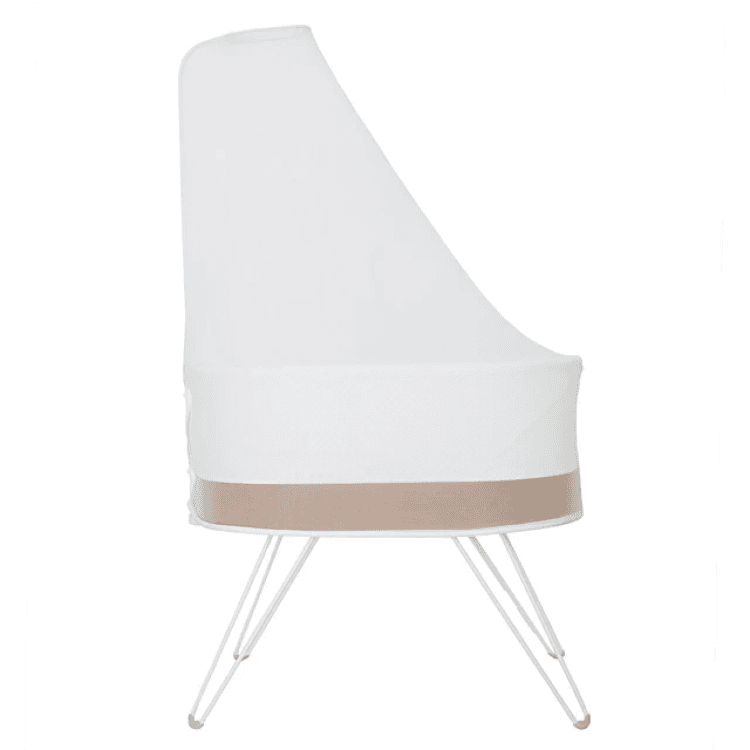
    SNOO Smart Sleeper Bassinet

    SNOO Smart Sleeper Baby Cot

    €1,395.00

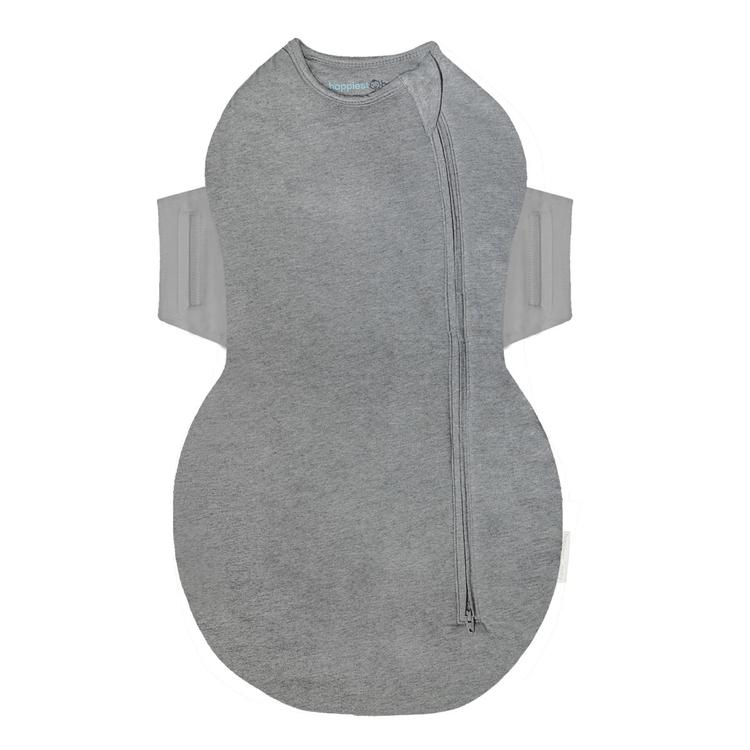
    Sleepea® 5-Second Baby Swaddle Rainbow

    Sleepea® 5-Second Baby Swaddle

    €32.95

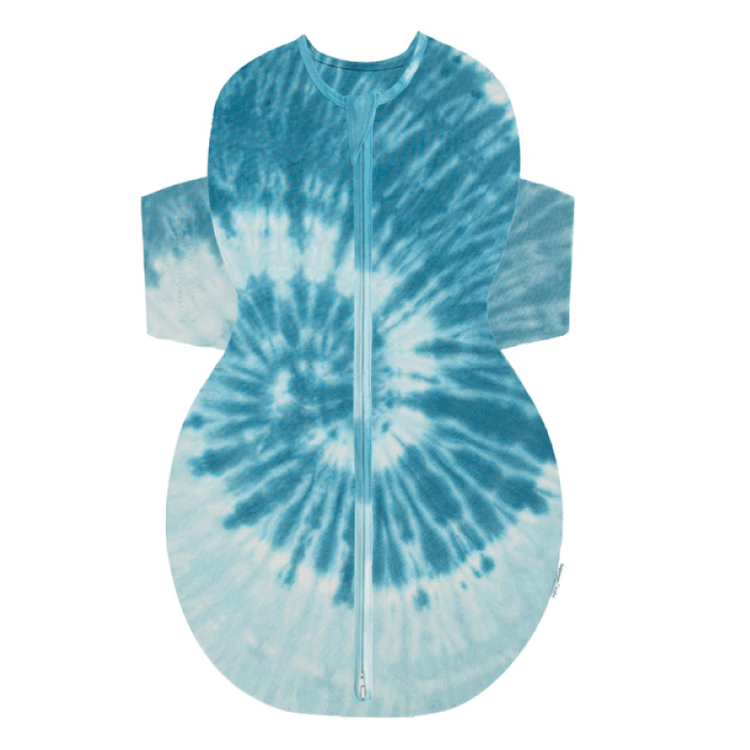
    100% Organic SNOO Sleep Sack Blue Tie-Dye

    100% Organic SNOO Sleep Sack

    €34.95

    SNOObie® Smart Soother

    €69.95

    SNOObear in Cocoa Woolly colour

    SNOObear® 3-in-1 White Noise Lovey

    €54.95

    SNOO Smart Sleeper Bassinet with mosquito net attached

    Shoo Mosquito Net

    €88.00

    Sky Mobile’s clouds

    Sky Mobile

    €89.95

    100% Organic Cotton SNOO Baby Cot Fitted Sheet in blue tie-dye colour in the box

    100% Organic Cotton SNOO Baby Cot Fitted Sheet

    €19.95

    SNOO Organic Baby Cot Sheets 3 Pack in 3 different colours

    SNOO Organic Baby Cot Sheets 3 Pack

    €59.85

    €38.90

    Sleepea® Comforter Swaddle in rose colour

    Sleepea® Comforter Swaddle

    €42.95

    100% Organic SNOO Sleep Comforter Sack in graphite colour

    100% Organic SNOO Sleep Comforter Sack

    €44.95

    Sleepea® Swaddle Sack 3 Pack Bundle in teal planets colour

    Sleepea® Swaddle Sack 3 Pack Bundle

    €98.85

    €69.20

    More on Pregnancy

    Twin babies sleeping in two SNOO Smart Sleepers

    PREGNANCY

    These Are Twin Baby Must-Haves (According to Real Twin Parents!)

    Here are the essentials seasoned twin mums and dads swear by.

    A pregnant woman looks at her phone

    PREGNANCY

    The Truth About Your Top Pregnancy Fears

    These science-backed facts will help you breathe easier.

    Your baby isn’t ready to be born quite yet, but almost all of their systems are a go!

    Your Baby at 35 Weeks

    They’re likely over 5 pounds now and measure around 18 inches. Now, they’ll slow down growing longer, but continue packing away the ounces and getting pudgier. Their big job heading up to their birthday is to put on weight (which means you will too).

    At 35 weeks, baby’s body is working hard to get their lungs, brain, and nervous system ready for their big day. But their circulatory and musculoskeletal systems are close to finished. Their bones are getting stronger (turning the cartilaginous ends into harder calcium), but their kneecaps haven’t formed, and their skull bones have not yet joined together. Because of these individual skull bones, your baby will actually be born with more bones than you have in your body.

    Why is a baby born with multiple unfused skull bones? To make room for the growing brain! The size of a newborn’s head is about 75% of an adult head. And, by your kiddo’s 2nd birthday it will grow another 33% and almost reach adult size. (By 18 to 24 months the skull bones are permanently joined together.)

    The skull is compressed, and the floating bones overlap during the birth process. This makes the head diameter ½ inch smaller to help babies squeeze through the birth canal.

    Your newborn’s skull has two “soft spots” (also called fontanelles). These are like little lakes surrounded by touching islands of thin bone. There’s a 2-inch soft spot in the front and a fingertip-sized one in the back near the crown of the head. Each is covered with a very tough, but flexible, membrane, so the brain underneath is perfectly protected. It’s as durable as bone, so don’t worry about touching it when you stroke your baby’s head or shampoo the hair.

    35 Weeks is How Many Months?

    35 weeks pregnant is approximately 8 months.

    How big is my baby at 35 weeks?

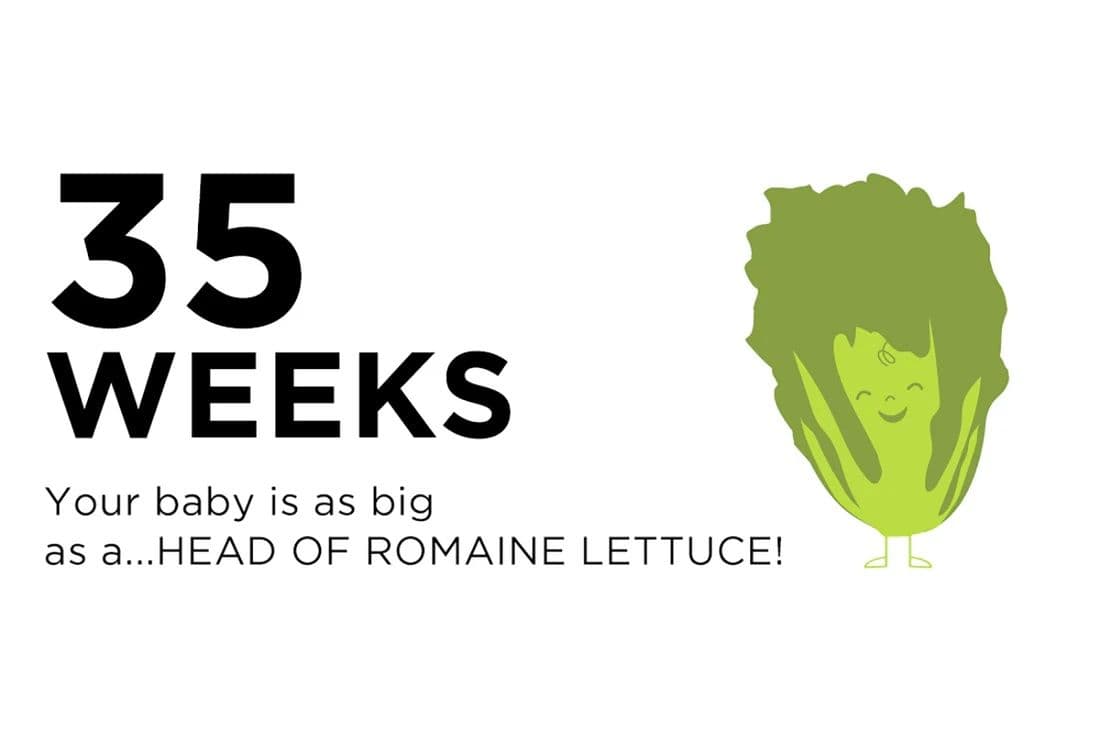
    At 35 weeks, your baby is the size of a head of romaine lettuce.

    35 Weeks Pregnant: What to Expect

    If your normal walk has become a bit of a waddle, welcome to the club!

    When your baby “drops” into your pelvis it puts pressure on your pelvis, hips, and bladder (yes, this is why you feel like you’re making constant bathroom runs!). With that, movement becomes more difficult, and you may be finding it harder and harder to get comfortable when you’re sitting and even lying down. One of the best ways to find relief may be to immerse yourself in a bath, pool, or the ocean to float the weight off your feet and joints. On the flip side, as your little one nestles deeper into your pelvis it may alleviate some of the pressure against your diaphragm and lungs…making it easier to breathe!

    Sudden, sharp pains deep in your vagina may be the next unwanted visitor to appear. This electrifying sensation has been given the not-so-eloquent name “lightning crotch.” Sometimes the pain is caused by the baby’s head pushing down right over a pelvic nerve—or it could be that your cervix has started dilating. Either way, it’s a sign that things are moving along nicely. You might feel lightning crotch most frequently when you make a sudden movement (think, coughing or standing up quickly)—or your baby does!

    Braxton Hicks contractions are common from here on out. Researchers still don’t know what causes them, but many believe they’re your body gearing up for real labor. Important note: Braxton Hicks contractions don’t increase in intensity as time passes, don’t come at regular intervals and usually can be made better by moving around or drinking water. But, if in doubt, it’s always best to call up your doctor, just to check in...in case they are the beginning of the “real thing!”

    Another unexpected pregnancy symptom at 35 weeks may be when a hand or arm starts hurting. The fluid you're retaining can pinch a nerve in the wrist and cause carpal tunnel syndrome. This may require you to wear a splint and ice the area to give some relief until you give birth, when the pain goes away along with the excess fluid.

    35 Weeks Pregnant Symptoms

    Common symptoms of 35 weeks pregnant include:

    • Fatigue and shortness of breath
    • Frequent urination (peeing)
    • Insomnia and trouble sleeping
    • Heartburn
    • Swelling of the feet and ankles
    • Lower back pain
    • Hemorrhoids
    • Breast tenderness
    • Braxton Hicks contractions
    • Pregnancy brain

    35 Weeks Pregnant To-Do List

    • Get diapers and wipes: Prepare to use these like they’re going out of style. Don’t buy too many newborn size diapers, though. Many babies grow so fast that before you know it you have to go up a size. Make sure to pack a few in your go bag just in case you need them coming home from the hospital or birth center.
    • Pamper yourself: Get a haircut, a mani-pedi, or a prenatal massage. You deserve it! If you are going the pedicure route, just make sure the soaking tub has been disinfected before you use it and consider bringing your own polish and tools to sidestep the small risk of fungal infection associated with pedicures.
    • Buy bottles: Even if you’re going to breastfeed, you still want to get just a few. Once the nursing is going well—usually at around two to three weeks—your health care provider will probably suggest you offer a bottle, every day or two, just so your baby learns how to take a rubber nipple. That’s when you’ll see if your baby likes the type of nipples you bought or if you need to test out a couple of other brands before you have a happy camper. Of course, if you are formula feeding, you will want to discuss your formula choice with your nurse practitioner or doctor.
    • Learn about the hospital or birthing center’s newborn procedures:If you’re birthing in a hospital (about 98% of US women do), you’ve probably already brushed up on its labor and birth procedures. Don’t overlook the standard procedures that they’ll administer to your baby, though. These include a vitamin K shot, antibacterial eye ointment, suctioning the airways and a first bath. And will your baby be “rooming in”? (This is when your baby stays in your room during recovery). If that’s the case, you may want to make sure you have someone else staying with you (like a parent or partner) to help care for the baby when you’re wiped out from delivery. You should also inquire about how the hospital feels about delayed cord clamping, too.

    Pregnancy Myth or Fact?

    Pregnant women should prepare their nipples for breastfeeding.

    As if you don’t have enough to do right now! This one is thankfully false. There is no need to “toughen up” your nipples. Sore nipples are caused by incorrect latch-on or things like tongue tie. Excessive nipple stimulation may actually provoke early labor. In fact, it’s one of the methods doctors and midwives often use to kick-start your labor, so leave ‘em alone for now!

    But, DO immediately ask your healthcare provider for help if you have flat or inverted nipples! (Not sure? Give your nipple a pinch. If it doesn’t become erect, it’s considered flat. If it’s not protruding at all, it’s considered inverted.) If you are faced with flat or inverted nipples, there are breast shells you can wear to help make it easier to breastfeed.

    Pregnancy Quote of the Week

    On the few occasions that my crying baby fell asleep before I did, I used the time for me! I soaked in a bubble bath, relaxed with a drink, read a book, and prayed that she would sleep a little longer. —Frances Wells Burck, Babysense

    Disclaimer: The information on our site is NOT medical advice for any specific person or condition. It is only meant as general information. If you have any medical questions and concerns about your child or yourself, please contact your health provider. Breastmilk is the best source of nutrition for babies. It is important that, in preparation for and during breastfeeding, mothers eat a healthy, balanced diet. Combined breast- and bottle-feeding in the first weeks of life may reduce the supply of a mother's breastmilk and reversing the decision not to breastfeed is difficult. If you do decide to use infant formula, you should follow instructions carefully.


    Top Stories

    Dr. Harvey Karp uses the 5 S's to soothe a fussy baby

    BABY

    The 5 S's for Soothing Babies

    A baby in the Fourth Trimester

    BABY

    What Is the Fourth Trimester?

    Sleeping newborn

    BABY

    Newborn Baby White Noise Benefits

    A baby with a pacifier

    TODDLER

    How and When to Stop Pacifier Use

    Mother holds baby during the 3- to 4-month sleep regression

    BABY

    Don't Get Blindsided by the 3- to 4-Month Sleep Regression

    A mother gives her newborn baby a dream feed

    BABY

    What Is Dream Feeding?...And How Do I Do It?