FIND US ON SOCIAL

Facebook linkYoutube linkInstagram linkTwitter link
View post on Instagram
 
View post on Instagram
 
View post on Instagram
 
View post on Instagram
 
View post on Instagram
 
View post on Instagram
 
View post on Instagram
 
View post on Instagram
 
View post on Instagram
 
View post on Instagram
 

Join the Fam,

Stay in the Know

JOIN OUR COMMUNITY

Sign up to get helpful tips, offers, and more!

ABOUT

Mission & FoundersThe 5 S’sBlog

SUPPORT

FAQsProduct RegistrationFees, Shipping, and ReturnsReturns PortalContact Us

COMMUNITY

AffiliatesAuthorised Partners

LEGAL

Terms of SalePrivacy PolicyCookie PolicyTerms of ServiceEULASNOO Limited WarrantyLegal NoticeRight of WithdrawalCookie PreferencesAll Legal Terms

SHOP

SNOO Smart SleeperSleepea SwaddleSNOObear White Noise LoveySNOObie Smart Soother

© 2025 Happiest Baby, Inc. | All Rights Reserved

All third party trademarks (including names, logos, and icons) referenced by Happiest Baby remain the property of their respective owners. Unless specifically identified as such, Happiest Baby’s use of third party trademarks does not indicate any relationship, sponsorship, or endorsement between Happiest Baby and the owners of these trademarks. Any references by Happiest Baby to third party trademarks are to identify the corresponding third party goods and/or services and shall be considered nominative fair use under the trademark law.

    Happiest Baby
    BLOG
    FAQS

    PARENTS

    What Is Diastasis Recti—and How Do I Fix It?

    It is normal to still look pregnant weeks after your baby has been born, but for some women, it can point to diastasis recti.

    Happiest Baby Staff

    Written by

    Happiest Baby Staff

    SHARE THIS ARTICLE

    Share on FacebookShare on TwitterShare on LinkedinShare on PinterestShare via EmailCopy to clipboard link

    ON THIS PAGE

    • What is diastasis recti?
    • What are the symptoms of diastasis recti?
    • How is diastasis recti diagnosed?
    • How is diastasis recti treated?

    SHARE THIS ARTICLE

    Share on FacebookShare on TwitterShare on LinkedinShare on PinterestShare via EmailCopy to clipboard link

    PARENT PICKS

    Bestsellers

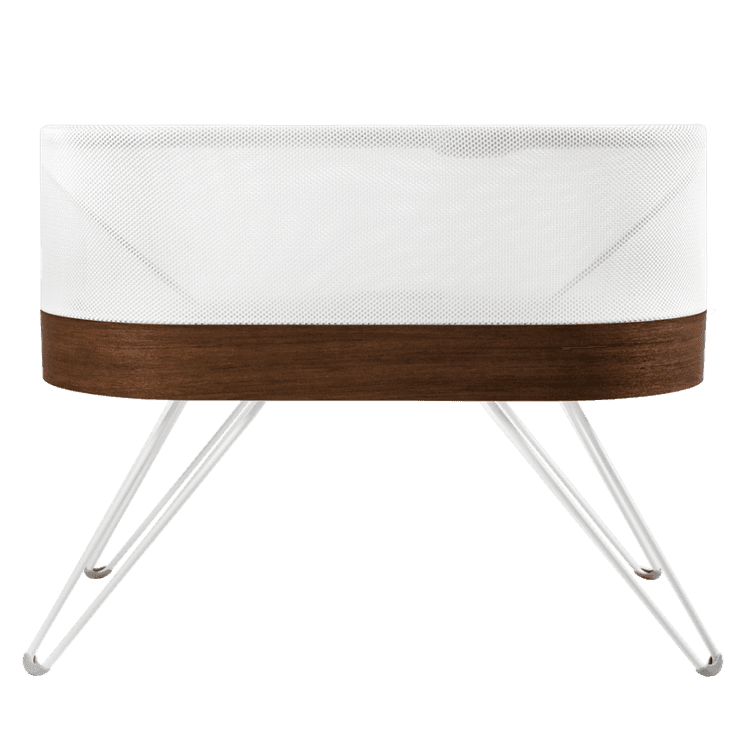
    SNOO Smart Sleeper Bassinet

    SNOO Smart Sleeper Baby Cot

    €1,395.00

    Sleepea® 5-Second Baby Swaddle Rainbow

    Sleepea® 5-Second Baby Swaddle

    €32.95

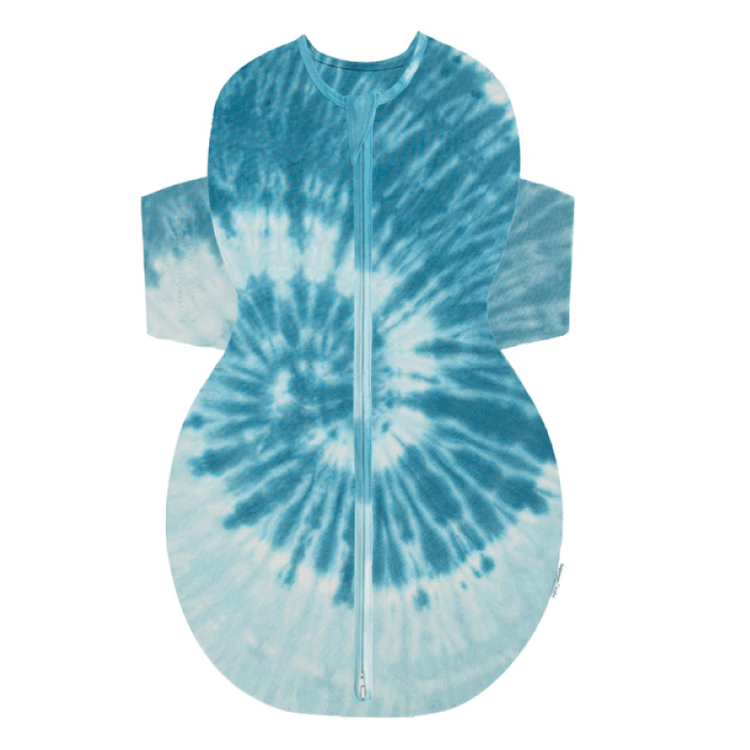
    100% Organic SNOO Sleep Sack Blue Tie-Dye

    100% Organic SNOO Sleep Sack

    €34.95

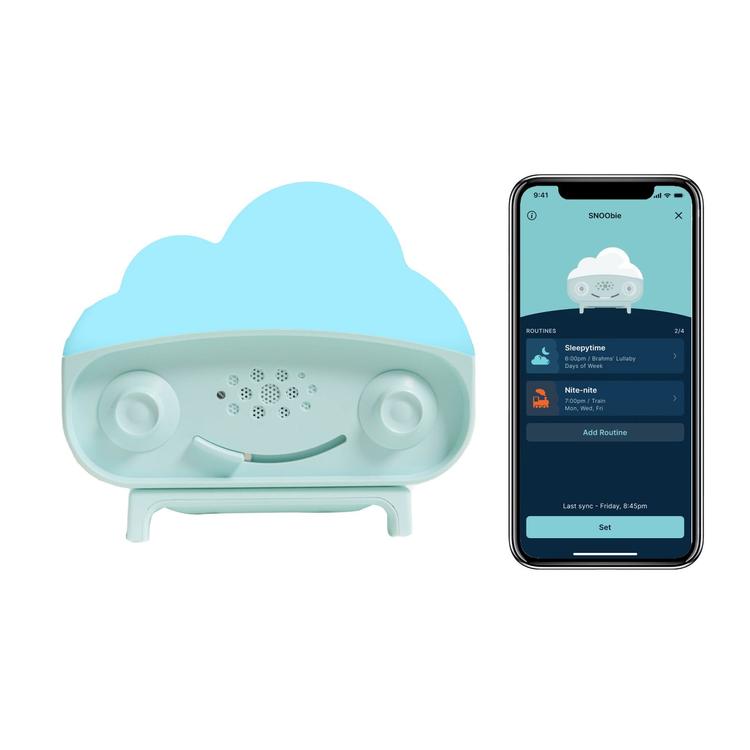
    SNOObie® Smart Soother

    €69.95

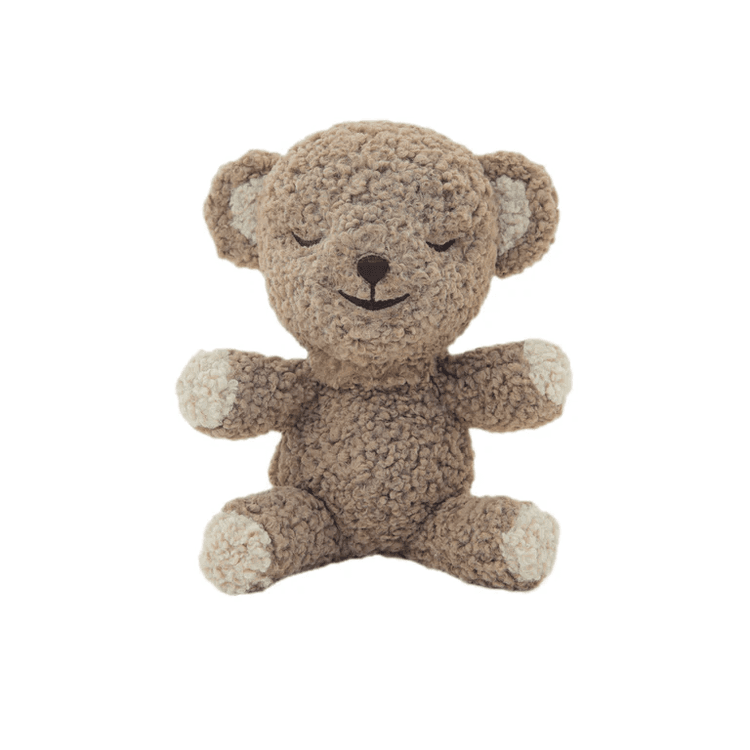
    SNOObear in Cocoa Woolly colour

    SNOObear® 3-in-1 White Noise Lovey

    €54.95

    SNOO Smart Sleeper Bassinet with mosquito net attached

    Shoo Mosquito Net

    €88.00

    Sky Mobile’s clouds

    Sky Mobile

    €89.95

    100% Organic Cotton SNOO Baby Cot Fitted Sheet in blue tie-dye colour in the box

    100% Organic Cotton SNOO Baby Cot Fitted Sheet

    €19.95

    SNOO Organic Baby Cot Sheets 3 Pack in 3 different colours

    SNOO Organic Baby Cot Sheets 3 Pack

    €59.85

    €38.90

    Sleepea® Comforter Swaddle in rose colour

    Sleepea® Comforter Swaddle

    €42.95

    100% Organic SNOO Sleep Comforter Sack in graphite colour

    100% Organic SNOO Sleep Comforter Sack

    €44.95

    Sleepea® Swaddle Sack 3 Pack Bundle in teal planets colour

    Sleepea® Swaddle Sack 3 Pack Bundle

    €98.85

    €69.20

    More on Parents

    PARENTS

    How to Talk to Caregivers About Safe Sleep

    We’re here to help with those awkward but important conversations.

    PARENTS

    Understanding Attachment Styles

    From the first sleepy snuggles to the fifteenth diaper change of the day, your baby is learning one big lesson: “When I signal, does someone come?”

    It is perfectly normal and expected to still look pregnant weeks after your baby has been born. After all, your swelling needs to subside, your uterus needs to shrink, and all your displaced organs need to return to where they belong. But for up to 68% of women, there is another reason the so-called pregnancy pooch remains, and it is called diastasis recti. The good news? It is often easy to heal. Here is everything you need to know about diastasis recti.

    What is diastasis recti?

    Essentially, diastasis recti (DRA) means that your rectus abdominis—aka: your would-be six-pack—has partially or fully separated. This occurs when internal pressure, like a growing uterus that houses a baby, pushes on the muscles making them longer and weaker, eventually causing them to separate, which can create a bulge in the middle of your tummy.

    A new study notes that the pregnancy hormone relaxin, as well as baby’s weight, both contribute to diastasis recti. Diastasis recti most often occurs during a first pregnancy and to those carrying multiples. Factors like Mum’s pre-pregnancy weight, weight gain during pregnancy, age, delivery mode, and duration of labour, do not seem to impact risk.

    What are the symptoms of diastasis recti?

    The most notable sign that you are dealing with diastasis recti is the bulge at the center of your tummy when you are engaging your ab muscles. But because the rectus abdominis muscles provide critical support for your organs and back muscles, when they separate, it can lead to symptoms such as:

    • Poor posture
    • Lower back pain
    • Constipation and bloating issues
    • Urinary incontinence (inability to hold in pee) 

    If left untreated, these symptoms could potentially lead to the following:

    • Pelvic floor disorders, such as pelvic organ prolapse and painful intercourse
    • Umbilical hernia
    • Increased back pain

    How is diastasis recti diagnosed?

    Diastasis recti is pretty easy to self-diagnose (of course, you will want to check in with your medical provider for an actual diagnosis). Follow these simple steps to find out if you might be dealing with this postpartum issue:

    Step 1: Lay on your back with your feet flat on the floor and your knees up. Place one hand behind your head and rest the other hand on your belly. 

    Step 2: Slowly lift your head and shoulders off the floor as if you are doing a crunch, leaving one hand behind your head. With your other hand, carefully feel the invisible middle line above and below your belly button. 

    Step 3: How many fingers fit in the gap you feel? If it is more than two fingers wide, that is generally considered moderate diastasis recti. If we are talking three or more fingers, that is generally regarded as severe.

    When a physician confirms what you suspect, they will do a similar physical exam and/or offer an ultrasound. In addition, your healthcare provider will likely give you a referral to visit a physiotherapist who can provide a treatment protocol.

    How is diastasis recti treated?

    Before you panic, know that diastasis recti usually goes back to normal by the time your little one is 8 weeks old. (Great news!) If, however, it has been longer than that, do not hesitate to seek help. Most likely, your physician will send you to a physiotherapist who can offer simple exercises you can do at home to help support your muscles and heal your diastasis recti.

    In addition to a supervised and specific core routine, you will likely focus on breath control and improving posture. For example, when standing and lifting—like picking your baby up—you do not want your spine to be rigid. Instead, it should have a gentle curve. Also, make sure that you never hold your breath when lifting.

    Right now, there is no one exercise routine proven to help DRA. Instead, it is recommended that folks with diastasis recti try physiotherapy as a first line treatment, since strengthening abdominal muscles likely improves symptoms, according to a report in Frontiers in Surgery.

    And if after six months of physiotherapy, diastasis recti lingers and limits your function, you can talk to your healthcare provider about the possibility of surgery to tighten up loose, bulging stomach muscles. With that, a 2020 report notes that surgery should take place at least two years postpartum—and future pregnancy should not be planned.

     

    Disclaimer: The information on our site is NOT medical advice for any specific person or condition. It is only meant as general information. If you have any medical questions and concerns about your child or yourself, please contact your health provider. Breastmilk is the best source of nutrition for babies. It is important that, in preparation for and during breastfeeding, mothers eat a healthy, balanced diet. Combined breast- and bottle-feeding in the first weeks of life may reduce the supply of a mother's breastmilk and reversing the decision not to breastfeed is difficult. If you do decide to use infant formula, you should follow instructions carefully.

    Top Stories

    Dr. Harvey Karp uses the 5 S's to soothe a fussy baby

    BABY

    The 5 S's for Soothing Babies

    A baby in the Fourth Trimester

    BABY

    What Is the Fourth Trimester?

    Sleeping newborn

    BABY

    Newborn Baby White Noise Benefits

    A baby with a pacifier

    TODDLER

    How and When to Stop Pacifier Use

    Mother holds baby during the 3- to 4-month sleep regression

    BABY

    Don't Get Blindsided by the 3- to 4-Month Sleep Regression

    A mother gives her newborn baby a dream feed

    BABY

    What Is Dream Feeding?...And How Do I Do It?