FIND US ON SOCIAL

Facebook linkYoutube linkInstagram linkTwitter link
View post on Instagram
 
View post on Instagram
 
View post on Instagram
 
View post on Instagram
 
View post on Instagram
 
View post on Instagram
 
View post on Instagram
 
View post on Instagram
 
View post on Instagram
 
View post on Instagram
 

Join the Fam,

Stay in the Know

JOIN OUR COMMUNITY

Sign up to get helpful tips, offers, and more!

ABOUT

Mission & FoundersThe 5 S’sBlog

SUPPORT

FAQsProduct RegistrationFees, Shipping, and ReturnsReturns PortalContact Us

COMMUNITY

AffiliatesAuthorised Partners

LEGAL

Terms of SalePrivacy PolicyCookie PolicyTerms of ServiceEULASNOO Limited WarrantyLegal NoticeRight of WithdrawalCookie PreferencesAll Legal Terms

SHOP

SNOO Smart SleeperSleepea SwaddleSNOObear White Noise LoveySNOObie Smart Soother

© 2025 Happiest Baby, Inc. | All Rights Reserved

All third party trademarks (including names, logos, and icons) referenced by Happiest Baby remain the property of their respective owners. Unless specifically identified as such, Happiest Baby’s use of third party trademarks does not indicate any relationship, sponsorship, or endorsement between Happiest Baby and the owners of these trademarks. Any references by Happiest Baby to third party trademarks are to identify the corresponding third party goods and/or services and shall be considered nominative fair use under the trademark law.

    Happiest Baby
    BLOG
    FAQS

    BABY

    Your Quick-Start Guide to Making Homemade Baby Food

    The idea of making your own baby food might be intimidating, but it is actually pretty easy! Here, your no-stress how-tos on getting started.

    Gabrielle McPherson, MS, RDN, LDN

    Written by

    Gabrielle McPherson, MS, RDN, LDN

    SHARE THIS ARTICLE

    Share on FacebookShare on TwitterShare on LinkedinShare on PinterestShare via EmailCopy to clipboard link
    A mom feeds her baby homemade baby food

    ON THIS PAGE

    • Homemade Baby Food: Before You Begin
    • Homemade Baby Food: Supplies You Need to Start
    • Homemade Baby Food: Safe Preparation and Storage

    SHARE THIS ARTICLE

    Share on FacebookShare on TwitterShare on LinkedinShare on PinterestShare via EmailCopy to clipboard link

    PARENT PICKS

    Bestsellers

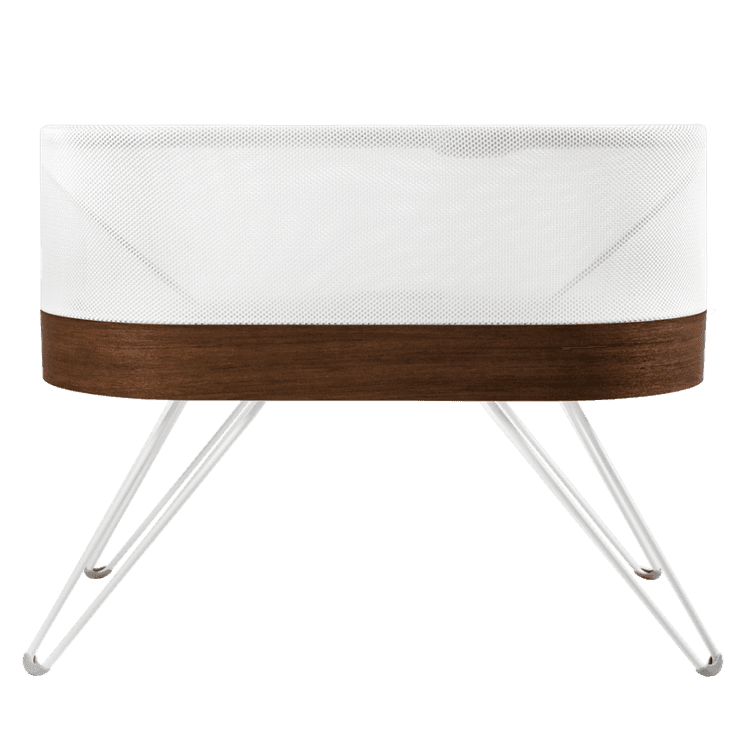
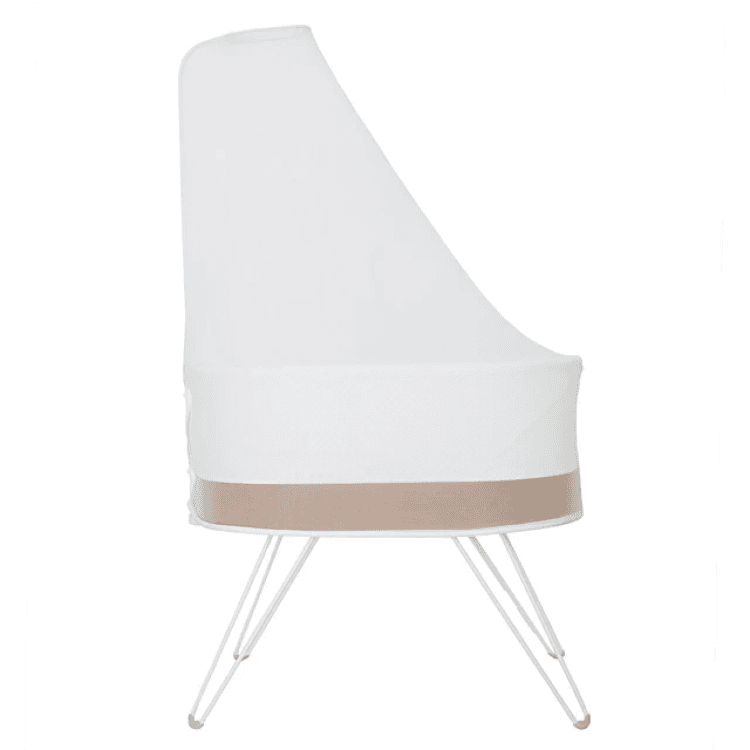
    SNOO Smart Sleeper Bassinet

    SNOO Smart Sleeper Baby Cot

    €1,395.00

    €1,046.25

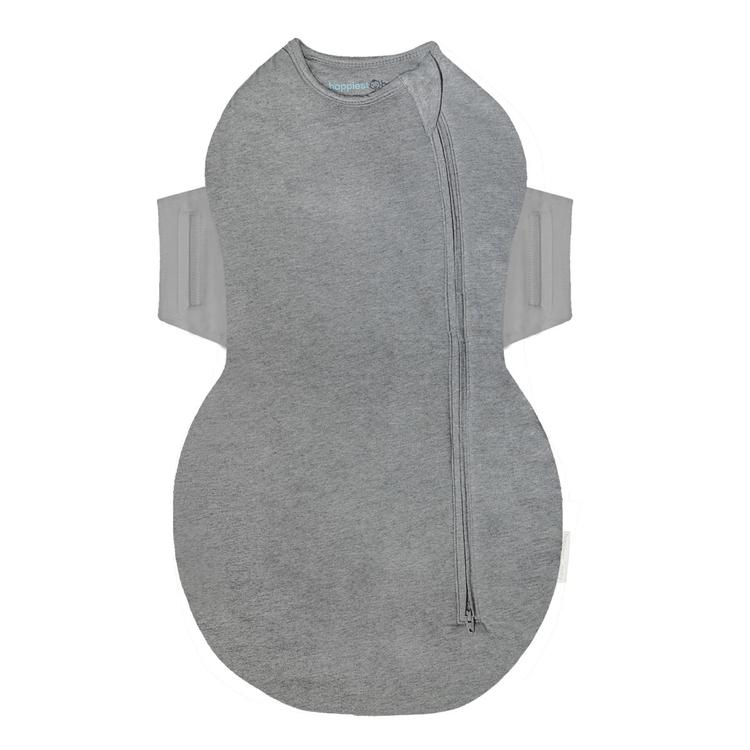
    Sleepea® 5-Second Baby Swaddle Rainbow

    Sleepea® 5-Second Baby Swaddle

    €32.95

    €16.47 - €24.71

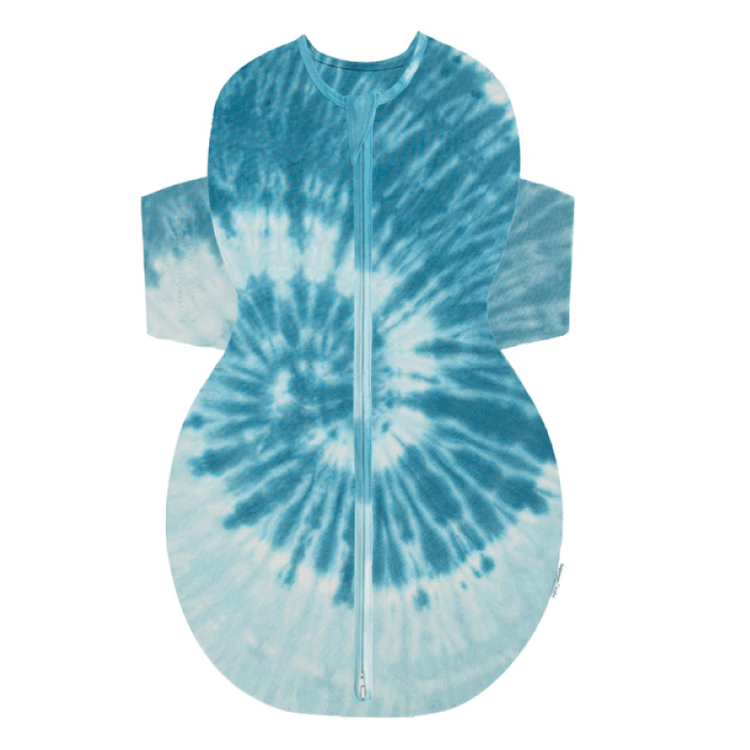
    100% Organic SNOO Sleep Sack Blue Tie-Dye

    100% Organic SNOO Sleep Sack

    €34.95

    €24.46

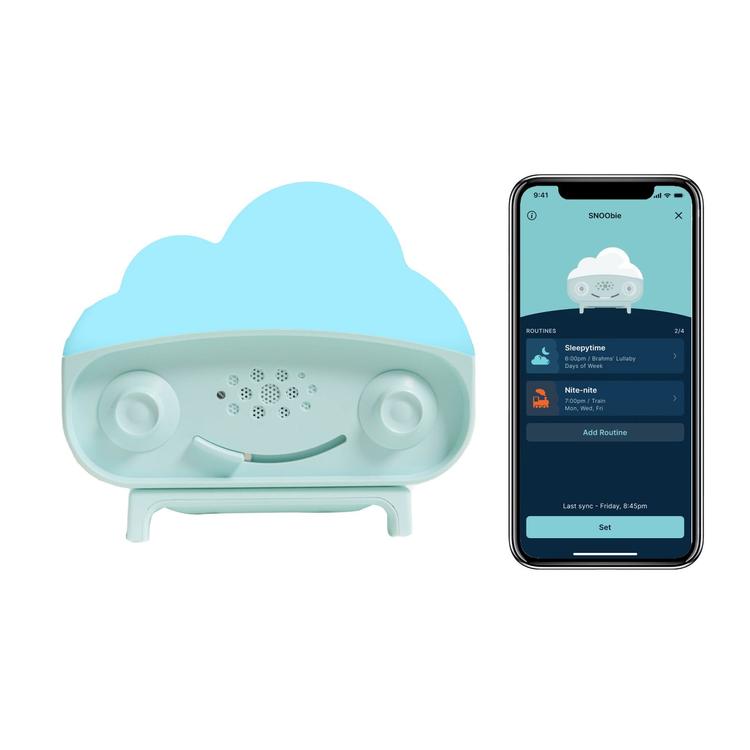
    SNOObie® Smart Soother

    €69.95

    €48.96 - €55.96

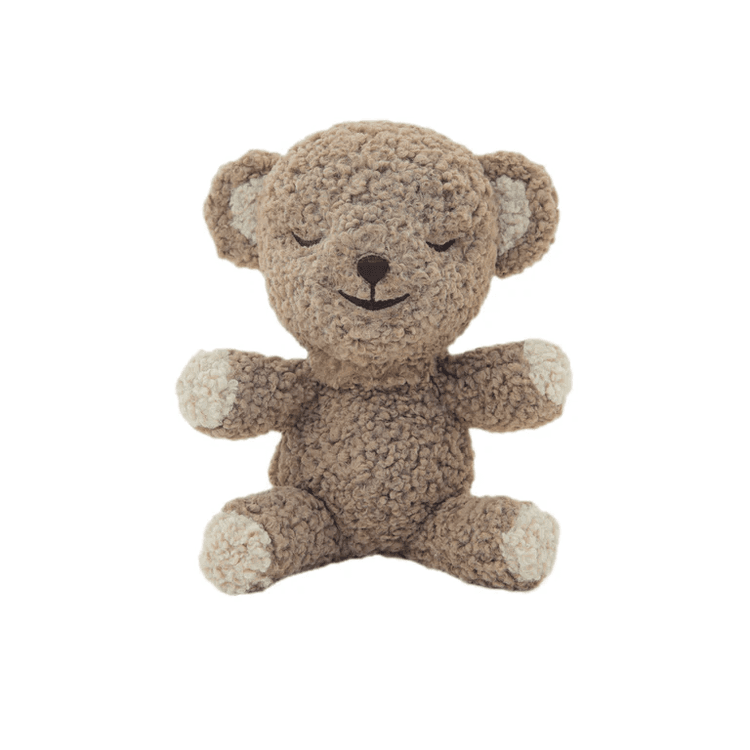
    SNOObear in Cocoa Woolly colour

    SNOObear® 3-in-1 White Noise Lovey

    €54.95

    €38.46

    SNOO Smart Sleeper Bassinet with mosquito net attached

    Shoo Mosquito Net

    €88.00

    €52.80

    Sky Mobile’s clouds

    Sky Mobile

    €89.95

    €53.97

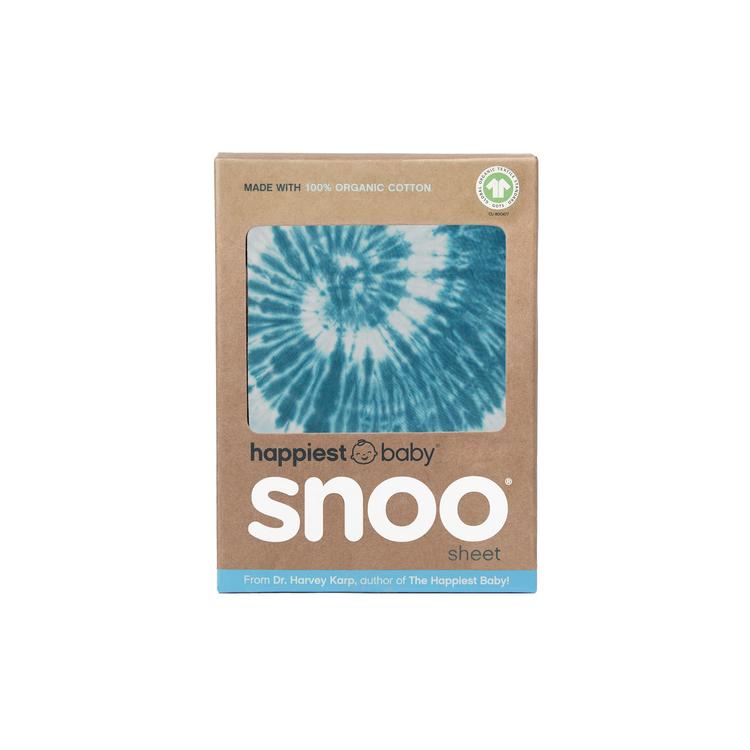
    100% Organic Cotton SNOO Baby Cot Fitted Sheet in blue tie-dye colour in the box

    100% Organic Cotton SNOO Baby Cot Fitted Sheet

    €19.95

    €11.97 - €14.96

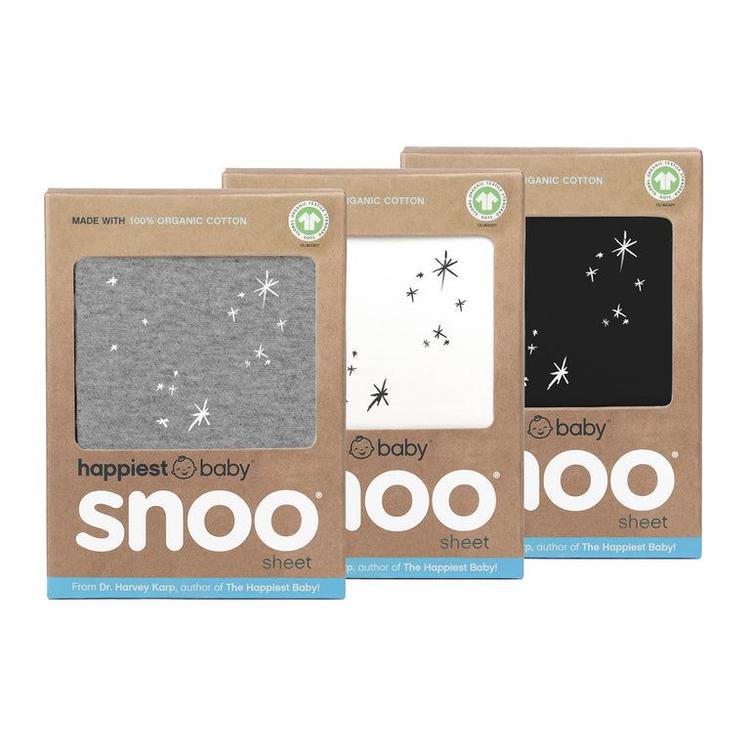
    SNOO Organic Baby Cot Sheets 3 Pack in 3 different colours

    SNOO Organic Baby Cot Sheets 3 Pack

    €59.85

    €38.90

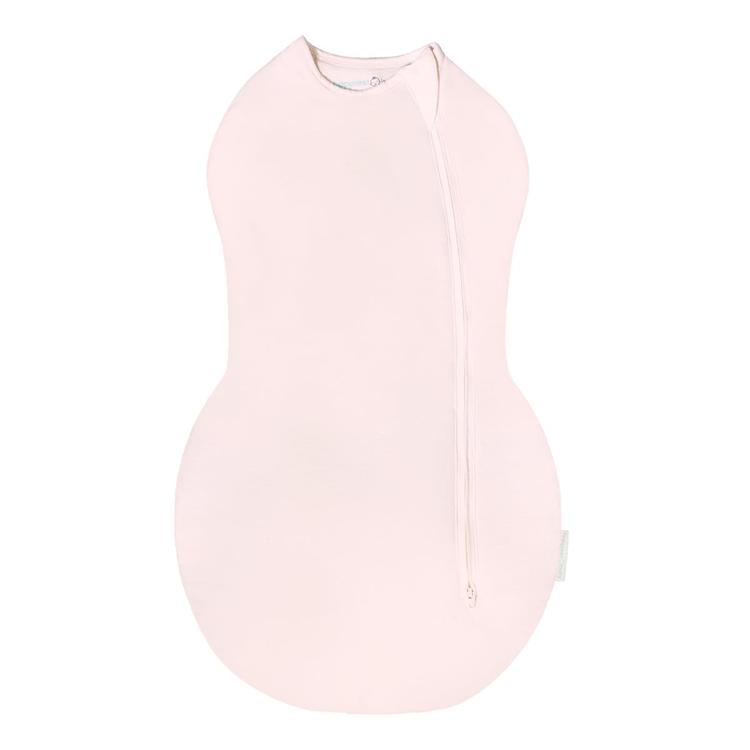
    Sleepea® Comforter Swaddle in rose colour

    Sleepea® Comforter Swaddle

    €42.95

    €30.06 - €34.36

    100% Organic SNOO Sleep Comforter Sack in graphite colour

    100% Organic SNOO Sleep Comforter Sack

    €44.95

    €31.46

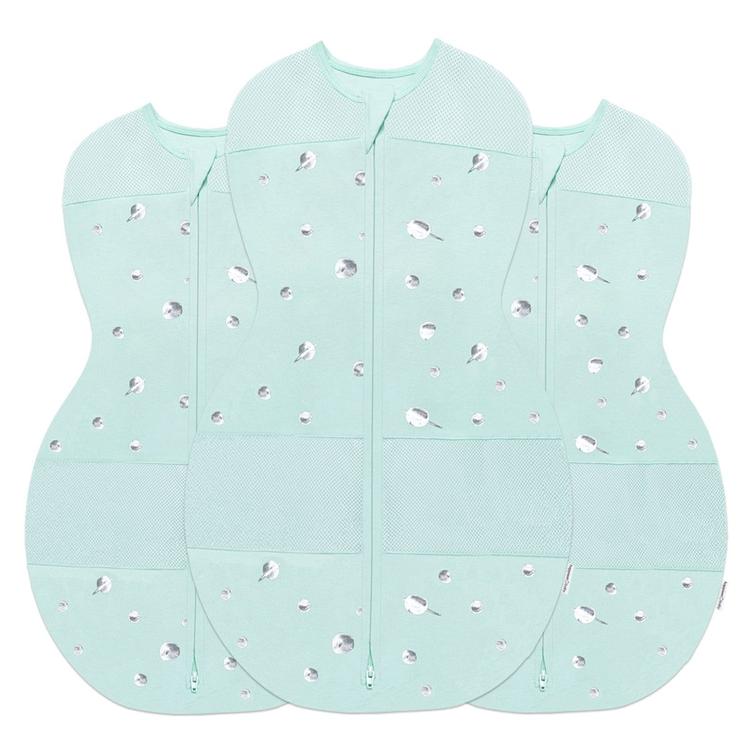
    Sleepea® Swaddle Sack 3 Pack Bundle in teal planets colour

    Sleepea® Swaddle Sack 3 Pack Bundle

    €98.85

    €69.20

    More on Baby

    A curled-up newborn baby

    BABY

    What’s the Newborn Scrunch?

    Here’s the scoop about this adorable reflex.

    A mum and her newborn baby doing skin-to-skin

    BABY

    Why Holding Your Baby Skin-to-Skin Is So Powerful

    From regulating body temperature to promoting bonding, the benefits of skin-to-skin are profound!

    About Gabrielle McPherson, MS, RDN, LDN


    Gabrielle McPherson, MS, RDN, LDN is registered dietitian in Missouri who specializes in community and pediatric nutrition. Gaby is passionate about encouraging families to eat well in simple, practical ways that are realistic...and delicious! When not working, Gaby loves cooking, baking, and making messes and memories with her sous-chef/preschooler Charlotte.

    The idea of making your own baby food can feel a little intimidating, but it is actually a whole lot easier than you would expect. In fact, with the help of our easy-peasy get-started guide, your kitchen will morph into a world-class baby food café in no time flat—guaranteed! 

    Homemade Baby Food: Before You Begin

    You could dive headfirst into your crisper, toss whatever produce you find in the blender and call it baby food, but it is a far better (safer, smarter) idea to take a step back and learn some basics, first…like:

    Shop in season. When you feed your baby fruits and vegetables that are in season, you are offering them the best flavour and nutrition. If you have ever bitten into a tasteless mid-winter tomato, you understand!

    Embrace variety. Fruits and vegetables are not all equal and since each one offers diverse nutrients, it is important to offer a variety. That means, cooking the same two vegetables over and over is not ideal.

    Try, try again. If your baby makes a funny face after tasting new food, do not give up. Many children need to be offered a new food as many as as many as 20 times before they will happily eat it.

    Ditch the all-or-nothing mentality. It is okay to use store-bought baby food when you need to and to make your own!

    Consider organic. While there is no need to purchase only organic fruits and vegetables (they can get pricey), it is a good idea to consider buying organic for foods that tend to be particularly high in pesticides, like:

    • Apples
    • Celery
    • Cherries
    • Grapes
    • Green leafy vegetables, such as kale and spinach
    • Nectarines
    • Peaches
    • Pears
    • Peppers
    • Strawberries
    • Tomatoes

    Homemade Baby Food: Supplies You Need to Start

    Yes, a high-quality blender or food processor will greatly help you on your culinary journey (more on that later), but you really do not need a lot of expensive equipment to start making baby food. In fact, you can begin DIYing your baby’s food in a matter of minutes…and often with only a fork. Really! Here are six no-fancy-supplies-required baby food ideas to inspire you:

    1. Banana baby food: You only need a ripe banana and fork to mash it!

    2. Avocado baby food: Simply remove the pit from a ripe avocado and fork-mash.

    3. Peach baby food: Canned peaches (in their juices) are so soft! Rinse and mash with a fork until you reach the consistency you want.

    4. Pear baby food: Just like peaches, you can fork-mash canned pears. Just rinse the fruit first.

    5. Nut butter baby food: Thin a teaspoon or two of nut or seed butter with warm water, breastmilk, or formula for a smooth consistency.

    6. Whole grain baby food: Prepare oatmeal or barley cereal by adding warm water, breastmilk, or formula until you get the desired texture.

    When you are ready to graduate to a greater variety of foods for your baby, you will likely need more than a fork. This baby food making equipment will prove helpful:

    • Blender or food processor
    • Cooking thermometer (important when cooking meat)
    • Glass baby food jars
    • Immersion blender
    • Potato masher
    • Silicone ice cube trays
    • Steam basket or microwavable steamer

    Homemade Baby Food: Safe Preparation and Storage

    To ensure that you are making the healthiest and safest baby food possible for your precious baby, follow these prep and storage rules:

    Clean everything first. To minimise exposure to any bacteria, wash your hands, kitchen surfaces, and all fruits and vegetables before preparing baby food. 

    Remove potential hazards. When preparing meat or fish, trim and remove any fat, skin, gristle, and bones as needed. For fruits and veggies, nix skin, seeds, and pits as necessary to protect your baby.

    Know the right temperature. Cooking meat to specific temperatures will reduce your baby’s risk of food poisoning. Stick to these numbers:

    • Chicken and turkey: 74 degrees Celsius 
    • Ground beef and pork: 71 degrees Celsius
    • Fish: 63 degrees Celsius

    Follow instructions. Grains and legumes may require soaking or rinsing before you start cooking. Be sure you read the package instructions before you begin.

    Store baby food like this. Add fresh purees to silicone ice cube trays and freeze. Once frozen, move cubes to a freezer-safe food container. (Each cube is a serving that can be easily defrosted and reheated if needed.) Homemade baby food can be stored in the freezer or in the refrigerator for 1 to 2 days.

    Think beyond fresh. In-season fruits and veggies are often the best choice, but frozen and even canned produce can also be used to make homemade baby food. If you are using canned, however, make sure the food is in its own juices or in a low-salt or salt-free liquid…and that you rinse before making your baby food.

    Heat first. Items like ripe bananas and avocados are soft enough to mash raw, but other fruit and vegetables need a steam or roast first to make mashing doable.

    Adjust accordingly. For more thin and smooth purees, simply add breastmilk, formula, water, or low-sodium broth in small amounts. Thicker textures will need less liquid.

    Disclaimer: The information on our site is NOT medical advice for any specific person or condition. It is only meant as general information. If you have any medical questions and concerns about your child or yourself, please contact your health provider. Breastmilk is the best source of nutrition for babies. It is important that, in preparation for and during breastfeeding, mothers eat a healthy, balanced diet. Combined breast- and bottle-feeding in the first weeks of life may reduce the supply of a mother's breastmilk and reversing the decision not to breastfeed is difficult. If you do decide to use infant formula, you should follow instructions carefully.

    Top Stories

    Dr. Harvey Karp uses the 5 S's to soothe a fussy baby

    BABY

    The 5 S's for Soothing Babies

    A baby in the Fourth Trimester

    BABY

    What Is the Fourth Trimester?

    Sleeping newborn

    BABY

    Newborn Baby White Noise Benefits

    A baby with a pacifier

    TODDLER

    How and When to Stop Pacifier Use

    Mother holds baby during the 3- to 4-month sleep regression

    BABY

    Don't Get Blindsided by the 3- to 4-Month Sleep Regression

    A mother gives her newborn baby a dream feed

    BABY

    What Is Dream Feeding?...And How Do I Do It?