TODDLER
8 Research-Backed Ways to Boost Your Little One’s Nutrition
Small, simple changes can make a big difference.

Skriven av
Happiest Baby Staff
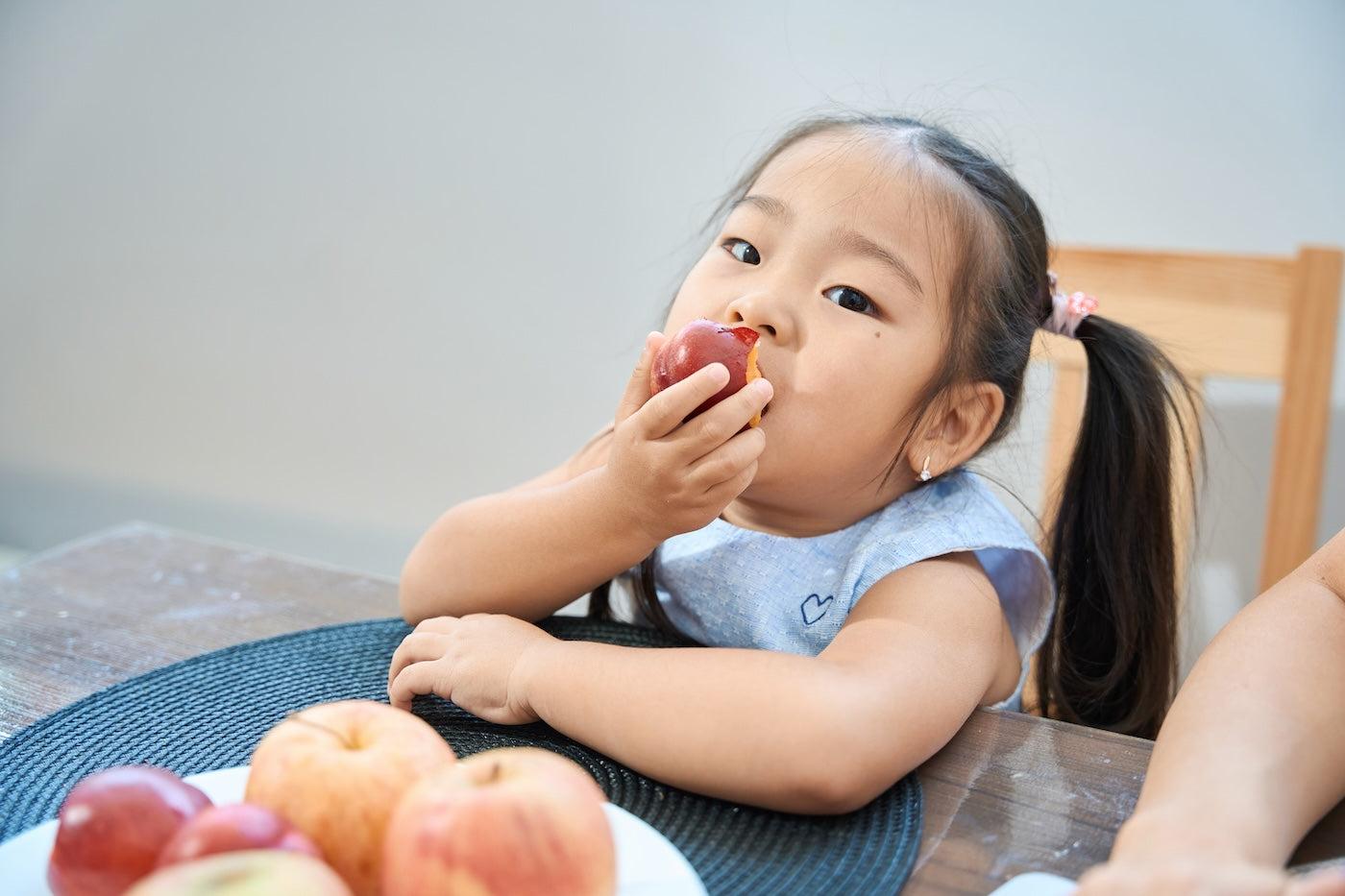
Parenting a toddler or preschooler often means navigating fussy eating and endless snack requests. That’s where small, simple changes can make a big difference to your child’s nutrition. Enter these research-backed tips to help little ones eat healthier!
Tip #1: Boost fibre for happy tummies.
Fibre is a superhero nutrient for young children. Not only does fibre keep things moving in the digestive tract (preventing dreaded toddler constipation), it also helps kids feel full on healthy foods—and even guards their long-term health. In fact, a fibre-rich diet may help prevent constipation and reduce the future risk of heart disease, certain cancers, and obesity. Unfortunately, most children (and adults!) don’t get enough fibre. According to the Australian Dietary Guidelines, children aged 1 to 3 years should aim for around 14 grams of fibre each day, and children aged 4 to 8 years should aim for 18 grams daily
Easy fibre-rich foods to add to your child’s plate include:
- Fruits: apples with skin, pears, berries, bananas
- Vegetables: carrots, peas, broccoli, sweet potatoes
- Whole grains: wholemeal bread, porridge oats, wholegrain cereals, brown rice
- Beans and lentils: black beans, chickpeas, lentil soup (even a few spoonfuls count!)
Offer plenty of water alongside fibre-rich foods to help everything “go down” smoothly. Over time, a fibre-rich diet will not only keep your kiddo regular, but also nurture healthy gut bacteria and overall wellness (some studies even link high fibre intake in childhood to lower rates of chronic illness later on).
Tip #2: Avoid blackened or charred foods.
That black, charred crust on grilled or fried foods might taste savoury, but it’s not great for little ones. When foods (especially meats) are cooked at very high temperatures or over an open flame, they can form compounds called HCAs and PAHs—big names that have been linked to cancer in animal studies. While the science in humans isn’t 100% settled, research has found that eating lots of charred, well-done meats is associated with higher risks of certain cancers later in life. The safe bet for your child: cook foods thoroughly (to kill bacteria) but avoid burning or charring them.
Practical tips: If a piece of toast or meat does get blackened, simply scrape or cut off the charred parts before serving. Instead of high-heat charring, use gentler cooking methods when possible. Try baking chicken tenders in the oven, steaming veggies, or sautéing foods on medium heat. You’ll still get yummy flavours without the smoky char—and you’ll be protecting your little one from ingesting those questionable chemicals. (Bonus: gentler cooking often preserves more nutrients, too!)
Tip #3: Trade the Teflon for safer cookware.
We all love convenience, but non-stick pans can introduce hidden risks into your family’s diet. Traditional non-stick cookware (like Teflon pans) is often made with chemicals called PFAS—nicknamed “forever chemicals” because they linger in our bodies and environment. Research suggests that exposure to certain PFAS may affect children’s development, immune system, and even increase the risk of some cancers. If non-stick pans overheat, they can also release toxic fumes—bad news for birds (Teflon fumes can be deadly to pet birds) and not ideal for little humans either.
The healthier swap: Cook with PFAS-free, non-toxic cookware. Great options include cast iron skillets, stainless steel pots, ceramic-coated pans, and oven-safe glassware. These may need a bit more oil or butter to prevent sticking, but they won’t leach harmful chemicals into your child’s food. Experts recommend using cast iron, stainless steel, stone, or ceramic instead of conventional non-stick pans. Bonus: a well-seasoned cast iron pan naturally becomes non-stick and can even add a little iron to your child’s diet!
Tip #4: Make sure your child gets enough vitamin D.
Vitamin D is often called the “sunshine vitamin,” and it’s essential for your child’s growth. Little ones need vitamin D to absorb calcium and build strong bones and teeth. Without enough, they’re at risk for rickets (soft, weak bones). According to Healthy Bones Australia, most children can meet their vitamin D needs through a mix of safe sun exposure, vitamin D–rich foods, and, if necessary, supplements advised by your GP. If you’re unsure whether your child is getting enough, it’s worth having a chat with your healthcare provider.
To boost your tot’s vitamin D: Know the goal. Health experts recommend around 600 IU of vitamin D per day for children over 1 year (infants under 12 months need 400 IU). Many kids can meet this through diet and a supplement (drops or chewables—chat with your GP about what’s right for your child). Vitamin D-fortified milk is a big helper, and so are fatty fish (like salmon), egg yolks, and fortified cereals. And of course, outdoor playtime in the sunshine (with appropriate sun protection!) helps, too.
Tip #5: Cut back on salt.
Many of us grew up adding salt to meals out of habit, but young children’s bodies are much more sensitive to sodium. For toddlers, the recommended sodium limit is around 1,200mg per day (that’s less than half a teaspoon of salt), and about 1,500mg for 4- to 5-year-olds. However, children often consume far more—particularly with packaged foods and takeaway meals.
Why does this matter? Too much salt in childhood can raise blood pressure—even in little ones. High blood pressure early in life can increase the risk of heart disease later on. That’s why the Australian Dietary Guidelines recommend offering foods low in added salt, and avoiding adding salt to meals during cooking or at the table. Choosing fresh foods most often, and using herbs, spices, and lemon juice for flavour, can help little ones develop a love for naturally delicious foods.
The solution: Go easy on the saltshaker and be mindful of hidden salt in processed foods. Common culprits like sausages, pizza, chips, and snack crackers are often loaded with sodium. Choose low-sodium versions where you can (like “no added salt” canned vegetables) and rinse canned beans before serving. Cooking at home using fresh ingredients—and seasoning with herbs, spices, garlic, or lemon juice instead of salt—is an easy way to teach your child’s tastebuds to love real flavours. Over time, those healthy preferences will stick for life!
Tip #6: Slow down the sugar rush.
We all know kids love sweets—but too much sugar, especially from sugary drinks, can create big problems for little bodies. Sweet beverages like soft drinks, cordial, and even 100% fruit juice (when drunk in large amounts) flood children with sugar without the fibre and nutrients that come from whole fruit. Regularly drinking sugary beverages has been linked to weight gain, type 2 diabetes, tooth decay, and more.
Health experts in Australia recommend that children under 2 years of age avoid added sugars altogether, and that all young children have only minimal added sugar. Limiting sugary drinks like soft drinks, cordial, sports drinks, and even frequent fruit juice is key to supporting healthy growth and preventing early tooth decay, weight gain, and future health problems.
Parent-tested tips to tame the sweet tooth:
- Offer water and milk first: Make water (or plain milk) the go-to drink at meals and snack time. Save juice for rare occasions.
- Dilute juices: If you serve juice, dilute it with water to lower the sugar content without sacrificing taste.
- Infuse water naturally: Add slices of berries, cucumber, or citrus fruits to water to create a fun, lightly flavoured drink.
- Add a touch of sweetness if needed: For children over 1 year, a drop of honey in warm water or herbal tea can offer mild sweetness—but use sparingly, as honey is still a form of sugar.
And what about treats? Birthday cake and special occasion goodies are absolutely okay! Just keep daily sugars low. Fresh fruit like watermelon, strawberries, or apple slices with nut butter make brilliant sweet snack swaps. Over time, your little one’s palate will adapt—and choosing healthier foods will become second nature.
Tip #7: Cook with heart-healthy olive oil
When it comes to cooking oils, not all are created equal—and olive oil is one of the best choices for your child’s growing body. Rich in monounsaturated fats and packed with antioxidants, high-quality extra virgin olive oil supports brain development, heart health, and helps little bodies absorb vitamins like A, D, E, and K.
According to the Heart Foundation Australia, offering young children healthy unsaturated fats—like those found in extra virgin olive oil, avocado, nuts, and seeds—supports heart health and proper growth. Using healthy oils for cooking and swapping butter for olive oil wherever possible is an easy, delicious way to nourish your child’s developing brain and body.
Easy ways to add olive oil to your child’s diet:
- Drizzle a little over roasted veggies or pasta
- Sauté chicken, fish, or tofu in olive oil instead of butter
- Stir olive oil into mashed potatoes or use in salad dressings
- Brush lightly over toast instead of margarine or butter
Whenever possible, choose Australian-grown extra virgin olive oil—it’s fresher and packed with good-for-you compounds. Keep cooking temperatures moderate to preserve the health benefits.
Tip #8: Serve the rainbow.
One of the best ways to boost your child’s nutrition is to offer a colourful variety of fruits, vegetables, grains, proteins, and healthy fats. Each colour represents different nutrients and health benefits, and variety itself encourages broader tastes and healthier eating patterns.
Research shows that repeatedly offering a mix of veggies can help children double their vegetable intake—even if it takes many tries before they accept a new food.
Easy ways to add variety: Mix up your fruits and veggies from week to week (bananas and apples one week, mangoes and kiwis the next). Offer a range of proteins beyond chicken nuggets—try beans, yoghurt, tofu, fish, eggs, and lean meats. Choose wholegrain options like brown rice, quinoa, and wholemeal bread when possible. And don’t shy away from adding gentle spices like cinnamon, cumin, or paprika to keep meals exciting!
Healthy eating in early childhood lays the foundation for lifelong health—so keep experimenting, stay patient, and model your own enjoyment of a variety of foods. Before you know it, your little one might just be asking for seconds of roasted broccoli or lentil soup!
Final thoughts on healthy eating
Improving your child’s nutrition doesn’t have to feel overwhelming. Small, consistent changes—like swapping out a sugary drink for water, offering an extra veggie at dinner, or choosing stainless steel cookware—truly add up. By boosting fibre, vitamin D, and food variety, and cutting down on charred foods, salt, sugar, and harmful chemicals, you’re setting your child up for a lifetime of good health. Here’s to happy, healthy eating for your family!
Ansvarsfriskrivning: Informationen på vår webbplats är INTE medicinsk rådgivning för någon specifik person eller tillstånd. Den är endast avsedd som allmän information. Om du har några medicinska frågor och funderingar om ditt barn eller dig själv, vänligen kontakta din vårdgivare. Bröstmjölk är den bästa källan till näring för spädbarn. Det är viktigt att mödrar äter en hälsosam, balanserad kost i förberedelse för och under amning. Kombinerad amning och flaskmatning under de första veckorna i livet kan minska tillgången på en mammas bröstmjölk och det kan vara svårt att ångra beslutet att inte amma. Om du bestämmer dig för att använda modersmjölksersättning bör du noggrant följa instruktionerna.






DELA DENNA ARTIKEL
FÖRÄLDRARS VAL
Bästsäljare