PARENTS
Real Parents, Real Talk… On Breastfeeding: Natasha Brown
Natasha opens up about her black breastfeeding journey with five kids.

Skriven av
Happiest Baby Staff
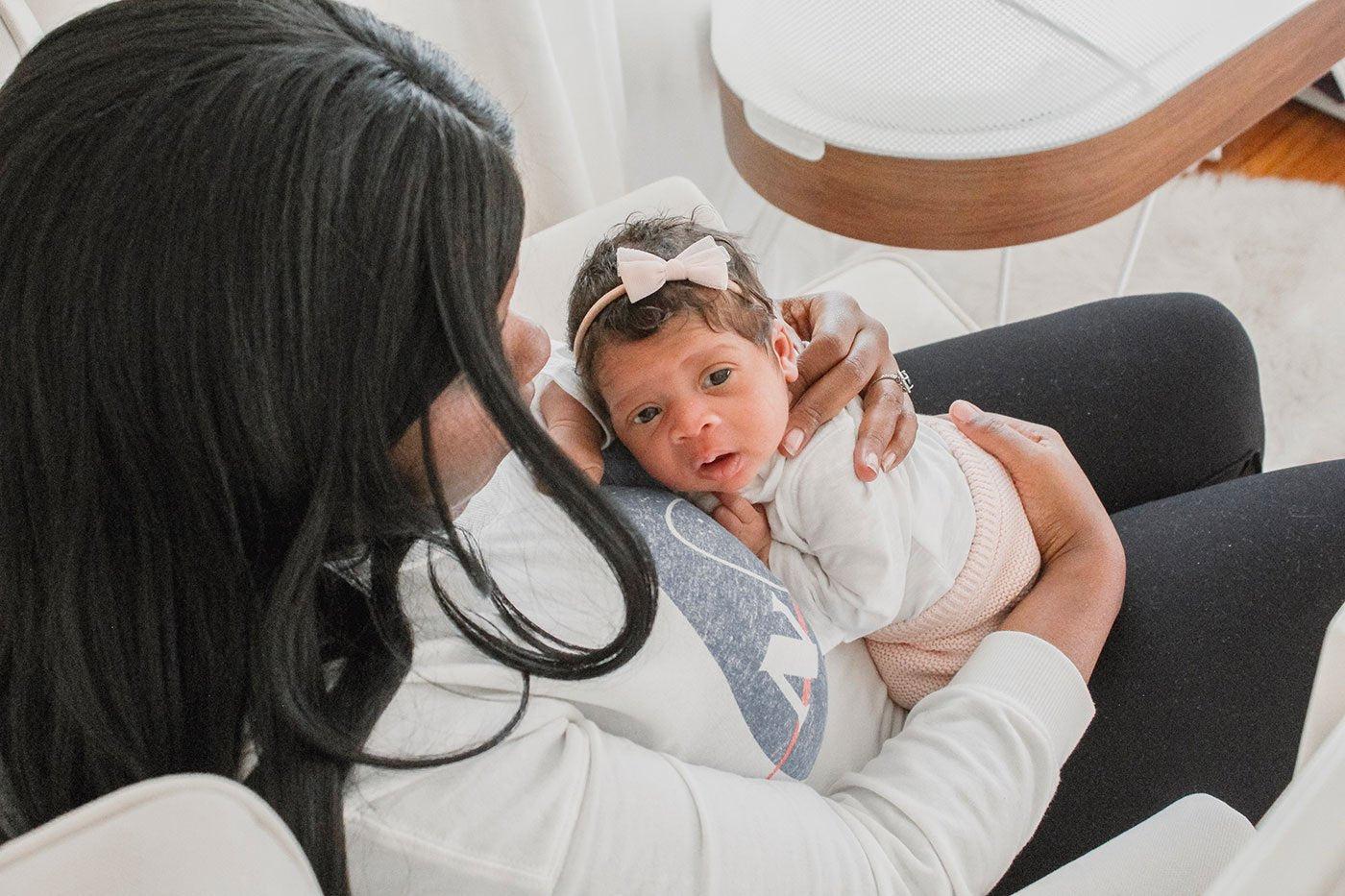
Natasha Brown has a lot of experience with breastfeeding…since 2004, she's been breastfeeding one of her 5 children who range from the ages of 10 months to 15 years old.
When she had her first child, Natasha was a college student who was making ends meet and was on WIC (the Special Supplemental Nutrition Program for Women, Infants, and Children). When her daughter was 6 weeks old, WIC workers told Natasha that she should stop breastfeeding because "the baby didn't need it anymore."
Natasha had spent a lot of time during her pregnancy reading on the benefits of breastfeeding—which include lower rates of asthma and childhood obesity—and she knew she wanted to continue breastfeeding.
"I ignored their advice and breastfed until my daughter was two," Natasha said.
Four years later when she had her son, a similar situation happened. When he was 7 months old, a nurse at her pediatrician's office told her she needed to stop breastfeeding…even calling it "nasty" to continue.
Again, Natasha ignored the comments and kept breastfeeding. But she says that both the WIC worker and the nurse who told her to stop breastfeeding were black women, and their ideas about breastfeeding are pervasive in the black community.
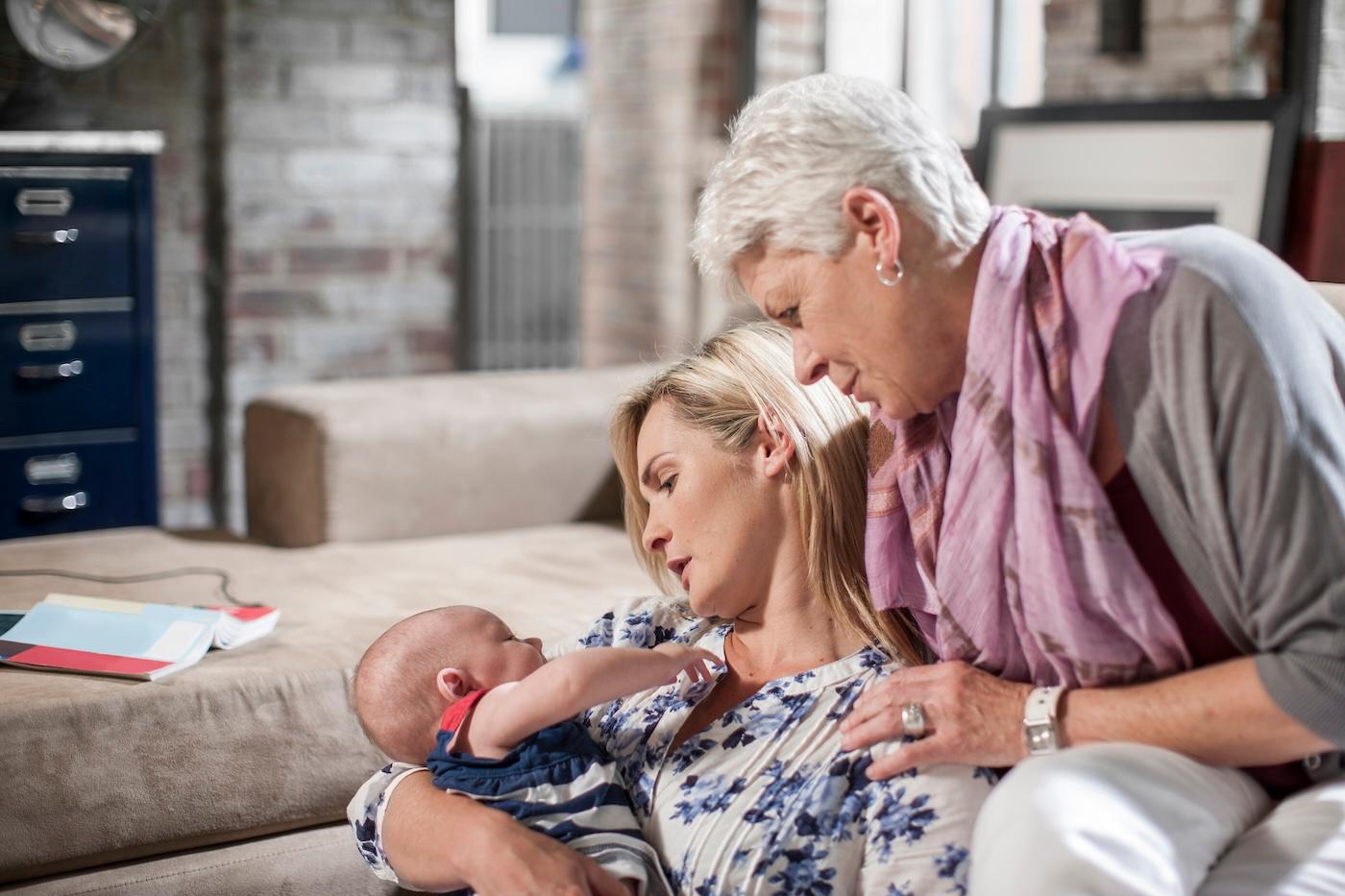
"A lot of us look to older relatives to provide us with guidance and they're anti-breastfeeding," Natasha said. "I never understood it… but until we can change their minds, it's going to be hard for black women to really want to breastfeed."
Natasha says that the tradition of asking older relatives for advice in the black community is a double-edged sword—on one hand, it's great to get family input but on the other hand, it can discourage mothers from breastfeeding.
Her advice to other black moms?
"Research it and try to block out the negative opinions on it," she said. "We need to put our needs and wants above what everybody else says. Ultimately, it's the mother's decision."
Natasha is glad she made the decision to breastfeed her children—she's currently breastfeeding her youngest, who is 10 months old. Even though Natasha wasn't breastfed herself, her mother was supportive of Natasha breastfeeding her own kids.
Looking back, she isn't totally sure what pushed her to make the decision to breastfeed but she thinks it was a mix of "the cost of formula" and "the benefits of breastfeeding."
"I thought if I breastfeed, I'm going to have a baby genius," she said with a laugh.
She plans to continue until her daughter is 2-years-old, just like she did with her other children. And she loves seeing the impact her choice has made in her community.
"I'm pretty sure my breastfeeding led my twin sister to breastfeed her kids," she said. "And several of my friends all came to ask me about my experience."
Being open about her journey breastfeeding five kids is one way she hopes the trends will change for black women, who historically have the lowest rate of breastfeeding.
"I hope we get to a point soon where black women are at the same level as white and Hispanic women," she said.
Ansvarsfriskrivning: Informationen på vår webbplats är INTE medicinsk rådgivning för någon specifik person eller tillstånd. Den är endast avsedd som allmän information. Om du har några medicinska frågor och funderingar om ditt barn eller dig själv, vänligen kontakta din vårdgivare. Bröstmjölk är den bästa källan till näring för spädbarn. Det är viktigt att mödrar äter en hälsosam, balanserad kost i förberedelse för och under amning. Kombinerad amning och flaskmatning under de första veckorna i livet kan minska tillgången på en mammas bröstmjölk och det kan vara svårt att ångra beslutet att inte amma. Om du bestämmer dig för att använda modersmjölksersättning bör du noggrant följa instruktionerna.






DELA DENNA ARTIKEL
FÖRÄLDRARS VAL
Bästsäljare