BABY
Vernix: Rub It in or Wash It Off?
What to know about this cream-cheese-like substance that coats babies at birth.

Skriven av
Dr. Harvey Karp
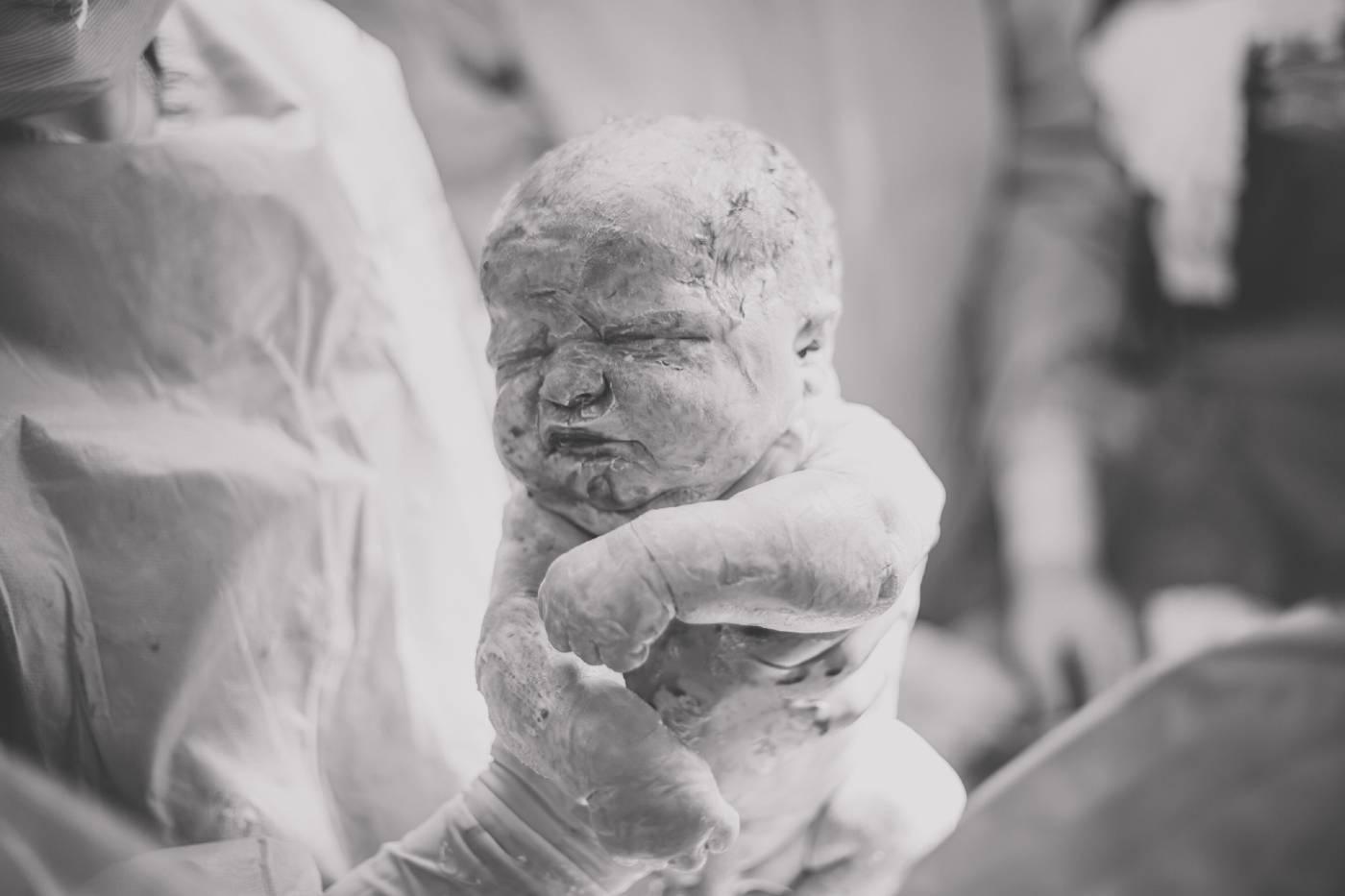
In the movies, babies seem to emerge from the womb looking pink and squeaky clean…but the reality is sometimes a little bit messier. Many babies enter the world with bits of a thick, white substance, known as vernix caseosa, covering their skin or hiding in their deep folds.
This name is Latin, vernix meaning 'varnish' and caseosa meaning 'cheesy.' In the last few months of pregnancy, babies have vernix slathered in their bodies like cream cheese on a bagel. Then, it gradually disappears as your due date approaches. So, you can see lots of it on a premature baby, but full-term babies usually just have little bits hidden in the folds of the neck behind the ear, armpit, labia, under the foreskin, etc.
What is vernix?
Vernix is a protective coating that forms on baby’s skin in utero. It is a thick, greasy substance made of water, fatty acids, and proteins, and it creates a moisturising barrier for your baby’s skin. After all, being surrounded by amniotic fluid is a little like living in a swimming pool! The vernix protects and hydrates Baby’s delicate skin so that it does not chap or wrinkle.
Why is vernix important?
But vernix is more than just a moisturiser—it plays many important roles during gestation, birth and even afterwards. A bit of it globs into the ear canal, too, and may even protect the baby from loud noises. (One more interesting fact about vernix—only humans and sea lions make it!)
Vernix benefits for Baby:
- Vernix helps develop baby’s healthy gut bacteria. Your little fetus is swallowing bits of vernix every day. This helps develop the baby’s good gut bacteria and prevents infection.
- Vernix helps fight off bad bacteria. Newborns have pretty weak immune systems, which makes them more susceptible to illnesses, like skin infections. Vernix keeps the skin a little more acidic, which helps slow the growth of bad bacteria.
- Vernix helps keep babies warmer. Of course, you will wrap your baby in blankets and keep a comfortable room temperature, but vernix also helps keep babies warm by reducing evaporation of water through the skin, which can cool the baby too much.
- Vernix moisturises a baby’s skin. Vernix is the richest skin cream…ever. It contributes to the unbelievably smooth and delicious skin babies have at birth.
Should you leave vernix on a baby or wash it off?
Though your first impulse may be to clean this goop off ASAP, many parents instead rub the vernix into the skin and hold off the first sponge bath for a few hours (up to a day) to let the vernix continue its important job. In fact, the World Health Organisation recommends leaving the vernix on the skin for at least 6 hours and preferably 24 hours to give your baby its full benefit.
After a day or so, the vernix often starts to get a little smelly and you will want to do a little soapy sponge bath to clean off any bacteria starting to collect on your little baby’s delicate skin. You may need to use a moistened cotton swab to remove the thicker layer of vernix deposited deep in your baby’s skin folds. Do not stress over getting it all out right away…it often takes three to five days to remove it, bit by bit.
When to wash vernix right away:
There is one case in which vernix should be washed off right away, and that is if it has become mixed with meconium, aka Baby’s first poop. In that event, it may be safer to wash away the vernix to prevent baby from getting it on the hands and eating the meconium.
Final thoughts on Vernix
So, while your little one will not arrive as camera-ready as those babies in the movies, you can rest assured that the yucky-looking stuff coating their skin actually serves a pretty sweet purpose.
Ansvarsfriskrivning: Informationen på vår webbplats är INTE medicinsk rådgivning för någon specifik person eller tillstånd. Den är endast avsedd som allmän information. Om du har några medicinska frågor och funderingar om ditt barn eller dig själv, vänligen kontakta din vårdgivare. Bröstmjölk är den bästa källan till näring för spädbarn. Det är viktigt att mödrar äter en hälsosam, balanserad kost i förberedelse för och under amning. Kombinerad amning och flaskmatning under de första veckorna i livet kan minska tillgången på en mammas bröstmjölk och det kan vara svårt att ångra beslutet att inte amma. Om du bestämmer dig för att använda modersmjölksersättning bör du noggrant följa instruktionerna.






DELA DENNA ARTIKEL
FÖRÄLDRARS VAL
Bästsäljare