BABY
Lanugo: What It Is and Why Babies Have It
Did you know babies are sometimes born covered in hair? Here is what you need to know about lanugo.

Skriven av
Dr. Harvey Karp
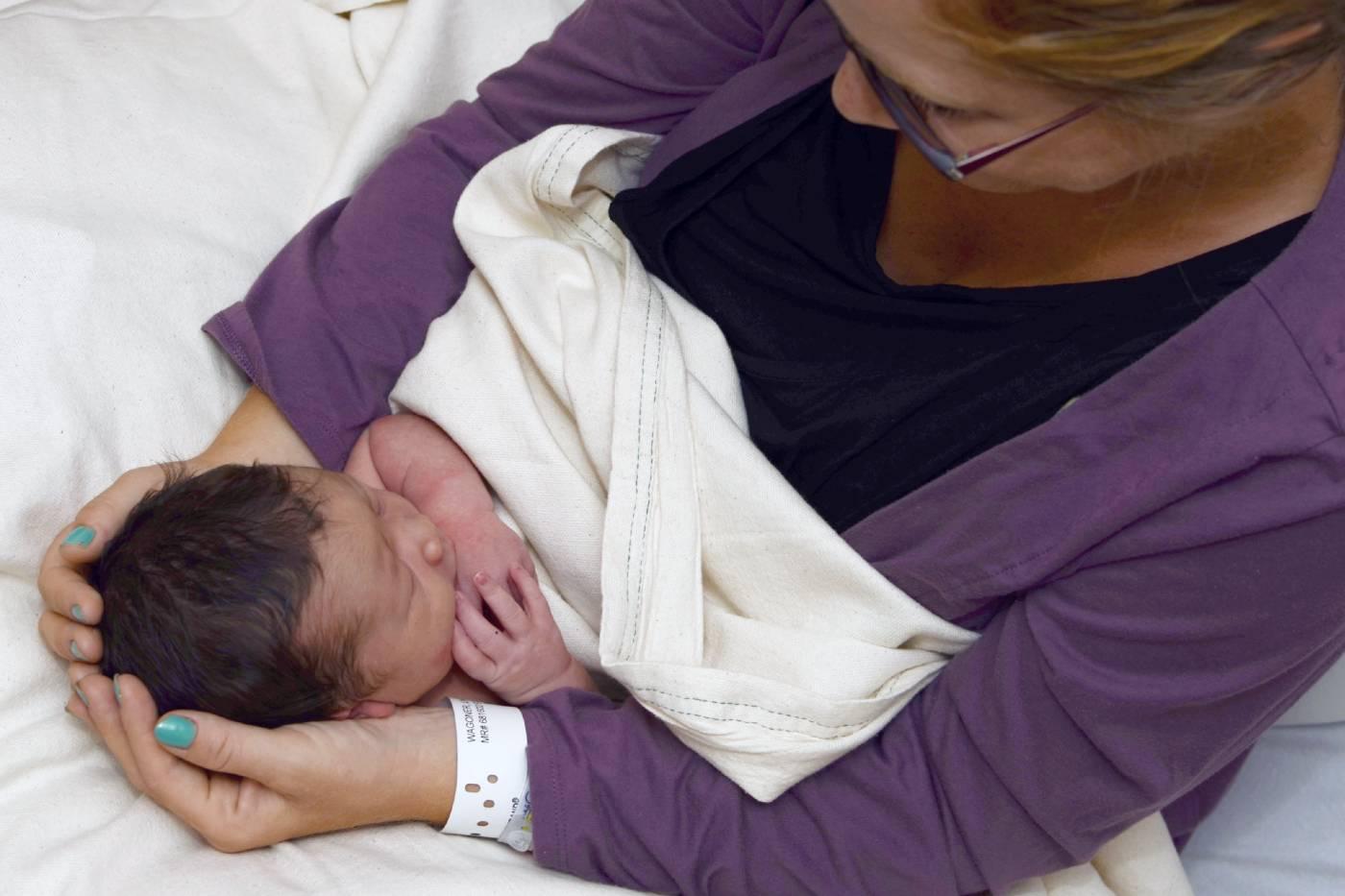
If you’ve never seen a newborn baby, then you might be in for a bit of a shock when your lovebug arrives. Unlike the pristine pink babies on the telly, newborns IRL are wet, wrinkly, and sometimes bright red…with little smears of white cheese-like stuff (aka vernix) in the armpits and between the labia. And occasionally, they show up covered in patches of dark hair. (Probably not the glowing bundle you have imagined…but beautiful, nonetheless!) The hair that covers newborns is called lanugo, and though it may seem odd, it is nothing to worry about.
What is lanugo?
If you have been reading up on your pregnancy week by week, then you might have learned that between week 14 and week 16 your baby begins to develop hair called lanugo. But before you start daydreaming about your baby having mummy’s curls or daddy’s chestnut waves, you should know that lanugo is temporary and will likely be gone before your baby is even born!
What is the purpose of lanugo for newborn babies?
Lanugo plays a key role in helping the vernix (a white cheese-like substance that covers the fetus in the months before birth) bind to skin while in the uterus. With the sticky vernix being held in place by the tiny hairs, the growing skin is cosy and warm. It also protects the skin from the amniotic fluids (can you imagine your skin if you sat in a tub for 9 months straight?!).
How long does it take for lanugo to fall off?
During the final weeks of pregnancy, the fetus typically sheds the lanugo and then munches on little hairs that float by—here and there—as it swallows the amniotic fluid. The lanugo essentially becomes part of Baby’s first meal, or at least first snack. After birth, a newborn will pass the lanugo in their first poos, called meconium. Then, very soon after birth, the newborn’s skin will begin to grow the fine body hair that all humans have.
What does lanugo look like?
If your baby is born with traces of lanugo still present, it will simply look like patches of fine, dark body hair. The usual locations for these tufts are on the tops of the ears, across the forehead, on the back…especially down by the sacrum (just north of the gluteal fold, otherwise known as the butt-crack).
Growing and shedding lanugo is a normal and harmless rite of passage for newborns, but do not hesitate to speak with your care provider if you have any questions!
Ansvarsfriskrivning: Informationen på vår webbplats är INTE medicinsk rådgivning för någon specifik person eller tillstånd. Den är endast avsedd som allmän information. Om du har några medicinska frågor och funderingar om ditt barn eller dig själv, vänligen kontakta din vårdgivare. Bröstmjölk är den bästa källan till näring för spädbarn. Det är viktigt att mödrar äter en hälsosam, balanserad kost i förberedelse för och under amning. Kombinerad amning och flaskmatning under de första veckorna i livet kan minska tillgången på en mammas bröstmjölk och det kan vara svårt att ångra beslutet att inte amma. Om du bestämmer dig för att använda modersmjölksersättning bör du noggrant följa instruktionerna.






DELA DENNA ARTIKEL
FÖRÄLDRARS VAL
Bästsäljare