BABY
How to Deal When Your Baby Bites, Pulls Hair, or Pinches
It is common for babies to poke, pinch, pull, and even bite the grownups they love. Here’s how to handle it.

Skriven av
Happiest Baby Staff
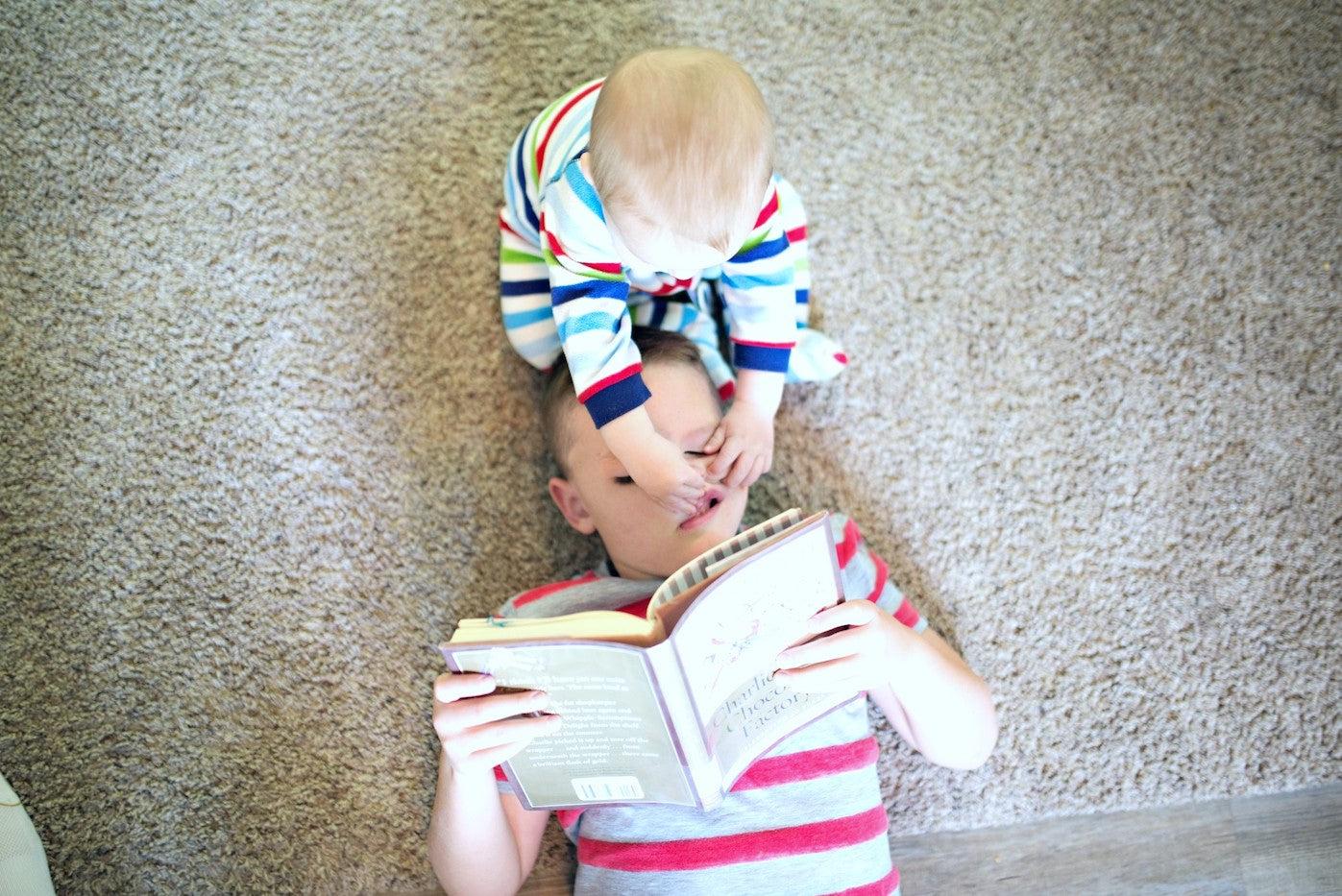
One day, your precious baby may appear to suddenly turn on you, unexpectedly pinching your skin or yanking your hair. (Ouch!) Do not freak out! Your little one has not morphed into a tiny bully. It is quite common for babies to poke, pinch, pull, and even bite the grownups they love the most. Like so many things with kiddos, this is just a stage. Here is how to get through it (almost) unscathed.
Why is my baby hurting me?
Chances are, your little one’s “aggressive” behaviours began somewhere between the ages of 6 and 12 months old. This is prime time for your baby’s explorer tendencies to explode. They are very busy getting to know the world around them, examining the way things taste and feel...and the brand-new concept of cause and effect. (If I pull this, Mama does that!) Adding to the excitement: You little one’s fine motor skills are really starting to come together around 9 months, as they start to master what is called the pincer grasp. This is when babies can use their thumb and forefinger together to grasp objects...like your hair and skin. But truly, your baby is not trying to hurt you! They simply put these behaviours on repeat because that is how they learn. It is up to you to gently redirect these actions. If you do not then pinching during breastfeeding, for example, will become a habit. That said, biting while breastfeeding could mean something else is going on.
Why is my baby biting while breastfeeding?
In addition to the above explanations, your little one may be using their teeth on you due to…
- Teething: Starting as young as 4 months old, teething babies may bite down to soothe their sore and swollen gums. Try offering a cool teething toy or frozen washcloth instead of your breast.
- Stuffy nose: It can be hard for congested babies to breastfeed. Reposition your bug to be more upright, allowing for an easier feed.
- Ear infection: Here, the act of sucking may hurt, so your baby is letting you know: No more! (If your baby is also tugging at their ear, this is most likely the issue.)
- Distraction: This mostly occurs at the tail-end of a feed when your baby is getting bored, not paying attention, and frankly, is not very hungry anymore.
- Milk flow issues: Your baby cannot bite if they are actively sucking, so your little one may be trying to get more milk to flow. To help, give a quick breast compression to up the flow, which’ll prompt your baby to suck and swallow.
How to stop baby from biting, pinching, pulling-hair, and more:
Whether your nugget has taken to pulling your hair, pinching your arm, or biting your breast, the make-it-stop principles remain the same. Here they are:
- Stay calm: Little ones are exploring the notion of cause and effect, so if you offer up a big reaction, you may inadvertently be inviting them to try again to see what effect they can cause next!
- Halt the habit: If you are getting pinched or pulled, gently remove your baby’s hand. With biting, follow the advice above and try placing two fingers in their mouth to separate their jaw, and pull them away. As you do, firmly say, “ That hurts.”
- Redirect: For example, if your tyke gives your hair a yank, gently remove their hand and show them a nicer way to touch your locks. You can also lightly stroke your baby’s hair, while softly saying
- Offer a cold shoulder. If the gentle removal, No, and redirect were not enough, turn away or put your baby down...calmly.
- Remove opportunities. Put long hair in a ponytail, remove dangly earrings, and otherwise try to eliminate other temptations for your newly combative tot...at least for a bit. With that, know that biting while breastfeeding is not a sign that your baby is ready to wean. Instead of taking away your breasts, follow the advice outlined above.
When biting, biting, pinching, and hair-pulling is something else:
Hitting, kicking, biting, pulling tends to peak between the ages of 18 months and 2.5 years old when kiddos are bursting with emotions, but their communication skills have not caught up. Remember, toddlers are not mini-adults (or even mini-big kids) ...they are more like uncivilised little cave-kids! So, it is no wonder that these little tykes have days when their impulsive, primitive nature takes control and makes them do things they should not. If you’ve got a toddler who’s demonstrating some aggressive behaviours, it is important to act swiftly...but gently.
Ansvarsfriskrivning: Informationen på vår webbplats är INTE medicinsk rådgivning för någon specifik person eller tillstånd. Den är endast avsedd som allmän information. Om du har några medicinska frågor och funderingar om ditt barn eller dig själv, vänligen kontakta din vårdgivare. Bröstmjölk är den bästa källan till näring för spädbarn. Det är viktigt att mödrar äter en hälsosam, balanserad kost i förberedelse för och under amning. Kombinerad amning och flaskmatning under de första veckorna i livet kan minska tillgången på en mammas bröstmjölk och det kan vara svårt att ångra beslutet att inte amma. Om du bestämmer dig för att använda modersmjölksersättning bör du noggrant följa instruktionerna.






DELA DENNA ARTIKEL
FÖRÄLDRARS VAL
Bästsäljare