TROVACI SUI SOCIAL

Facebook linkYoutube linkInstagram linkTwitter link
View post on Instagram
 
View post on Instagram
 
View post on Instagram
 
View post on Instagram
 
View post on Instagram
 
View post on Instagram
 
View post on Instagram
 
View post on Instagram
 
View post on Instagram
 
View post on Instagram
 

Unisciti alla Famiglia,

Rimani informato

UNISCITI ALLA NOSTRA COMMUNITY

Iscriviti per ricevere consigli utili, offerte e molto altro!

RIGUARDO

Missione e FondatoriI 5 SBlog

SUPPORTO

FAQRegistrazione del prodottoCosti, spedizione e resiPortale per i ResiContattaci

COMUNITÀ

AffiliatiPartner Autorizzati

LEGALE

Termini di venditaInformativa sulla privacyCookie PolicyTermini di servizioEULAGaranzia limitata SNOONote legaliDiritto di recessoPreferenze sui cookieTutti i termini legali

NEGOZIO

SNOO Smart SleeperFascia SleepeaOrsacchiotto SNOObear con rumore bianco calmanteSNOObie Ciuccio Intelligente

© 2026 Happiest Baby, Inc. | Tutti i diritti riservati

Tutti i marchi di terze parti (inclusi nomi, loghi e icone) menzionati da Happiest Baby rimangono di proprietà dei rispettivi titolari. A meno che non sia espressamente indicato, l'uso da parte di Happiest Baby di marchi di terze parti non indica alcun rapporto, sponsorizzazione o approvazione tra Happiest Baby e i titolari di tali marchi. Qualsiasi riferimento da parte di Happiest Baby a marchi di terze parti è destinato a identificare i beni e/o i servizi corrispondenti e sarà considerato un uso nominativo ai sensi della legge sui marchi.

    Happiest Baby
    BLOG
    FAQS

    PARENTS

    Vaccines - Parent Choice or Duty

    Are shots a personal choice or a civic duty?

    Dr. Harvey Karp

    Scritto da

    Dr. Harvey Karp

    CONDIVIDI QUESTO ARTICOLO

    Condividi su FacebookCondividi su TwitterCondividi su LinkedinCondividi su PinterestCondividi via e-mailCopia il link negli appunti
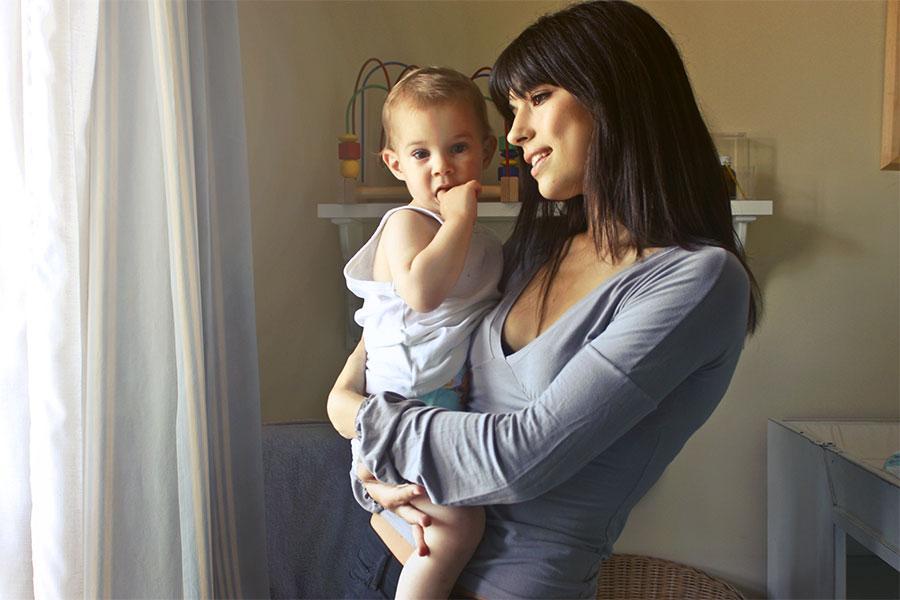
    mom holding a baby in her arms

    This is one of the most critical issues facing parents: Are shots a personal choice or a civic duty? As a paediatrician, I recommend all vaccines, but I admit that the shot schedule is constantly evolving. Doctors have repeatedly tweaked this schedule to make it safer and more effective (for example, over the past 30 years, the measles vaccine was pushed from 9 months to 12 months...and now is recommended to be given as late as 15 months of age).

    I think of shots as falling into 2 different groups: 1) those given primarily to protect your child, 2) those protecting your child and your neighbors' children. The first group of shots stops infections like, rotavirus, hepatitis A, chicken pox and hepatitis B. They help your child but don't give great protection to the community. That is either because the illnesses are very common (spread quickly through your neighborhood even if your child gets the shot) or hard to spread (difficult for your child to give it to others). (Note: Older kids, teens and adults are at risk for hepatitis B. It has caused thousands of cases of liver failure and cancer and so all citizens should eventually get this vaccine.)

    The second group of shots stops infections that threaten your child and your community (your neighbor's baby, the elderly, chronic disease sufferers, etc.). These shots include, whooping cough, influenza (flu), meningitis (Hib), pneumococcus (Prevnar) and measles. They miraculously halt diseases that are so contagious just one cough, one airplane flight or one germy doorknob can spread them like wildfire through your town.

    I believe giving the first group of shots is a parent's personal choice because the suffering you risk is mostly limited to your child and family. However, giving the second group of shots is an important civic responsibility because delaying them creates a serious public health risk. By immunizing at least 95% of children with these shots we create "herd immunity" that can totally halt the spread of deadly epidemics in our communities. Herd immunity stymies the spread of disease the way that frequent rain keeps lightening strikes from starting raging forest fires.

    Some doctors may fairly argue which vaccines should go into which groups. Some might say that the flu shot should be a personal choice. Skipping the flu shot, for example, may cause your child to be one of the 36,000 Americans who die from influenza this year, but it probably will not stop a flu outbreak. While other’s would argue that the more kids vaccinated the less likely an epidemic can spread…and it would also help protect your vulnerable neighbors (those with cancer, on cortisone for asthma or arthritis or the very young or over 60-group).

    But, the important point is that the second group of vaccines is crucial if we are to protect children in our communities who are too young to get their own shots. Parents who skip these shots may not mean to harm others, but their action significantly increases the risk of avoidable suffering and death to innocent children.

    Avvertenza: Le informazioni presenti sul nostro sito NON sono consigli medici per alcuna persona specifica o condizione. Sono solo intese come informazioni generali. Se avete domande o preoccupazioni mediche riguardo vostro figlio o voi stessi, si prega di contattare il vostro fornitore di assistenza sanitaria. Il latte materno è la migliore fonte di nutrizione per i neonati. È importante che, in preparazione e durante l'allattamento al seno, le madri seguano una dieta sana ed equilibrata. L'allattamento misto (seno e biberon) nelle prime settimane di vita può ridurre la produzione di latte materno e la decisione di non allattare al seno può essere difficile da invertire. Se decidete di utilizzare il latte artificiale per neonati, dovreste seguire attentamente le istruzioni.

    Principali notizie

    Il dottor Harvey Karp utilizza i 5 S per calmare un bambino irritabile

    BAMBINO

    I 5 S per calmare i neonati

    Un neonato nel Quarto Trimestre

    BAMBINO

    Cos'è il quarto trimestre?

    Neonato che dorme

    BAMBINO

    Benefici del rumore bianco per i neonati

    A baby with a pacifier

    BAMBINO PICCOLO

    Come e Quando Smettere di Usare il Ciuccio

    Mother holds baby during the 3- to 4-month sleep regression

    BAMBINO

    Non farti cogliere alla sprovvista dalla regressione del sonno di 3-4 mesi

    Una madre dà al suo neonato un pasto onirico

    BAMBINO

    Cos'è l'allattamento notturno?...E come si fa?

    CONDIVIDI QUESTO ARTICOLO

    Condividi su FacebookCondividi su TwitterCondividi su LinkedinCondividi su PinterestCondividi via e-mailCopia il link negli appunti

    SCELTE DEI GENITORI

    Bestseller

    Culla intelligente SNOO

    SNOO Smart Sleeper Baby Cot

    1395 €

    Slepea copertina per bebé in 5 secondi arcobaleno

    Sleepea® 5-Second Baby Swaddle

    32,95 €

    Sacco nanna SNOO 100% biologico blu tie-dye

    100% Organic SNOO Sleep Sack

    34,95 €

    SNOObie® Smart Soother

    69,95 €

    SNOObear di colore cacao lana

    SNOObear® 3-in-1 White Noise Lovey

    54,95 €

    Culla intelligente SNOO con rete anti-zanzare attaccata

    Shoo Mosquito Net

    88 €

    Nuvole di Sky Mobile

    Sky Mobile

    89,95 €

    Lenzuolo per culla SNOO in cotone 100% biologico, colore blu tie-dye nella scatola

    100% Organic Cotton SNOO Baby Cot Fitted Sheet

    19,95 €

    Pacchetto di 3 lenzuola per culla SNOO in 3 colori diversi

    SNOO Organic Baby Cot Sheets 3 Pack

    59,85 €

    38,90 €

    Sleepea® coperta avvolgente in colore rosa

    Sleepea® Comforter Swaddle

    42,95 €

    Sacco comforter SNOO in cotone 100% biologico di colore grafite

    100% Organic SNOO Sleep Comforter Sack

    44,95 €

    Pacchetto da 3 sacchi avvolgenti Sleepea® di colore teal pianeti

    Sleepea® Swaddle Sack 3 Pack Bundle

    98,85 €

    69,20 €

    Di più su Parents

    PARENTS

    Come parlare di sonno sicuro con chi si prende cura del tuo bambino

    Siamo qui per aiutarti in quelle conversazioni un po’ imbarazzanti ma molto importanti.

    PARENTS

    Understanding Attachment Styles

    From the first sleepy snuggles to the fifteenth diaper change of the day, your baby is learning one big lesson: “When I signal, does someone come?”