PARENTS
The Science Behind Postnatal Depression in Dads
Yes, dads get postnatal depression, too. Learn what is behind this new-father phenomenon.

Scritto da
Happiest Baby Staff
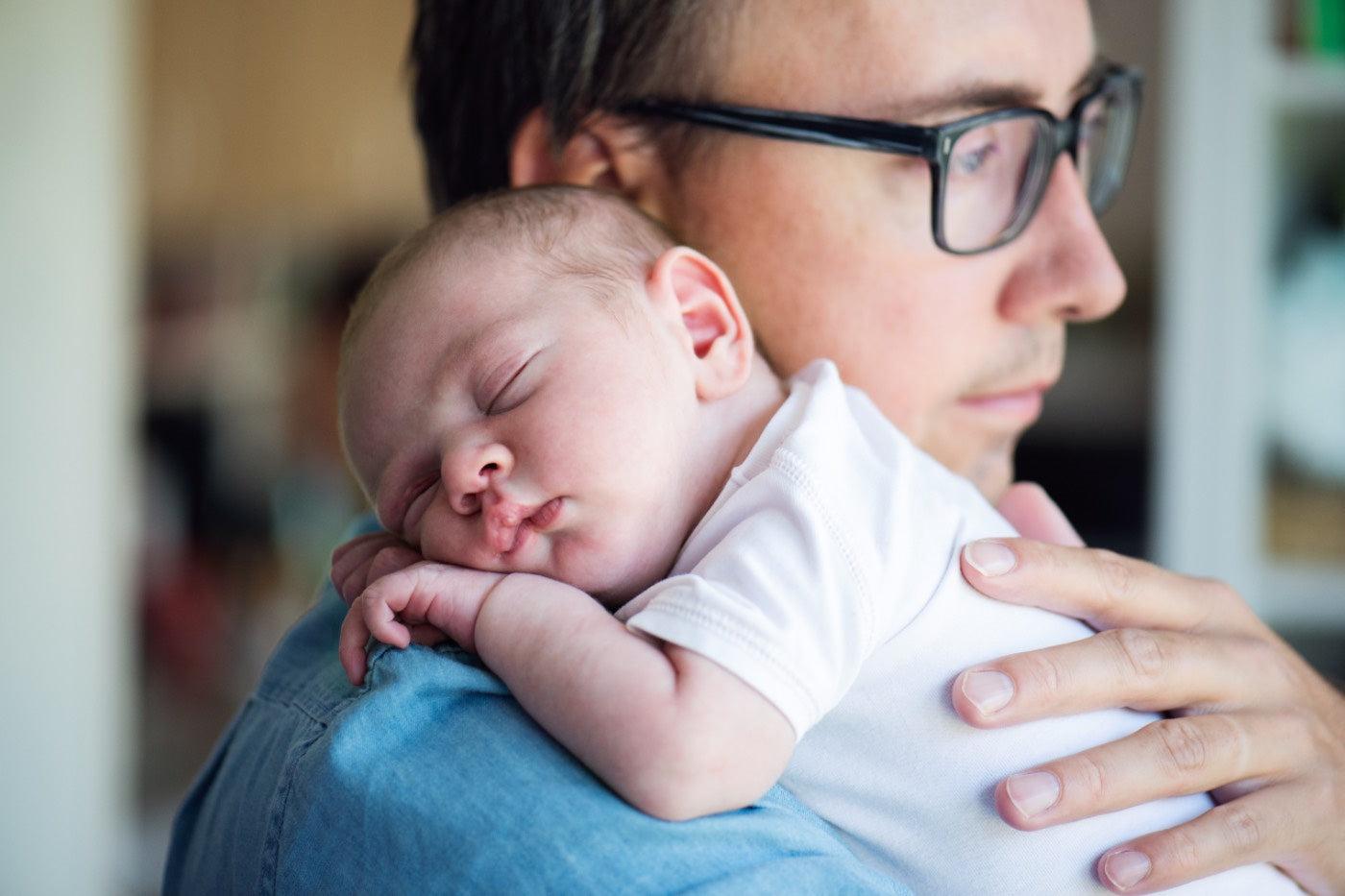
Postnatal depression is often attributed to the inevitable decline in pregnancy hormones that occurs after childbirth. But there is a gaping hole in that theory: Fathers and same-sex supporting parents face nearly the same risks for postnatal depression as their pregnant partners, according to the American Academy of Pediatrics (AAP). In fact, research shows that between 3 and 6 months postnatal, up to 25% of new fathers experience paternal depression. So, if pregnancy hormones are not to blame, what is behind this wave of new-dad depression? Here, we examine the science of male postnatal depression and offer some research-backed ways to tackle the problem head on.
What is paternal depression?
While paternal perinatal depression (PPD) is not yet classified as an official diagnosable psychiatric disorder, it is widely understood that PPD is when a new father experiences changes in mood and functionality within the first year after a baby is born, adopted, or added to the family. Paternal postnatal depression is sometimes referred to as paternal depression, male postnatal depression, or male postpartum depression.
Signs and Symptoms of Postnatal Depression in Dads
The signs and symptoms of postnatal depression in dads are not exactly the same as what a new mum would experience. Here are some of the common signs that a new father is experiencing paternal depression:
Anger, outbursts, or aggressive behavior- Avoidance and loss of interest in family life
- Compulsive exercise
- Excessive internet or video games use
- Increased or decreased interest in work
- Irritability
- Low motivation
- Physical symptoms, like digestion issues or head, muscle, and stomach aches
- Poor concentration
- Sexual problems
- Social isolation from loved ones
- Substance use
- Uptick in impulsivity or risk-taking behaviors
What causes male postnatal depression?
There are a variety of biological, psychological, and situational reasons a new dad may experience depression after welcoming a new baby into the family. Beyond a personal or family history of depression or other mental illness, here are some factors that may cause postnatal depression in dads:
Dip in Hormones
We all know that mums-to-be experience an uptick in hormone production during pregnancy, and then a subsequent dip after birth. But you may now know that expecting and new dads deal with hormone fluctuations, too. Dads-to-be and new fathers often experience a decrease in testosterone, which is thought to help boost father-child bonds. However, low testosterone levels have also been directly linked to symptoms of depression in men.
Partner’s Postnatal Depression
Postnatal depression is, in a way, contagious. Maternal postnatal depression is the “strongest direct predictor” of paternal postnatal depression. Moreover, it is been suggested that maternal depression increases the risk of paternal postnatal depression and anxiety by more than threefold. No matter who is suffering from postnatal depression, it can have a ripple effect, causing emotional strain for everyone close to a new baby.
Sleep Deprivation
Even though it seems like a no-brainer that a lack of sleep takes a toll on your mood, experts note that most new parents underestimate the pivotal role a lack of sleep can play in developing symptoms of depression. A 2021 report out of McGill University in Montreal found that poor perceived sleep quality among dads was clearly linked to an increase of severe depressive symptoms six months after birth. This was especially true for first-time fathers. Sleeping and crying issues with the baby can also increase the odds that a new dad will experience postnatal depression. (Did you know SNOO is the only infant sleep system shown to increase sleep by up to 2 hours each night?)
Provider Pressure
A new dad can feel intense pressure around finance, career, and other stereotypical gender roles once they are in the position to provide for their growing family. This phenomenon is called masculine gender role stress (MGRS) and research in the American Journal of Men’s Health suggests it increases vulnerability to both anxiety and depression in fatherhood.
Lack of Support
Not having that all-important village to help with the baby impacts everyone! A 2021 meta-analysis found that fathers with low levels of perceived support were twice as likely to develop depression compared with dads who reported higher levels of support.
New-Parent Learning Curve
The new practical skills and coping skills that go hand-in-hand with becoming a dad can be overwhelming to say the least. Research shows that when new dads have what is dubbed “low parenting self-efficacy” they are far more susceptible to paternal postnatal depressive symptoms. Translation: When new dads lack confidence in their ability to be an effective dad, they are at risk for new-dad depression. (Brush up on the 5 S’s for soothing babies before your baby arrives.)
Feeling Left Out
In general, mums tend to bond more quickly with their baby than dads. Studies indicate that most fathers enter parenthood expecting an immediate emotional bond with their newborns, but it can take up to two months for some dads to connect. That delay contrasted with the seemingly easy bond between mother and child can make new dads feel like a third wheel, which breeds depressive feelings.
The Problem with Suffering from Male Postnatal Depression in Silence
Dads tend to be especially reluctant to seek help for their postnatal depression. Many are too harried to prioritize their mental health. Their sleep deprivation can make it difficult to think clearly about their own needs. Plus, some dads and partners believe only the parent who gave birth deserves help. That is unfortunate, because when dads ignore their own mental health needs their depressive symptoms can worsen—and impact the whole family.
On the flip side, reducing new-dad depression can increase emotionally sensitive, responsive parenting, attachment, and support new parents’ relationships, according to a report in the journal Pediatrics. And it can also buffer the potential negative impact on your kiddo. A 2023 study in JAMA Network Open found that the children of dads with postnatal paternal depression have a 42% higher chance of developing depression themselves. Another study indicates that babies of depressed dads are more likely to lash out in their preschool years. In fact, paternal depression when a baby is 1 year old was associated with up to 18% more aggressive and delinquent behaviors at age 5.
Treatment for Postnatal Depression in Dads
Postnatal depression in dads is understudied (and undiagnosed), which means there are no randomized, controlled trials designed to evaluate treatments for new dads suffering with PPD...yet! But there are strategies that can offer relief. Paternal postnatal depression treatment can include cognitive behavioral therapy (either in-person or online) and/or medication, such as selective serotonin reuptake inhibitors (SSRI). In addition, the following have shown to help ease symptoms as well:
Get adequate sleep for you—and your baby.- Build a support network through friends, family, postnatal doulas, and organizations such as Postpartum Support International.
- Engage in regular exercise.
- Practice yoga, mindfulness, and/or daily meditation
- Expose yourself to daily morning light. This has been shown to possibly reduce PPD symptoms and improve sleep.
- Take parental leave if you can; it has been shown to have protective effects against depression.
- Flexible working hours may be protective as well.
- Have realistic infant sleep expectations—this has been shown to help buffer second-time dads from depression. (Dr. Harvey Karp on what newborn sleep really is like.)
Avvertenza: Le informazioni presenti sul nostro sito NON sono consigli medici per alcuna persona specifica o condizione. Sono solo intese come informazioni generali. Se avete domande o preoccupazioni mediche riguardo vostro figlio o voi stessi, si prega di contattare il vostro fornitore di assistenza sanitaria. Il latte materno è la migliore fonte di nutrizione per i neonati. È importante che, in preparazione e durante l'allattamento al seno, le madri seguano una dieta sana ed equilibrata. L'allattamento misto (seno e biberon) nelle prime settimane di vita può ridurre la produzione di latte materno e la decisione di non allattare al seno può essere difficile da invertire. Se decidete di utilizzare il latte artificiale per neonati, dovreste seguire attentamente le istruzioni.
Principali notizie






CONDIVIDI QUESTO ARTICOLO
SCELTE DEI GENITORI
Bestseller