PARENTS
Your First Period Post-Baby—What to Expect When Aunt Flo Returns
Now that you have had your baby, you may be wondering when your period is likely to return. The short answer is…it depends.

Scritto da
Dr. Harvey Karp
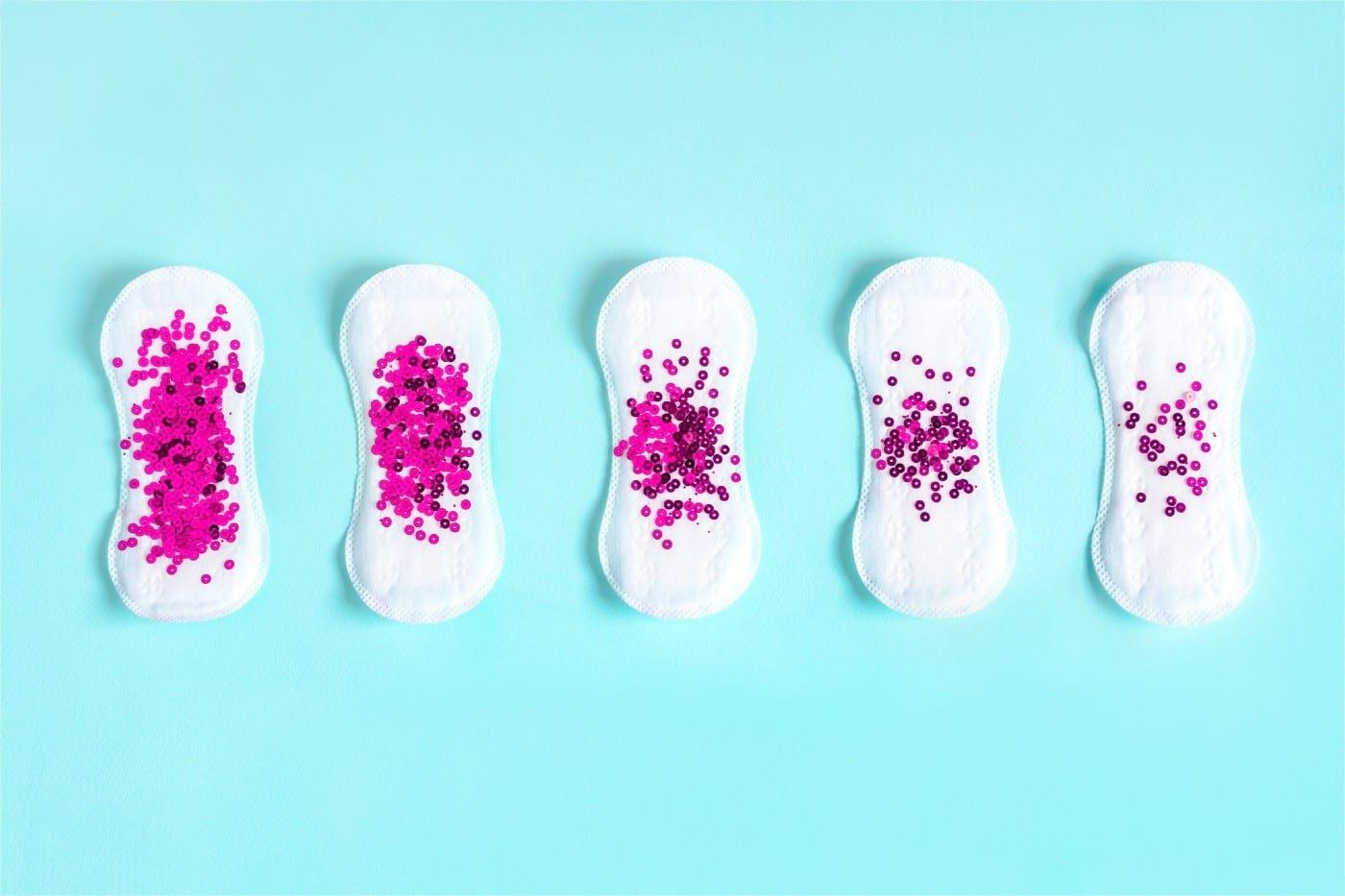
Pregnancy can have its challenges, but on the celebratory side, you are spared the menstrual cycle craziness of monthly mood swings, cramps, and bleeding. Of course, now that you have had your baby, you may be wondering when your period is likely to return. The short answer is…it depends.
How long does it usually take for periods to return after birth?
The timing of your first period postpartum depends on whether or not you breastfeed. If you are formula feeding, Aunt Flo should arrive about six to eight weeks after the big day. However, if you are exclusively breastfeeding—meaning, your baby drinks absolutely nothing but breastmilk (other than vitamins or medicine)—your period will likely be delayed. That is because prolactin, the hormone released during breastfeeding, delays the restarting of your ovulating. No ovulation = no period.
Some women will not get a period for the entire time they are breastfeeding. Others will get their period while they are still breastfeeding, particularly after they have introduced bottles of formula, solid foods or when baby starts sleeping through the night.
Can you get pregnant before you have a period?
Yes! Yes! Yes! Once your cycle comes back, you will ovulate two weeks before you get your first period, so you will have no advance warning that you are fertile! If you are not ready to get pregnant again, check out your birth control options. Hormonal birth control will not hurt your baby, but if they contain estrogen they may cause your milk supply to dip. Ask your practitioner about non-hormonal birth control methods including diaphragms, condoms, certain versions of the pill (progesterone-only pills do not reduce milk supply), and some IUDs, that are totally compatible with breastfeeding.
What will your first period after birth be like?
Brace yourself…the first period after giving birth is typically heavier than normal because there is extra blood in your uterine lining that needs to be shed. You may enjoy easier periods due to physical changes in the uterus and cervix, although some women experience stronger cramps.
Here is another surprise: After your first post-baby period, the next may show up early…or quite late. It can take a few months for your cycle to become regular again. Stash some period protection in your purse so you are not caught off guard. If you do get your period soon after giving birth, ask your doctor if it is safe to use tampons. Most women feel that pads are a better option until the vagina is completely recovered from delivery.
When should you see a doctor about your period?
Though that first period after baby can be a doozy, the flow should not be so heavy that you are going through one pad per 1-2 hours. Call your doctor if you are experiencing any of the following:
- Big blood clots: It is normal to see small clots in your first postpartum period, but if they are larger than a quarter or last for several days, it could be a sign of a thyroid problem, infection, fibroids, or polyps.
- Heavy flow, pain, and spotting: If you are experiencing heavy, painful periods or spotting between periods, you may have developed adenomyosis, which is a thickening of the uterine wall. While not usually dangerous, adenomyosis can be uncomfortable, particularly during sex. Do not be shy about asking your doctor or midwife. Depending on the severity, they may want to give you anti-inflammatory medications, hormones, or a minor surgical procedure.
- Prolonged heavy flow: Losing too much blood can cause anemia from iron deficiency. Low iron can make you feel tired, dizzy and irritable. Fortunately, the diagnosis and treatment are pretty simple: if your blood test shows low iron, your practitioner will give you iron supplements and vitamin C (Vitamin C helps your body absorb the iron).
- No period: If your period has not returned three months after giving birth or three months after stopping breastfeeding, talk to your practitioner. This is often totally normal, but there are two rare conditions that can cause your periods to disappear:
Sheehan’s Syndrome: Your pituitary gland was damaged during delivery, which disrupts your period. It is treated with hormone therapy.
Asherman’s Syndrome: The development of scar tissue in the uterus, often resulting from a D&C (dilation & curettage) procedure done after a miscarriage. Asherman’s can cause fertility issues, so a woman with this syndrome who wishes to become pregnant again may need a surgical procedure called an operative hysteroscopy.
Though you may wish your period would just stay away forever, remember that it is a sign of your body functioning normally after pregnancy. Practice self-care by getting plenty of rest, taking walks to relieve cramps, and snacking on healthy fats (hello, avocado toast!) and iron-rich lentils, prunes, meats, and foods cooked in a cast iron skillet.
Avvertenza: Le informazioni presenti sul nostro sito NON sono consigli medici per alcuna persona specifica o condizione. Sono solo intese come informazioni generali. Se avete domande o preoccupazioni mediche riguardo vostro figlio o voi stessi, si prega di contattare il vostro fornitore di assistenza sanitaria. Il latte materno è la migliore fonte di nutrizione per i neonati. È importante che, in preparazione e durante l'allattamento al seno, le madri seguano una dieta sana ed equilibrata. L'allattamento misto (seno e biberon) nelle prime settimane di vita può ridurre la produzione di latte materno e la decisione di non allattare al seno può essere difficile da invertire. Se decidete di utilizzare il latte artificiale per neonati, dovreste seguire attentamente le istruzioni.
Principali notizie






CONDIVIDI QUESTO ARTICOLO
SCELTE DEI GENITORI
Bestseller