BABY
Why Babies Stare
Who is looking at you? Your kid!

Scritto da
Dr. Harvey Karp
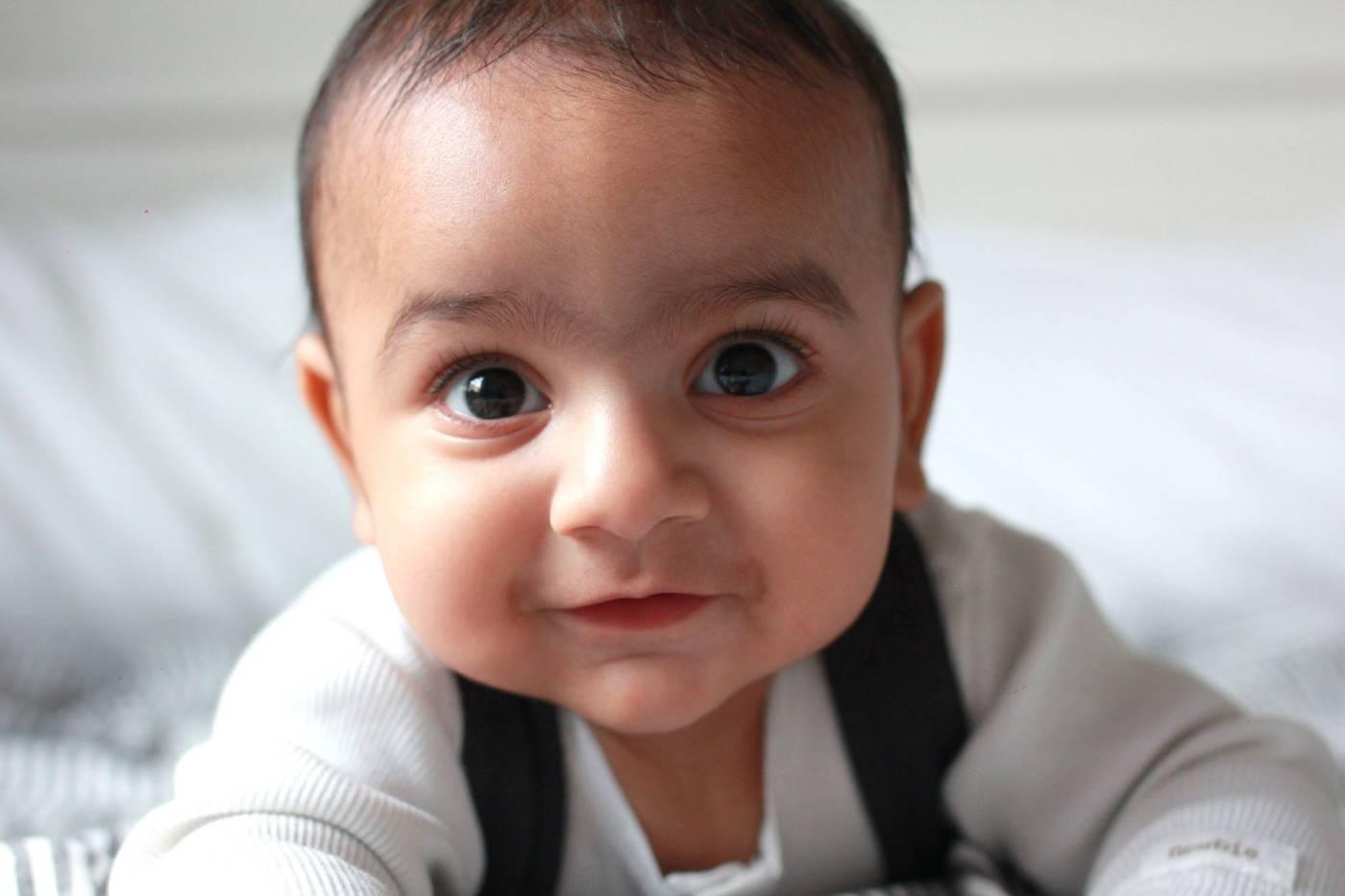
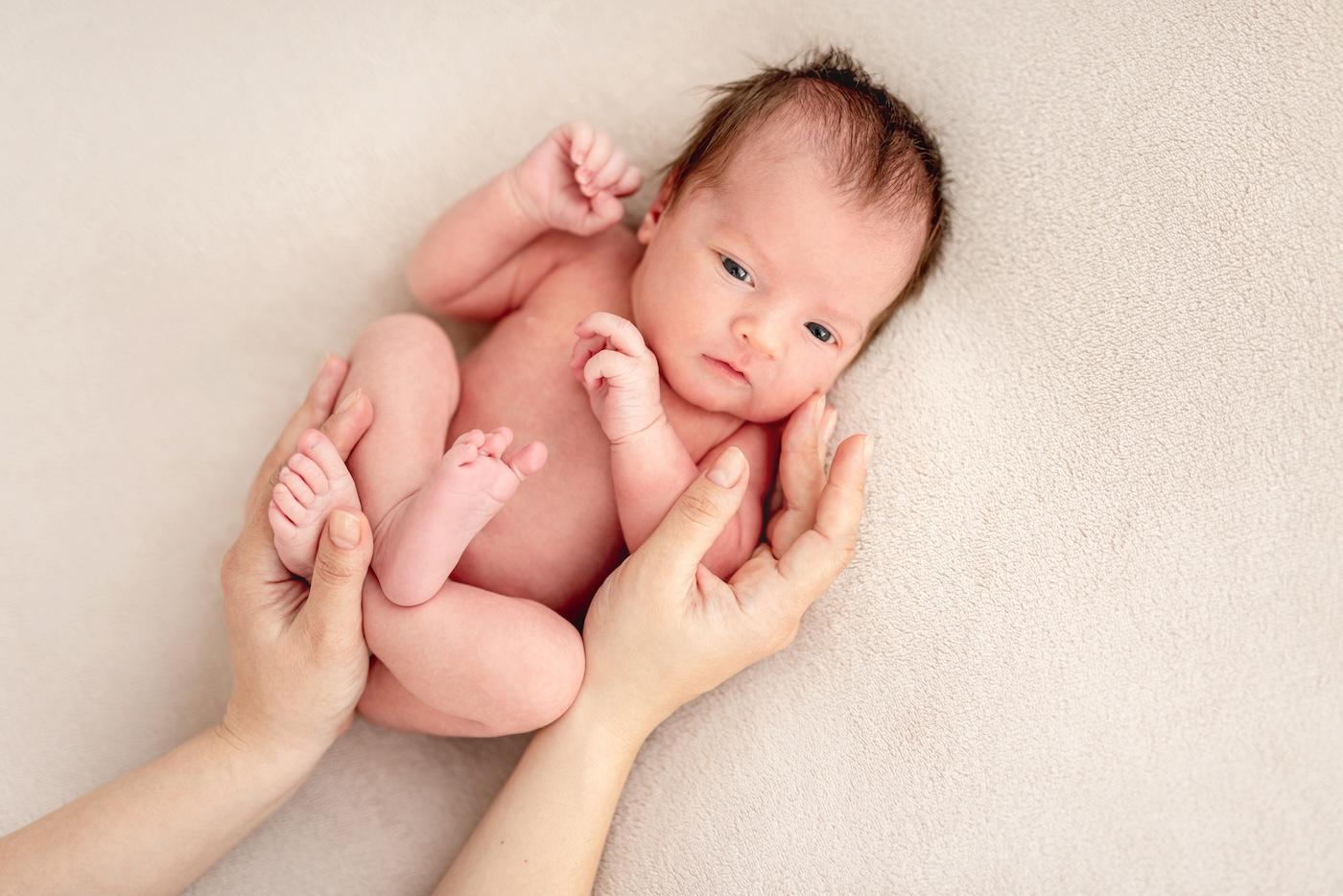
Who is looking at you? Your kid! Have you noticed that your little one will often fix their gaze on something for a stretch of time? Staring is a pretty common baby behaviour…and here is why!
Why Babies Stare
Babies stare to get to know you…and the world around them!
Babies are born with 20/200 vision—they focus really well on objects within 20 to 30 centimetres (which is exactly how far away your face is during feedings!). Beyond that, things get pretty blurry. Babies are fascinated by the movements of your eyes and lips and the amazing coincidence that when you move your mouth, sounds tumble out!
And they stare at the world as they try to make out all of the new and exciting sights around them. Your infant’s early days mark a burst of brain development—growing by about 1% every day in the first 3 months of life! So, it is safe to say that studying their surroundings is one way that babies begin to learn about the world.
Babies stare when they are tired.
Babies tend to stare when they are getting sleepy. They need to close their eyes, but they cannot quite give up looking at the exciting show all around them.
Babies stare because they are learning to communicate.
Babies are not quite able to smile and socially interact when they pop out. The dance of 'back and forth' usually takes a couple of months to really get rolling. So, during the early months, they are taking it all in—staring—much more than having a conversation with you.
Babies stare because you are interesting to look at!
Wondering why your baby is staring at you? Babies are naturally drawn to faces (especially their primary caregiver’s) and might be drawn to interesting features, like glasses or a bushy beard. Babies also stare when something is 'off.' For example, if you put your glasses on upside down, your 2-month-old may stare at you quizzically, trying to figure out what is different. (Much the way we look at a friend and notice that 'something is different'…like a new haircut.)
Babies stare when something has caught their eye.
At first, babies are particularly interested in high-contrast images. That is why your lovebug might fix their peepers on a black-and-white striped blouse…or on your eyes, where the white touches the darker iris. This is why parents are advised to use high-contrast black-and-white cards to capture their baby’s attention. (Babies are attracted to bright red, too—so do not be surprised if you see them ogling a shiny red toy.)
Around 3 months, your baby’s vision has gotten better, but they are still not great at shifting their focus from one object to another, which is why they may lock their peepers on one thing at a time. However, around this age they are increasingly interested in moving objects. So, they may set their gaze on objects in motion, like the whirling ceiling fan, a curtain flapping in the breeze, or the dog scratching with its hind legs.
When to Worry About Your Baby Staring
While staring is mostly normal baby behaviour, over 4 months this staring period usually ends. If you notice your child is staring into the cold for 20 to 30 seconds—especially if you cannot get their attention by speaking to them or waving in front of their face—ask your doctor if it might be a sign of a mild baby seizure.
Avvertenza: Le informazioni presenti sul nostro sito NON sono consigli medici per alcuna persona specifica o condizione. Sono solo intese come informazioni generali. Se avete domande o preoccupazioni mediche riguardo vostro figlio o voi stessi, si prega di contattare il vostro fornitore di assistenza sanitaria. Il latte materno è la migliore fonte di nutrizione per i neonati. È importante che, in preparazione e durante l'allattamento al seno, le madri seguano una dieta sana ed equilibrata. L'allattamento misto (seno e biberon) nelle prime settimane di vita può ridurre la produzione di latte materno e la decisione di non allattare al seno può essere difficile da invertire. Se decidete di utilizzare il latte artificiale per neonati, dovreste seguire attentamente le istruzioni.
Principali notizie






CONDIVIDI QUESTO ARTICOLO
SCELTE DEI GENITORI
Bestseller