BABY
Your Baby's First Smile
Brace yourself: Your baby’s first smile is all but guaranteed to melt your heart.

Scritto da
Dr. Harvey Karp

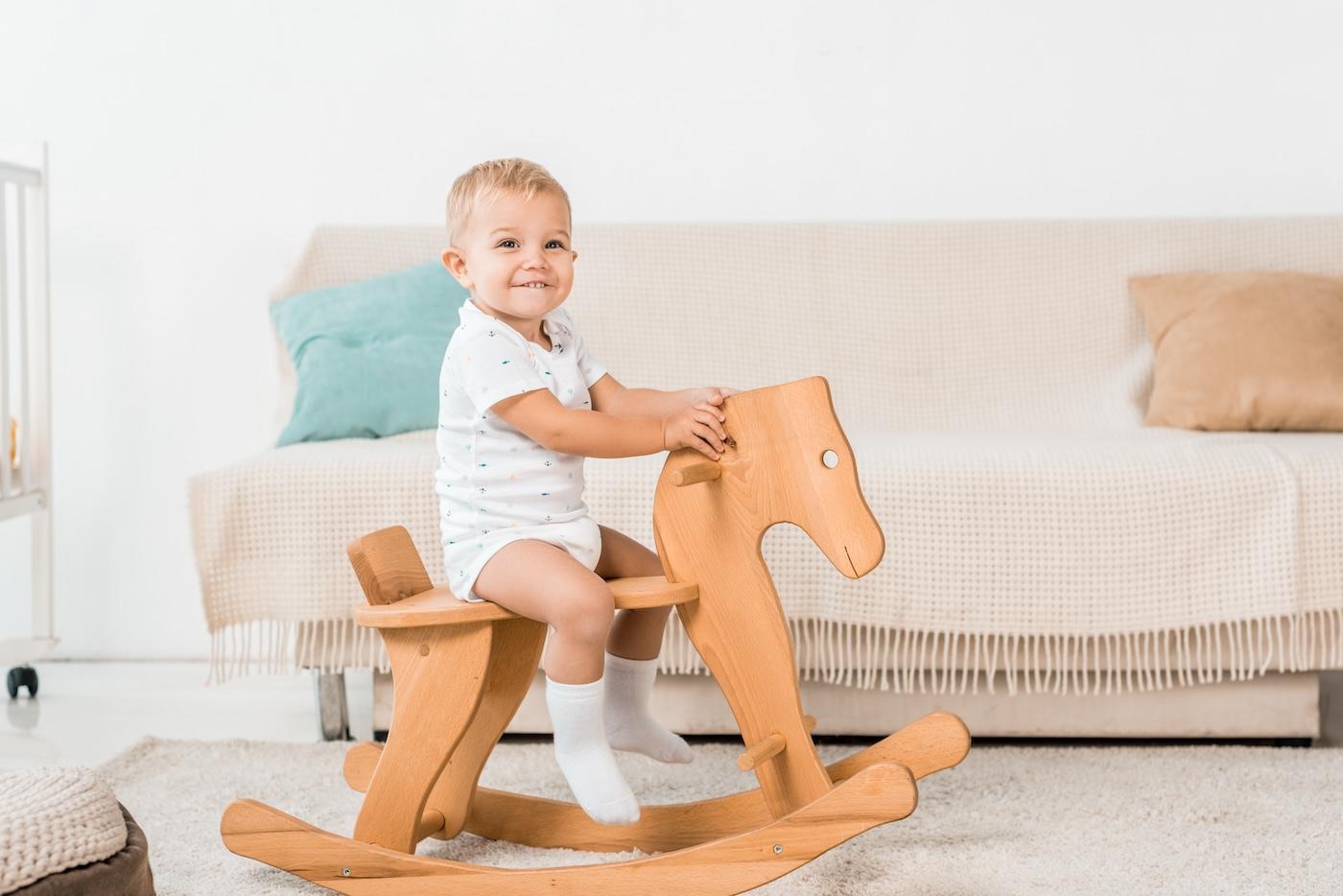
Brace yourself: Your baby’s first smile is all but guaranteed to melt your heart. Yes, those cuddly snuggles and the velvet softness and sweet scent of a new baby’s skin are precious—but there is nothing quite like a true grin to make those long nights and fussy moments all fade into insignificance. The good news is that these enchanting 'first smiles' are one of your baby’s very first milestones.
When do babies smile?
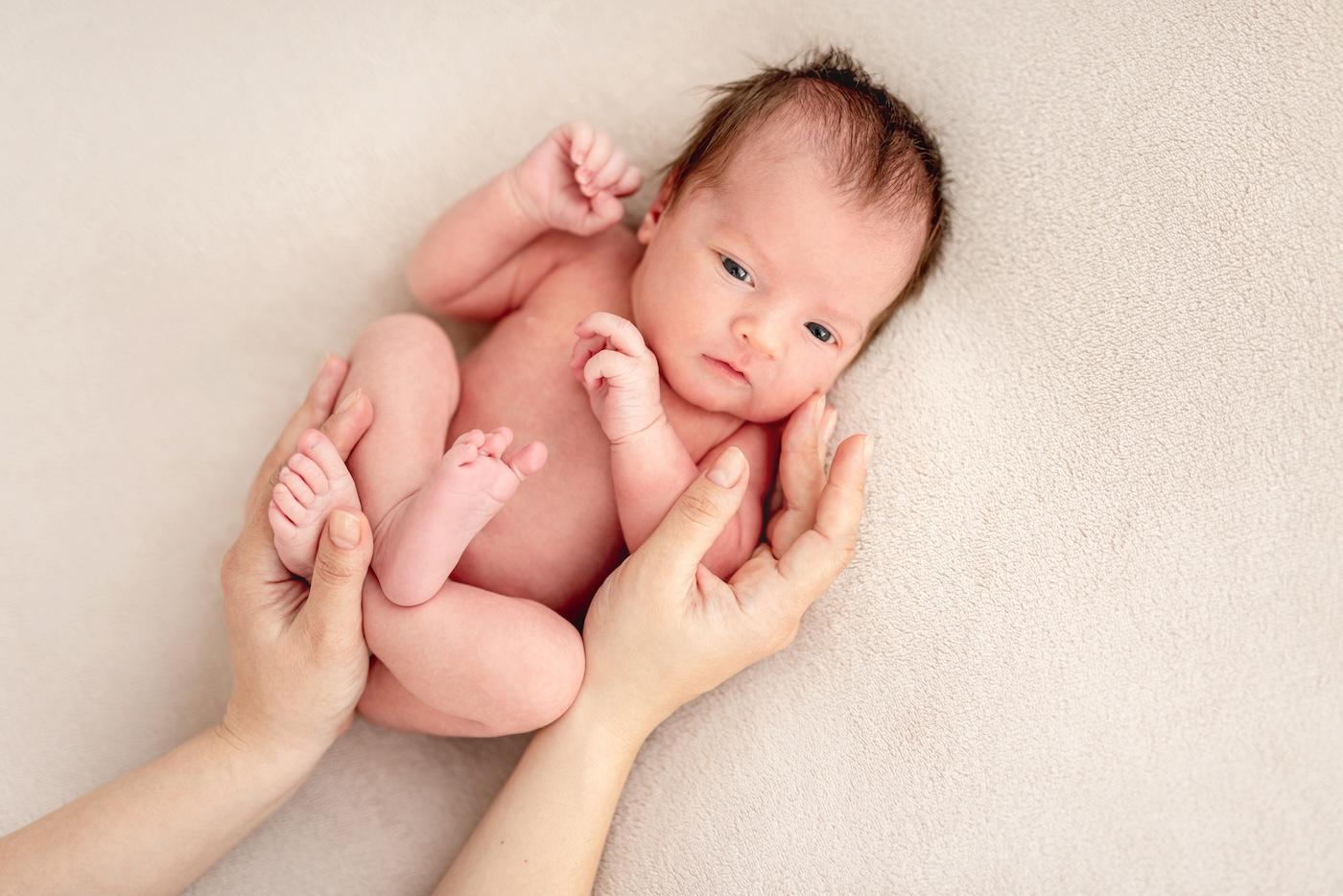
Your baby’s smile is a sign that their social skills are sprouting! You may have already caught a fleeting glimpse of a smile—from time to time. These early 'practice' smiles are totally Instagram-worthy, but they cannot compare to the true social smiles that babies tend to start generously sharing with you between 6 and 8 weeks of age.
Early on, the smiles may be 'blink and you will miss them' affairs. But over time, smiles become more consistent and predictable. And, by 2 to 3 months, your baby will start tossing flirty little grins every time your eyes engage.
The difference between these full-on happy faces and their previous 'smile-ettes' will be clear. Your baby is thrilled to see you! Smiles may now be sparked by anything from a happy noise (maybe Mama’s singing) to your dog’s approach. But the biggest reason your sweetie will smile? Getting loving attention from you! Just like in adults, a smile is an invitation to chat. It is an opening of the door, a signal to 'Come on in and be with me a while' and 'You’re so fascinating…please say more!'
How do I get my baby to smile?
If you want to convince your child to crack a smile, good timing can help. Most infants are happiest in the morning when they are rested, well-fed, and not overstimulated. Then, try a few things out: Make eye contact and smile to get the game started. No surprise there, the best trick for getting your baby to smile may be smiling at them yourself… Science proves that smiling is contagious, after all! Next, try singing a song (the sillier, more sing-song-y, and repetitive the better); gently tickle their ribs or chubby little thighs; or play peekaboo.
What if my baby is not smiling yet?
Most parents are eager to see their little one’s lips turn upward, so it is understandable if you are stressed about a seemingly slow smiler. First, know that it is rare for babies younger than 6 weeks to show true social smiles. Any amount of loving coaxing from you is not going to change that. Your bean simply needs more time to develop.
Next, you want to remember that, from the get-go, babies have unique temperaments. Some may be naturally quicker to show off a gummy grin while others are more quiet thinkers, stoically scanning the world around them.
When should I worry about my baby not smiling?
If you hit the 3-month mark without seeing a smile, bring it up with your paediatrician—it is possible there are other factors at play, such as hearing or vision impairments, or a developmental delay. Before your conversation, think about how much your baby responds to stimuli around them, how they communicate their feelings and needs, and whether they can focus their eyes on objects within close range and follow them as they move.
When it comes to baby milestones, there is a wide range of what is developmentally typical. By the nature of averages, that means many babies will hit these milestones before or after a certain point. So, try not to let your impatience steal your own smile.
Avvertenza: Le informazioni presenti sul nostro sito NON sono consigli medici per alcuna persona specifica o condizione. Sono solo intese come informazioni generali. Se avete domande o preoccupazioni mediche riguardo vostro figlio o voi stessi, si prega di contattare il vostro fornitore di assistenza sanitaria. Il latte materno è la migliore fonte di nutrizione per i neonati. È importante che, in preparazione e durante l'allattamento al seno, le madri seguano una dieta sana ed equilibrata. L'allattamento misto (seno e biberon) nelle prime settimane di vita può ridurre la produzione di latte materno e la decisione di non allattare al seno può essere difficile da invertire. Se decidete di utilizzare il latte artificiale per neonati, dovreste seguire attentamente le istruzioni.
Principali notizie






CONDIVIDI QUESTO ARTICOLO
SCELTE DEI GENITORI
Bestseller