BABY
What to Look for in Store-Bought Baby Food
Here is our guide to picking the perfect store-bought baby food for your love bug.

Scritto da
Gabrielle McPherson, MS, RDN, LDN
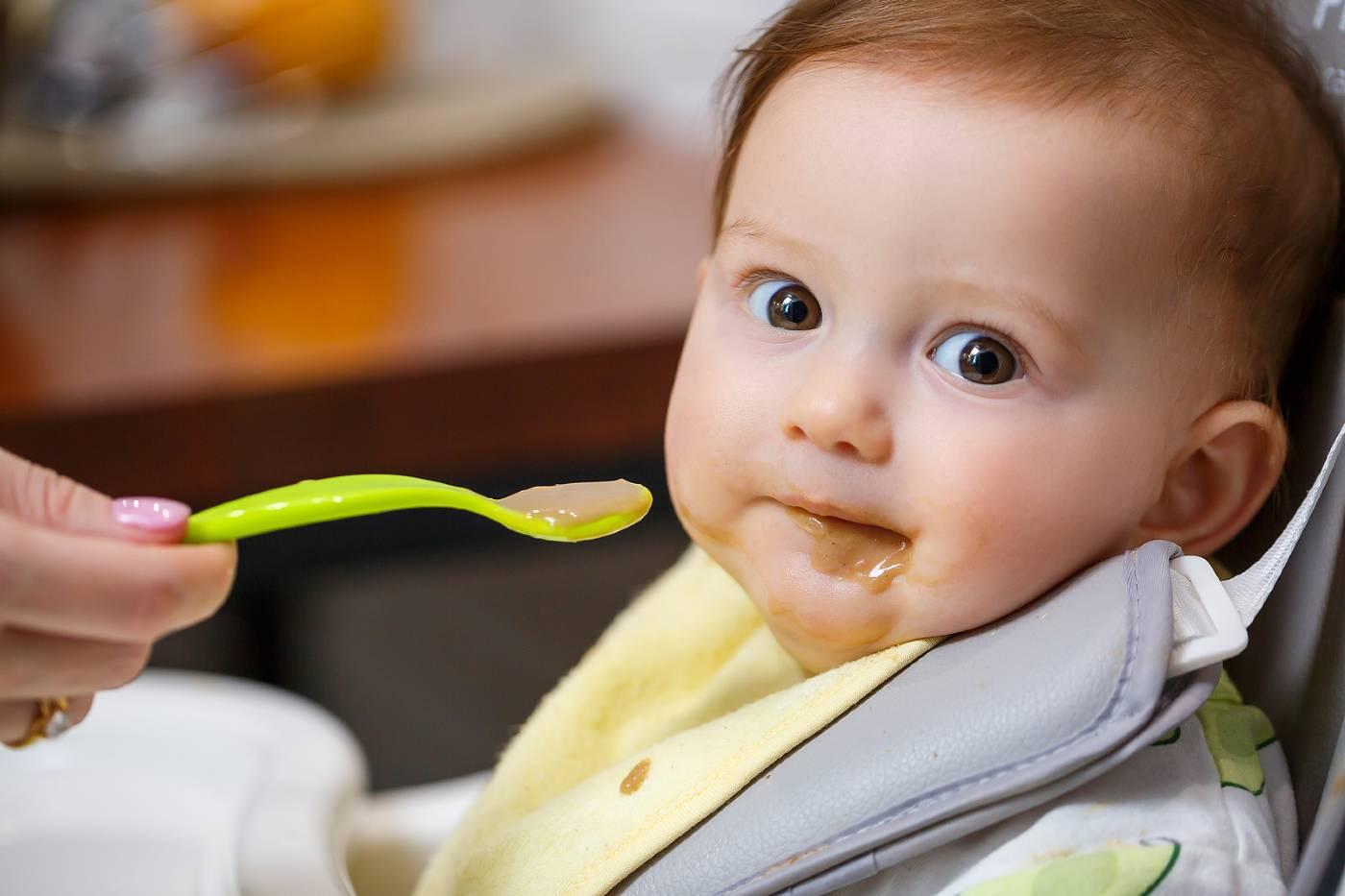
Between the easy make-your-own baby food advice out there, the newfangled baby meal subscription services, and all of the baby food jars and pouches that overcrowd grocery aisles, there are plenty of healthy and nutritious options to feed your baby these days. Relief! But it is still pretty daunting to figure out which baby food is best for your baby. For help on the store-bought baby food front, look no further! Here, our guide to buying the best store-bought baby food for your little one.
Baby Food Buying Guide Tip No. 1: Know the deal with heavy metals in baby food.
It is downright terrifying to read headlines about heavy metals found in store-bought baby food. The Food Standard Agency (FSA) frequently carries out surveys of infant diets to evaluate likely exposure from contaminants, including heavy metals and would not allow unsafe product to remain on the market. The levels of heavy metals found in baby food are low. And a 2022 study concluded that the heavy metals in baby food are unlikely to put your baby’s health at risk. Still, no one wants to feed their little one mercury, lead, cadmium, and arsenic along with their pureed peas and carrots!
To lower your baby’s risk of too much heavy metal exposure, be sure to offer a wide variety of food and avoid serving your baby rice cereal. Not only do rice products often contain high levels of arsenic, there is actually no need to feed your baby this classic first food. There are so many other grains out there that are low in heavy metals, high in fiber, and simply better for Baby than rice cereal, like barley, quinoa, and oatmeal.
Baby Food Buying Guide Tip No. 2: Get familiar with the baby food labels.
Reading baby food labels is a critical step in determining which baby food to buy for your precious child. Here are some basics to look for on each label:
- Check the first ingredient: If you are looking to buy, say, pureed pumpkin, make sure pumpkin is the first ingredient on the list. All food labels list ingredients in order of most amount to least amount.
- Ditch food with 'maskers': When you introduce your baby to new veggies, select store-bought baby food that does not hide the natural flavour with lots of sweeter ingredients. For instance, research shows that dark green veggie baby food is often mixed with fruit to sweeten the meal. This ensures your little one will not actually experiences the veggie’s real taste, which will not help them choose green leafies down the road.
- Whole foods trump juices: Make sure you see more whole food ingredients on the baby food label than juices.
- Seek sugar-free: There are natural sugars in lots of foods and those are a-okay. But, added sugars should be avoided. Look for store-bought baby food labeled “no sugar added.” (Pst: A 2019 study in the journal Nutrients found that baby food pouches were more likely to contain added sugars than jarred baby foods.)
- Find Stage/Months: Baby food is classified by stage or month and that is determined by things like the number of ingredients and the texture of the baby food. For instance, Stage 1 baby food is for little ones between 4 and 6 months old. These are single ingredient smooth purees. Stage 2 is for babies 6 to 8 months and are a little chunkier than puree and contain more than one flavour. Stage 3 is for older babies and are even chunkier.
Baby Food Buying Guide Tip No. 3: Make sense of baby food jargon.
All the acronyms that pepper baby food jars can be real head-scratchers. Here is help figuring it all out.
- Certified organic: Certified organic label means that the food meets specific standards around growing crops, the use of additives, and avoid the use of man-made fertilisers and pesticides. Right now, there is no research that finds organic baby food to be more nutritious than nonorganic. However, giving your baby organic baby foods will lower their exposure to chemicals and pesticides.
- GM foods: Genetically modified organisms, or GMOs, are lab-generated living organisms with altered genetics allowing them to grow faster and under various climate conditions. All GM foods must go through a safety assessment and be approved before they can be sold in the UK. GM crops cannot be grown without approval by the appropriate regulatory agency, DEFRA.
- BPA-Free: BPA stands for bisphenol-A and it is a harmful chemical found in plastic packaging that is especially damaging to infants and children. Currently, the UK adheres to the European Food Safety Authority (EFSA) BPA policy, which allows BPA to be used at certain levels. Today, many companies have BPA-free baby food packaging options available.
Baby Food Buying Guide Tip No. 4: Check the expiration date.
While we often hear about wiggle room when it comes to expiration dates on food, there is no wiggle room with baby food. It is always a good idea to simply throw out old, expired baby food. Check for expiration dates on the baby food in your cupboard and the baby food in the store. Sometimes stores fail to remove expired baby food from the shelves making it possible to purchase it accidentally. (PS: Jars generally keep food fresh longer than pouches.)
Baby Food Buying Guide Tip No. 5: Consider the jar over the pouch.
More baby food pouches are available than ever before. And, yes, they promote self-feeding and they are super portable…but relying solely on baby food pouches does your baby a disservice. Slurping purees through a pouch limits your little one’s ability to hone the healthy oral motor development they need to eat efficiently. Spoon-feeding, on the other hand, helps strengthen their mouth muscles. If you are already stocked up on baby food pouches, consider removing the contents and feeding it to your baby by spoon and saving the squeeze for out-and-about meals alone.
Baby Food Buying Guide Tip No. 6: Eat store-bought baby food safely.
Okay, so this is not about buying baby food, but this advice 100% applies to store-bought baby food: It is important to avoid feeding your baby straight from the baby food jar. Bacteria from your baby’s saliva can grow inside the baby food jar if you save it for another feeding. To reduce the risk of these unwanted bugs, always pour baby food into a separate baby-safe container before spoon-feeding.
Benefits of Store-Bought Baby Food
There are lots of benefits to making your own baby food, but there are also plenty of perks of going the store-bought route, like…
- Store-bought baby food is convenient. Though more costly than homemade baby food, ready-made baby food can save loads of time. (No steaming, chopping, or blending needed.) Plus, store-bought baby food is so easy to pack in a nappy bag before a healthcare provider's visit, a family road trip, a trip to the park…anything!
- Store-bought baby food has the right consistency. With store-bought baby food, there is no second-guessing your blending and pureeing skills, wondering if the sweet potatoes are smooth enough for your baby. Store-bought baby food will always be the right consistency, no matter what stage you are buying.
- Store-bought baby food has a longer shelf life. Another perk of purchasing baby foods in-store is their extended shelf life and ability to store well long-term. Store-bought baby food is helpful to have on hand, especially in food-related shortages or emergencies.
As with making your own baby food and breastfeeding—none of it needs to be all or nothing! You can choose one or the other—or you can do a combination of both. No matter what you choose, it is a good bet that your baby will be loved and well-fed, so do what works best for your baby and your family—guilt-free!
Avvertenza: Le informazioni presenti sul nostro sito NON sono consigli medici per alcuna persona specifica o condizione. Sono solo intese come informazioni generali. Se avete domande o preoccupazioni mediche riguardo vostro figlio o voi stessi, si prega di contattare il vostro fornitore di assistenza sanitaria. Il latte materno è la migliore fonte di nutrizione per i neonati. È importante che, in preparazione e durante l'allattamento al seno, le madri seguano una dieta sana ed equilibrata. L'allattamento misto (seno e biberon) nelle prime settimane di vita può ridurre la produzione di latte materno e la decisione di non allattare al seno può essere difficile da invertire. Se decidete di utilizzare il latte artificiale per neonati, dovreste seguire attentamente le istruzioni.
Principali notizie






CONDIVIDI QUESTO ARTICOLO
SCELTE DEI GENITORI
Bestseller












Di più su Baby

About Gabrielle McPherson, MS, RDN, LDN
Gabrielle McPherson, MS, RDN, LDN is registered dietitian in Missouri who specializes in community and pediatric nutrition. Gaby is passionate about encouraging families to eat well in simple, practical ways that are realistic...and delicious! When not working, Gaby loves cooking, baking, and making messes and memories with her sous-chef/preschooler Charlotte.