BABY
What is Object Permanence?
What do peek-a-boo and separation anxiety have in common? An important cognitive skill called object permanence.

Scritto da
Happiest Baby Staff
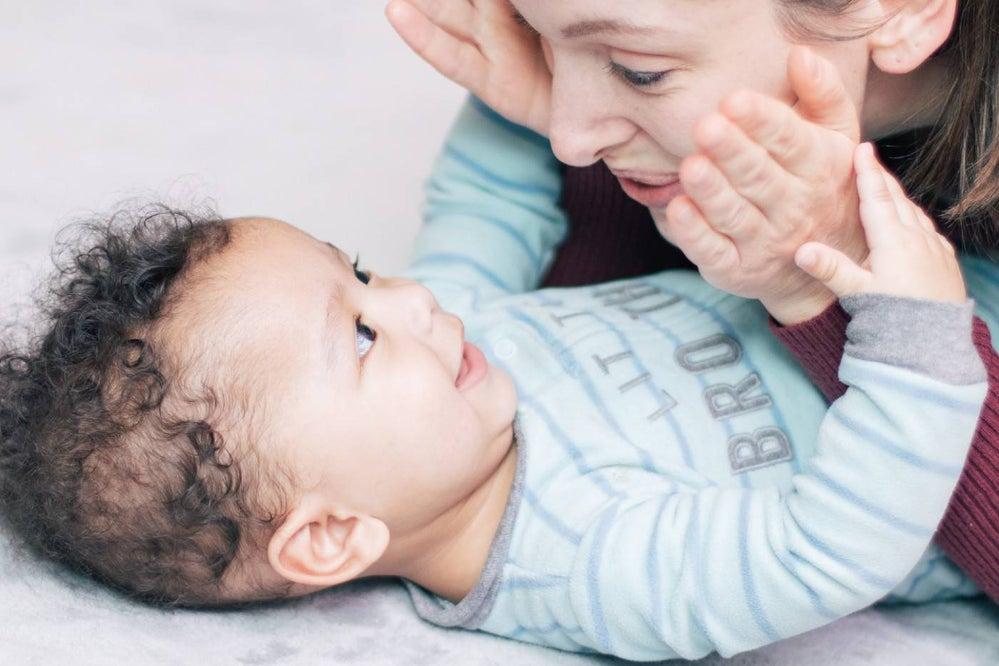
If a furry, four-legged creature runs behind the sofa, does it exist? What about a ball that rolls out of sight: Is that still here? And when Mummy leaves in the morning, will she be gone forever?
While grownups know that pets, toys, and parents remain even when out of sight, young babies are not too sure. In fact, it is not until your little one is about 8 months old that they learn that things they thought disappeared forever, really do not. This realisation is called object permanence.
What is object permanence?
In short, object permanence is your baby’s ability to learn that people and objects that seemingly vanish still exist…even if they can no longer see them. Before object permanence settles in, if you put one of your little one’s toys behind your back during playtime, they might become upset when they cannot see the toy anymore. (My choo-choo is gone forever!) Or, on the flip side, they might become totally disinterested and move on because, well, the toy is no longer here.
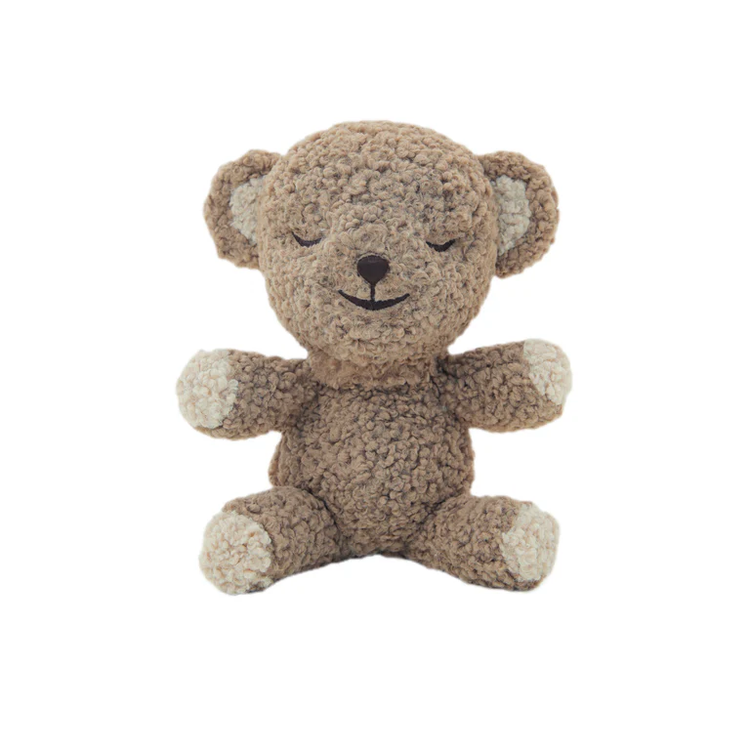
Somewhere around 8 months old, however, when, say, SNOObear disappears behind you, your baby’s reaction might change. The lightbulb has turned on! Your precious child realised that, yes, SNOObear went away, BUT it is somewhere. Then around 10 months, your baby will likely start to actively search for their beloved missing bear, craning their head to find out where their favourite lovey is hiding.
Why is object permanence important?
Object permanence is a critical part of your baby’s cognitive development. It is the very start of what is called symbolic thought, which is the ability to conjure up an image of something that is not physically in front you. Without understanding object permanence, your sweet child would not be able to move on to more advanced milestones, such as imaginative play, learning how to talk, and creating memories.
When do babies develop object permanence?
Before your baby can get their burgeoning brains around object permanence, they need to first learn that things exist. This is what is called object identity. Object identity means that your child can see an object—for instance, a rattle—have it taken away, and then be able to recognise the rattle when it comes back. Object identity for familiar caretakers kicks in around 2 months of age. Soon after, your baby can identify their favourite objects.
While there is no set-in-stone age when your baby will grasp object permanence, it typically happens when they are around 8 months old, though some believe it can start between 4 and 7 months. But it is really better to think of object permanence as a work in progress, especially since object permanence is something that your 10- to 12-month-old baby is likely still working on.
How do babies learn object permanence?
Once your baby understands object identity, you can help them develop their object permanence through fun activities. Try playing a rousing game of peek-a-boo by covering your face with your hands or putting a light scarf over your baby’s face and quickly pulling your hands or scarf away. You can also hide toys under a blanket and ask your baby to try to find them…or play with an old-school jack-in-the-box. Another way you can help your baby learn object permanence is by talking to them when you leave the room. This way, they still hear you and know you are there without seeing you.
As your baby starts to realise that objects (and people!) exist after they disappear, they may get upset when you leave them. Sure, your baby may know that you still exist when you walk out the door, but now they are troubled because they understand that you are not available to them. After all, your child does not yet understand the concept of time—who knows when you will return! (Cue possible separation anxiety.)
This is an exciting time for your baby! They are going through a lot of changes…and trying to understand the world around them. But it is important to remember that all babies develop a little bit differently. While object permanence is expected to develop around 8 months, many start to grasp the concept earlier or later than this. Talk to your baby’s healthcare provider if you have concerns about their development.
Avvertenza: Le informazioni presenti sul nostro sito NON sono consigli medici per alcuna persona specifica o condizione. Sono solo intese come informazioni generali. Se avete domande o preoccupazioni mediche riguardo vostro figlio o voi stessi, si prega di contattare il vostro fornitore di assistenza sanitaria. Il latte materno è la migliore fonte di nutrizione per i neonati. È importante che, in preparazione e durante l'allattamento al seno, le madri seguano una dieta sana ed equilibrata. L'allattamento misto (seno e biberon) nelle prime settimane di vita può ridurre la produzione di latte materno e la decisione di non allattare al seno può essere difficile da invertire. Se decidete di utilizzare il latte artificiale per neonati, dovreste seguire attentamente le istruzioni.
Principali notizie






CONDIVIDI QUESTO ARTICOLO
SCELTE DEI GENITORI
Bestseller