BABY
What’s the Newborn Scrunch?
Here’s the scoop about this adorable reflex.
Scritto da
Happiest Baby Staff

Have you ever scooped up your bub and noticed their tiny legs tuck in, arms curl up, and body fold into a sweet little ball? That adorable pose is what many parents lovingly call the “newborn scrunch.” It’s a completely normal (and completely irresistible!) part of your newborn’s early development. But what exactly causes the newborn scrunch—and when does it fade? We’ve got the lowdown!
What is the newborn scrunch?
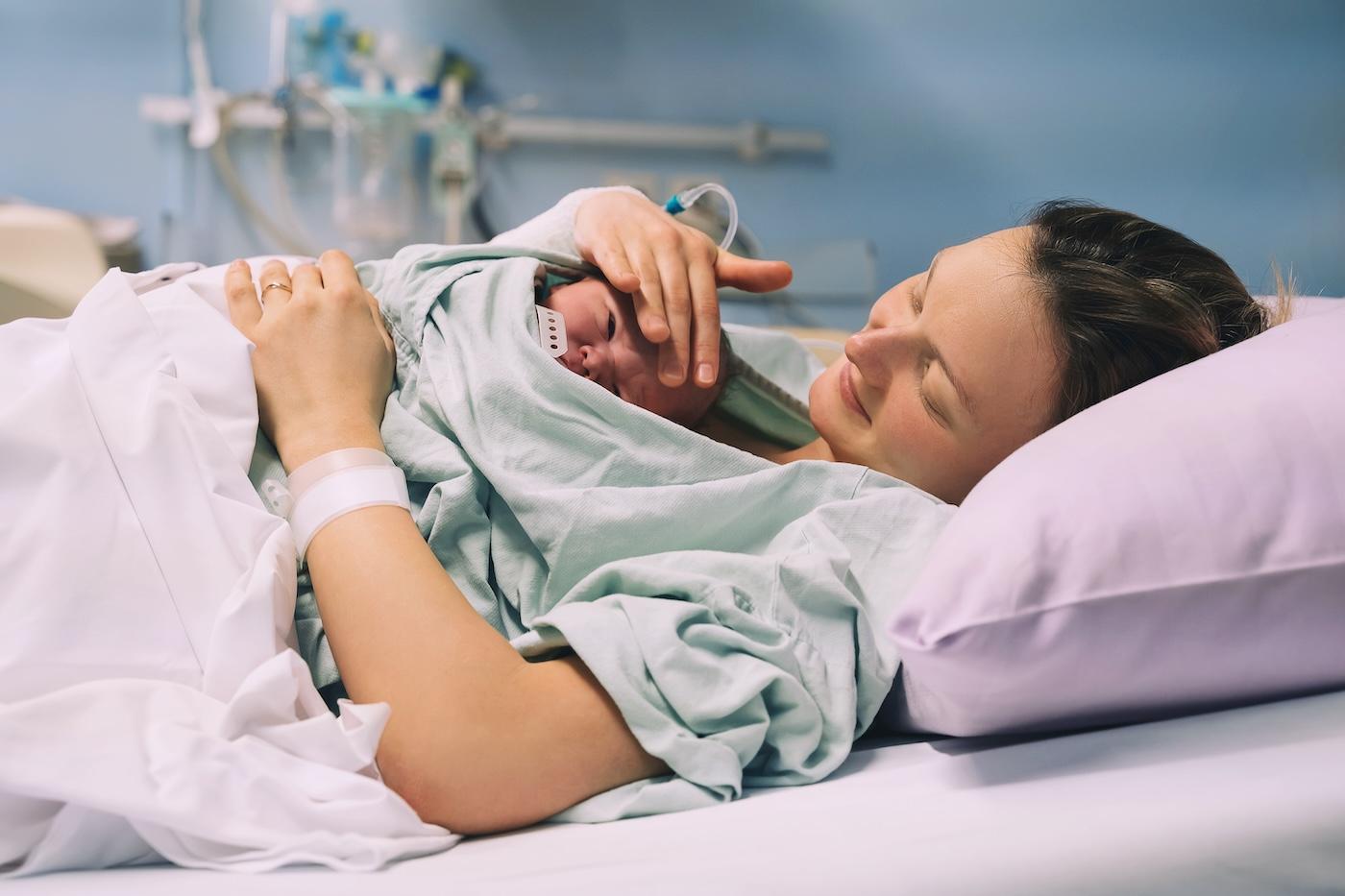
The newborn scrunch is that curled-up, compact posture babies often assume when you pick them up, lay them on your chest, or cuddle them close. Their legs draw up toward their tummy, arms bend in, fists clench, and sometimes their head tucks in a little, too.
It’s not a sign that your baby is uncomfortable or upset. In fact, the scrunch is one of your little one’s very first “default settings.” Think of it as your newborn’s go-to pose, shaped by months of snuggly life in the womb.
Why does the newborn scrunch happen?
Your baby spent roughly 40 weeks tucked inside the cosy confines of your uterus. In that warm, watery world, there wasn’t much space to stretch out! So, as your baby grew, they naturally settled into a fetal position—with a curved back, tucked limbs, and a snug little body.
That position doesn’t just disappear at birth. Instead, your newborn carries that familiar, comforting pose into the outside world. That’s the newborn scrunch! It’s part of something known as physiological flexion—a natural state of muscle tone in newborns that helps them stay curled up in that comfy shape.
Is the newborn scrunch normal?
Absolutely! The newborn scrunch is a totally normal part of healthy newborn development. It’s especially noticeable in the early weeks of life and is a reassuring sign that your baby’s nervous system and muscles are developing as they should.
In fact, doctors and paediatric physiotherapists look for flexion when assessing newborns. It’s one of the main indicators that your little one has good muscle tone and is neurologically healthy.
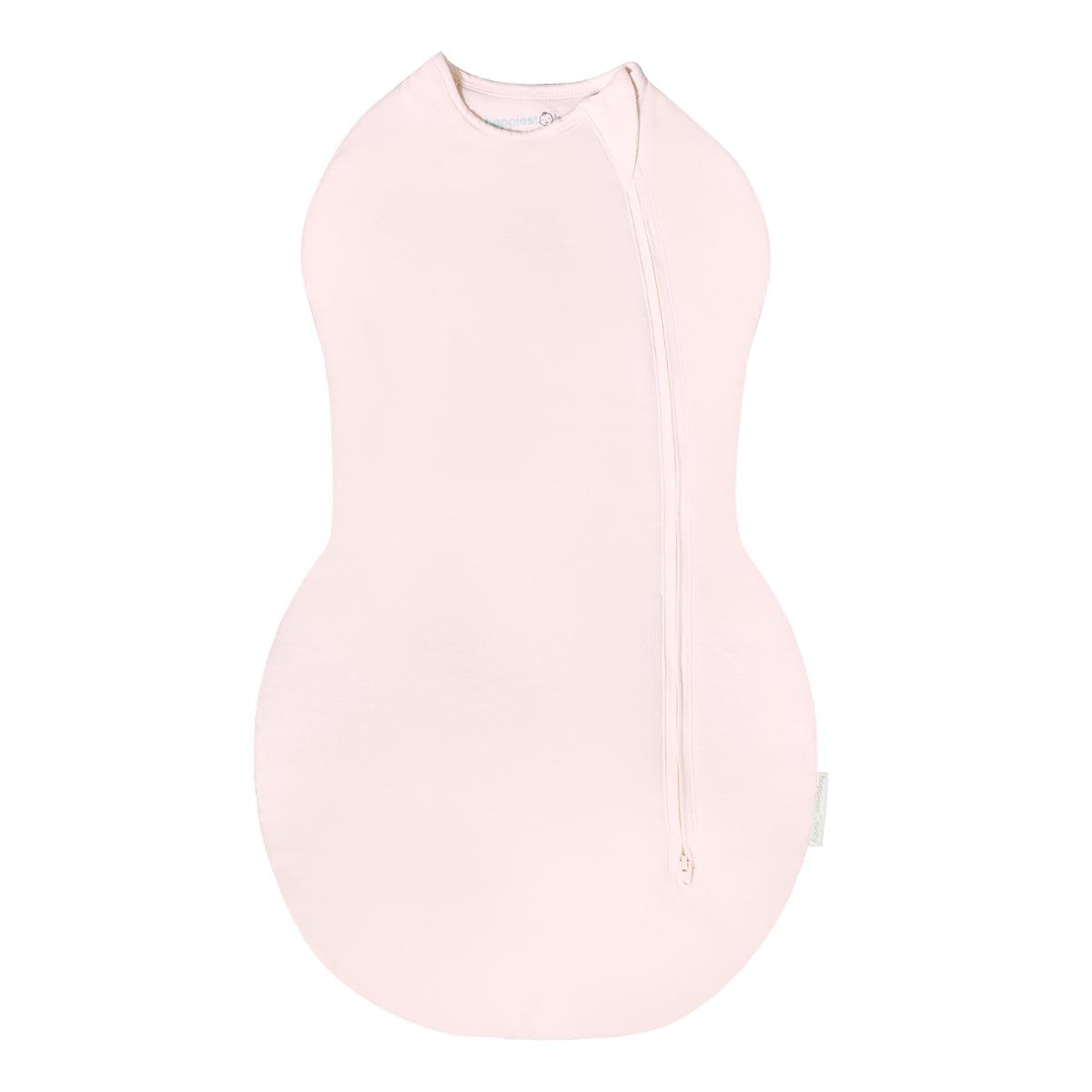
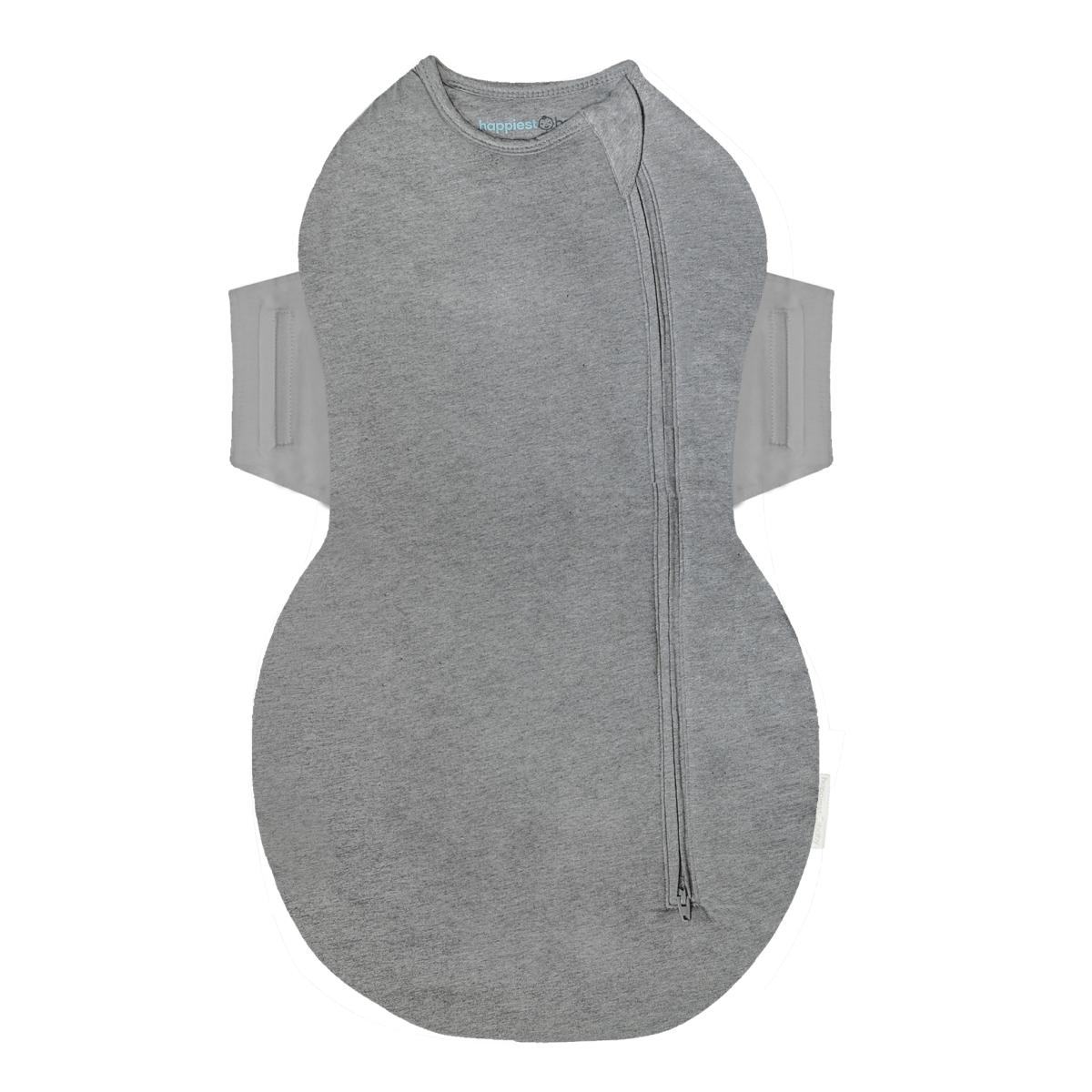
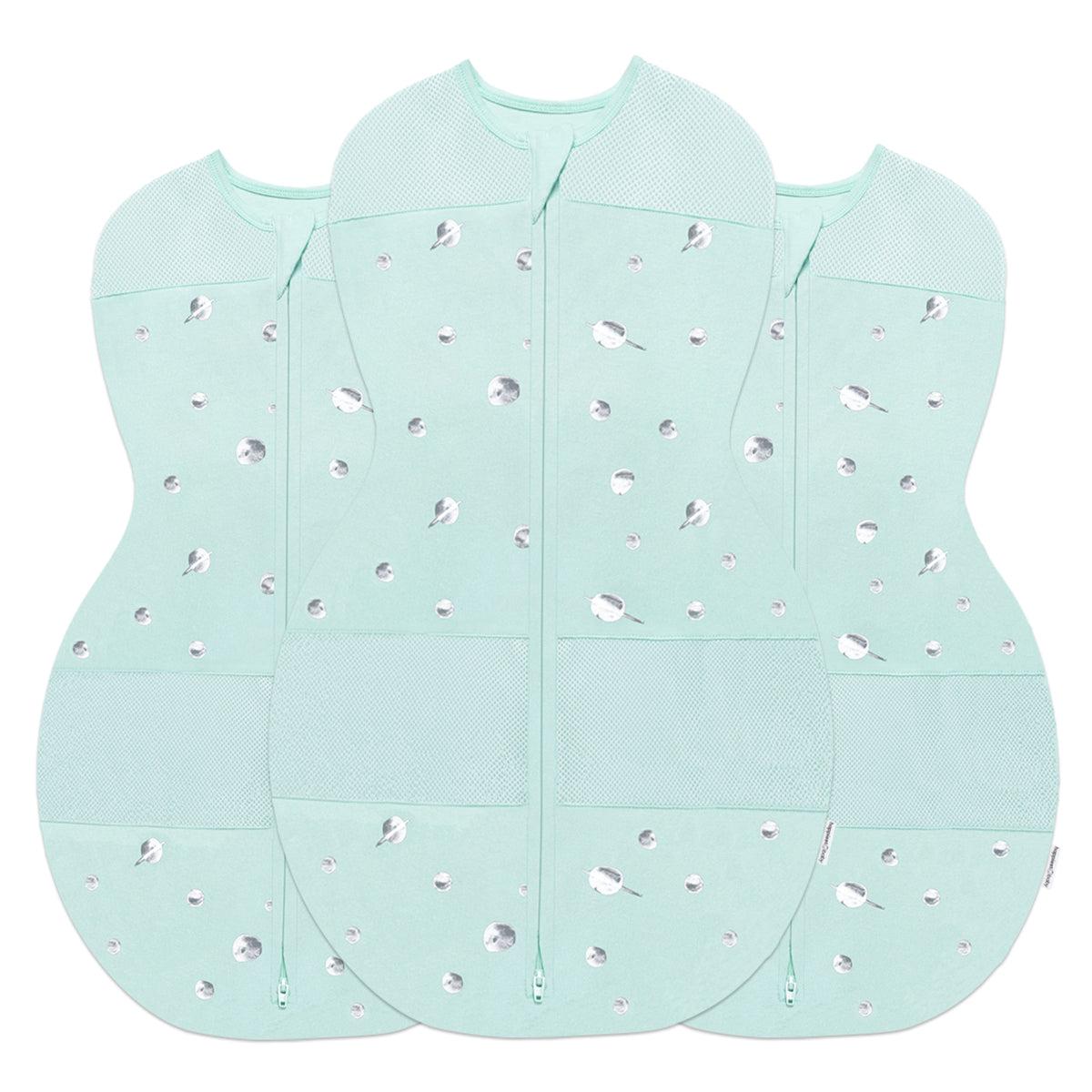
And here’s the best bit: The scrunch isn’t just adorable—it serves a purpose! That flexed-up posture can help babies feel secure. It’s one of the reasons swaddling works so well. Wrapping your bub snugly in a swaddle mimics the womb’s cosiness—and supports that natural curled-up pose babies love. (Check out the best swaddles for newborns!)
When does the newborn scrunch go away?
Like many baby reflexes and newborn behaviours, the scrunch gradually eases as your baby grows and gains more control over their body. Around 6 to 8 weeks, you’ll probably notice your baby beginning to stretch out more. Their limbs will extend more freely, movements will smooth out, and they’ll spend less time in that tightly curled pose.
By around 2 to 3 months, most babies move on from the scrunch as they reach exciting motor milestones like lifting their head during tummy time, reaching out with their arms, and kicking those little legs with gusto.
When to Speak to Your GP About the Newborn Scrunch
While the newborn scrunch is generally nothing to worry about, it’s always wise to have a chat with your GP or child health nurse if:
- Your baby seems unusually stiff or floppy
- One side of their body is noticeably more curled or active than the other
- They’re not gradually stretching out by 2 to 3 months
- You have any concerns about their movement or muscle tone
These may be signs of something that could benefit from early support. The great news? Most movement-related concerns in babies can be managed very well with the right guidance and intervention.
Final Thoughts on the Newborn Scrunch
That cosy little curl your baby makes when you scoop them up? It’s one of the sweetest—and most normal—parts of newborn life. The newborn scrunch is your baby’s way of adjusting to the big, open world after months in the womb. And while it doesn’t stick around forever, it’s one of those fleeting baby quirks that parents cherish for a lifetime.
***
REFERENCES
- University of California San Francisco: Do Babies Move Like Us?
- American Academy of Pediatrics: Newborn Physical Appearance
- Centers for Disease Control and Prevention: Important Milestones: Your Baby at 2 Months
- Medline Plus: Infant - Newborn Development
Avvertenza: Le informazioni presenti sul nostro sito NON sono consigli medici per alcuna persona specifica o condizione. Sono solo intese come informazioni generali. Se avete domande o preoccupazioni mediche riguardo vostro figlio o voi stessi, si prega di contattare il vostro fornitore di assistenza sanitaria. Il latte materno è la migliore fonte di nutrizione per i neonati. È importante che, in preparazione e durante l'allattamento al seno, le madri seguano una dieta sana ed equilibrata. L'allattamento misto (seno e biberon) nelle prime settimane di vita può ridurre la produzione di latte materno e la decisione di non allattare al seno può essere difficile da invertire. Se decidete di utilizzare il latte artificiale per neonati, dovreste seguire attentamente le istruzioni.
Principali notizie






CONDIVIDI QUESTO ARTICOLO
SCELTE DEI GENITORI
Bestseller