BABY
Your Baby’s Incredible Ability to Learn
How and what babies really learn.

Scritto da
Dr. Harvey Karp
For the first few weeks, these abilities pretty much restrict your baby’s daily activities to eating, looking, sleeping, peeing, and pooping.
Yet, as limited as your baby’s brain is, it has one more truly surprising talent…the ability to learn!
Babies’ Innate Ability to Learn
Our little ones begin to recognise the voices and music they hear in the womb. And after birth, babies quickly learn to distinguish the scent of their mum’s milk from another mum’s. They also learn to coo and squirm the moment they see Dad’s smiling face…even before his tickling fingers start poking them.
The way babies learn—sifting through and filing away each day’s huge silo full of new experiences—is probably why they have five times more REM sleep than we do.
Since babies are such great learners, you would think that they should be able to learn to sleep better. In fact, they can! Teaching your baby good sleep cues is key to helping her snooze better!
How to Help Your Baby Learn:
- Infant Activities for 0- to 6-month-olds
- Infant Activities for 6- to 12-month-olds
- Sensory Activities for Babies and Toddlers
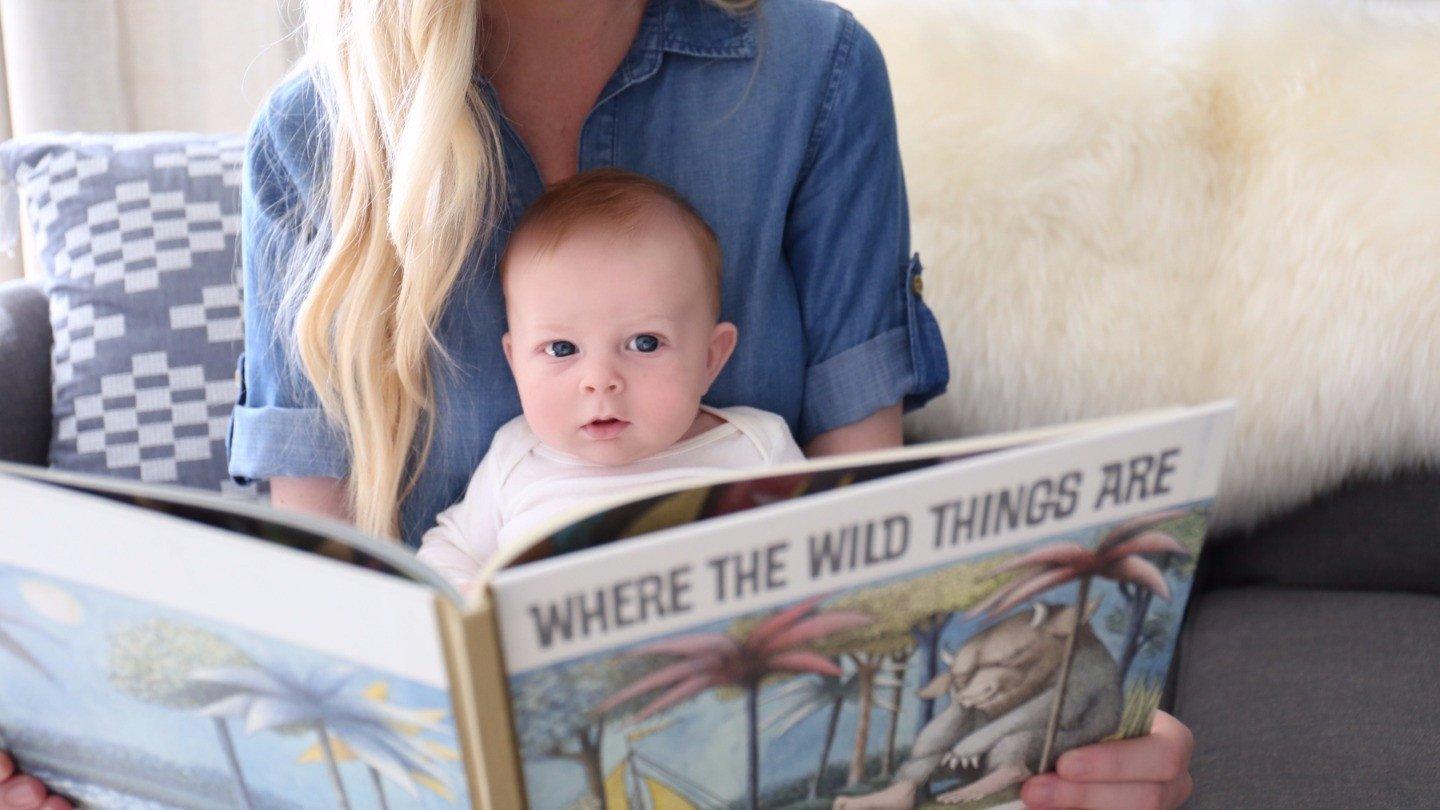
- Best Books for a Baby’s First Year
- Bilingual Baby Books
Avvertenza: Le informazioni presenti sul nostro sito NON sono consigli medici per alcuna persona specifica o condizione. Sono solo intese come informazioni generali. Se avete domande o preoccupazioni mediche riguardo vostro figlio o voi stessi, si prega di contattare il vostro fornitore di assistenza sanitaria. Il latte materno è la migliore fonte di nutrizione per i neonati. È importante che, in preparazione e durante l'allattamento al seno, le madri seguano una dieta sana ed equilibrata. L'allattamento misto (seno e biberon) nelle prime settimane di vita può ridurre la produzione di latte materno e la decisione di non allattare al seno può essere difficile da invertire. Se decidete di utilizzare il latte artificiale per neonati, dovreste seguire attentamente le istruzioni.
Principali notizie






CONDIVIDI QUESTO ARTICOLO
SCELTE DEI GENITORI
Bestseller