BABY
Baby's One Month Milestones
You might think there’s not much a 1-month-old can do…but you would be surprised!

Scritto da
Happiest Baby Staff

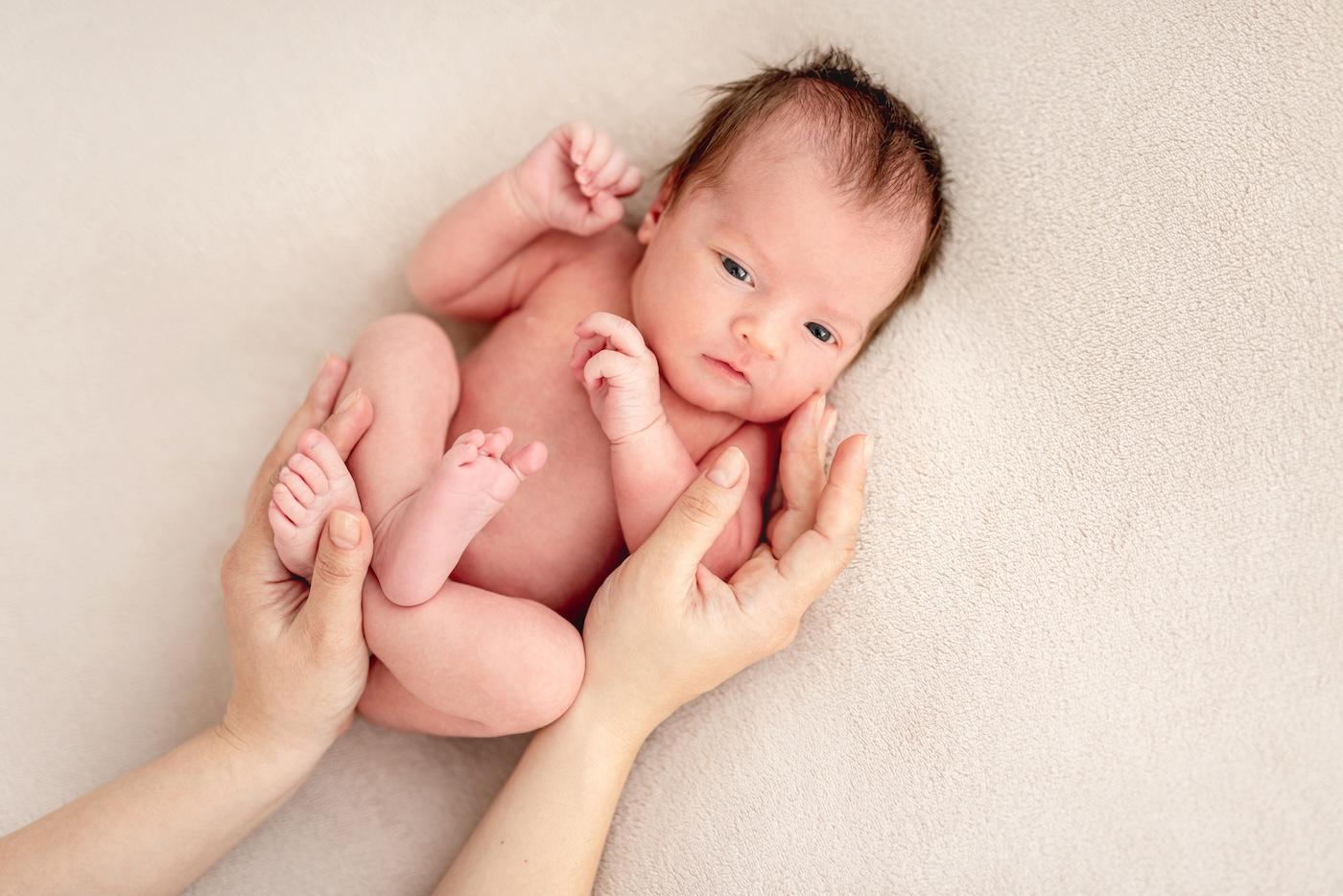
You might think there’s not much a 1-month-old can do…but you would be surprised! Your little one is busy at work developing new skills.
For example: did you know that babies can copy your facial expressions when they’re just a few days old? Try it out! An easy one to start with is an exaggerated surprised face with an open mouth.
They’re also able to bring their hands to their face and make arm movements, though the arm movements are uncontrolled this early on (and sometimes they whack themselves in the face because they don’t have motor control yet—ouch!).
At one month old, babies can begin to track moving objects even though their vision is still fuzzy. They can see best when you’re close to them or when the object you’re showing them is high-contrast (black, white, or red).
They can also recognize the scent of their mother. Research suggests that babies can smell the difference between their mother’s milk and someone else’s within the first few days of life! These strong olfactory senses are probably evolution’s way of helping keep little ones safe, and guiding them to the breast to promote feeding. And if you’re using bottles or formula, their sophisticated sense of smell will still help promote bonding and feeding. Within the first week babies can also smell and recognize their mother’s sweat, so being near you is just as exciting and important!
Avvertenza: Le informazioni presenti sul nostro sito NON sono consigli medici per alcuna persona specifica o condizione. Sono solo intese come informazioni generali. Se avete domande o preoccupazioni mediche riguardo vostro figlio o voi stessi, si prega di contattare il vostro fornitore di assistenza sanitaria. Il latte materno è la migliore fonte di nutrizione per i neonati. È importante che, in preparazione e durante l'allattamento al seno, le madri seguano una dieta sana ed equilibrata. L'allattamento misto (seno e biberon) nelle prime settimane di vita può ridurre la produzione di latte materno e la decisione di non allattare al seno può essere difficile da invertire. Se decidete di utilizzare il latte artificiale per neonati, dovreste seguire attentamente le istruzioni.
Principali notizie






CONDIVIDI QUESTO ARTICOLO
SCELTE DEI GENITORI
Bestseller