TODDLER
When Do Toddlers Stop Napping?
Learn the early signs that the nap is waning.

Écrit par
Dr. Harvey Karp
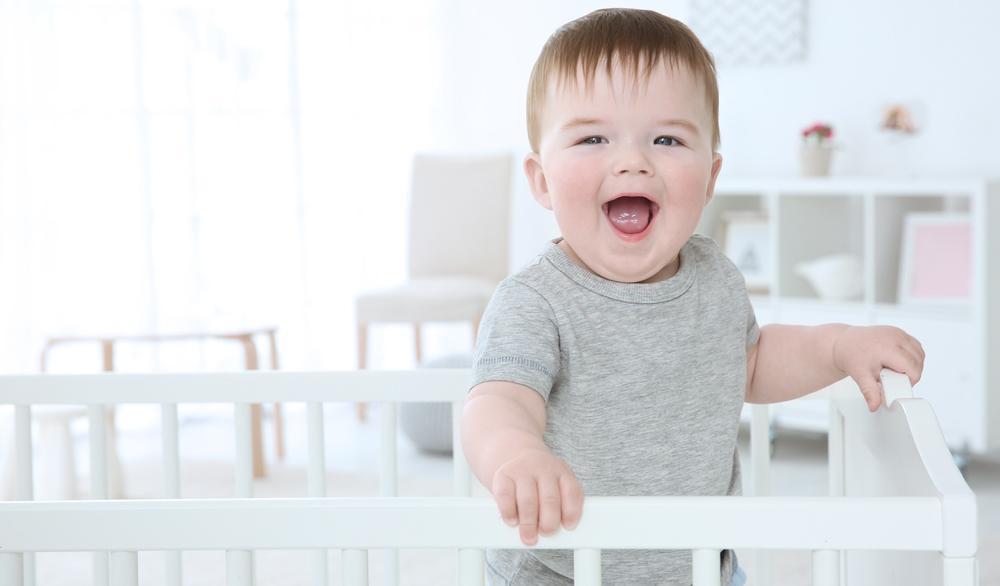
When Do Toddlers Stop Napping
Like big, clumsy birds that plop back to earth a few times as they run, trying to get airborne, some toddlers take many weeks—bouncing along—before they are definitely able to take flight and say au revoir to their last nap. They struggle to stay awake during play and fall fast asleep the instant they are put in the car. And they become wild during afternoon play—melting into tearful streams of ‘no, no, no!’—yet keel over in the high chair before they get even halfway through dinner.
At What Age Do Toddlers Stop Napping?
About 20% of 2-year-olds have stopped all naps—although you can be sure those parents wish they still had that little break during the day! By the 3rd birthday, 43% of kids no longer nap. And that increases to 74% of 4-year-olds and 85% of 5-year-olds. An early sign that the nap is waning is when your child sleeps at preschool but skips it on the weekend.
Most kids take this final step over several weeks—napping some days and not others. Ultimately, your child will completely switch to an afternoon quiet time.
When your toddler gives up her last nap, expect her to start running out of petrol earlier in the evening. So be prepared to slide dinner and bedtime an hour earlier.
How Do You Know Your Toddler is Ready To Stop Napping?
A telltale sign that your child is ready to drop naps is if they are not sleepy during the day, or if their naps make it harder for them to sleep at night. If your child is able to skip naps without any sign of crankiness or exhaustion, then they may be ready to stop napping.
Surprisingly, your 4-year-old will go to bed earlier than she did at 18 months! But that is what she must do to continue getting 10-12 hours of sleep a day after napping is finished. (And do not be surprised if, during this transition, your love-bug also awakens in the morning a little earlier than usual.)
Avertissement : Les informations présentes sur notre site ne constituent PAS des conseils médicaux pour une personne ou une condition spécifique. Elles sont uniquement destinées à titre d'information générale. Si vous avez des questions médicales et des préoccupations concernant votre enfant ou vous-même, veuillez contacter votre fournisseur de soins de santé. Le lait maternel est la meilleure source de nutrition pour les bébés. Il est important que, en préparation et pendant l'allaitement, les mères adoptent une alimentation saine et équilibrée. La combinaison de l'allaitement au sein et au biberon dans les premières semaines de vie peut réduire la production de lait maternel de la mère et il est difficile de revenir sur la décision de ne pas allaiter. Si vous décidez d'utiliser une préparation pour nourrissons, vous devez suivre les instructions avec soin.
Principales actualités



PARTAGER CET ARTICLE
CHOIX DES PARENTS
Meilleures ventes