TODDLER
How to Encourage Good Toddler Behaviour with this “Gossiping” Technique
A favorite ways to green-light good behavior.

Écrit par
Dr. Harvey Karp

Gossip is one of my favourite ways to promote positive behaviours in your child. Unlike a traditional discipline technique for your toddler, this technique is meant to encourage good toddler behaviour—so you can stop misbehaviour before it starts.
Promoting Positive Behaviour by Gossiping
Gossip, in this case, means saying things out loud near your child, so he overhears. It works so well because all of us (kids and adults) are more likely to believe something if we overhear it than if it is told directly to us. Gossip makes your praise five times more effective. (And it makes your words of criticism have five times more impact too.)
For example, if a friend says, 'You look beautiful,' you might just brush it off as a polite remark. But if you accidentally overhear her saying this to someone else, you will probably grin and take it to your heart. (After all, you overheard it, so it wasn’t said to 'butter you up.')
Not only do we tend to believe things we overhear, but when those comments are whispered—like a secret—we believe them even more. If your child overhears you say something positive about them, it can set a good behaviour example for them to replicate, making them want to receive the praise again for their good behaviour.
When and How to Start Gossiping Around Your Child to Promote Good Behaviour
Gossiping is best used for toddlers once they have reached the age of 15-18 months. That is when they begin to understand that people whisper when they are saying something extra important.
To start, let your child over-hear you praise them in a loud whisper.
One day Louise brought her 3-year-old to me for a sore throat. Rather than battling Turner to open his mouth, I used gossip. Leaning toward Louise, I loudly whispered, 'I really like it when Turner opens his mouth and shows me his big lion teeth.' As I spoke, I cupped my hand next to my mouth, like I was telling a secret (I kept my fingers spread a bit to let him see my open mouth, so he knew what I wanted him to do). A few seconds later, when I switched on my light, Turner immediately opened wide…like magic!
With your toddler nearby, whisper some praise about her to someone else. You can whisper it to anybody—even a doll, or someone you pretend to be talking to on the phone. Do not wink or look at your child when you do this. Gossiping only works when he thinks you do not want to be overheard.
Cup your hand alongside your mouth and, in a loud whisper, say to the birdies outside, 'Psst…hey, Mr. Birdie! Lauren ate all her peas! Yeah…every one!' Then turn back to your child like nothing happened and give her a little understated praise. 'Good eating, Lauren!' Even if your tot does not understand all your words, your admiring tone of voice will make her feel valued!
If your child leans in to listen, whisper more quietly…like you are telling a juicy secret. For an older toddler, mumble some of the words so he cannot hear them all. This really makes it seem like you do not want to be overheard. If he gleefully exclaims, 'I hear you!' just say, 'Oh, it’s nothing. I’m just talking to Mr. Birdie.'
Later on, repeat the same compliment to someone else. Your child will be pleased and think, Wow, this must be true, because I am hearing it a lot lately.
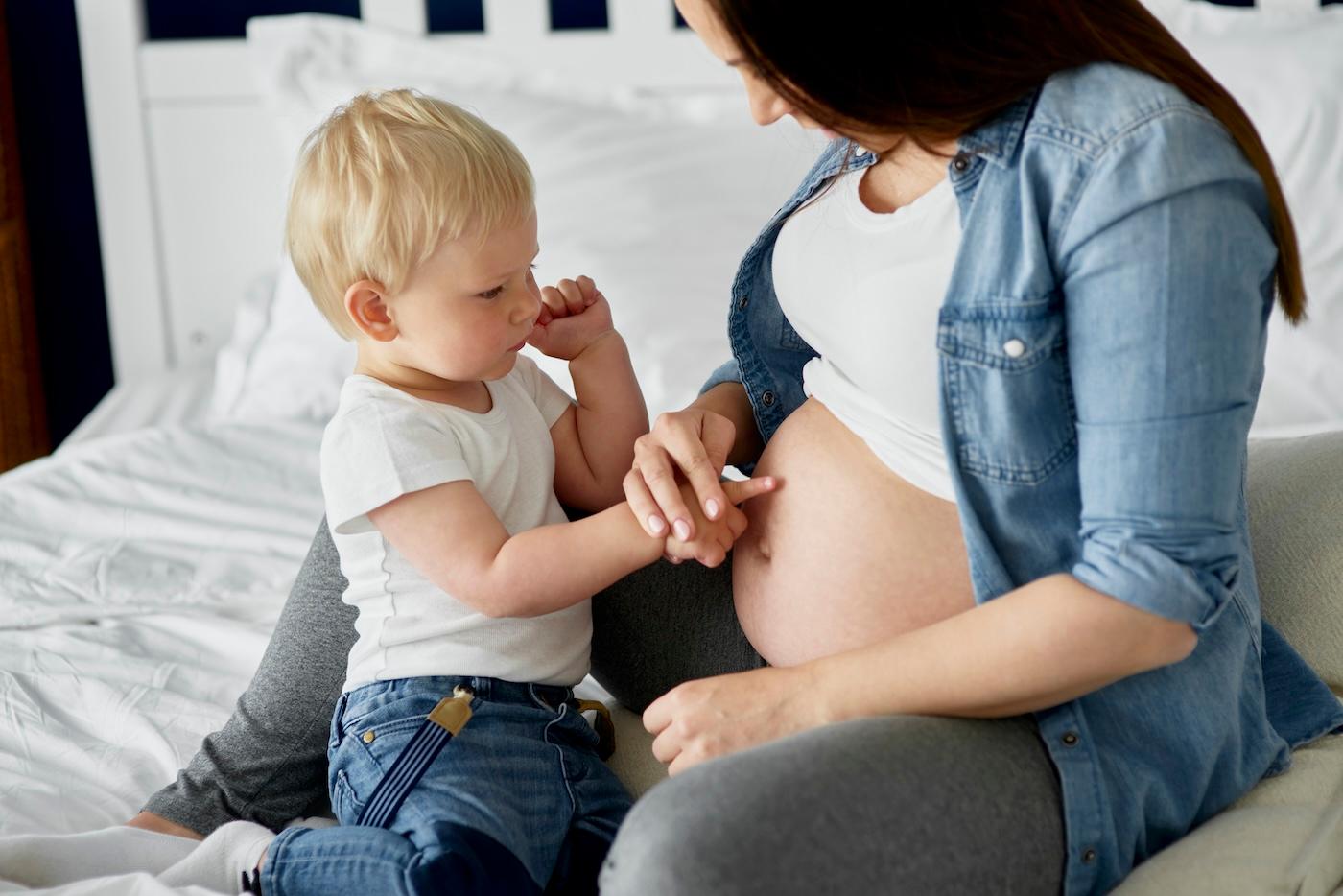
This gossip tactic is also useful for promoting positive toddler behaviour when Mum is pregnant. It allows them see the special role they have to play as a big sibling, which can help calm jealousy. Plus, it sets the groundwork for them to be an amazing example for their little bro or sis. Who said 'gossip' was a bad thing?
Avertissement : Les informations présentes sur notre site ne constituent PAS des conseils médicaux pour une personne ou une condition spécifique. Elles sont uniquement destinées à titre d'information générale. Si vous avez des questions médicales et des préoccupations concernant votre enfant ou vous-même, veuillez contacter votre fournisseur de soins de santé. Le lait maternel est la meilleure source de nutrition pour les bébés. Il est important que, en préparation et pendant l'allaitement, les mères adoptent une alimentation saine et équilibrée. La combinaison de l'allaitement au sein et au biberon dans les premières semaines de vie peut réduire la production de lait maternel de la mère et il est difficile de revenir sur la décision de ne pas allaiter. Si vous décidez d'utiliser une préparation pour nourrissons, vous devez suivre les instructions avec soin.
Principales actualités






PARTAGER CET ARTICLE
CHOIX DES PARENTS
Meilleures ventes