PREGNANCY
Relieve Your Worst Pregnancy Symptoms With These Science-Backed Solutions
These tried-and-true tips can give you some sweet relief.

Écrit par
Happiest Baby Staff
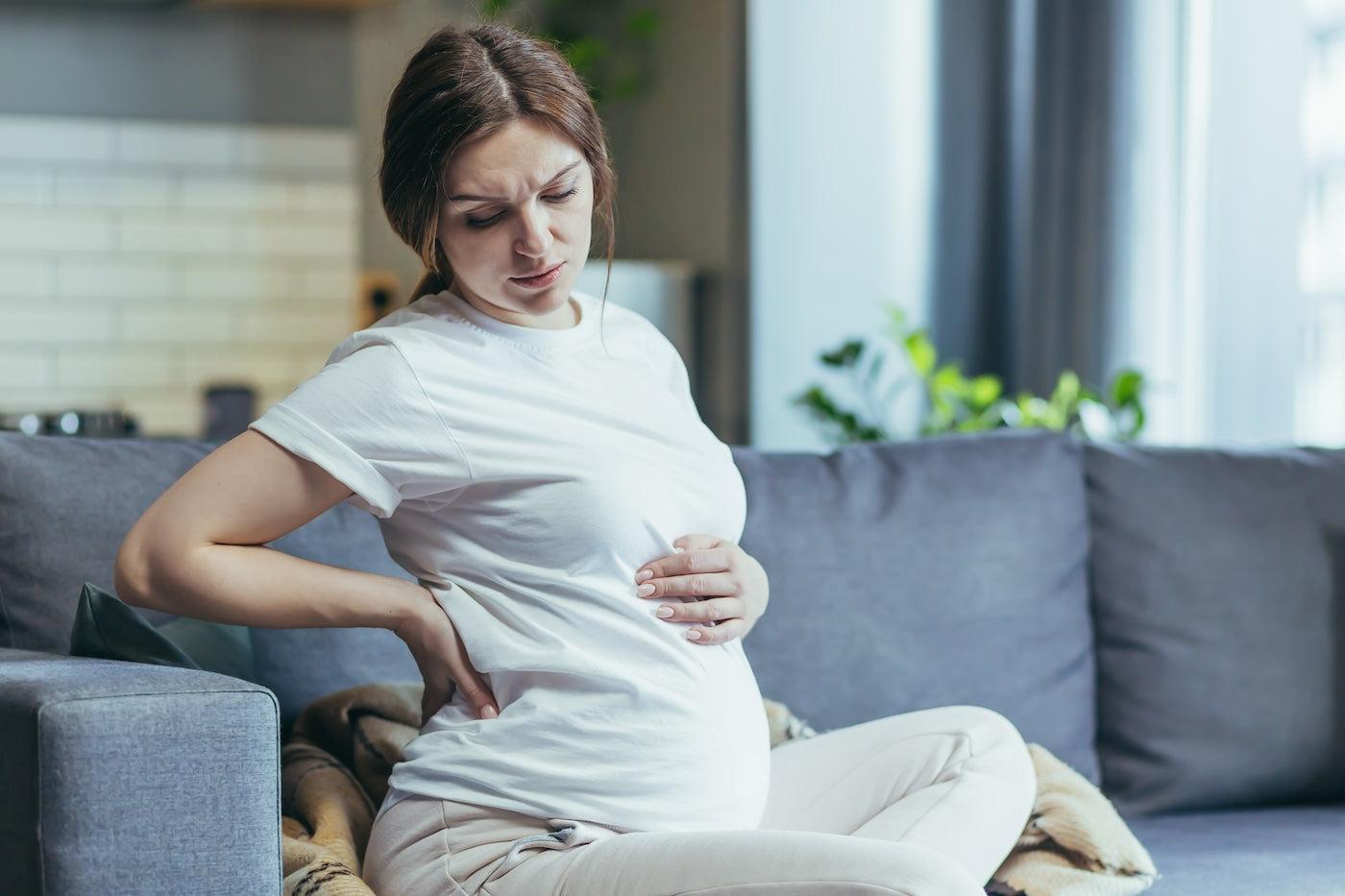
While pregnancy can be a beautiful journey, let’s be honest—it can also come with some seriously unpleasant symptoms. From relentless nausea to nagging backache, your body is working hard to grow that baby. But take heart: There are tried-and-tested ways to ease many of the toughest pregnancy symptoms. Here’s how to find some much-needed relief.
Morning Sickness
Experts believe morning sickness is likely linked to rising levels of hCG and oestrogen. But let’s be clear: calling it “morning” sickness is misleading! The truth is, nausea and vomiting can hit at any time of day—especially during the first trimester.
Morning Sickness Solutions:
- Eat small, frequent meals to keep your blood sugar stable.
- Start the day with plain foods like dry toast or crackers.
- Ginger has been shown to help reduce nausea. Try ginger tea, ginger chews, or ginger supplements (check with your healthcare provider first).
- Vitamin B6 supplements may reduce nausea severity.
More ways to ease morning sickness.
Exhaustion and Fatigue
Feeling completely knackered? You’re not alone. Rising progesterone levels and the effort your body is making to support your baby can leave you totally wiped out.
Fatigue Fighters:
- Sneak in naps when possible—even a 20-minute kip can help.
- Stick to a regular bedtime routine to support quality sleep.
- Stay well hydrated and eat iron-rich foods to help prevent anaemia.
Read more about ways to manage pregnancy fatigue.
Heartburn and Indigestion
Thanks to a mix of hormonal changes and a growing uterus pressing on your stomach, heartburn is a common (and fiery!) pregnancy woe.
Heartburn Helpers:
- Eat slowly and avoid lying down straight after meals.
- Steer clear of spicy, acidic, or greasy foods.
- Sleep with your upper body slightly elevated.
- Antacids like calcium carbonate are generally considered safe, but always check with your midwife or doctor first.
Back and Pelvic Pain
As your bump grows, your centre of gravity shifts and hormones like relaxin loosen your joints—often leading to aches and pains in the lower back and pelvis.
Back and Pelvic Pain Pointers:
- Maintain good posture.
- Use a pregnancy support belt if needed.
- Prenatal yoga or gentle stretching may help relieve pain.
- Warm baths and heat packs can offer soothing relief.
Constipation and Haemorrhoids
Sluggish digestion and iron supplements can cause constipation—and even haemorrhoids.
Tips for Tummy Trouble:
- Drink plenty of water (aim for 8 to 10 glasses a day).
- Eat fibre-rich foods like fruit, veg, and wholegrains.
- Stay active to help keep your digestion on track (see pregnancy-safe exercises).
- For haemorrhoids, witch hazel pads and sitz baths can be soothing.
Leg Cramps and Swelling
Leg cramps often strike at night, while swelling—especially in the feet and ankles—is common in the later stages of pregnancy.
Leg Relief Tips:
- Stretch your calves before bed.
- Stay active throughout the day.
- Put your feet up when you’re sitting down.
- Drink plenty of fluids.
- Compression socks can improve circulation and help reduce swelling.
Trouble Sleeping
Between late-night loo trips, baby kicks, and general discomfort, sleep can be hard to come by.
Snooze-Savvy Tips:
- Try sleeping on your side (left is best) with a pillow between your knees.
- Keep your bedroom dark and cool.
- Use white noise to mask disruptions.
- Relax before bed with deep breathing or guided meditation.
When to Call Your Midwife or Doctor
While many pregnancy symptoms are totally normal, always get in touch with your healthcare provider if you experience severe headaches, changes in vision, sudden swelling, bleeding, or reduced baby movement.
Pregnancy symptoms may be part of the journey, but you don’t have to simply put up with them. With a bit of planning and some helpful strategies, you can manage the discomfort and focus on the excitement ahead.
***
REFERENCES
- Nutrition and Lifestyle for a Healthy Pregnancy Outcome, Reviews in Obstetrics and Gynaecology, 2013
- The American College of Obstetricians and Gynaecologists: Nutrition During Pregnancy
- The American College of Obstetricians and Gynaecologists: Medications During Pregnancy
- National Institute of Diabetes and Digestive and Kidney Diseases: Health Tips for Pregnant Women
- The American College of Obstetricians and Gynaecologists: What Can I Do for Haemorrhoids During Pregnancy?
- Pregnancy and Birth Outcomes After SARS-CoV-2 Vaccination in Pregnancy, American Journal of Obstetrics and Gynaecology, 2022
Avertissement : Les informations présentes sur notre site ne constituent PAS des conseils médicaux pour une personne ou une condition spécifique. Elles sont uniquement destinées à titre d'information générale. Si vous avez des questions médicales et des préoccupations concernant votre enfant ou vous-même, veuillez contacter votre fournisseur de soins de santé. Le lait maternel est la meilleure source de nutrition pour les bébés. Il est important que, en préparation et pendant l'allaitement, les mères adoptent une alimentation saine et équilibrée. La combinaison de l'allaitement au sein et au biberon dans les premières semaines de vie peut réduire la production de lait maternel de la mère et il est difficile de revenir sur la décision de ne pas allaiter. Si vous décidez d'utiliser une préparation pour nourrissons, vous devez suivre les instructions avec soin.
Principales actualités






PARTAGER CET ARTICLE
CHOIX DES PARENTS
Meilleures ventes